Research Articles
Systematic Searching for Environmental Evidence: A Comprehensive Guide to Robust Methods and Emerging Tools
This article provides a comprehensive guide to systematic searching methodologies for environmental evidence, tailored for researchers, scientists, and drug development professionals.
Strategies for Reducing Sample-to-Sample Contamination During Homogenization: A Guide for Researchers
Cross-contamination during homogenization poses a significant threat to data integrity in biomedical and pharmaceutical research.
Validated Cleaning Reagents for DNA Decontamination in Forensic Genetics: A Scientific Guide for Researchers
This article provides a comprehensive analysis of validated cleaning reagents and protocols for effective DNA decontamination in forensic and biomedical research settings.
Environmental Interference: How Emerging Contaminants Complicate Explosive Residue Analysis
This article examines the critical challenge posed by environmental contaminants to the accuracy and reliability of forensic explosive residue analysis.
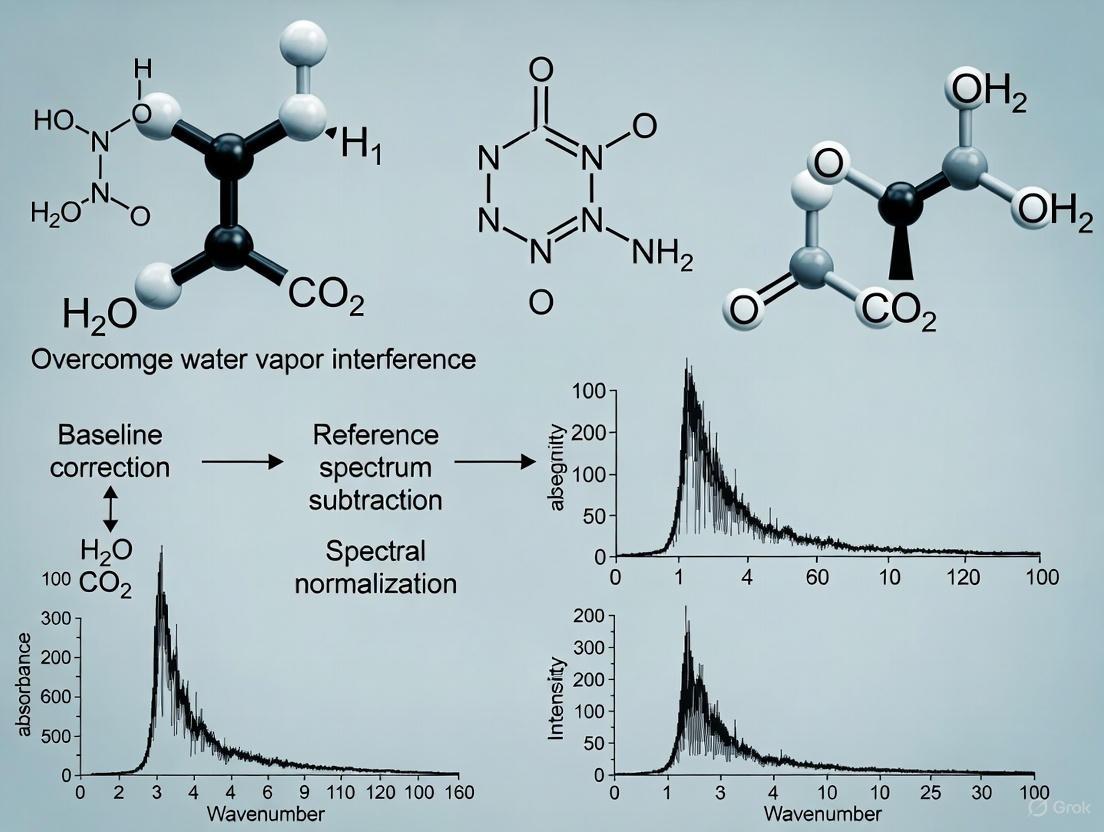
Overcoming Water Vapor Interference in FTIR Spectroscopy: A Comprehensive Guide for Reliable Biomedical Analysis
Fourier Transform Infrared (FTIR) spectroscopy is a cornerstone analytical technique in biomedical and pharmaceutical research, yet its accuracy is frequently compromised by water vapor interference.
Beyond Certainty: The Paradigm Shift from Categorical to Probabilistic Interpretation in Forensic Chemistry
This article explores the critical evolution in forensic chemistry from traditional, categorical reporting towards modern, probabilistic frameworks.
Validating Non-Targeted Analysis in Forensic Chemistry: A Roadmap from Foundational Principles to Courtroom Confidence
Non-targeted analysis (NTA) using high-resolution mass spectrometry is transforming forensic chemistry by enabling the comprehensive detection of known and unknown chemicals in complex evidence.
A Scientist's Guide to Reducing Sample Contamination in Trace Evidence Analysis
This article provides a comprehensive framework for researchers and drug development professionals to understand, prevent, and control sample contamination in trace evidence analysis.
The Daubert Standard in Forensic Science: A Complete Guide for Researchers and Drug Development Professionals
This article provides a comprehensive analysis of the Daubert standard, the primary framework for admitting expert testimony in federal courts.
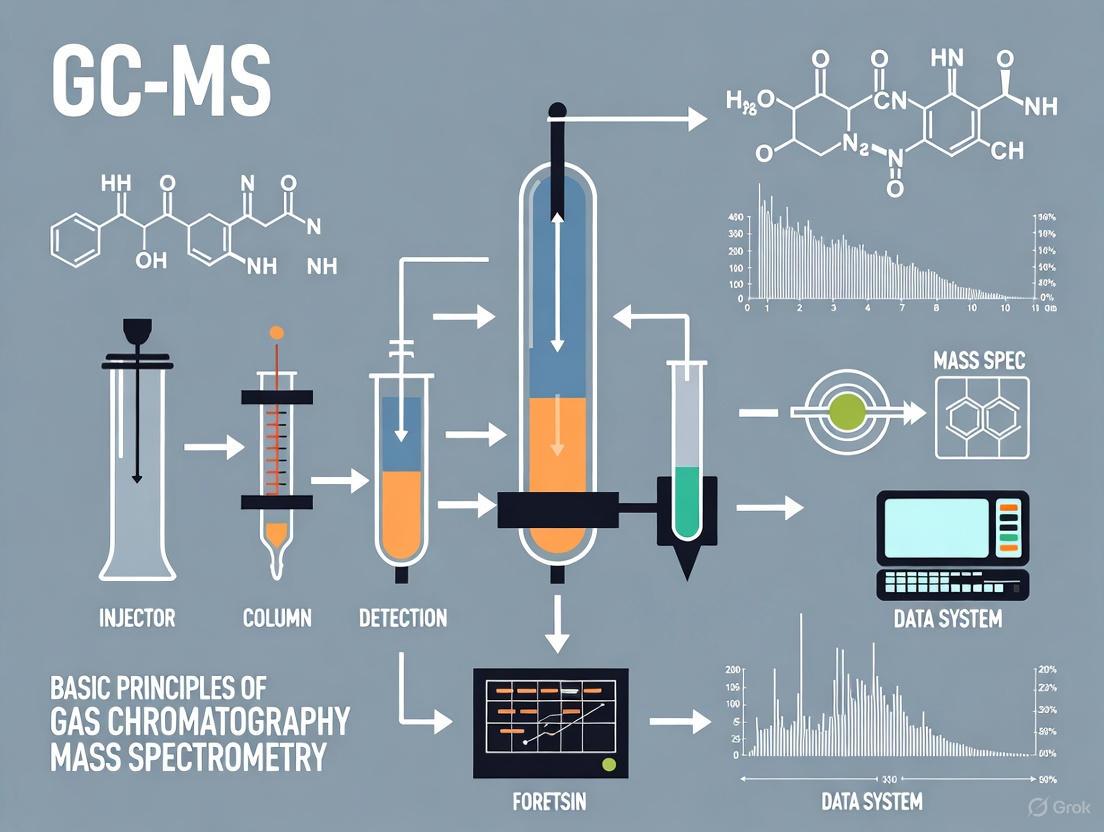
GC-MS in Forensic Science: Principles, Applications, and Advanced Methodologies for Researchers
This article provides a comprehensive examination of Gas Chromatography-Mass Spectrometry (GC-MS) as a cornerstone analytical technique in forensic science.