Research Articles

What's New in Forensic Chemistry: A 1972 Revolution
Explore the 1972 revolution in forensic chemistry that transformed evidence analysis through automation, GC/MS, and new analytical techniques.
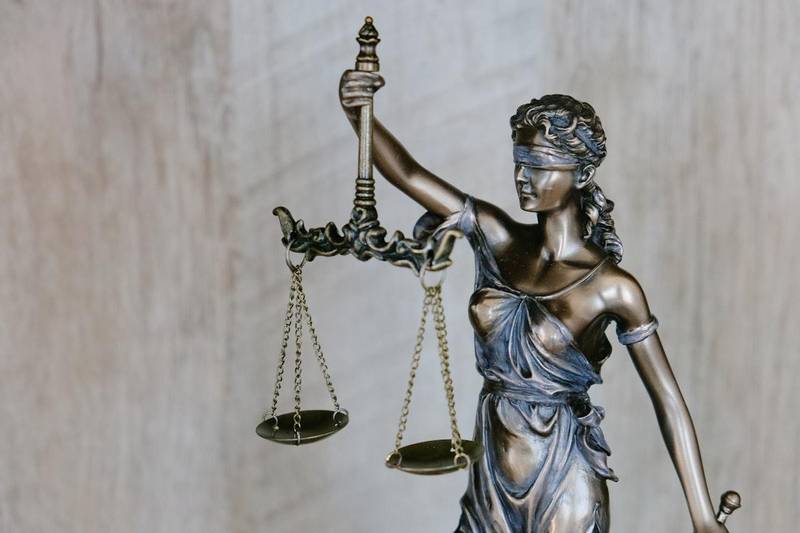
Chemical Detectives: The Silent Science That Solves Crimes
Explore how forensic chemistry uses analytical developments and pharmacological knowledge to solve crimes through chemical analysis.
Decoding Crime: A Decade of Forensic Chemistry Breakthroughs
Exploring the key advancements in forensic chemistry from 2004-2013, focusing on detection methods for narcotics, psychotropic drugs, and toxic substances.
Chemical Detectives: The Silent Science of the Crime Lab
Explore the fascinating world of forensic chemistry departments and their crucial role in solving crimes through scientific analysis of evidence.
Unveiling the Invisible: How a Pinch of Dust Can Crack a Case
Explore how Inductively Coupled Plasma Spectrometry revolutionizes forensic chemistry by analyzing trace elements to solve crimes.
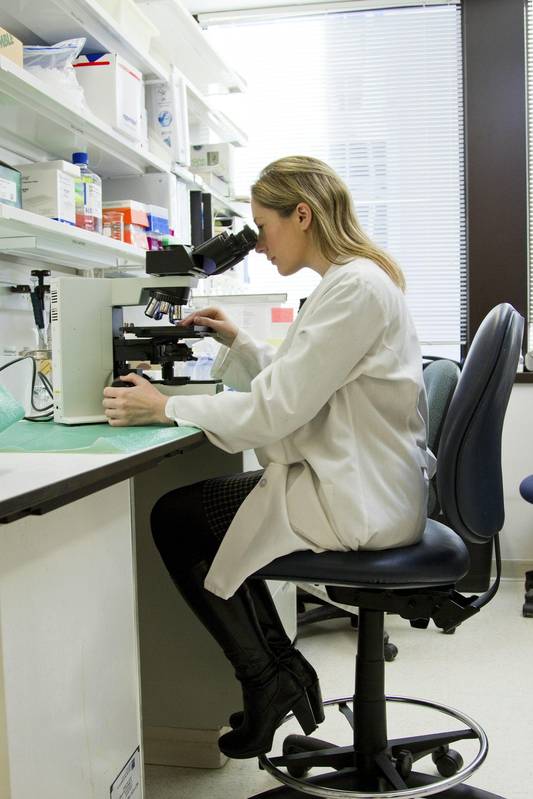
Cracking the Chemical Code: How Cape Town's Forensic Scientists Are Winning the War Against Illicit Drugs
Explore how Cape Town's Forensic Chemistry Laboratory develops advanced drug analysis methods to combat illicit substances like nyaope using cutting-edge technologies.

Beyond the Crime Scene: How Forensic Chemistry Makes Learning a Thrilling Investigation
Explore how forensic chemistry transforms traditional chemistry education into an engaging investigative experience, developing critical thinking skills through real-world applications.
The River Detective: How Forensic Chemistry Exposes Urban Water Pollution
Explore how forensic chemistry is unmasking the hidden impacts of urban effluent on river ecosystems and providing scientific evidence to hold polluters accountable.
Silent Witnesses: The Chemical Detective Work That Solves Crimes
Explore how forensic chemistry transforms tiny physical evidence into powerful crime-solving tools through DNA analysis, chemical testing, and advanced instrumentation.

Chemical Detectives: How Chiral Clues and Atomic Fingerprints Expose Designer Drugs
Explore how chiral analysis and stable isotope analysis help forensic chemists identify novel psychoactive substances and track their origins.