Forensic Chemistry in Criminal Investigations: Analytical Principles, Advanced Methodologies, and Courtroom Validation
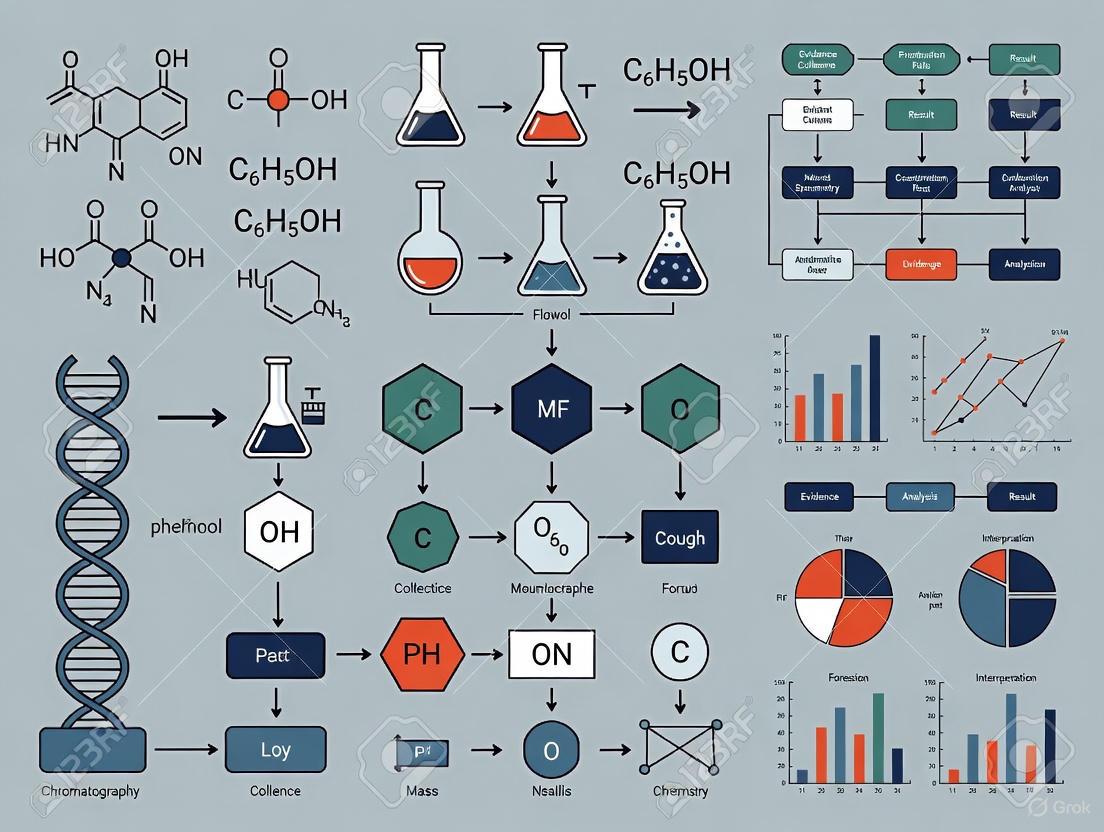
This article provides a comprehensive examination of modern forensic chemistry principles and their pivotal role in criminal investigations.
Forensic Chemistry in Criminal Investigations: Analytical Principles, Advanced Methodologies, and Courtroom Validation
Abstract
This article provides a comprehensive examination of modern forensic chemistry principles and their pivotal role in criminal investigations. Tailored for researchers, scientists, and drug development professionals, it explores foundational chemical concepts applied to diverse evidence types including drugs, explosives, and trace materials. The content spans from established analytical techniques like chromatography and mass spectrometry to emerging technologies such as ambient ionization MS and comprehensive 2D-GC. It addresses critical challenges in sample integrity, data interpretation, and method optimization, while thoroughly evaluating validation frameworks, legal admissibility standards, and the integration of artificial intelligence. This review synthesizes current research trends and their implications for developing robust, court-admissible forensic methodologies with potential applications in pharmaceutical analysis and clinical research.
Core Chemical Principles and Evidence Types in Forensic Analysis
Forensic analytical chemistry serves as the critical bridge between a crime scene and the courtroom, transforming minute physical evidence into objective, scientifically-defensible data. This field applies the principles and techniques of analytical chemistry to identify and quantify the chemical components of evidence, providing irrefutable facts for criminal investigations [1]. The core mandate of the forensic chemist is to perform rigorous analyses on diverse materials—from controlled substances and trace fibers to toxicological samples and explosive residues—and to present these findings in a clear and concise manner, even under the duress of expert testimony in a court of law [2]. The reliability of this evidence is paramount, as it can profoundly influence the outcome of legal proceedings and the pursuit of justice.
The analytical process in forensic chemistry is governed by a fundamental framework designed to ensure integrity and accuracy. From the moment evidence is collected, maintaining a secure chain of custody is essential to preserve its credibility in court [3]. Subsequently, forensic chemists employ a wide array of instrumental techniques, including various forms of chromatography and spectroscopy, to separate complex mixtures and identify unknown substances [1]. In modern practice, there is a growing emphasis on quantitative evaluation, using statistical methods such as Bayesian networks to assign probabilistic weights to findings, thereby providing a more transparent measure of the confidence in a given result [4]. This systematic and scientifically robust approach solidifies forensic analytical chemistry as an indispensable pillar of the modern legal system.
Core Analytical Techniques and Their Methodologies
The forensic chemist's toolkit consists of sophisticated instrumental techniques, each selected for its ability to answer specific questions about the nature and origin of physical evidence. The most prevalent of these methods can be categorized into chromatographic and spectroscopic techniques, which are often used in tandem to provide unequivocal identification.
Chromatographic Separations
Chromatography is a foundational tool for separating a complex mixture into its individual components, a crucial first step before definitive identification can occur. The principle involves a mobile phase carrying the sample through a stationary phase; components separate based on their differing interactions with these phases [1].
Gas Chromatography-Mass Spectrometry (GC-MS): This hybrid technique is a workhorse in the crime lab. The gas chromatograph first volatilizes and separates the components of a mixture. These separated compounds then enter the mass spectrometer, which fragments them and produces a unique mass spectrum. This spectrum acts as a molecular fingerprint, allowing for definitive identification [1].
- Detailed Protocol for Drug Analysis via GC-MS:
- Sample Preparation: A seized substance is homogenized. A small sub-sample is dissolved in a suitable volatile solvent (e.g., methanol). The solution may be derivatized to improve volatility for certain compounds.
- Instrumental Analysis: The prepared solution is injected into the GC inlet, which is heated to vaporize the sample. An inert gas (e.g., helium) carries the vapor through a capillary column, effecting separation based on polarity and boiling point.
- Detection & Identification: Separated components elute into the mass spectrometer, are ionized (commonly by electron impact, EI), and the resulting ions are separated by their mass-to-charge ratio (m/z). The resulting mass spectrum is compared against a reference library of known illicit substances for identification [1].
- Detailed Protocol for Drug Analysis via GC-MS:
High-Performance Liquid Chromatography (HPLC): Used for non-volatile or thermally labile compounds that are not suitable for GC. A liquid solvent at high pressure pumps the sample through a column. HPLC is widely applied in forensic toxicology for quantifying drugs in biological fluids and in analyzing ink and dye compositions [1].
Spectroscopic Identification
Spectroscopy involves the interaction of matter with electromagnetic radiation, producing characteristic spectra for compound identification.
Fourier-Transform Infrared (FTIR) Spectroscopy: FTIR measures the absorption of infrared light by molecular bonds, which vibrate at characteristic frequencies. The resulting spectrum provides information on functional groups, creating a distinct profile for materials like fibers, paints, and plastics [3].
- Detailed Protocol for Fiber Analysis via FTIR:
- Sample Collection: A single fiber is collected from evidence using clean forceps and placed on a diamond compression cell for analysis.
- Background Scan: A background infrared spectrum is collected to subtract ambient signals.
- Sample Analysis: The fiber is compressed, and the infrared beam is passed through it. The instrument collects the absorption data across a range of wavenumbers (e.g., 4000-400 cm⁻¹).
- Spectral Comparison: The unknown fiber's FTIR spectrum is overlaid and compared with spectral libraries of known fibers (e.g., nylon, polyester, acrylic) to determine the polymer type [1].
- Detailed Protocol for Fiber Analysis via FTIR:
Mass Spectrometry (MS): Beyond its use in GC-MS, mass spectrometry is a powerful standalone tool. Techniques like Inductively Coupled Plasma-Mass Spectrometry (ICP-MS) can detect elements at parts-per-billion levels, which is invaluable for comparing the elemental profile of glass or soil fragments [1]. Isotope Ratio Mass Spectrometry (IRMS) can even determine the geographic origin of a drug sample by measuring subtle differences in stable isotope ratios [1].
The following table summarizes the primary applications of these core techniques in forensic evidence analysis.
Table 1: Core Analytical Techniques in Forensic Chemistry
| Technique | Primary Forensic Application | Type of Information Provided |
|---|---|---|
| Gas Chromatography-Mass Spectrometry (GC-MS) | Drug analysis, arson investigations (ignitable liquids), toxicology [1] | Separation and definitive identification of volatile/semi-volatile compounds via molecular fingerprint. |
| High-Performance Liquid Chromatography (HPLC) | Forensic toxicology (non-volatile drugs), explosives analysis, ink/dye comparison [1] | Separation and quantification of non-volatile or thermally unstable compounds. |
| Fourier-Transform Infrared (FTIR) Spectroscopy | Fiber analysis, paint chip comparison, polymer identification [3] [1] | Identification of organic functional groups and polymers; provides a characteristic absorption spectrum. |
| Capillary Electrophoresis (CE) | DNA profiling (STR analysis), separation of charged molecules [1] | High-resolution separation of DNA fragments by size and charge for individual identification. |
| Inductively Coupled Plasma-MS (ICP-MS) | Glass and soil analysis, gunshot residue (GSR) detection [1] | Ultra-trace elemental analysis and profiling. |
The Analytical Process: From Evidence to Court
The journey of physical evidence from the crime scene to the courtroom follows a meticulous, multi-stage process designed to ensure scientific integrity and legal admissibility. Process mapping, as championed by organizations like the National Institute of Standards and Technology (NIST), helps visualize this workflow, identifying key decision points and opportunities for error reduction [5]. The process can be generalized into several critical phases, as illustrated below.
Diagram 1: Forensic Analysis Workflow
Quantitative Evaluation and Statistical Confidence
A critical development in modern forensic science is the move towards quantifying the uncertainty of findings. Unlike conventional forensic disciplines like DNA analysis, which can provide random match probabilities, digital forensics has historically lacked such metrics but is now catching up by adopting statistical methodologies [4].
- Bayesian Analysis: This framework is increasingly used to evaluate the relative strength of evidence for competing propositions (e.g., the prosecution's hypothesis vs. the defense's hypothesis). It calculates a Likelihood Ratio (LR), which represents how much more likely the evidence is under one hypothesis compared to the other [4]. For example, a Bayesian analysis of an internet auction fraud case computed an LR of 164,000 in favor of the prosecution's hypothesis, providing "very strong support" for their case [4].
- Compositional Data Analysis (CoDa): Recent research highlights that chemical data, such as the compound profile of petrol, is inherently compositional—the components are parts of a constrained whole. Applying standard statistical tests to such data without proper preprocessing can yield biased results. Studies demonstrate that Compositional Data Analysis improves classification accuracy and provides easier interpretation of results, which is crucial for detecting fuel fraud and other chemical comparisons [6].
The Scientist's Toolkit: Essential Reagents and Materials
Forensic chemistry relies on a suite of specialized reagents and materials to facilitate the extraction, preparation, and analysis of diverse evidence types. The following table details key items essential for laboratory work in this field.
Table 2: Essential Research Reagents and Materials in Forensic Chemistry
| Reagent / Material | Function / Purpose |
|---|---|
| Solvents (e.g., Methanol, Chloroform) | Universal solvents for dissolving and extracting organic compounds from solid evidence (e.g., drugs, fire debris). |
| Derivatization Reagents | Chemically modify non-volatile compounds (e.g., steroids, acids) to increase their volatility for GC-MS analysis. |
| Mobile Phases (for HPLC) | High-purity solvent mixtures used as the carrier liquid in HPLC to separate analytes based on polarity. |
| PCR Master Mix (for DNA Analysis) | A pre-mixed solution containing enzymes, nucleotides, and buffers necessary for the Polymerase Chain Reaction to amplify specific DNA regions. |
| STR Kits | Commercial kits containing primers to amplify specific Short Tandem Repeat (STR) loci for DNA profiling and comparison. |
| Buffer Solutions | Maintain a stable pH during analytical procedures, such as DNA electrophoresis, to ensure optimal enzyme activity and separation. |
| Reference Standards | Certified pure materials of known identity (e.g., cocaine, THC) used to calibrate instruments and confirm the identity of unknown samples. |
Forensic analytical chemistry stands as a dynamic and indispensable discipline, underpinning the scientific investigation of crime with rigorous chemical analysis. Through the precise application of chromatographic and spectroscopic techniques, forensic chemists unlock the hidden information within physical evidence, from identifying illicit drugs to linking microscopic trace materials. The field continues to evolve, with advancements in quantitative statistical evaluation [4] and compositional data analysis [6] promising even greater objectivity and reliability. As technology progresses, the integration of advanced instrumentation and robust data interpretation frameworks will further solidify the role of forensic chemistry as a cornerstone of justice, ensuring that factual, scientifically-sound evidence remains central to legal proceedings.
Forensic chemistry serves as a critical bridge between scientific analysis and criminal investigations, providing objective evidence through the chemical characterization of materials. This technical guide examines the chemical composition of three central evidence types in forensic casework: drugs, explosives, and gunshot residue (GSR). The analysis of these materials requires sophisticated analytical techniques and rigorous methodological protocols to ensure results meet legal standards for admissibility, including the Daubert Standard and Mohan criteria, which emphasize reliability, peer review, known error rates, and general acceptance in the scientific community [7]. Understanding the fundamental chemistry of these evidence types enables forensic scientists to answer crucial questions about substance identity, origin, and transfer mechanisms that are essential for reconstructing criminal events.
Chemical Composition of Illicit Drugs
Illicit drugs comprise a diverse array of controlled substances with distinct chemical structures and pharmacological properties. Their forensic analysis focuses on identification, quantification, and impurity profiling to determine origin and manufacturing processes.
Primary Drug Classes and Their Components
- Stimulants: Amphetamine (C₉H₁₃N) and methamphetamine (C₁₀H₁₅N) are synthetic stimulants. Cocaine (C₁₇H₂₁NO₄) is a natural alkaloid derived from the coca plant.
- Opioids: This class includes natural opiates like morphine (C₁₇H₁₉NO₃), semi-synthetic derivatives like heroin (C₂₁H₂₃NO₅), and fully synthetic opioids like fentanyl (C₂₂H₂₈N₂O).
- Cannabinoids: Δ9-Tetrahydrocannabinol (THC, C₂₁H₃₀O₂) is the primary psychoactive component in cannabis products.
- Hallucinogens: Lysergic acid diethylamide (LSD, C₂₀H₂₅N₃O) and psilocybin (C₁₂H₁₇N₂O₄P) are potent psychoactive substances.
Table 1: Chemical Composition of Common Illicit Drugs
| Drug Class | Example Compound | Chemical Formula | Key Chemical Characteristics |
|---|---|---|---|
| Stimulants | Methamphetamine | C₁₀H₁₅N | Phenethylamine backbone, chiral center |
| Cocaine | C₁₇H₂₁NO₄ | Benzoylmethylecgonine ester structure | |
| Opioids | Heroin | C₂₁H₂₃NO₅ | Diacetyl morphine derivative |
| Fentanyl | C₂₂H₂₈N₂O | Piperidine ring, amide functional group | |
| Cannabinoids | Δ9-THC | C₂₁H₃₀O₂ | Terpenophenolic compound |
| Hallucinogens | LSD | C₂₀H₂₅N₃O | Ergoline alkaloid structure |
| Psilocybin | C₁₂H₁₇N₂O₄P | Tryptamine derivative, phosphorylated |
Analytical Methodologies for Drug Analysis
Gas Chromatography-Mass Spectrometry (GC-MS) remains the gold standard for drug identification. Recent advancements focus on Comprehensive Two-Dimensional Gas Chromatography (GC×GC), which provides superior separation power for complex mixtures, such as cutting agents and impurities in street drugs [7]. In GC×GC, a modulator connects two columns with different stationary phases, significantly increasing peak capacity and improving the detectability of trace compounds [7].
Diagram 1: GC×GC Workflow for Complex Drug Analysis
Chemical Composition of Explosives
Explosives are reactive substances containing potential energy that undergoes rapid exothermic decomposition. Forensic analysis focuses on identifying unexploded materials and post-blast residues.
Explosives Classification and Chemistry
- Nitrogen-Based Explosives: Characterized by nitro functional groups. This includes 2,4,6-Trinitrotoluene (TNT), cyclotrimethylenetrinitramine (RDX), and pentaerythritol tetranitrate (PETN).
- Peroxide-Based Explosives: Triacetone triperoxide (TATP) is a high-impact sensitivity explosive notorious in improvised devices.
- Urea Nitrate and Ammonium Nitrate Fuel Oil (ANFO): Common in industrial and improvised explosives.
The chemistry of explosions involves the rapid oxidation of a fuel, producing large volumes of gas. Energetic compounds contain both fuel and oxidizer components within their molecular structure, allowing for self-sustained decomposition [8].
Analytical Protocols for Explosive Residue
Protocol: Recovery and Analysis of Explosive Residues
- Sample Collection: Use solvent-moistened cotton swabs or filters to collect residues from suspected surfaces. Collect control samples from adjacent areas.
- Extraction: Sonicate or perform solid-phase extraction (SPE) using solvents like acetonitrile or methanol to isolate organic components.
- Instrumental Analysis:
- GC-MS: Ideal for volatile and semi-volatile organic explosives. The high temperature of the injector can decompose thermally labile compounds like TATP.
- Liquid Chromatography-Mass Spectrometry (LC-MS): Better suited for thermally labile explosives that decompose in a GC inlet.
- Ion Chromatography (IC): Used for identifying inorganic anions (e.g., nitrate, chlorate, perchlorate) from oxidizers.
Table 2: Chemical Signatures of Common Explosives
| Explosive Type | Example Compound | Chemical Formula | Key Elemental & Molecular Markers |
|---|---|---|---|
| Military High Explosive | RDX (Research Department Explosive) | C₃H₆N₆O₆ | N-NO₂ bonds, cyclic nitramine |
| PETN (Pentaerythritol Tetranitrate) | C₅H₈N₄O₁₂ | O-NO₂ bonds (nitrate ester) | |
| Industrial/IED | TNT (Trinitrotoluene) | C₇H₅N₃O₆ | Aromatic ring, nitro groups |
| ANFO (Ammonium Nitrate Fuel Oil) | NH₄NO₃ + Fuel | NH₄⁺, NO₃⁻ ions, hydrocarbon profile | |
| Peroxide-Based IED | TATP (Triacetone Triperoxide) | C₉H₁₈O₆ | Cyclic peroxide, lacking nitro groups |
Chemical Composition of Gunshot Residue (GSR)
Gunshot residue is the particulate material expelled from a firearm upon discharge. Its analysis aims to associate an individual or surface with a discharging event.
Inorganic and Organic Components
Traditional GSR analysis focuses on the inorganic primer composition, which contains the signature particles. Organic GSR from propellants provides complementary evidence [8].
- Inorganic GSR: Originates from the primer and includes particles with unique elemental combinations.
- Lead (Pb), Barium (Ba), Antimony (Sb): The classic "ternary" particle signature from conventional primers.
- Barium (Ba), Calcium (Ca), Silicon (Si): Common in "lead-free" or "non-toxic" primers.
- Other elements: Aluminum, Potassium, Strontium from other primer variants or cartridge case material.
- Organic GSR: Originates from the propellant (smokeless powder) and its stabilizers.
- Nitrocellulose: The primary base.
- Stabilizers: Such as diphenylamine (DPA) and its nitration products.
- Plasticizers: Such as dibutyl phthalate (DBP).
- Other additives: Deterrents, coolants, and flash suppressants.
Methodologies for GSR Analysis
Protocol: Detection and Analysis of Gunshot Residue
- Sample Collection: Use adhesive aluminum stubs (e.g., from a GSR collection kit) to sample the backs of hands, or swabs for surfaces.
- Inorganic GSR Analysis via Scanning Electron Microscopy with Energy Dispersive X-Ray Spectroscopy (SEM-EDS):
- The stub is directly analyzed under the SEM.
- The instrument automatically detects particles and provides their elemental composition.
- Particles with specific morphological and elemental characteristics (e.g., spheroidal, containing Pb-Ba-Sb) are identified as characteristic of GSR.
- Organic GSR Analysis via GC-MS or LC-MS:
- Swabs are extracted with an organic solvent.
- The extract is concentrated and analyzed to identify organic compounds from the propellant.
Diagram 2: GSR Formation and Analysis Pathways
Table 3: Elemental Composition of Gunshot Residue from Different Primer Types
| Primer Type | Key Elements | Particle Morphology | Forensic Significance |
|---|---|---|---|
| Conventional | Lead (Pb), Barium (Ba), Antimony (Sb) | Spheroidal, often molten | Classic, forensically significant signature |
| Lead-Free (e.g., Sintox) | Barium (Ba), Calcium (Ca), Silicon (Si), Ti, K | Irregular to spheroidal | Becoming more common, less specific |
| Non-Toxic (e.g., Alcan) | Zinc (Zn), Titanium (Ti), Aluminum (Al) | Flakes, irregular | Limited forensic value due to common elements |
| Corrosion Inhibited | Lead (Pb), Barium (Ba), Antimony (Sb), Zinc (Zn) | Spheroidal | Variant of conventional primer |
The Scientist's Toolkit: Essential Research Reagents and Materials
The analysis of drugs, explosives, and GSR requires a suite of specialized reagents, solvents, and materials to ensure accurate and reliable results.
Table 4: Key Research Reagent Solutions and Materials in Forensic Chemistry
| Item Name | Function & Application |
|---|---|
| Solvent Blends (HPLC/MS Grade) | High-purity methanol, acetonitrile, and dichloromethane are used for extracting analytes from solid matrices and for mobile phases in chromatographic systems. |
| Derivatization Reagents | Compounds like BSTFA or MTBSTFA are used to modify polar drugs (e.g., THC, amphetamines) to make them more volatile and stable for GC-MS analysis. |
| Solid Phase Extraction (SPE) Cartridges | Used for sample clean-up and concentration. Different phases (C18, SCX, etc.) selectively retain analytes of interest from complex mixtures like biological samples. |
| Certified Reference Materials (CRMs) | Pure, authenticated analytical standards of drugs, explosives, and metabolite compounds essential for method calibration, quantification, and quality control. |
| Mobile Phase Additives | Buffers like ammonium formate and acetic acid are added to mobile phases in LC-MS to control pH and improve ionization efficiency of target analytes. |
| Adhesive Carbon Stubs | The standard substrate for the collection of inorganic GSR particles for subsequent analysis by SEM-EDS. |
| Portable GC-MS Systems | Emerging technology for in-field screening of seized drugs and explosives, providing laboratory-quality data at the point of evidence collection [9]. |
The chemical composition of drugs, explosives, and gunshot residue provides a scientific foundation for objective evidence in the criminal justice system. The analysis relies on sophisticated separation science and spectroscopy, with techniques like GC×GC-MS pushing the boundaries for complex sample analysis [7]. For any analytical method to transition from research to routine forensic use, it must satisfy not only scientific rigor but also legal standards of admissibility, including demonstrable validation, known error rates, and peer acceptance [7]. A comprehensive understanding of both the chemistry of the evidence and the principles of the analytical techniques ensures that forensic scientists can provide reliable, interpretable, and legally defensible results.
Trace evidence analysis represents a critical application of chemical principles within criminal investigations, operating on the foundational Locard's Exchange Principle that "every contact leaves a trace" [10]. This principle posits that individuals involved in a criminal action invariably transfer minute physical materials to and from the scene, victims, or instruments used. These materials—including glass, paint, fibers, and soil—though often microscopic, provide scientific linkages between people, places, and objects [10]. The forensic chemist's role involves the systematic identification and characterization of these materials using a diverse array of analytical techniques, transforming seemingly insignificant debris into objective, scientifically valid evidence that can corroborate or ref investigative accounts. This technical guide examines the core principles, methodologies, and analytical frameworks governing the analysis of key trace evidence types within the broader context of forensic chemistry's contribution to modern criminal justice.
Scientific Foundations and Current State
The examination of trace evidence is inherently comparative, designed to determine whether a questioned evidence sample shares properties with a known source sample. The analytical process typically progresses through a tiered approach, beginning with physical and microscopic examinations to assess class characteristics, followed by instrumental chemical analysis to probe elemental and molecular composition [10]. The evidentiary value of an association depends heavily on the discriminating power of the tests employed and the rarity of the observed characteristics in the relevant population [10].
Recent advancements have been driven by collaborative scientific bodies such as the NIST Organization of Scientific Area Committees (NIST-OSAC) and the European Network of Forensic Science Institutes (ENFSI), which work to establish standardized methods, validate techniques, and define best practices for interpretation [10]. A significant paradigm shift is underway toward standardized interpretation methods and more transparent reporting, moving beyond traditional, potentially ambiguous conclusions to those that more clearly communicate the significance of analytical findings [10].
Characterization of Major Trace Evidence Types
Glass Evidence
Glass fragments are common in burglaries, hit-and-run accidents, and violent assaults. The analysis aims to compare the physical and chemical properties of questioned fragments with a known source.
- Composition and Manufacture: Glass is primarily composed of silica (SiO₂), soda (Na₂O), and lime (CaO), with modifying oxides that alter its physical properties. Different manufacturing processes (e.g., float glass vs. container glass) introduce characteristic elemental signatures.
- Analytical Techniques:
- Physical Examination: Includes color, thickness, and surface feature assessment.
- Optical Properties: Refractive Index (RI) measurement using glass immersion methods and hot-stage microscopy is a primary comparative technique.
- Elemental Analysis: Techniques like Micro-X-ray Fluorescence (µ-XRF) quantify the concentrations of trace elements (e.g., Mg, Al, Fe, Sr, Zr) to provide a highly specific chemical profile [10].
Table 1: Core Analytical Techniques for Glass Characterization
| Analytical Technique | Property Measured | Key Information Obtained | Discriminating Power |
|---|---|---|---|
| Light Microscopy | Physical Characteristics | Color, thickness, surface features, fracture marks | Low to Moderate |
| Refractive Index (RI) | Optical Property | A fundamental property measured by immersion | High |
| Micro-XRF | Elemental Composition | Quantitative data on major, minor, and trace elements | Very High |
Paint Evidence
Paint is a complex, multi-layered material often transferred in vehicular incidents, burglaries, and tool marks. The analysis of its layer structure and composition is a powerful associative tool.
- Composition and Manufacture: Paints consist of binders (polymers), pigments (color), extenders (bulk), and additives. The sequence and composition of layers are characteristic of a source object, such as a specific car model.
- Analytical Techniques:
- Light Microscopy: Essential for examining the layer sequence, color, and texture. A physical fit of a paint chip is considered the highest level of association [10].
- Fourier-Transform Infrared (FTIR) Spectroscopy: Identifies the chemical composition of the binder (e.g., acrylic, alkyd, epoxy) and some pigments.
- Raman Spectroscopy: Compliments FTIR by providing specific data on pigment identity.
- Pyrolysis Gas Chromatography-Mass Spectrometry (Py-GC-MS): Used for detailed characterization of the polymeric binder, especially when samples are too small for other techniques.
Table 2: Core Analytical Techniques for Paint Characterization
| Analytical Technique | Property Measured | Key Information Obtained | Discriminating Power |
|---|---|---|---|
| Light Microscopy | Physical & Layer Structure | Color, layer sequence, texture, physical fit | Low to Very High (if physically matched) |
| FTIR Spectroscopy | Molecular Composition | Binder polymer type, inorganic fillers | High |
| Raman Spectroscopy | Molecular Composition | Organic and inorganic pigment identity | High |
| Py-GC-MS | Molecular Composition | Detailed polymer binder characterization | Very High |
Fiber Evidence
Fibers are the most common form of trace evidence and can transfer between individuals and their environment during contact.
- Composition and Manufacture: Fibers are classified as natural (e.g., cotton, wool, hair) or man-made (e.g., nylon, polyester, acrylic). Man-made fibers are produced with specific polymers, dyes, and delustrants, creating a high degree of individuality.
- Analytical Techniques:
- Light and Comparison Microscopy: The first step involves comparing color, diameter, cross-sectional shape, and surface features.
- Polarized Light Microscopy (PLM): Provides information on optical properties like birefringence, which helps identify the fiber polymer class.
- FTIR Microspectroscopy: Identifies the polymer composition of man-made fibers.
- Microspectrophotometry (MSP): Objectively measures the color of a fiber across the visible spectrum, providing a more discriminating analysis than visual comparison.
- Scanning Electron Microscopy with Energy Dispersive X-ray Spectroscopy (SEM-EDS): Can identify the elemental composition of inorganic additives or coatings.
Table 3: Core Analytical Techniques for Fiber Characterization
| Analytical Technique | Property Measured | Key Information Obtained | Discriminating Power |
|---|---|---|---|
| Light Microscopy | Physical Characteristics | Color, diameter, cross-section, delustrants | Low to Moderate |
| Polarized Light Microscopy (PLM) | Optical Properties | Birefringence, refractive indices | Moderate |
| Microspectrophotometry | Color | Visible absorbance/transmission spectrum | High |
| FTIR Microspectroscopy | Molecular Composition | Polymer type, some dye components | High |
Soil Evidence
Soil is a complex mixture of organic and inorganic materials that can place a suspect at a particular location.
- Composition and Manufacture: Soil comprises mineral grains, rock fragments, organic matter, and anthropogenic materials. Its composition is spatially variable, making it highly location-specific.
- Analytical Techniques:
- Light Microscopy: Examines the size distribution and type of mineral components.
- X-Ray Diffraction (XRD): Identifies the crystalline mineral composition of the soil.
- SEM-EDS: Provides data on the morphology and elemental composition of individual soil particles.
- Density Gradient Tube: A classical method that compares the density distribution of soil particles.
Experimental Protocols and Workflows
A rigorous, standardized protocol is essential for forensically and scientifically sound trace evidence analysis. The following workflow outlines a generalized, tiered approach.
Figure 1: Generalized tiered workflow for trace evidence analysis.
Detailed Protocol: Paint Layer Analysis via FTIR
This protocol details the use of FTIR spectroscopy for the characterization of individual paint layers.
- Objective: To identify the binder polymer and inorganic fillers in each layer of a multi-layer paint chip through Fourier-Transform Infrared spectroscopy.
- Materials & Reagents:
- Forensic-grade sharp tweezers and scalpel.
- Sterile, single-use diamond compression cell or micro-pressure cell.
- FTIR microscope coupled to an FTIR spectrometer.
- Background reference material (e.g., KBr crystal).
- Cleaning solvents (HPLC-grade methanol and hexane).
- Procedure:
- Sample Preparation: Under a stereomicroscope, use a scalpel to carefully separate individual layers of the paint chip. Flatten a tiny fragment of the isolated layer in a diamond compression cell to achieve a path length suitable for transmission analysis.
- Instrument Setup: Place the cell in the FTIR microscope stage. Define the aperture to isolate the analysis to a single layer. Collect a background spectrum.
- Data Acquisition: Acquire the infrared spectrum of the sample in transmission mode. Typical parameters: 4000-600 cm⁻¹ range, 4 cm⁻¹ resolution, 64-128 scans.
- Data Analysis: Compare the acquired spectrum to reference spectral libraries of paint binders, pigments, and additives. Key peaks to identify: C-H stretches (~2900 cm⁻¹), carbonyl C=O stretches (~1700 cm⁻¹ for acrylics), ester C-O stretches (~1200 cm⁻¹).
- Interpretation & Quality Control: The polymer type is identified by matching the positions and relative intensities of major absorption bands to library standards. Analysis of a known reference standard should be performed concurrently to verify instrument performance.
The Scientist's Toolkit: Essential Research Reagents and Materials
The following table details key reagents, materials, and instruments essential for a trace evidence laboratory.
Table 4: Essential Research Reagents and Materials for Trace Evidence Analysis
| Item Name | Function/Application | Technical Specification / Notes |
|---|---|---|
| FTIR Spectrometer | Molecular identification of organic components (paint binders, fibers). | Often coupled with a microscope for micro-analysis. Requires stable purge gas (dry air or N₂). |
| Raman Spectrometer | Molecular identification of pigments and fillers. | Complementary to FTIR. Can analyze samples with minimal preparation. |
| Micro-XRF Spectrometer | Non-destructive elemental analysis of glass, soil, and paint. | Capable of analyzing minor and trace elements (e.g., Sr, Zr in glass). |
| Polarized Light Microscope | Examination of optical properties (birefringence) and physical characteristics. | Must have transmitted and reflected light capabilities, cross-polarizers, and measuring graticules. |
| Diamond Compression Cell | Sample preparation for FTIR analysis of hard materials. | Creates a thin, transparent film for transmission IR measurement. |
| Reference Spectral Libraries | Identification of unknown materials by spectral matching. | Commercial and custom libraries for polymers, fibers, and pigments are critical. |
| Cargille Refractive Index Liquids | Measurement of refractive index for glass analysis. | A calibrated set of liquids with known RIs, used with a hot-stage microscope. |
The analysis of glass, paint, fibers, and soil remains a cornerstone of forensic chemistry, providing critical, often unambiguous, links in criminal investigations. The field is characterized by a rigorous, tiered analytical approach that leverages both physical comparison and advanced instrumental techniques to provide increasingly specific characterization of materials. Current trends emphasize standardized methodologies, robust data interpretation frameworks, and transparent reporting, all aimed at strengthening the scientific foundation of the discipline. As analytical technology continues to advance, the sensitivity, specificity, and speed of trace evidence analysis will further enhance its value in the pursuit of justice, solidifying its role as an indispensable component of modern forensic science.
Pharmacokinetics (PK), the study of a drug's absorption, distribution, metabolism, and excretion (ADME) within the body, serves as a foundational pillar in forensic toxicology [11]. Understanding these processes is vital for interpreting analytical results from biological samples such as blood, urine, and hair, and for linking these findings to impairment and the timing of drug exposure in criminal investigations [12]. In a forensic context, pharmacokinetics allows scientists to perform retrograde extrapolation, working backward from a measured drug concentration in a biological sample to estimate the dose ingested and the time of ingestion, which are often critical questions in legal proceedings [12]. Furthermore, variability in drug metabolism, driven by genetic polymorphisms (e.g., in enzymes like CYP2D6 and CYP2C19), age, disease states, and environmental factors, complicates toxicity prediction and necessitates a precision medicine approach even within forensic science [13].
Core Principles of Drug Metabolism
Drug metabolism is the enzymatic transformation of lipophilic compounds into more water-soluble metabolites to facilitate excretion, primarily mediated by cytochrome P450 (CYP) enzymes, UDP-glucuronosyltransferases (UGTs), and various transporters [13]. These processes are traditionally categorized into two phases [13] [11]:
- Phase I Metabolism (Functionalization): This phase involves reactions such as oxidation, reduction, and hydrolysis, which introduce or reveal a functional group on the drug molecule. The cytochrome P450 (CYP) enzyme family is the most prominent group of Phase I enzymes.
- Phase II Metabolism (Conjugation): This phase involves conjugation reactions (e.g., glucuronidation, sulfation, glutathione conjugation) that markedly increase the water solubility of the drug or its Phase I metabolite, enabling efficient renal or biliary excretion.
A cornerstone concept in toxicology is the dual role of metabolism in both detoxification and toxification [13]. While metabolism typically inactivates a drug and promotes its elimination, it can also generate reactive, toxic intermediates that contribute to organ damage, carcinogenesis, or immune-mediated toxicity. The balance between these pathways can determine the clinical and toxicological outcome of a drug exposure.
Key Drug-Metabolizing Enzymes and Transporters
Table 1: Major Human Cytochrome P450 (CYP) Enzymes and Their Forensic Relevance
| Enzyme | Key Xenobiotic Substrates | Genetic Polymorphism | Forensic & Toxicological Implications |
|---|---|---|---|
| CYP2D6 | Codeine, tamoxifen, bufuralol [11] | Yes | Poor metabolizers risk opioid toxicity from unchecked parent drug; ultra-rapid metabolizers risk morphine overdose [13]. |
| CYP2C19 | S-mephenytoin [11] | Yes | Impacts metabolism of benzodiazepines, antidepressants, and the antiplatelet drug clopidogrel. |
| CYP3A4 | Midazolam, rivaroxaban, fentanyl [11] | Limited | Responsible for metabolizing >50% of clinical drugs; inhibited by grapefruit juice [13]. |
| CYP2E1 | Acetaminophen, chlorzoxazone [11] | - | Key enzyme activated by ethanol; critical in acetaminophen-induced hepatotoxicity [13]. |
| CYP2B6 | Bupropion, efavirenz [11] | Yes | Relevant in methadone pharmacokinetics and associated with inter-individual variability in its clearance [12]. |
| CYP2C9 | Warfarin, phenytoin [11] | Yes | Affects dosing and toxicity risk for several narrow-therapeutic-index drugs. |
Table 2: Other Critical Enzymes and Transporters in Drug Metabolism
| Enzyme/Transporter Type | Example | Reaction/Function | Forensic Significance |
|---|---|---|---|
| Conjugative Enzyme | UDP-glucuronosyltransferases (UGTs) [13] | Glucuronidation | UGT1A1 upregulation can protect against acetaminophen toxicity [13]. Ethyl glucuronide formation is a biomarker for ethanol exposure [12]. |
| Oxidative Enzyme (Non-P450) | Flavin-containing monooxygenases (FMOs) | Oxidation | Metabolizes nicotine, amphetamines, and other drugs. |
| Transporters | P-glycoprotein (P-gp) | Efflux transport | Affects brain penetration and bioavailability of many drugs, impacting potency and toxicity. |
Experimental Methodologies in Pharmacokinetic Research
Advancements in pharmacokinetics rely on robust experimental models and analytical techniques. Modern approaches integrate insights from molecular biology, omics technologies (genomics, proteomics, metabolomics), and computational models to bridge gaps between preclinical findings and clinical outcomes [13].
In Vivo and In Vitro Models
- In Vivo Animal Models: Traditional studies in rodents (e.g., rats, mice) and non-rodents provide whole-system PK data. Humanized mouse models, where mouse genes are replaced with their human counterparts, are increasingly used to better replicate human-specific metabolic pathways [13] [11]. The use of transgenic zebrafish models allows for real-time visualization of processes like liver injury progression and apoptosis, offering a unique window into toxicological mechanisms [13].
- In Vitro Systems: These include liver microsomes, hepatocyte cultures, and recombinant enzyme systems to study metabolic pathways and identify specific enzymes involved in a drug's biotransformation. Advanced in vitro systems such as organ-on-a-chip and 3D organoids are being adopted to reduce animal testing and provide more human-relevant data [13].
- Analytical Techniques: Liquid chromatography coupled with tandem mass spectrometry (LC-MS/MS) is the gold standard for quantifying drugs and their metabolites in complex biological matrices at low concentrations. High-resolution mass spectrometry (HRMS) is also gaining traction for non-targeted screening and metabolite identification [12] [14].
Protocol: Determining Metabolic Stability Using Human Liver Microsomes
1. Objective: To determine the in vitro half-life (t₁/₂) and intrinsic clearance (CLᵢₙₜ) of a test compound.
2. Materials:
- Test compound (e.g., 1 µM final concentration)
- Human liver microsomes (e.g., 0.5 mg protein/mL)
- NADPH-regenerating system (provides essential cofactor for CYP enzymes)
- Potassium phosphate buffer (0.1 M, pH 7.4)
- Methanol or acetonitrile (ice-cold, for stopping reactions and protein precipitation)
- LC-MS/MS system for analyte quantification
3. Procedure: a. Incubation Setup: Pre-incubate the liver microsomes with the test compound in buffer at 37°C for 5 minutes. b. Reaction Initiation: Start the reaction by adding the NADPH-regenerating system. c. Time-Point Sampling: At predetermined time points (e.g., 0, 5, 15, 30, 45, 60 minutes), remove an aliquot of the incubation mixture and transfer it to a tube containing ice-cold organic solvent to terminate the reaction. d. Sample Analysis: Centrifuge the samples to precipitate proteins. Analyze the supernatant using LC-MS/MS to determine the parent compound concentration remaining at each time point. e. Data Analysis: Plot the natural logarithm of the remaining compound concentration versus time. The slope of the linear regression is the elimination rate constant (k). Calculate the in vitro t₁/₂ as 0.693/k, and derive the CLᵢₙₜ.
Data Presentation and Computational Modeling
The generation and curation of high-quality time-series concentration data are crucial for calibrating and validating PK models [14]. Public databases have been established to house concentration-versus-time (CvT) data and associated pharmacokinetic parameters from hundreds of studies, facilitating model evaluation and meta-analyses [14].
Table 3: Experimentally Derived Pharmacokinetic Parameters for Select Environmental Chemicals (Illustrative Data from Scientific Data, 2020) [14]
| Chemical | Species | Route | Dose (mg/kg) | Half-life (t₁/₂, h) | AUC (mg·h/L) | Cmax (mg/L) |
|---|---|---|---|---|---|---|
| Bisphenol A (BPA) | Rat (Rattus norvegicus) | Oral (gavage) | 10 | 1.5 | 12.8 | 4.5 |
| Perfluorooctanoic acid (PFOA) | Mouse (Mus musculus) | Intravenous (IV) | 1 | 15.2 | 42.1 | 8.9 |
| Triclosan | Human (Homo sapiens) | Oral | 0.1 | 11.0 | 1.8 | 0.1 |
Computational Modeling:
- Physiologically-Based Pharmacokinetic (PBPK) Modeling: PBPK models are mathematical constructs that simulate the absorption, distribution, metabolism, and excretion of a compound based on physiological parameters (e.g., organ blood flows, tissue volumes), compound-specific physicochemical properties, and biochemical processes. These models are powerful tools for predicting human PK from preclinical data, assessing inter-individual variability, and supporting dose selection and risk assessment [11].
- In Vitro to In Vivo Extrapolation (IVIVE): This approach uses data from high-throughput in vitro assays (e.g., metabolic stability in hepatocytes, plasma protein binding) to predict in vivo PK parameters and tissue exposures, addressing data gaps for thousands of chemicals with limited toxicological testing [14].
Signaling Pathways in Drug-Induced Toxicity
Mechanistic toxicology seeks to understand the molecular pathways activated by drugs and toxicants. Several key pathways are recurrently implicated in organ damage.
ROS-UPR–Apoptosis Axis in Hepatotoxicity
The study of mesaconitine (MA) in zebrafish models revealed a pathway linking oxidative stress to liver injury [13]. Exposure triggers reactive oxygen species (ROS) accumulation, leading to endoplasmic reticulum (ER) stress. This activates the unfolded protein response (UPR) via upregulation of key chaperones. Prolonged UPR activation ultimately drives hepatocyte apoptosis through caspase-dependent pathways [13].
RhoA-ROCK Pathway in Nephrotoxicity
Research on Cassiae semen aqueous extracts (CSAEs) identified a pathway mediating nephrotoxicity via cytoskeletal disruption [13]. Key components of CSAEs bind to F-actin, ROCK1, and Rac1. The study demonstrated that CSAEs dose-dependently suppress the RhoA-ROCK pathway, reducing levels of GTP-RhoA and phosphorylated ROCK/cofilin. This leads to actin depolymerization, cytoskeletal destabilization, and subsequent kidney damage [13].
The Scientist's Toolkit: Research Reagent Solutions
Table 4: Essential Reagents and Materials for Pharmacokinetic and Metabolic Studies
| Reagent/Material | Function/Application | Example Use Case |
|---|---|---|
| Human Liver Microsomes (HLM) | Contains membrane-bound Phase I enzymes (CYPs) and some Phase II enzymes for in vitro metabolism studies. | Metabolic stability assays, reaction phenotyping, and DDI screening [11]. |
| Recombinant CYP Enzymes | Individual human CYP isoforms (e.g., CYP3A4, CYP2D6) expressed in a heterologous system. | Identifying the specific enzyme(s) responsible for metabolizing a new chemical entity [11]. |
| NADPH-Regenerating System | Provides a continuous supply of NADPH, the essential cofactor for CYP-mediated oxidations. | Essential for all oxidative metabolism incubations with microsomes or recombinant enzymes. |
| LC-MS/MS System | Highly sensitive and specific analytical platform for the quantification of drugs and metabolites in biological matrices. | Bioanalysis of plasma samples from PK studies; metabolite identification and profiling [14]. |
| Caco-2 Cell Line | A human colon adenocarcinoma cell line that models the intestinal epithelium upon differentiation. | In vitro assessment of drug permeability and absorption potential [11]. |
| CRISPR/Cas9-based Animal Models | Genetically engineered animal models with targeted edits to specific genes, including humanized models. | Studying the in vivo role of a specific enzyme or transporter in PK, without confounding metabolism by other pathways [11]. |
| CYP-Specific Inhibitors & Antibodies | Chemical inhibitors (e.g., ketoconazole for CYP3A4) or inhibitory antibodies for specific enzyme inhibition. | Reaction phenotyping to determine the fraction of metabolism mediated by a particular CYP enzyme [11]. |
This document serves as an in-depth technical guide to the principles of fire and explosion chemistry, with a specific focus on their application within forensic chemistry for criminal investigations. For researchers and scientists, understanding the dynamics of combustion and the subsequent analysis of residues is fundamental for reconstructing fire-related events, identifying accelerants, and determining the causes of explosions. The content is structured to bridge core physical chemistry concepts with practical forensic analytical techniques, providing a foundation for evidence-based investigation.
Combustion Dynamics: From Fire to Explosion
Combustion is a chemical reaction that involves the rapid oxidation of a fuel, producing heat and light. The transition from a controlled combustion to an explosion is a critical area of study, governed by the acceleration of the underlying chemical reaction [15].
Fundamental Mechanisms of Explosions
An explosion is defined as a rapid expansion in volume of a given amount of matter associated with an extreme outward release of energy, usually generating high temperatures and releasing high-pressure gases [16]. Explosions are primarily classified by their reaction velocity and propagation mechanism:
- Deflagration: A subsonic combustion process that propagates through thermal conductivity, where the burning front moves slower than the speed of sound in the material. This is characteristic of low explosives [16].
- Detonation: A supersonic explosion driven by a shock wave traveling through the explosive material. Detonations are characteristic of high explosives and can achieve velocities of 2–5 kilometres per second for gases and 8–9 kilometres per second for solid and liquid explosives [15]. The shock wave compresses and heats the material ahead of it, causing instantaneous self-ignition [15].
The transition from combustion to explosion can be initiated by two primary mechanisms, which are detailed in the table below [15].
Table 1: Fundamental Mechanisms of Explosions
| Mechanism | Description | Governing Principle |
|---|---|---|
| Thermal Explosion | Occurs when the rate of heat generated by a reaction exceeds the rate of heat lost to the surroundings. | A progressive rise in temperature exponentially increases the reaction rate, leading to a runaway thermal process. |
| Chain Explosion | Occurs in branched-chain reactions where the number of chain carriers (e.g., free radicals) increases exponentially. | Explosion occurs when the probability of chain branching equals or exceeds the probability of chain termination. |
In practice, many explosions are chain-thermal in nature, where both heat accumulation and chain auto-acceleration contribute to the explosive event [15].
Key Properties of Explosive Reactions
The destructive potential of an explosion is determined by several key properties that distinguish explosive reactions from ordinary combustion [16]:
- Velocity: The extreme speed of the reaction is what distinguishes an explosion. A slow reaction allows gases to dissipate without building a significant pressure differential.
- Force: Explosive force is released in a direction perpendicular to the surface of the explosive. The directionality can be controlled, as with shaped charges used to breach walls [16].
- Fragmentation: The explosion projects particles from the explosive casing and surrounding materials. These high-velocity fragments are a major cause of injury and damage and can travel hundreds of meters [16].
- Evolution of Heat: Most explosive reactions are highly exothermic, rapidly generating the high-pressure gases that constitute the explosion. The rapid liberation of heat is crucial; a substance like coal, which yields more total heat than nitroglycerin, is not a practical explosive because it releases heat too slowly [16].
Forensic Analysis of Combustion and Explosion Residues
The forensic analysis of residues aims to identify the nature and origin of a fire or explosion. This involves characterizing the solid particles and chemical signatures left behind.
Characteristic Residue Particles
The composition of residue particles provides critical information about the fuel source. The morphological differences between wildfire and structure fire residues are particularly informative for forensic investigators [17].
Table 2: Characteristics of Combustion-Generated Particles
| Particle Type | Typical Size Range | Morphology & Composition | Primary Source |
|---|---|---|---|
| Soot (Black Carbon) | Sub-micron to microns | Aciniform (grape-like clusters); fine carbonaceous material from incomplete combustion [17]. | Common in structure fires; less common in settled wildfire residues [17]. |
| Char | 2 µm to 5,000 µm | Large, irregular, mostly carbonaceous fragments [17]. | Wildfires: burned vegetation (leaves, twigs, bark) [17]. Structure fires: wood, paper, fabrics [17]. |
| Ash | 2 µm to 5,000 µm | Decarbonized residue; soluble mineral salts, carbonates, oxides, and plant phytoliths [17]. | Wildfires: decarbonized cellulose from vegetation [17]. Structure fires: complex mixtures from various fuels [17]. |
Analytical Techniques for Residue Analysis
Forensic laboratories employ a range of analytical techniques to identify unknown substances (qualitative analysis) and determine their concentrations (quantitative analysis) [18].
- Microscopy: Light microscopy (50x–500x magnification) is a primary tool for identifying and quantifying settled particles from fire scenes. Tape-lift samples preserve the in-situ particle integrity, allowing for analysis of morphology, size, and deposition patterns, which is critical for distinguishing wildfire from structure fire residues [17]. Microscopy can be qualitative or quantitative when combined with spectrophotometry [18].
- Chromatography: This is a cornerstone technique for separating complex mixtures.
- Gas Chromatography (GC): Widely used for screening and quantifying volatile compounds, such as alcohols or illicit drugs in body fluids and residues from ignitable liquids [18].
- High-Performance Liquid Chromatography (HPLC): Used for both qualitative and quantitative analysis of less volatile substances, including drugs, metabolites, and explosives [18].
- Liquid Chromatography-Mass Spectrometry (LC-MS): A powerful confirmatory and quantitative tool for drug screening and other non-volatile analytes [18].
- Spectroscopy: These techniques probe the interaction of matter with electromagnetic radiation.
- Ultraviolet/Visible (UV/Vis) Spectrophotometry: Often used as a qualitative screening tool but can be quantitative for single-substance solutions [18].
- Infrared (IR) and Fourier Transform Infrared (FTIR) Spectroscopy: Useful for identifying organic and some inorganic materials. FTIR is also recognized for collecting quantitative measurements [18].
- Mass Spectrometry (MS): Often coupled with chromatography (as in LC-MS), MS provides highly specific identification of compounds based on their mass-to-charge ratio [18].
Experimental Protocols for Forensic Analysis
Protocol for Analysis of Settled Fire Residues
This protocol is designed for the collection and analysis of particulates from a fire scene to determine the fuel source [17].
- Sample Collection:
- Use transparent adhesive tape (tape-lift method) to collect settled dust and particles from surfaces. This method preserves the spatial integrity, morphology, and deposition patterns of the particles, which is critical for accurate analysis.
- Avoid wipe-sampling methods (e.g., ASTM D6602-13), as they alter particle deposition, can destroy fragile particles, and dissolve soluble compounds, leading to unreliable results for fire debris [17].
- Microscopic Analysis:
- Analyze the tape-lift sample using a light microscope equipped with both reflected light (dark field) and transmitted or polarized light capabilities.
- Scan across a magnification range of 50x to 500x to observe particles from 2 µm to 5,000 µm.
- Identify particles based on morphological and surface light properties:
- Chemical Analysis:
- If further chemical identification is required, extract residues from the tape or collect additional samples using solvents.
- Analyze the extracts using GC-MS or LC-MS to identify specific organic compounds (e.g., accelerants, specific polymers) based on their chromatographic retention times and mass spectra [18].
Workflow Diagram: Forensic Analysis of Fire Residues
The following diagram outlines the logical workflow for the forensic analysis of fire residues, from sample collection to interpretation.
The Scientist's Toolkit: Key Reagents and Materials
Forensic chemistry relies on a suite of specialized reagents, reference materials, and instrumentation to ensure accurate and reliable analysis.
Table 3: Essential Research Reagents and Materials for Forensic Analysis
| Item / Solution | Function in Analysis |
|---|---|
| Certified Reference Materials (Cerilliant) | High-purity physical standards for drugs and toxins; used for calibrating instruments and quantifying results to ensure accuracy [19]. |
| Spectral Libraries (e.g., Aldrich, Agilent) | Digital databases of IR, NMR, and mass spectra; used as a reference to identify unknown compounds by comparing their spectral fingerprints [19]. |
| Deuterated Solvents | Solvents used in NMR spectroscopy; allow for proper locking and shimming of the NMR instrument without introducing interfering signals in the sample spectrum. |
| Ignitable Liquids Database | A reference collection of chromatographic data for common accelerants; essential for comparing and identifying residues from suspected arson [20]. |
| Controlled Substance Reference Collections (DEA) | Physical samples of controlled substances maintained by DEA laboratories; used as definitive references for identification of illicit drugs [19]. |
| Silica Gel & TLC Plates | Stationary phases for chromatographic separation; used in Thin-Layer Chromatography (TLC) for rapid, qualitative screening of complex mixtures [18]. |
| Derivatization Reagents | Chemicals that react with functional groups to make compounds more volatile, stable, or detectable for analysis by GC or MS. |
The interplay between combustion dynamics and residue analysis forms a critical pillar of modern forensic chemistry. A rigorous understanding of the physics behind deflagration and detonation provides the theoretical framework for reconstructing explosive events. Meanwhile, advanced analytical protocols, leveraging microscopy, chromatography, and spectroscopy, enable the precise characterization of residue particles and chemical signatures. For the forensic researcher, the integration of these disciplines is indispensable for transforming physical evidence from a fire or explosion scene into reliable, scientifically-defensible conclusions that can inform criminal investigations and legal proceedings.
Advanced Analytical Techniques and Their Forensic Applications
In forensic chemistry, the positive identification of chemical evidence collected from a crime scene is paramount to successful criminal investigations. Complex sample matrices—ranging from illicit drugs and explosive residues to ignitable liquids and trace biological samples—present a significant analytical challenge, often containing hundreds of co-eluting compounds that overwhelm conventional separation techniques [21]. Advanced chromatographic separation methods coupled with mass spectrometry have therefore become foundational tools in forensic laboratories worldwide.
This technical guide explores three cornerstone techniques: Gas Chromatography-Mass Spectrometry (GC-MS), Liquid Chromatography-Mass Spectrometry (LC-MS), and Comprehensive Two-Dimensional Gas Chromatography (GC×GC). Within forensic contexts, these methods enable the separation, identification, and quantification of chemical species with the high degree of certainty required for legal proceedings. The selection of an appropriate method depends on the physicochemical properties of the target analytes, the complexity of the sample matrix, and the required sensitivity [22]. We examine the fundamental principles, forensic applications, and detailed experimental protocols for each technique, providing a structured framework to guide analytical decision-making in forensic research and practice.
Fundamental Principles and Instrumentation
Core Principles of Separation and Detection
All chromatographic techniques separate compounds based on their differential distribution between a stationary and a mobile phase. Gas Chromatography (GC) separates volatile and semi-volatile compounds based on their volatility and interaction with the stationary phase within a high-temperature oven, using an inert gas as the mobile phase [23] [22]. Liquid Chromatography (LC) separates compounds dissolved in a liquid solvent (mobile phase) based on their differential partitioning into a solid stationary phase, often exploiting differences in polarity, size, or affinity [24].
The hyphenation of these separation techniques with Mass Spectrometry (MS) provides a powerful detection and identification system. MS ionizes the separated chemical compounds and separates the resulting ions based on their mass-to-charge ratio (m/z), generating a spectrum that serves as a unique molecular fingerprint [24] [22].
Key Instrumental Components
The instrumental configurations for GC-MS, LC-MS, and GC×GC share common goals but differ significantly in their implementation to handle different sample states and complexities.
Table 1: Core Instrumental Components Across Techniques
| Component | GC-MS | LC-MS | GC×GC (-MS) |
|---|---|---|---|
| Mobile Phase | Inert gas (e.g., Helium) [22] | Liquid solvents (e.g., water, methanol, acetonitrile) [24] | Inert gas (e.g., Helium) [25] |
| Sample Introduction | Heated injector vaporizes sample [23] | Room temperature injector [24] | Heated injector vaporizes sample [25] |
| Separation Column | Fused silica capillary (e.g., DB-5), 15-60 m [26] [22] | Packed column (e.g., C18), 50-150 mm [24] | Two serially connected columns with different stationary phases [25] |
| Key Interface/Modulator | N/A | Ion source (e.g., ESI, APCI) [24] | Thermal or flow modulator [25] [7] |
| Common Ion Sources | Electron Impact (EI) [22] | Electrospray Ionization (ESI), Atmospheric Pressure Chemical Ionization (APCI) [24] [22] | Electron Impact (EI) [27] |
Gas Chromatography-Mass Spectrometry (GC-MS)
GC-MS combines the separation power of gas chromatography with the detection specificity of mass spectrometry. It is considered a "gold standard" in many forensic laboratories due to its robustness, high sensitivity, and the extensive, searchable libraries of EI mass spectra available for compound identification [27] [22]. The technique is ideally suited for analyzing volatile and semi-volatile organic compounds that are thermally stable.
Forensic Applications
GC-MS has a long history of use in forensic science. Key applications include:
- Illicit Drug Analysis: Identification and quantification of controlled substances and their precursors [21].
- Arson Investigations: Analysis of fire debris for the presence of ignitable liquid residues (ILRs) like gasoline or kerosene [21].
- Toxicology: Screening for poisons, drugs of abuse, and their metabolites in biological fluids [7].
- Explosives and Chemical Threat Agents: Detection and identification of security-relevant substances [21].
Experimental Protocol: Analysis of Ignitable Liquid Residues in Fire Debris
1. Principle: This method describes the analysis of fire debris samples to identify trace amounts of ignitable liquids (e.g., gasoline) based on their characteristic hydrocarbon patterns.
2. Materials and Reagents:
- Charcoal Strips: For passive headspace concentration of volatile residues.
- Carbon Disulfide (CS₂): High-purity solvent for desorbing analytes from the charcoal strip.
- Internal Standard Solution: e.g., deuterated PAHs or alkanes in solvent.
- GC-MS System: equipped with a split/splitless injector and an autosampler.
3. Instrumental Conditions:
- GC Column: DB-5ms UI (30 m × 0.25 mm i.d. × 0.25 µm film thickness) or equivalent [26].
- Oven Program: 40°C (hold 2 min), ramp to 300°C at 10°C/min, hold for 10 min.
- Carrier Gas: Helium, constant flow of 1.0 mL/min.
- Injector: Splitless mode at 250°C.
- MS Transfer Line: 280°C.
- Ion Source: Electron Impact (EI), 70 eV, 230°C.
- Data Acquisition: Full scan mode, m/z 40-400.
4. Procedure: a) Sample Preparation: The fire debris sample is sealed in a canister with a suspended charcoal strip and heated (e.g., 80°C for 16 hours) to adsorb volatile compounds. b) Desorption: The charcoal strip is removed and eluted with 1-2 mL of carbon disulfide containing the internal standard. c) Injection: 1 µL of the extract is injected into the GC-MS system. d) Data Analysis: The resulting total ion chromatogram (TIC) and extracted ion profiles are compared to reference chromatograms of known ignitable liquids using pattern recognition software.
Figure 1: Workflow for GC-MS Analysis of Fire Debris.
Advantages and Limitations
Advantages:
- High chromatographic resolution with long, narrow-bore columns [23].
- Highly reproducible, library-searchable EI mass spectra [22].
- Excellent sensitivity for a wide range of volatile organics [23].
Limitations:
- Restricted to volatile and thermally stable compounds [28] [23].
- Non-volatile or thermally labile compounds require derivatization, adding complexity [23] [22].
- Limited ability to resolve co-eluting peaks in highly complex matrices [26].
Liquid Chromatography-Mass Spectrometry (LC-MS)
LC-MS has become indispensable for analyzing non-volatile, thermally labile, or polar compounds that are unsuitable for GC-MS [24] [22]. Its development was driven by breakthroughs in soft ionization techniques, notably Electrospray Ionization (ESI) and Atmospheric Pressure Chemical Ionization (APCI), which gently ionize analytes from a liquid phase without extensive fragmentation [24].
Forensic Applications
The versatility of LC-MS has led to its adoption in numerous forensic subfields:
- Pharmacology and Toxicology: Comprehensive screening for drugs, metabolites, and biomarkers in blood, urine, and hair [24].
- Doping Control: Detection of performance-enhancing substances and their metabolites in athletes [24].
- Environmental Forensics: Identifying non-volatile pesticides, pharmaceuticals, and industrial contaminants in water and soil [29] [24].
Experimental Protocol: Targeted Screening of Opioids in Serum
1. Principle: This method uses liquid chromatography-tandem mass spectrometry (LC-MS/MS) for the sensitive and specific identification and quantification of fentanyl and its analogs in human serum.
2. Materials and Reagents:
- Solid Phase Extraction (SPE) Cartridges: Mixed-mode polymer-based sorbent.
- Ammonium Acetate Buffer: (10 mM, pH 5.0).
- LC-MS Grade Solvents: Methanol, acetonitrile, and water.
- Internal Standards: Deuterated analogs of the target opioids.
- UHPLC System: Capable of handling high back-pressures.
- Tandem Mass Spectrometer: Triple quadrupole (QQQ) instrument.
3. Instrumental Conditions:
- LC Column: C18 column (e.g., 100 mm x 2.1 mm, 1.8 µm particle size).
- Mobile Phase A: 0.1% Formic acid in water.
- Mobile Phase B: 0.1% Formic acid in acetonitrile.
- Gradient Program: 5% B to 95% B over 10 minutes.
- Flow Rate: 0.4 mL/min.
- Ion Source: ESI, positive mode.
- Data Acquisition: Multiple Reaction Monitoring (MRM).
4. Procedure: a) Sample Preparation: 100 µL of serum is spiked with internal standard, protein-precipitated with cold acetonitrile, centrifuged, and the supernatant is diluted with buffer. b) Solid Phase Extraction (SPE): The diluted supernatant is loaded onto a pre-conditioned SPE cartridge, washed, and eluted with solvent. c) Injection: The eluent is evaporated, reconstituted in mobile phase, and an aliquot is injected into the LC-MS/MS system. d) Data Analysis: Quantification is achieved by comparing the peak area ratio of the analyte to its corresponding internal standard against a calibration curve.
Figure 2: Workflow for LC-MS Analysis of Opioids in Serum.
Advantages and Limitations
Advantages:
- Can analyze a vast range of non-volatile and thermally labile compounds [22].
- Exceptional sensitivity and specificity, particularly in MRM mode [24].
- Minimal sample preparation required for many applications compared to GC-MS [24].
Limitations:
- Susceptible to matrix effects (ion suppression/enhancement) that can affect accuracy [28].
- Less universal spectral libraries compared to GC-EI-MS, making unknown identification more challenging [22].
- High initial and operational costs, and requires significant expertise [28].
Comprehensive Two-Dimensional Gas Chromatography (GC×GC)
GC×GC is a powerful advancement that addresses the peak capacity limitations of 1D-GC. It connects two GC columns with different stationary phases via a modulator [25] [7]. This device periodically collects, focuses, and re-injects effluent from the end of the first column onto the second, shorter column. The second-dimension separation is very fast (seconds), producing a highly resolved two-dimensional chromatogram [25]. The two separation mechanisms should be orthogonal—typically boiling point (first dimension, non-polar phase) followed by polarity (second dimension, polar phase) [25].
Forensic Applications
GC×GC is particularly valuable for forensic evidence of extreme complexity:
- Petroleum Spill and Arson Forensics: Detailed hydrocarbon "fingerprinting" for source identification and differentiation of highly similar fuels [7] [21].
- Illic Drug Profiling: Detection of trace impurities and manufacturing byproducts to link drug samples to a common source [27] [21].
- Chemical Threat Agents: Unraveling complex mixtures of explosives or chemical warfare agent precursors [21].
- Decomposition Odor Analysis: Profiling volatile organic compounds (VOCs) from human remains for cadaver dog training and detector development [7] [21].
Experimental Protocol: Analysis of Sexual Lubricants Using Py-GC×GC-MS
1. Principle: This method uses pyrolysis (Py) coupled to GC×GC-MS to characterize the complex, non-volatile polymer and additive composition of sexual lubricants for forensic comparison in sexual assault cases where DNA evidence may be absent [27].
2. Materials and Reagents:
- Hexane or Methanol: Solvent for extracting lubricant from evidence (e.g., swabs, clothing).
- Pyrolysis Foils and Cups.
- Pyroprobe: Heated filament or furnace-type pyrolyzer.
- GC×GC-MS System: Equipped with a thermal modulator.
3. Instrumental Conditions:
- Pyrolysis: 50°C to 750°C at 50°C/s, hold for 2-10 s [27].
- Primary Column (1D): DB-5ms (30 m × 0.25 mm i.d. × 0.25 µm).
- Secondary Column (2D): DB-17ms (1-2 m × 0.25 mm i.d. × 0.25 µm) [27] [26].
- Modulator Period: 2-5 s [27] [26].
- Oven Program: 60°C (1 min) to 300°C at 5°C/min.
- MS Acquisition Rate: 200 spectra/second [26].
4. Procedure: a) Sample Collection: A trace residue of lubricant is collected from evidence via swabbing or cutting. b) Extraction: The swab or fabric is solvent-extracted. The extract can be concentrated and analyzed directly, or a small aliquot (~50 µg) is placed in the pyrolysis cup for analysis of non-volatile components [27]. c) Pyrolysis-GC×GC-MS: The sample is introduced into the pyrolyzer, which rapidly heats it to a high temperature, thermally breaking down polymers into smaller, volatile fragments that are carried into the GC×GC-MS system. d) Data Analysis: The resulting 2D contour plot is interpreted. Chemometric pattern recognition tools (e.g., PCA) are often applied to compare samples based on the relative abundance of hundreds of detected compounds [27] [21].
Figure 3: Workflow for Py-GC×GC-MS Analysis of Sexual Lubricants.
Advantages and Limitations
Advantages:
- Dramatically increased peak capacity and resolution, separating thousands of compounds [25] [26].
- Enhanced sensitivity due to the focusing effect of the modulator, improving signal-to-noise ratios [25].
- Structured chromatograms where chemically related compounds form recognizable patterns [25].
Limitations:
- High instrument cost and operational complexity [25] [7].
- Requires specialized software and expertise for data handling and interpretation [25] [21].
- Longer method development time and is not yet widely adopted or accredited in routine forensic labs [7] [21].
Technical Comparison and Selection Guide
Table 2: Quantitative Comparison of Chromatographic Techniques
| Parameter | GC-MS | LC-MS | GC×GC-MS |
|---|---|---|---|
| Typical Analysis Time | 20-60 minutes [26] | 5-20 minutes [24] | 30-90 minutes [25] |
| Peak Capacity | ~400 [29] | ~500 | ~10x that of 1D-GC (~4000) [29] [25] |
| Detection Limit | ppt-ppb [23] | ppq-ppt [24] [22] | Enhanced vs. 1D-GC due to modulation [25] |
| Ideal Analyte Properties | Volatile, thermally stable, small to medium MW [23] | Non-volatile, polar, thermally labile, small to large MW [24] | Volatile, complex mixtures requiring high resolution [25] |
| Library Searchability | Excellent (EI libraries) [22] | Limited (Soft ionization) [22] | Excellent (with TOFMS or HRMS) [21] |
The Scientist's Toolkit: Essential Research Reagents and Materials
Table 3: Essential Materials for Forensic Chromatography
| Item | Function | Example in Protocols |
|---|---|---|
| Derivatization Reagents | Converts non-volatile/polar analytes into volatile/stable derivatives for GC analysis. | MSTFA with 1% TMCS for silylation of metabolites [26]. |
| Solid Phase Extraction (SPE) Sorbents | Purifies and pre-concentrates analytes from complex matrices, reducing ion suppression in LC-MS. | Mixed-mode cartridges for opioid extraction from serum [24]. |
| Internal Standards (IS) | Corrects for sample loss, matrix effects, and instrument variability for accurate quantification. | Deuterated analogs of target analytes (e.g., d5-fentanyl); Heptadecanoic acid for metabolomics [26]. |
| High-Purity Solvents | Serves as mobile phase (LC) or extraction solvent; impurities can cause background interference. | LC-MS grade water, methanol, acetonitrile; GC-MS grade hexane, carbon disulfide [27] [24]. |
| Retention Index Markers | Aids in compound identification by calibrating retention times across different runs. | Alkane series (C10-C40) for GC and GC×GC [26]. |
GC-MS, LC-MS, and GC×GC represent a hierarchy of analytical tools, each with a distinct and powerful role in modern forensic chemistry. GC-MS remains the workhorse for volatile compounds, providing robust, library-supported results. LC-MS has expanded the forensic toolkit to encompass the vast world of non-volatile and polar substances, particularly in toxicology. GC×GC stands at the forefront for resolving the most complex mixtures, offering unparalleled separation power for challenging forensic evidence like ignitable liquids, drugs, and trace residues.
The choice of technique is not a matter of which is superior, but which is most fit-for-purpose. Future directions point toward greater integration, automation, and the development of standardized, accredited GC×GC methods to meet the rigorous demands of the legal system. By leveraging the complementary strengths of these chromatographic methods, forensic scientists can continue to extract definitive truths from even the most minute and complex chemical evidence.
Ambient Ionization Mass Spectrometry (AIMS) represents a revolutionary paradigm in analytical chemistry, enabling the direct analysis of samples in their native state with minimal or no preparation. These techniques allow for the ionization of condensed-phase samples under atmospheric conditions, significantly accelerating the pace of analytical investigations. Within forensic chemistry, where the integrity of evidence and rapid results are paramount, AIMS provides powerful tools for criminal investigations. The field was initiated with the development of Desorption Electrospray Ionization (DESI) in 2004 and Direct Analysis in Real Time (DART) in 2005, which paved the way for numerous other ambient ionization techniques. Among the most recent innovations is Extractive-Liquid Sampling Electron Ionization-Mass Spectrometry (E-LEI-MS), which offers a unique combination of ambient sampling with the robust identification power of electron ionization. This technical guide provides an in-depth comparison of the established DART-MS and the emerging E-LEI-MS methodologies, with a focus on their application in forensic screening and drug development.
Fundamental Principles and Technical Configurations
Extractive-Liquid Sampling Electron Ionization-Mass Spectrometry (E-LEI-MS)
E-LEI-MS is a novel analytical approach that couples ambient sampling with electron ionization (EI), avoiding any sample preparation steps and providing identification based on comparison with National Institute of Standards and Technology (NIST) library spectra. To the best of current knowledge, this represents the first real-time MS technique using EI for compound ionization [30] [31]. The system consists of a dispositive for solvent release and sampling at ambient conditions coupled with an EI source of a mass spectrometer. A micromanipulator allows fine (x,y,z) positioning of a sampling tip, and the MS can operate in full scan or Selected Ion Monitoring (SIM) modes depending on application requirements [30].
The core sampling mechanism involves a suitable solvent being deposited onto the sample surface where analytes are dissolved and transferred into the EI ion source by the effect of high vacuum using a sampling tip. The sampling tip consists of two coaxial tubings: an inner tubing connected to the EI source and an outer tubing that delivers the appropriate solvent surrounding the inner tubing. When the syringe pump is activated, solvent flows between the two tubings to the sampling spot, where it precisely mixes with analytes. The system vacuum effect immediately delivers the solution to the ion source through the inner tubing [30]. This configuration enables the analysis of various matrices, including pharmaceuticals, pesticides on fruit peel, drugs of abuse on banknotes, and unknown components on painting surfaces [30].
Recent advancements in E-LEI-MS configuration have adapted the system for different mass spectrometers, including triple quadrupole (QqQ) and Accurate-Mass Quadrupole Time-of-Flight (Q-ToF) instruments, both equipped with EI sources. Modifications have included different capillary dimensions (20-30 cm length, 40-50 μm I.D.) to accommodate disparate vacuum conditions and the integration of a vaporization microchannel (VMC) positioned before the high-vacuum ion source to facilitate vaporization and transport of the liquid extract containing analytes into the ion source [32].
Direct Analysis in Real Time Mass Spectrometry (DART-MS)
DART-MS employs a gas-phase ionization mechanism fundamentally different from E-LEI-MS. DART sources generate excited-state species in a heated gas stream that initiate a cascade of gas-phase reactions upon release. The resulting reagent ions chemically ionize analytes present near the inlet of the mass spectrometer, with elevated temperature promoting sample desorption [33]. The ionization process begins with a corona discharge that converts flowing inert gas into plasma. Electrostatic lenses then remove ions and electrons from the plasma, leaving only long-lived electronically or vibronically excited atoms and molecules [33].
Key components of the DART source include a grid at the exit to prevent ion-electron recombination (which also acts as an electron source for negative-ion formation), a heater coil to increase gas temperature as it travels toward the exit orifice, and an insulator cap to prevent exposure to high voltage outside the plasma chamber [33]. DART-MS can analyze a wide range of analytes—solids, liquids, and gases—in their native form, including many that do not ionize well with other methods. The technique operates at ambient pressure and can be used in both laboratory and field settings [33].
DART stands out from conventional techniques by enabling the ionization of low-molecular-weight compounds directly from the surface of solids or liquids in a gas stream without sample preparation or chromatographic separation. Recognized as one of the most significant advances in mass spectrometry since the development of ESI and MALDI techniques, DART-MS allows for rapid, noncontact analyses with minimal interference from high-molecular-weight matrix components [34].
Table 1: Comparative Technical Specifications of E-LEI-MS and DART-MS
| Parameter | E-LEI-MS | DART-MS |
|---|---|---|
| Ionization Mechanism | Electron Ionization (70 eV) | Chemical Ionization via excited-state species |
| Sampling Approach | Liquid extraction with coaxial capillaries | Direct thermal desorption with gas stream |
| Vacuum Requirements | High vacuum for EI source | Atmospheric pressure at ionization point |
| Mass Analyzer Compatibility | Single quadrupole, QqQ, Q-ToF | Various MS systems with atmospheric pressure interfaces |
| Spectral Libraries | NIST library searchable | Limited library compatibility |
| Analysis Time | <5 minutes | Seconds per sample |
| Spatial Resolution | Micromanipulator controlled (0.1 mm accuracy) | Limited spatial resolution |
| Sample Types | Solids, surfaces | Solids, liquids, gases |
Conceptual Workflow Diagrams
Diagram 1: Comparative workflows of E-LEI-MS and DART-MS techniques
Experimental Protocols and Methodologies
E-LEI-MS Pharmaceutical Screening Protocol
The application of E-LEI-MS for pharmaceutical screening was demonstrated through analysis of active ingredients in medicinal tablets without any pretreatment steps. The experimental methodology followed this precise protocol [30]:
Instrument Configuration: A single quadrupole mass spectrometer (Agilent Technologies 5975 inert Mass Selective Detector) equipped with an EI source was used. The sampling tip consisted of fused silica capillary (30 μm I.D; 375 μm O.D.), and solvent was delivered by a KD Scientific syringe pump equipped with a 1-mL Hamilton syringe.
Sampling Setup: The sampling tip was positioned using a micromanipulator with 0.1 mm accuracy. The inside capillary was connected to the EI source via an MV201 manual microfluidic 3-port valve.
Solvent Selection: Acetonitrile (ACN) was used as the extraction solvent for its effectiveness in dissolving active pharmaceutical ingredients.
Analysis Procedure:
- The pharmaceutical tablet was placed on the sampling stage.
- The sampling tip was positioned directly on the tablet surface.
- The syringe pump was activated to deliver ACN at a controlled flow rate.
- The valve was opened to allow vacuum aspiration of the dissolved analytes.
- MS acquisition began before valve actuation, with signal appearing approximately 1 minute after valve opening.
Data Acquisition: Mass spectrometry operated in full scan mode (typically m/z 50-500) for untargeted analysis, or SIM mode for targeted compounds. Acquisition time was approximately 3-5 minutes per sample.
Compound Identification: Experimental EI mass spectra were compared against the NIST library for identification, with spectral match values >90% considered confident identification.
This protocol successfully identified tiaprofenic acid in Surgamyl tablets (93.6% spectral match), ibuprofen in Brufen tablets, and multiple active ingredients (acetylsalicylic acid, acetaminophen, caffeine) in NeoNisidina tablets, despite the simultaneous presence of excipients in the pharmaceutical formulations [30].
E-LEI-MS Benzodiazepine Screening in Forensic Simulations
A modified E-LEI-MS protocol was developed for the detection of benzodiazepines in simulated drug-facilitated sexual assault (DFSA) scenarios [32] [35]:
System Configuration: E-LEI-MS was coupled to a 7010 triple quadrupole mass spectrometer and a 7200 Accurate-Mass Quadrupole Time-of-Flight mass spectrometer, both equipped with EI sources.
Capillary Specifications:
- E-LEI-QqQ-MS system: 20 cm length, 40 μm I.D., 375 μm O.D. inside capillary
- E-LEI-Q-ToF-MS system: 30 cm length, 50 μm I.D., 375 μm O.D. inside capillary
Sample Preparation:
- Standard solutions of 20 benzodiazepines in MeOH were provided at concentrations of 20, 100, and 1000 mg/L.
- Six commonly marketed benzodiazepines (clobazam, clonazepam, diazepam, flunitrazepam, lorazepam, oxazepam) were used to fortify a gin tonic cocktail at concentrations of 20 mg/L and 100 mg/L to simulate real adulteration.
- 20 μL of adulterated cocktails were spotted on a watch glass surface and analyzed as dried spots.
Analysis Conditions: Acetonitrile was used as the E-LEI-MS solvent, with analysis performed in both full scan and targeted modes.
Identification: The accurate mass capabilities of the Q-ToF system enabled confident identification of benzodiazepines, demonstrating E-LEI-MS as a valuable screening technique in DFSA investigations where rapid qualitative data acquisition is essential.
DART-MS Forensic Screening Protocol
While the search results provide limited specific methodological details for DART-MS, the general protocol for forensic applications follows this established approach [33] [34]:
Instrument Setup: DART ion source coupled with a mass spectrometer, optionally with a thermal desorber unit for enhanced sampling of solid materials.
Sample Introduction: Samples are directly positioned between the DART source and the mass spectrometer inlet, often using an automated positioning system for high-throughput analysis.
Ionization Parameters:
- Gas temperature typically set between 100-500°C depending on analyte volatility
- Helium or nitrogen as the ionization gas
- Positive or negative ion mode selection based on target compounds
Data Acquisition: Rapid mass spectral acquisition, typically 1-10 seconds per sample.
Analysis: Spectral interpretation against reference libraries or targeted compound databases.
The "swab and detect" approach using a thermal desorber attachment enables detection in less than 10 seconds with no sample extraction, making DART-MS particularly valuable for high-throughput forensic screening [33].
Table 2: Application Performance in Forensic and Pharmaceutical Screening
| Application | Technique | Sample Preparation | Analysis Time | Key Results |
|---|---|---|---|---|
| Pharmaceutical APIs | E-LEI-MS | None | <5 minutes | Identification of tiaprofenic acid (93.6% match), ibuprofen, multiple APIs in tablets |
| Benzodiazepines in DFSA | E-LEI-MS | Spotting on glass | <5 minutes | Detection of 6 BDZs in fortified cocktails at 20-100 mg/L |
| Cocaine on Banknotes | E-LEI-MS | None | <5 minutes | Spatial distribution mapping |
| Pesticides on Fruit | E-LEI-MS | None | <5 minutes | Detection on fruit peel surfaces |
| Illicit Drug Screening | DART-MS | None | Seconds | High-throughput detection of multiple drug classes |
| Explosives & GSR | DART-MS | Minimal | Seconds | Rapid screening of security threats |
Analytical Performance Comparison
Ionization Efficiency and Spectral Utility
The fundamental difference in ionization mechanisms between E-LEI-MS and DART-MS significantly impacts their analytical performance and application suitability:
E-LEI-MS employs 70-eV electron ionization, which generates highly reproducible fragmentation patterns with extensive structural information. This produces characteristic mass spectra with significant fragment ions that are directly searchable against extensive NIST libraries, enabling confident identification of unknown compounds. The gas-phase ionization provides nearly limitless small molecule applications scarcely influenced by matrix composition or compound polarity [30]. However, EI typically produces limited molecular ion information for many compounds, which can complicate molecular weight determination.
DART-MS utilizes atmospheric pressure chemical ionization mechanisms that typically generate protonated [M+H]+ or deprotonated [M-H]- molecules with minimal fragmentation. This provides excellent molecular weight information but limited structural fragmentation unless coupled with tandem mass spectrometry (MS/MS). The soft ionization process makes DART-MS ideal for molecular weight determination and analysis of labile compounds, but complicates identification of unknowns without reference standards [33] [34].
Sensitivity and Matrix Effects
E-LEI-MS demonstrates sensitivity sufficient for detecting active ingredients in pharmaceutical tablets, pesticides on fruit peels, and drugs of abuse on currency. The technique shows remarkable resistance to matrix effects, as demonstrated by its ability to identify active pharmaceutical ingredients despite simultaneous presence of multiple excipients in formulations. The limited interference from background ions without preventing identification of targeted or untargeted compounds highlights its robustness for complex matrices [30].
DART-MS offers high sensitivity for a broad range of compounds, with the ability to detect chemicals ranging from pesticides to pharmaceuticals on diverse surfaces including concrete, human skin, and currency. The minimal sample preparation reduces potential analyte loss, enhancing sensitivity for volatile and semi-volatile compounds. However, matrix effects can be more pronounced in DART-MS compared to E-LEI-MS, particularly for complex samples [33].
Quantitative Capabilities
Both techniques primarily serve as qualitative screening tools, though semi-quantitative analysis is possible with appropriate calibration strategies:
E-LEI-MS has demonstrated semi-quantitative detection capabilities through careful control of sampling parameters and internal standardization. The preliminary data suggest robust real-time data essential for fast screening and high-throughput applications [30] [31].
DART-MS can provide semi-quantitative results when coupled with appropriate internal standards and standardized sampling approaches. The recent integration of automated sampling devices has improved quantitative reproducibility by minimizing sampling variability [33].
The Scientist's Toolkit: Essential Research Reagents and Materials
Table 3: Essential Research Reagents and Materials for E-LEI-MS and DART-MS
| Item | Function | Technical Specifications | Application Notes |
|---|---|---|---|
| Syringe Pump | Solvent delivery | KD Scientific syringe pump with 1-mL Hamilton syringe | Precise control of extraction solvent flow in E-LEI-MS |
| Sampling Capillaries | Sample aspiration and transfer | Fused silica; 30-50 μm I.D., 375 μm O.D. (Polymicro Technologies) | Core component of E-LEI-MS; dimensions vary by MS interface |
| Microfluidic Valve | Flow control | MV201 manual 3-port valve, 170 nL volume (LabSmith) | Regulates access to ion source in E-LEI-MS |
| Micromanipulator | Precision positioning | Standa manipulator with 0.1 mm accuracy | Fine (x,y,z) adjustment of sampling tip in E-LEI-MS |
| Extraction Solvents | Analyte dissolution | Acetonitrile, methanol, optimized for target analytes | E-LEI-MS: ACN for pharmaceuticals; DART-MS: not required |
| EI Mass Spectrometer | Mass analysis | Single quadrupole, QqQ, or Q-ToF with EI source | Essential for E-LEI-MS; must maintain high vacuum |
| DART Ion Source | Ambient ionization | Commercially available DART source (IonSense) | Gas temperature adjustable from ambient to 500°C |
| Ionization Gases | Plasma generation | High-purity helium or nitrogen | DART-MS primary ionization gas |
Forensic Applications and Investigative Workflows
Integration with Criminal Investigations
The application of AIMS techniques in forensic chemistry follows logical investigative workflows that align with criminal investigation priorities:
Diagram 2: Forensic investigation workflow integrating AIMS techniques
Specific Forensic Applications
E-LEI-MS has demonstrated particular utility in several forensic contexts:
- Drug-facilitated sexual assault investigations: Successful detection of benzodiazepines in fortified cocktail residues at forensically relevant concentrations (20-100 mg/L) addresses the challenge of short detection windows in biological matrices [32] [35].
- Counterfeit drug detection: Rapid identification of active pharmaceutical ingredients and excipients in pharmaceutical tablets supports quality control and detection of counterfeit medications without sample preparation [30] [32].
- Spatial distribution mapping: The fine positioning capabilities enable determination of spatial distribution of analytes, as demonstrated in cocaine detection on banknotes and analysis of unknown components on painting surfaces [30].
DART-MS applications in forensic science include:
- Illicit drug screening: Rapid detection of controlled substances in seized materials with minimal sample preparation, significantly increasing throughput in crime laboratories [33] [34].
- Explosives and gunshot residue analysis: Direct analysis of security-relevant compounds on various surfaces including clothing, skin, and packaging materials [34].
- Document analysis: Identification of ink compositions and alterations in questioned documents without destructive sampling [34].
E-LEI-MS and DART-MS represent complementary approaches within the expanding toolbox of ambient ionization mass spectrometry techniques for rapid screening in forensic and pharmaceutical applications. E-LEI-MS offers the distinctive advantage of combining ambient sampling with EI fragmentation patterns, enabling confident identification of unknowns through NIST library matching without chromatographic separation. DART-MS provides exceptional analysis speed and operational simplicity, making it ideal for high-throughput screening scenarios where targets are known beforehand.
The future development of these techniques will likely focus on increased automation, improved quantitative capabilities, and expanded application ranges. For E-LEI-MS, coupling with high-resolution mass spectrometry presents particularly promising opportunities for enhanced identification power, especially for compounds with similar fragmentation patterns. Both techniques stand to benefit from continued miniaturization and field-deployable configurations, bringing advanced analytical capabilities directly to point-of-need environments such as crime scenes, border checkpoints, and pharmaceutical manufacturing facilities.
As forensic chemistry continues to evolve toward faster, more informative, and less destructive analytical methods, both E-LEI-MS and DART-MS will play increasingly important roles in criminal investigations, quality control, and public health protection. Their ability to provide rapid chemical intelligence with minimal sample compromise makes them invaluable tools for modern analytical scientists and forensic investigators alike.
The identification and analysis of unknown materials constitute a critical pillar of forensic chemistry, providing scientific evidence that can link a suspect to a crime scene or exclude innocent individuals from an investigation. Within this field, spectroscopic techniques offer non-destructive or minimally destructive methods for obtaining molecular and elemental fingerprints of evidentiary samples. Fourier-Transform Infrared (FTIR) spectroscopy, Raman spectroscopy, and Laser-Induced Breakdown Spectroscopy (LIBS) have emerged as powerful tools for forensic scientists, each with unique strengths and applications for material identification. This guide provides an in-depth technical examination of these three core spectroscopic techniques, detailing their fundamental principles, comparative advantages, experimental protocols, and specific forensic applications to support rigorous criminal investigations.
Fundamental Principles and Technical Comparisons
Core Physical Principles
Fourier-Transform Infrared (FTIR) Spectroscopy measures how a sample absorbs infrared light across a range of wavelengths. As infrared light interacts with the sample, specific wavelengths are absorbed by molecular bonds, causing characteristic vibrations that correspond to functional groups and molecular structures within the sample. The instrument applies a Fourier transform algorithm to convert the raw interference pattern into an interpretable spectrum displaying absorption peaks at specific wavenumbers, each representing a particular molecular vibration [36].
Raman Spectroscopy relies on the inelastic scattering of monochromatic light, typically from a laser. When light interacts with molecular vibrations in a sample, a tiny fraction of the scattered light shifts in wavelength due to energy exchange with molecular vibrations—this is known as the Raman effect. The resulting Raman shifts provide detailed information about chemical structure, molecular bonding, and sample composition. A key advantage is that water produces a very weak Raman signal, allowing for easier analysis of aqueous solutions compared to FTIR [37] [36].
Laser-Induced Breakdown Spectroscopy (LIBS) utilizes a pulsed laser beam with high energy to generate a microplasma on the sample surface. This high-temperature plasma disintegrates molecules into atoms and excites electrons to higher energy states. As the plasma cools, excited electrons return to ground state and emit light at characteristic atomic wavelengths. The emitted light is collected and analyzed to determine the elemental composition of the sample, with capabilities for detecting a wide range of elements simultaneously [38].
Comparative Technical Specifications
The following table summarizes the key technical characteristics and forensic suitability of FTIR, Raman, and LIBS:
Table 1: Technical Comparison of FTIR, Raman, and LIBS for Forensic Analysis
| Aspect | FTIR Spectroscopy | Raman Spectroscopy | Laser-Induced Breakdown Spectroscopy |
|---|---|---|---|
| Primary Principle | Absorption of infrared light [36] | Inelastic scattering of laser light [36] | Atomic emission from laser-induced plasma [38] |
| Information Obtained | Molecular functional groups [39] | Molecular structure, crystal phases [39] | Elemental composition [40] |
| Minimum Sample Size | ~50-100 microns [39] | ~1-2 microns [39] | ~100 microns (laser spot diameter) [40] |
| Spectral Libraries | Extensive (~300,000 reference spectra) [39] | Moderate (~55,000 reference spectra) [39] | Instrument-specific (limited transferability) [38] |
| Best For | Organic compounds, polar bonds (O-H, C=O, N-H) [39] [36] | Non-polar bonds (C=C, S-S), aqueous samples, inorganics [39] [36] | Elemental analysis, metals, soil, inks, paints [40] [38] |
| Water Compatibility | Limited (strong water absorption) [36] | Excellent (weak water signal) [36] | Suitable for various states (solid, liquid) [38] |
| Destructiveness | Non-destructive [37] | Non-destructive [37] | Micro-destructive (within laser spot) [40] |
| Portability | Primarily lab-based, some portable systems [36] | Many portable/handheld options [36] | Portable systems available for crime scene use [38] |
Experimental Methodologies and Protocols
Sample Preparation and Analysis Procedures
FTIR Spectroscopy Experimental Protocol
For solid samples analyzed via transmission FTIR, the potassium bromide (KBr) pellet method is commonly employed:
- Weigh out 1.000 gram of spectroscopic grade KBr and transfer to an agate mortar.
- Precisely weigh 0.010 grams of the analytical sample and add to the same mortar.
- Grind the mixture thoroughly with a pestle to achieve uniform particle size and homogeneous distribution.
- Place a specialized aluminum foil holder with a punched hole on an aluminum block.
- Transfer approximately half of the ground mixture into the hole and level the surface.
- Place a second aluminum block on top and compress the assembly in a hydraulic press at 18,000 psi for approximately 30 seconds.
- Carefully remove the resulting pellet and inspect for clarity and uniformity before placing in the FTIR instrument for analysis [37].
Alternative FTIR sampling techniques include attenuated total reflectance (ATR), which requires minimal sample preparation and allows direct measurement of solids and liquids by pressing the sample against a high-refractive-index crystal.
Raman Spectroscopy Experimental Protocol
Raman spectroscopy requires minimal sample preparation, making it suitable for rapid analysis:
- Place the solid sample (approximately 3/4 full) in a glass vial or on a microscope slide.
- Ensure sufficient sample is present for the laser to interact with, without overfilling.
- Position the sample in the instrument's compartment and align with the laser path.
- Select appropriate laser wavelength (commonly 785 nm for reducing fluorescence) and power settings to prevent sample damage.
- Initiate data collection, typically with integration times ranging from seconds to minutes depending on sample properties.
- Compare collected spectrum against Raman spectral libraries for identification [37].
LIBS Experimental Protocol
LIBS analysis involves specific parameters for optimal plasma generation:
- Secure the sample in the holder, ensuring a flat surface for laser focusing.
- For analysis under controlled atmosphere, place the sample in a chamber with argon gas coverage to enhance signal intensity.
- Focus the pulsed laser (typically Nd:YAG at 1064 nm or its harmonics) onto the sample surface using focusing lenses.
- Set laser energy between 10 µJ-500 mJ with pulse durations typically in the nanosecond range.
- Fire single or multiple laser pulses at the sample surface to generate plasma.
- Collect the emitted light via spectrometer (commonly Czerny-Turner configuration) and detect with CCD or ICCD detectors.
- For depth profiling, deliver repeated pulses at the same location to analyze different layers [40] [38].
Experimental Workflows
The following diagram illustrates the generalized workflow for evidence analysis using these spectroscopic techniques in forensic investigations:
Diagram 1: Forensic Evidence Analysis Workflow
Forensic Applications and Case Studies
Pharmaceutical and Drug Analysis
The identification of illicit drugs and pharmaceuticals represents a major application of spectroscopic techniques in forensic chemistry. FTIR spectroscopy excels at identifying organic functional groups present in drugs such as opioids, amphetamines, and synthetic cannabinoids [41]. The extensive FTIR spectral libraries enable rapid identification of known compounds, while the technique's sensitivity to polar bonds makes it ideal for characterizing alkaloids and pharmaceutical ingredients.
Raman spectroscopy provides complementary information for drug analysis, particularly for distinguishing between closely related compounds. For example, Raman can differentiate between fentanyl analogs such as butyryl fentanyl and isobutyryl fentanyl, as well as geometric isomers like cis- and trans-3-methyl fentanyl [41]. Raman's minimal sample preparation and non-destructive nature allow for repeated analyses of evidence, which is crucial for preserving material for legal proceedings.
Recent advancements have incorporated ambient ionization mass spectrometry with spectroscopic methods to enhance the speed and reliability of illicit drug detection in forensic and public health settings. The Rapid Drug Analysis and Research (RaDAR) program at NIST utilizes non-chromatographic MS approaches to complete qualitative analysis of samples in under a minute, providing critical information on emerging drug threats to partner agencies within 48 hours [42].
Document Examination
The analysis of questioned documents represents another significant forensic application where these spectroscopic techniques provide complementary information. Raman spectroscopy is widely employed for molecular characterization of cellulosic materials and inks [40]. It can examine historical documents, questioned documents, and counterfeit banknotes by identifying specific pigments and dyes without damaging the evidence.
LIBS has emerged as a powerful technique for document analysis due to its capacity for elemental characterization with minimal sample destruction. A recent pan-European forensic round robin study on document forgery reported that only LIBS provided all correct responses in a blind test for discriminating papers, pen signatures, and toners [40]. LIBS can perform depth profiling of paper samples, revealing changes in elemental composition from surface to bulk layers that may indicate specific manufacturing processes or treatments.
FTIR spectroscopy contributes to document analysis by identifying organic components in papers, coatings, and adhesives through their characteristic functional groups. When combined with advanced chemometric analysis, FTIR can discriminate between paper types based on their organic composition.
Trace Evidence and Biological Materials
The analysis of trace evidence—including paints, fibers, glass, hairs, and bodily fluids—benefits significantly from the complementary information provided by multiple spectroscopic techniques. Raman and ATR FT-IR spectroscopy coupled with advanced chemometrics have demonstrated remarkable capability for classifying bodily fluids. Researchers have developed multivariate discriminant models using ATR FT-IR spectra of dry urine to identify the sex of the donor, with genetic algorithm analysis identifying spectral regions that contribute most to differentiation power [43].
Similarly, ATR FT-IR spectroscopy of bloodstains combined with partial least-squares discriminant analysis (PLS-DA) can classify samples based on donor sex and race. The differentiation is based on varying levels of biochemical components such as lipoproteins, hemoglobin, and total protein concentration that vary with donor demographics [43].
LIBS has found application in the analysis of various trace evidence types including soil, paint, fibers, firearm residue, and explosives. Its capability for simultaneous multi-element analysis with minimal sample preparation makes it particularly valuable for comparing trace evidence samples to establish common origin [38].
Essential Research Reagents and Materials
The following table details key reagents and materials essential for spectroscopic analysis in forensic chemistry:
Table 2: Essential Research Reagents and Materials for Spectroscopic Analysis
| Item | Function | Application Examples |
|---|---|---|
| Potassium Bromide (KBr) | Matrix for FTIR pellet preparation; transparent to IR radiation [37] | Creating solid sample pellets for transmission FTIR measurements |
| Spectroscopic Grade Solvents | Sample dissolution, cleaning optics | Preparing liquid samples, removing contaminants from ATR crystals |
| Reference Standards | Instrument calibration, method validation | Verifying spectral accuracy, quantitative analysis [42] |
| ATR Crystals (diamond, ZnSe, Ge) | Internal reflection element for ATR-FTIR | Direct analysis of solids and liquids without extensive preparation |
| Laser Sources | Excitation for Raman and LIBS | Nd:YAG (1064 nm, 532 nm, 355 nm, 266 nm), diode lasers (785 nm) [38] |
| Calibration Materials | Wavelength and intensity calibration for spectrometers | Polystyrene for Raman, certified reference materials for LIBS |
| Specialized Gases (Argon, Helium) | Plasma enhancement for LIBS | Improving signal-to-noise ratio in LIBS analysis [40] |
Technical Diagrams
Fundamental Principles of Spectroscopy Techniques
The following diagram illustrates the core physical principles underlying FTIR, Raman, and LIBS techniques:
Diagram 2: Core Principles of Spectroscopy Techniques
FTIR, Raman, and LIBS spectroscopy provide forensic chemists with a powerful suite of analytical tools for material identification in criminal investigations. Each technique offers unique capabilities: FTIR excels at identifying organic functional groups, Raman provides detailed molecular fingerprints with minimal sample preparation, and LIBS delivers rapid elemental analysis. The strategic selection of technique—or combination of techniques—depends on the specific analytical question, sample characteristics, and available instrumentation. As forensic science continues to evolve, these spectroscopic methods are being enhanced with advanced chemometrics, portable instrumentation for field deployment, and standardized protocols to ensure evidentiary reliability. The integration of these complementary analytical approaches enables comprehensive material characterization that strengthens the scientific foundation of forensic investigations and supports the administration of justice.
The rapid proliferation of novel psychoactive substances (NPS) presents a formidable challenge to forensic chemistry and criminal investigations. The United Nations Office on Drugs and Crime defines NPS as "substances of abuse" that are not controlled by international conventions but "may pose a public health threat" [44]. As of December 2020, more than 1,000 different NPS had been reported to the UNODC Early Warning Advisory from 126 countries, with synthetic cathinones and synthetic cannabinoids dominating the market [44]. This ever-expanding chemical landscape necessitates analytical approaches that can identify unknown or unexpected compounds without prior knowledge of their existence—a capability provided by non-targeted analysis (NTA) using high-resolution mass spectrometry (HRMS).
Unlike traditional targeted methods that screen for specific predetermined compounds, NTA employs discovery-based workflows to detect and identify unknown chemicals [45] [46]. This approach is particularly valuable for forensic chemistry where clandestine laboratories continuously modify molecular structures to create new uncontrolled analogues. The cat-and-mouse game between law enforcement and these laboratories has accelerated the need for advanced analytical techniques that can keep pace with emerging threats [44]. HRMS-based NTA represents a paradigm shift in forensic drug analysis, enabling comprehensive characterization of illicit drug profiles even when reference standards are unavailable.
Technical Foundations of HRMS in Forensic Chemistry
Core Principles of High-Resolution Mass Spectrometry
High-resolution mass spectrometry provides accurate mass measurements with sufficient resolution to distinguish between compounds with similar molecular formulas. This capability is fundamental for NTA applications in illicit drug profiling for several reasons. First, accurate mass measurements enable the determination of elemental compositions with high confidence, which is crucial for identifying unknown compounds [45]. Second, HRMS instruments can operate in data-independent acquisition (DIA) modes, where all precursor ions are subjected to collision-induced dissociation, providing full scan tandem MS (MS/MS) data [44]. This acquisition mode allows data to be reviewed retrospectively for new compounds of interest without sample re-extraction and re-analysis—particularly valuable when new NPS are identified after initial analysis.
The two primary chromatography approaches coupled with HRMS in forensic applications are liquid chromatography (LC-HRMS) and gas chromatography (GC-HRMS). Research indicates 51% of NTA studies use only LC-HRMS, 32% use only GC-HRMS, and 16% use both techniques to expand the detectable chemical space [46]. Each platform offers complementary capabilities: LC-HRMS is more amenable to polar, thermally labile compounds, while GC-HRMS excels for volatile and semi-volatile compounds. For synthetic cannabinoids and many pharmaceutical-based NPS, LC-HRMS typically provides better coverage, with studies utilizing both positive and negative electrospray ionization (ESI+ and ESI-) to maximize compound detection [46].
Non-Targeted Analysis Workflow
The typical NTA workflow for illicit drug profiling involves multiple interconnected steps that transform raw samples into confident identifications. Chromatography-free workflows based on direct analysis in real time (DART) mass spectrometry technology have emerged as particularly valuable for rapid screening, enabling analysis in seconds rather than minutes [47]. These approaches are especially beneficial in high-throughput forensic laboratories facing case backlogs.
Table 1: Key Stages in NTA Workflow for Illicit Drug Profiling
| Workflow Stage | Key Techniques | Forensic Application |
|---|---|---|
| Sample Preparation | QuEChERS, dLLME, PLE, "dilute and shoot" | Multi-class extraction of NPS from diverse matrices |
| Instrumental Analysis | LC-HRMS, GC-HRMS, DART-HRMS | Comprehensive screening with high mass accuracy |
| Data Processing | Peak picking, alignment, normalization | Molecular feature detection with quality control |
| Compound Identification | Database searching, molecular networking, machine learning | Structure elucidation of unknown NPS |
| Confirmation | Reference standards, orthogonal analysis | Definitive identification for legal proceedings |
The following diagram illustrates the comprehensive NTA workflow for illicit drug profiling:
NTA Workflow for Illicit Drug Profiling
Experimental Protocols for Illicit Drug Profiling
Sample Preparation Methods
Appropriate sample preparation is critical for successful NPS analysis given the diverse range of analytes and complex matrices encountered in forensic casework. Traditional approaches like solid-phase extraction (SPE) and liquid-liquid extraction (LLE) remain common but have limitations including extensive time requirements and large solvent consumption [44]. Recent advancements have focused on microextraction techniques that align with green chemistry principles while maintaining analytical performance.
Quick, Easy, Cheap, Effective, Rugged, and Safe Extraction (QuEChERS) has been successfully adapted from pesticide analysis to NPS extraction, offering a simple two-step process with faster extraction times and increased detection sensitivity [44]. Dispersive liquid-liquid microextraction (dLLME) uses smaller solvent and sample volumes than traditional LLE while providing greater enrichment factors and cleaner extracts with lower matrix effects [44]. For complex matrices like hair, pressurized liquid extraction (PLE) uses solvents at high temperatures and pressures to efficiently extract multiple NPS classes, including synthetic cannabinoids, cathinones, phenethylamines, and piperazines [44]. Montesano et al. demonstrated a validated PLE method using a 70:30 (v/v) water-methanol mix at 100 bar and 120°C, with matrix effects less than 15% for all analytes [44].
For biological samples like urine where drugs often exist as metabolized conjugates, enzymatic hydrolysis followed by extraction remains common, though "dilute and shoot" approaches are gaining popularity for some applications [44]. The selection of sample preparation methodology significantly influences the "detectable chemical space" in subsequent HRMS analysis and must be carefully considered based on the specific forensic question [46].
Instrumental Analysis Parameters
Chromatography-free workflows using direct analysis in real time (DART) mass spectrometry have emerged as powerful tools for rapid drug screening in forensic laboratories. These approaches eliminate chromatographic separation, reducing analysis times from minutes to seconds while maintaining sensitivity and specificity [48] [47]. Bruker's EVOQ DART-TQ+ system, for instance, enables cycle time reductions from 6-7 minutes to less than 30 seconds while maintaining the sensitivity needed to identify new synthetic drugs [47].
For more comprehensive characterization, liquid chromatography coupled to high-resolution mass spectrometry provides excellent separation and detection capabilities for a wide range of NPS. Method parameters must be optimized based on the target chemical space, with electrospray ionization in both positive and negative modes recommended to maximize compound coverage [46]. Mobile phase composition, gradient profiles, and column chemistry should be selected based on the physicochemical properties of the compounds of interest.
Gas chromatography-HRMS remains valuable for volatile and semi-volatile compounds, with electron ionization being the most common ionization technique [46]. The combination of both LC-HRMS and GC-HRMS provides the most comprehensive coverage of the chemical space, though this approach is resource-intensive and employed in only 16% of studies [46].
Table 2: Optimal HRMS Parameters for Illicit Drug Profiling
| Parameter | Recommended Setting | Rationale |
|---|---|---|
| Mass Resolution | >25,000 FWHM | Sufficient to distinguish isobaric compounds |
| Mass Accuracy | <5 ppm | Confident elemental composition assignment |
| Acquisition Mode | Data-independent acquisition (DIA) | Retrospective data analysis capability |
| Collision Energy | Stepped (e.g., 20, 40, 60 eV) | Comprehensive fragmentation data |
| Mass Range | 50-1500 m/z | Coverage of drugs and metabolites |
| Ionization Modes | ESI+ and ESI- | Maximum compound coverage |
Data Analysis and Compound Identification
The substantial data volumes generated by HRMS necessitate sophisticated "back-end" processing techniques to extract meaningful forensic intelligence. Suspect screening analysis (SSA) compares molecular features against databases containing chemical suspects to identify potential matches, while true NTA aims to identify completely unknown compounds without suspect lists [46]. Most forensic applications utilize SSA due to the practical need for rapid compound identification.
Advanced data analysis approaches are increasingly being applied to NPS identification. Machine learning algorithms enable computers to "learn" information directly from datasets without predetermined equations, potentially recognizing patterns indicative of specific NPS classes [44]. Molecular networking represents MS/MS data in graphical form, identifying spectral similarities among all MS/MS spectra within a dataset and correlating unknown but related molecules [44]. This approach is particularly valuable for identifying structural analogues within emerging NPS families.
Software platforms for data analysis include both commercial solutions (Thermo Compound Discoverer, Agilent MassHunter) and open-source alternatives (MzMine, MS-DIAL) [46]. The integration with established databases like the NIST Mass Spectral Library provides a foundation for compound identification, though customized in-house libraries are often necessary for emerging NPS [47].
Advanced Applications in Illicit Drug Profiling
Novel Psychoactive Substance Discovery
The primary application of HRMS-based NTA in forensic chemistry is the identification of novel psychoactive substances that evade traditional targeted methods. The continuous introduction of new synthetic cathinones, synthetic cannabinoids, and synthetic opioids has created analytical challenges that NTA is uniquely positioned to address [44]. The positional isomers prevalent in NPS present particular difficulties, requiring sophisticated analytical approaches for differentiation [49].
NTA methods have proven successful in detecting previously unidentified compounds in complex matrices. For example, wastewater-based epidemiology using NTA has identified usage trends for emerging drugs in communities, providing valuable intelligence for public health and law enforcement agencies [44]. The capability to perform retrospective data analysis is particularly valuable in forensic investigations, allowing historical data to be re-interrogated when new NPS are identified [44].
Point-of-Need Analysis Framework
Recent research has investigated the transition of NTA from centralized laboratories to point-of-need applications for illicit drug identification [48]. This framework utilizes field-deployable high-resolution time-of-flight mass spectrometers with ambient ionization techniques like acetone-assisted vacuum ultraviolet (VUV) photoionization and dielectric barrier discharge ionization (DBDI) [48]. Such systems enable rapid analysis of neat drug solutions and multi-component mixtures without chromatographic separation, with demonstrated limits of detection in the tens to hundreds of picograms for a range of drug classes [48].
The integration of compound identification with established databases like the NIST DART-MS Forensics Database provides a foundation for transitioning these capabilities to point-of-need scenarios [48]. This approach supports public health, first responder, and law enforcement communities by providing critical information in near real-time to aid emergency response and direct interdiction efforts [48].
Metabolic Profiling and Retrospective Surveillance
Metabolomics-based approaches represent an advanced application of NTA in illicit drug profiling, examining the effects of drugs of abuse on endogenous compounds [44]. This unrestricted approach to sample analysis measures small changes within biological systems in response to drug exposure, providing insights into both pharmacological effects and potential toxicity [44].
The combination of NTA with wastewater analysis enables comprehensive drug surveillance at the community level, identifying emerging trends and new substances entering the drug market [44]. This application supports early warning systems that can alert public health and law enforcement agencies to new drug threats before they become widespread.
Essential Research Reagents and Materials
Successful implementation of HRMS-based NTA for illicit drug profiling requires specific reagents, reference materials, and instrumentation. The following table details essential components of the "forensic chemistry toolkit" for these applications.
Table 3: Essential Research Reagents and Materials for HRMS-based NTA
| Category | Specific Examples | Function in Analysis |
|---|---|---|
| Extraction Materials | QuEChERS kits, SPE cartridges (C18, mixed-mode), dLLME solvents | Sample clean-up and analyte concentration |
| Chromatography Consumables | C18 columns, HILIC columns, mobile phase additives (formic acid, ammonium acetate) | Compound separation prior to MS analysis |
| Ionization Reagents | ESI needle cleaners, DART gas supplies, calibration solutions | Facilitating ion formation and mass accuracy |
| Mass Calibration Standards | Sodium formate, PFAS mixtures, proprietary calibrants | Instrument mass accuracy calibration |
| Reference Materials | Certified reference materials (CRMs), in-house standard solutions | Compound identification and confirmation |
| Data Analysis Tools | Commercial software (Compound Discoverer), open-source platforms (MzMine) | Data processing, compound identification |
A significant challenge in NPS analysis is the considerable delay between the emergence of new compounds and the availability of relevant certified reference materials [44]. This limitation underscores the importance of NTA approaches that can provide tentative identifications even when reference standards are unavailable. Customized in-house spectral libraries developed from available analogues can partially address this gap while awaiting commercial availability of appropriate standards.
High-resolution mass spectrometry coupled with non-targeted analysis represents a transformative approach for illicit drug profiling within modern forensic chemistry. The capability to identify unknown or unexpected compounds without prior knowledge makes NTA particularly valuable for addressing the rapidly evolving NPS market. While methodological challenges remain, especially regarding quantitative interpretation and standardization, continued advancements in instrumentation, data analysis techniques, and point-of-need applications promise to further enhance the utility of NTA in criminal investigations.
The integration of HRMS-based NTA into forensic practice represents a significant advancement in the principles of forensic chemistry, enabling more comprehensive drug characterization and facilitating proactive rather than reactive responses to emerging drug threats. As these methodologies continue to mature and become more accessible, they will play an increasingly vital role in protecting public health and supporting the judicial system through scientifically rigorous chemical analysis.
Within the principles of forensic chemistry, the identification of both active illicit drugs and inactive excipients in seized materials is paramount for supporting criminal investigations and upholding the integrity of legal evidence. The evolving complexity of illicit drug markets, characterized by the proliferation of novel psychoactive substances (NPS) and sophisticated mixtures, demands advanced analytical workflows that extend beyond mere identification of the primary drug component [50]. A comprehensive profiling approach that also characterizes excipients—substances such as diluents, adulterants, and impurities—provides critical intelligence on drug distribution networks, common sourcing, and manufacturing pathways [51] [50]. This technical guide delineates validated, integrated methodologies that fulfill the rigorous standards of forensic science, ensuring the admissibility of evidence in judicial proceedings while providing a more complete understanding of the evidence's provenance.
The limitations of traditional forensic techniques, such as presumptive color tests, are well-documented; they often yield false positives or inconclusive results, particularly when excipients are present [51]. Furthermore, physical profiling of drug exhibits—assessing characteristics like color, packaging, and tablet logos—while useful for initial grouping, is insufficient for establishing common origin, as clandestine laboratories may employ diverse concealment methods or operate under uncontrolled conditions that lead to physical dissimilarities despite a shared source [50]. Consequently, chemical profiling through a combination of complementary analytical techniques forms the cornerstone of modern forensic workflows for complex evidence.
Core Analytical Techniques in Integrated Workflows
An effective integrated workflow leverages a suite of analytical techniques to achieve both universal screening (non-targeted analysis) and precise confirmation (targeted analysis). These techniques are categorized according to established guidelines, such as those from the Scientific Working Group for the Analysis of Seized Drugs (SWGDRUG), to ensure forensic validity [51]. The following table summarizes the primary techniques and their specific roles in the identification of drugs and excipients.
Table 1: Core Analytical Techniques for Drug and Excipient Profiling
| Technique | Primary Role in Workflow | Key Information Provided | Applications in Profiling |
|---|---|---|---|
| Gas Chromatography-Mass Spectrometry (GC-MS) [51] [50] | Separation and identification of volatile organic components. | Molecular identification, synthetic route elucidation via by-products, impurity fingerprints. | Organic profiling of illicit drugs, adulterants, and synthesis impurities. |
| Liquid Chromatography-High Resolution Mass Spectrometry (LC-HRMS) [51] [52] | Non-targeted screening and precise quantitation. | Accurate mass for elemental composition, molecular formula confirmation, MS/MS fragmentation. | Identification and quantification of illicit drugs, excipients, and unknown NPS. |
| Fourier Transform Infrared Spectroscopy (FT-IR) [51] [50] | Functional group identification and solid-phase analysis. | Chemical functional groups, polymorphic form, partial identification of insoluble compounds. | Discrimination between isomeric compounds, analysis of bulk material. |
| Inductively Coupled Plasma-Mass Spectrometry (ICP-MS) [50] | Inorganic or elemental profiling. | Trace elemental composition, inorganic impurity signatures. | Identification of catalyst residues, geographic origin attribution. |
| Isotope-Ratio Mass Spectrometry (IRMS) [50] | Stable isotope analysis for provenance. | Ratios of stable isotopes (e.g., δ13C, δ15N). | Determining geographic origin of plant-derived drugs like cocaine and cannabis. |
The synergy between these techniques is critical. For instance, while GC-MS excels at separating and identifying volatile organic impurities that hint at synthesis pathways, LC-HRMS provides the high mass accuracy and fragmentation data needed to confidently identify novel compounds and quantify them accurately [51]. FT-IR serves as a powerful orthogonal technique, particularly for compounds that are challenging for mass spectrometry, providing functional group information that can distinguish between isomers or identify specific excipients [51] [50].
Validated Workflow for Illicit Drug and Excipient Profiling
This section details a specific forensic workflow, developed and validated for the analysis of counterfeit preparations and complex illicit drug mixtures, which emphasizes the identification of all organic components without compromising evidential standards [51].
The following diagram illustrates the sequential and integrated nature of the validated workflow, from sample receipt to final reporting.
Experimental Protocols for Workflow Validation
The development and validation of this workflow involved testing simulated and unknown compound mixtures to establish robust analytical pathways [51]. The following protocols are central to its operation.
Protocol: Non-targeted Analysis using LC-HRMS
- Objective: To universally screen for and identify both known and unknown illicit drugs and organic excipients without prior knowledge of the sample composition.
- Instrumentation: Liquid Chromatography system coupled to a High-Resolution Mass Spectrometer (e.g., Orbitrap Exploris 120) [51].
- Sample Introduction: Samples are introduced via melting point capillary tubes into a thermal desorption unit operated at 250 °C for vaporization [52].
- Ionization: Two primary ionization methods are employed for point-of-need analysis, neither requiring helium or external roughing pumps:
- Dielectric Barrier Discharge Ionization (DBDI): An atmospheric pressure ionization technique mounted directly on the instrument inlet [52].
- Acetone-assisted Vacuum Ultraviolet (VUV) Photoionization: A chemical ionization method where a krypton VUV lamp generates reagent ions from a heated acetone permeation tube [52].
- Mass Analysis: High-resolution time-of-flight (TOF) mass analyzer. The system is calibrated for high mass accuracy using a polyethylene glycol (PEG) calibrant [52].
- Data Analysis & Identification:
- Acquired high-resolution MS and MS/MS spectra are compared against reference standards.
- Spectral matching is performed against high-resolution databases such as MzCloud and the NIST DART-MS Forensics Database, leveraging spectral matching algorithms from tools like the NIST/NIJ DART-MS Data Interpretation Tool [51] [52].
- Performance: This method has demonstrated limits of detection in the tens to hundreds of picograms for a range of drug classes from multi-component mixtures, enabling sensitive detection of minor components which often present the highest danger [52].
Protocol: Organic Impurity Profiling using GC-MS
- Objective: To separate and identify organic impurities, by-products, and adulterants that provide a chemical fingerprint of the seized drug's synthesis route and cutting agents.
- Instrumentation: Gas Chromatograph coupled to a Mass Spectrometer [50].
- Chromatographic Separation: A capillary GC column is used to separate complex mixtures based on volatility and polarity.
- Detection: Electron impact (EI) ionization mass spectrometry is typically used, generating reproducible mass spectra for library searching.
- Data Analysis: The resulting chromatograms and mass spectra are analyzed to identify the primary drug component and other organic compounds. Impurity profiles are compared across different seizures to identify potential links, suggesting a common source or manufacturing process [50].
The Scientist's Toolkit: Essential Research Reagents & Materials
The following table catalogues key reagents, standards, and materials essential for executing the described experimental protocols.
Table 2: Key Research Reagent Solutions and Essential Materials
| Item | Function / Application | Specific Example / Note |
|---|---|---|
| Certified Reference Standards [51] [52] | Essential for method validation, calibration, and conclusive identification of unknown compounds. | Mixtures of drugs (e.g., cathinones, synthetic opioids) from commercial suppliers (e.g., Cayman Chemical). |
| High-Resolution Spectral Databases [51] [52] | Digital libraries for non-targeted screening and compound identification via spectral matching. | MzCloud; NIST DART-MS Forensics Database. |
| Chromatography Columns [53] | Critical for separation of complex mixtures in LC and GC to reduce ion suppression and resolve components. | Reversed-phase C18 columns for LC; capillary columns for GC. |
| Calibration Solutions [52] | Ensures mass accuracy and precision of the high-resolution mass spectrometer, which is fundamental for confident identification. | Polyethylene glycol (PEG) calibrant for TOF-MS. |
| Sample Introduction Substrates [52] | Enables rapid, chromatography-free analysis for point-of-need screening workflows. | Melting point capillary tubes for thermal desorption. |
| Extraction Solvents [53] [52] | To dissolve or extract analytes of interest from solid drug exhibits or collection media. | Acetonitrile, Methanol (LC-MS grade). |
Advanced and Emerging Methodologies
The field of forensic chemistry is continuously advancing, with new technologies and data analysis approaches enhancing the capabilities of integrated workflows.
Artificial Intelligence and Expert Systems
The integration of artificial intelligence (AI) is transforming pre-formulation and compatibility analysis. The PharmDE expert system exemplifies this trend, providing a rule-based platform for evaluating drug-excipient incompatibility risks [54]. PharmDE integrates a knowledge base of hundreds of documented incompatibility cases and interaction rules, allowing researchers to input a drug candidate or excipient and receive a risk evaluation, thereby accelerating formulation development and stability assessment [54]. Future directions for such systems include incorporating machine learning models for predictive risk assessment and expanding to cover macromolecular drugs like proteins [54].
Point-of-Need Mass Spectrometry
The transition of laboratory-grade analysis to the field is a major innovation for rapid response. Ruggedized, high-resolution mass spectrometers are now being deployed in mobile laboratories, enabling near real-time screening of drug exhibits [52]. These systems, which utilize ambient ionization sources like DBDI and VUV, bypass the need for lengthy chromatographic separation, providing results in minutes rather than weeks. This rapid turnaround is crucial for harm reduction efforts, informing public health alerts, and providing immediate tactical intelligence to law enforcement agencies [52].
The integrated workflows described herein represent a paradigm shift in the forensic analysis of complex drug evidence. By moving beyond the identification of a single active component to a comprehensive profile that includes excipients, impurities, and elemental signatures, these methodologies provide a far richer source of intelligence for criminal investigations. The combination of established techniques like GC-MS and FT-IR with emerging technologies such as HRMS, AI-driven expert systems, and point-of-need mass spectrometry creates a powerful, multi-tiered analytical framework. This framework not only meets the rigorous requirements for court-admissible evidence but also significantly enhances the capability of forensic scientists and law enforcement to understand and disrupt the complex networks that characterize the modern illicit drug trade.
Addressing Analytical Challenges and Method Optimization Strategies
Sample Integrity and Contamination Prevention in Evidence Collection
The integrity of physical evidence serves as the cornerstone of forensic chemistry and criminal investigations, forming the definitive link between a crime scene and judicial proceedings. The principles of forensic chemistry dictate that for evidence to be admissible and probative, it must be collected, preserved, and analyzed in a manner that safeguards its original state and prevents any form of contamination or degradation. Sample contamination, defined as the introduction of foreign substances or DNA to an evidence item, represents one of the most significant challenges, as it can compromise analytical results, lead to misinterpretation of evidence, and ultimately result in miscarriages of justice [55]. The prevention of contamination is therefore not merely a procedural recommendation but a fundamental scientific and ethical imperative throughout the forensic process.
This guide provides an in-depth technical framework for maintaining sample integrity, framed within the broader context of forensic chemistry principles. It addresses the entire lifecycle of evidence—from scene arrival to laboratory submission—focusing on robust, chemically-sound protocols designed to preserve molecular integrity for techniques including DNA analysis, toxicology, and materials identification. The procedures outlined herein are essential for researchers, forensic scientists, and law enforcement professionals dedicated to upholding the highest standards of evidentiary reliability and ensuring that scientific findings accurately reflect the circumstances of the crime.
Core Principles of Forensic Evidence Integrity
The foundation of reliable forensic analysis rests upon the strict adherence to several non-negotiable core principles. These principles guide every action taken at a crime scene and within the laboratory.
Contamination Prevention: This is the paramount principle in forensic science. It requires that every action is planned and executed to minimize the risk of introducing foreign material or altering the inherent properties of the evidence. This involves the consistent and correct use of Personal Protective Equipment (PPE), employing sterile, single-use tools, and establishing physical zones to separate clean and potentially contaminated areas [56] [55]. Failure to wear appropriate PPE or touching multiple surfaces with the same gloves can lead to cross-contamination, rendering evidence unreliable for forensic analysis [55].
Chain of Custody Protection: This principle ensures that the history of evidence handling is meticulously documented from the moment of discovery to its presentation in court. A complete and unbroken chain of custody is critical for demonstrating that the evidence has not been tampered with, substituted, or contaminated. This involves detailed logs documenting every individual who handled the evidence, the times of transfer, and the conditions of storage [56]. Incomplete records can cast doubt on evidence integrity and may lead to its exclusion from legal proceedings [55].
Non-Destructive First, Photography First: Before any physical interaction with evidence, its original state must be thoroughly documented using photography and videography. This provides a permanent record of the evidence in situ, including its spatial relationship to other items and the overall scene. Furthermore, non-destructive testing methods, such as examination under multi-band light sources or UV light, should be prioritized before any physical extraction occurs [56].
Collection of Control Samples: To account for background interference and environmental contaminants, the collection of control samples is essential. This involves gathering material from an unstained area adjacent to a suspected biological stain or from the immediate environment. These control samples allow forensic chemists to distinguish between evidence relevant to the crime and pre-existing or environmentally introduced substances [56].
Table 1: Core Principles and Their Forensic Impact
| Principle | Key Actions | Impact on Forensic Analysis |
|---|---|---|
| Contamination Prevention | Use of PPE, sterile tools, designated zones | Preserves the molecular integrity of evidence, prevents false positives/negatives |
| Chain of Custody | Detailed logging, evidence sealing, audit trails | Ensures evidence admissibility in court, provides a verifiable history |
| Documentation First | Photography, videography, sketching | Provides context, records initial state before any alteration |
| Control Sampling | Collecting substrate blanks, environmental samples | Allows for differentiation of target analytes from background noise |
Pre-Operation Preparation and Scene Management
Adequate preparation before entering a crime scene and meticulous management upon arrival are critical for preventing contamination and preserving evidence integrity.
Personal Protective Equipment (PPE) and Contamination Control
The proper use of PPE is the first line of defense against contamination. Crime scene personnel must wear:
- Disposable protective suits, shoe covers, caps, and N95 masks to prevent the introduction of hair, skin cells, and respiratory droplets [56].
- Powder-free latex or nitrile gloves in various sizes, which should be changed frequently, especially after handling each sample or touching different surfaces [56] [55].
- Goggles to protect against splashes and prevent ocular contamination.
The establishment of contamination control zones is recommended to physically separate areas. These typically include:
- Command Zone: A clean area for planning and equipment staging.
- Passage Zone: A transitional area for donning and doffing PPE.
- Core Inspection Zone: The area containing the actual evidence, with access restricted to essential personnel only [56]. This rigorous access control prevents unauthorized personnel from introducing contaminants [55].
Essential Kit for Forensic Sample Collection
A properly stocked evidence collection kit is indispensable. The following table details the essential materials and their functions from a forensic chemistry perspective.
Table 2: Essential Research Reagent Solutions and Materials for Forensic Evidence Collection
| Item Category | Specific Items | Technical Function & Rationale |
|---|---|---|
| Personal Protective Equipment (PPE) | Powder-free gloves, disposable suits, N95 masks, shoe covers, goggles | Creates a physical barrier to prevent examiner-sourced DNA and particle contamination |
| Recording Tools | Cameras, scales, evidence labels, chain-of-custody forms, waterproof pens | Ensures unambiguous sample identification and maintains legal chain of custody |
| Lighting & Detection | Multi-band light sources, UV lamps, magnifiers | Enables non-destructive preliminary location of biological stains (e.g., semen fluoresces under UV) and trace evidence |
| Collection Tools | Sterile swabs, FTA cards, scalpels, forceps, syringes, pipettes | Allows for sterile sampling; FTA cards lyse cells and preserve DNA at room temperature |
| Packaging Materials | Paper bags, kraft paper envelopes, screw-top evidence bottles, leak-proof biohazard bags | Prevents degradation: paper allows evidence to dry, preventing microbial growth; glass containers preserve volatiles |
| Storage & Transport | Low-temperature ice packs, -20°C or -80°C dry ice, portable refrigerators | Maintains chemical stability of biological molecules (DNA, proteins) and prevents analyte degradation |
Technical Protocols for Different Sample Types
The following workflows and protocols are tailored to specific evidence types, emphasizing techniques that preserve chemical and molecular integrity for subsequent laboratory analysis.
The process of evidence collection follows a strict, sequential logic to ensure integrity and prevent cross-contamination. The following diagram illustrates the generalized workflow applicable to most forensic evidence types.
Biological evidence requires specific handling to prevent DNA degradation and contamination. Key protocols include:
Blood/Bloodstains: Wet stains should be absorbed using sterile gauze or collected with a syringe. Dry stains on movable objects should be collected entirely. For immovable surfaces, use a swab moistened with deionized water, air-dry completely, and place in a paper envelope. Liquid blood requires collection into a cryotube. Avoid sealing wet samples in plastic, as this promotes microbial growth. Short-term storage should be refrigerated, with long-term storage at -20°C [56].
Touch DNA: This is a highly sensitive form of evidence and particularly susceptible to contamination [55]. The double-swab method is recommended: one swab is moistened with a small amount of deionized water, and a second dry swab is used to collect the remaining moisture. Alternatively, tape lifting can be effective. Swabs must be air-dried and placed in evidence tubes before refrigeration [56].
Saliva Stains & Hair: Cigarette butts and bottle mouths should be collected entirely with forceps. For hair, clean forceps should be used to collect strands, focusing on those with roots containing follicular material, as this provides nuclear DNA. Plucked hair is superior to naturally shed hair for DNA analysis [56].
Chemical and Trace Evidence
The principles of forensic chemistry are paramount when dealing with chemical and trace evidence, where composition and purity are critical.
Explosives and Fire Debris: Collection must focus on preventing the loss of volatile compounds. Samples should be placed in air-tight, clean metal cans or glass containers with solvent-free seals to preserve ignitable liquid residues for gas chromatography-mass spectrometry (GC-MS) analysis.
Fibers and Glass Fragments: These should be collected with clean forceps or adhesive tape, taking care to avoid cross-contamination between samples. A comparison sample from a "blank substrate" must always be collected to provide context and exclude background materials [56].
Soil: Samples should be collected from different layers at the scene and from various locations for geological provenance analysis. Soil is packaged in sterile, leak-proof containers to preserve its stratigraphic and chemical profile.
Table 3: Technical Protocols for Key Forensic Sample Types
| Sample Type | Detection Method | Extraction Method | Packaging & Storage |
|---|---|---|---|
| Blood/Bloodstains | Visual, white/blue-green light | Wet: Sterile gauze/syringe. Dry: Entire item or water-moistened swab | Paper (dried); Cryotube (liquid). Refrigerate/-20°C |
| Semen/Saliva | UV fluorescence, visual | Water-moistened swab, FTA card adsorption | Paper bag, air-dry, refrigerate |
| Hair | Visual, strong light | Clean forceps (prefer roots with follicles) | Paper fold/screw-top tube; room temp/refrigerate |
| Bones/Teeth | Excavation | Select dense bones; clean, grind, drill powder | Paper bag; room temperature |
| Touch DNA | Trace, invisible | Double-swab method or tape lifting | Air-dry swabs, evidence tubes; refrigerate |
| Fingerprints | Powder, chemical fuming | Photograph, then powder/tape or ninhydrin | Evidence cards; room temperature |
Advanced Technologies and Quality Assurance
The field of forensic science is continuously evolving, with new technologies enhancing the ability to collect and analyze evidence while maintaining its integrity.
Innovative Forensic Solutions
- Portable Rapid DNA Analyzers: These devices provide Short Tandem Repeat (STR) profiles on-site within hours, allowing for immediate investigative leads. However, confirmatory analysis in a controlled laboratory setting is still required [56].
- Forensic Phenotyping: This advanced DNA analysis technique predicts a person's externally visible characteristics, such as biogeographic ancestry, hair color, and eye color, from the DNA sample itself. This can provide valuable intelligence to guide investigations when a suspect is not in the database [56].
- Microbiome and Environmental DNA (eDNA): Analysis of the microbial community on corpses can assist in estimating the post-mortem interval. Furthermore, human eDNA can be extracted from soil or water to help locate burial sites or submerged evidence [56].
Mitigating Contamination through Best Practices and Training
Despite technological advances, the human element remains critical. Inadequate training is a primary source of contamination errors [55]. Mitigation strategies include:
- Continuous Training: Regular, hands-on training and assessment on the latest standards and technologies are essential for both new recruits and experienced personnel [56] [55].
- Strict SOPs and Quality Control: Laboratories and agencies must develop and enforce detailed, actionable Standard Operating Procedures (SOPs). Introducing third-party quality control samples and conducting regular blind tests are recommended to monitor and improve performance across the entire forensic process [56].
- Electronic Documentation: The use of Electronic Lab Notebooks (ELNs) and digital chain-of-custody systems improves accuracy, traceability, and reduces human error associated with manual record-keeping [55].
Upholding sample integrity and preventing contamination is a multifaceted scientific discipline fundamental to the credibility of forensic chemistry in criminal investigations. The process demands unwavering adherence to standardized protocols, from the initial scene assessment using appropriate PPE and contamination control zones, through the precise collection and packaging of evidence, to its secure transportation and storage. The implementation of advanced technologies must be supported by a culture of continuous training and rigorous quality assurance. By integrating the core principles and technical methodologies outlined in this guide, forensic professionals can ensure that the evidence presented in court is a reliable and accurate representation of the facts, thereby upholding the integrity of the criminal justice system.
Forensic science is a multidisciplinary field that applies scientific principles and analytical techniques to investigate crimes and uncover the truth behind criminal activity [57]. In this context, the precise analysis of complex chemical mixtures represents a fundamental challenge and critical capability for modern forensic investigations. Complex evidentiary samples—whether seized drugs, biological fluids, explosives residue, or fire debris—typically contain numerous structural analogs, isomers, and interfering substances with similar physicochemical properties [58]. The ability to separate, identify, and quantify individual components within these mixtures directly impacts the strength of evidence presented in judicial proceedings, making the resolution of these complex matrices a cornerstone of forensic chemistry.
The National Institute of Justice (NIJ) has identified the advancement of methods for complex mixture analysis as a strategic research priority, emphasizing the need for "tools that increase sensitivity and specificity of forensic analysis" and "methods to maximize the information gained from forensic evidence" [59]. This technical guide examines the core resolution challenges in multi-component sample analysis, presents current methodological approaches, and provides detailed protocols aligned with the broader principles of forensic chemistry research in criminal investigations.
Core Technical Challenges in Multi-Component Resolution
Chemical Complexity and Structural Similarity
Complex forensic samples often contain numerous structural analogs or isomers with similar physicochemical properties and even biological activities or functions [58]. This similarity creates significant resolution challenges during analytical separation. For example, herbal cannabis samples may contain over 100 different cannabinoids with nearly identical chemical structures, while synthetic drug mixtures often include closely related analogs designed to circumvent legal restrictions.
The primary resolution challenges include:
- Co-elution phenomena: Compounds with similar retention characteristics fail to separate chromatographically, leading to overlapping signals
- Matrix effects: Interference from sample constituents that alter analytical response
- Dynamic range issues: High-abundance components obscuring trace-level compounds of forensic interest
- Structural degeneracy: Inability to distinguish positional isomers and stereoisomers with conventional separation techniques
Limitations of Conventional Quantitative Approaches
Traditional quantitative methods in forensic chemistry face significant practical limitations when applied to complex multi-component samples:
- Reference standard dependency: Conventional methods like the external standard method (ESM) frequently necessitate standard reference compounds for each target analyte [58]
- Cost and availability: High-purity internal standard substances or reference substances are expensive and insufficient, especially when components are present in low content and difficult to purify [60]
- Method validation complexity: Laborious method establishment and validation requirements for multiple analytes increase exponentially with sample complexity [58]
These limitations create a significant bottleneck in forensic laboratories, particularly when analyzing novel psychoactive substances or complex natural product mixtures where reference standards are commercially unavailable or prohibitively expensive.
Advanced Methodological Approaches
Molar Mass Coefficient (MMC) Method
The Molar Mass Coefficient (MMC) method represents a novel approach for quantifying multicomponent systems containing the same chromophore group using a single reference substance [58]. This method addresses critical limitations of both the external standard method and the Quantitative Analysis of Multi-components by Single Marker (QAMS) approach.
Theoretical Foundation The MMC method is derived from the Lambert-Beer law (A = εCL) but uses molar concentration instead of mass concentration. The molar concentration (Ci) can be expressed as Ci = Wi/Mi, where Wi is the mass concentration and Mi is the molar mass. According to the Lambert-Beer law, the following relationship holds for compounds sharing the same chromophore system:
Since εi is approximately equal for compounds with identical chromophores, the equation can be simplified to:
Where k is a constant for all compounds with the same chromophore system. The molar mass coefficient (Ki) is then defined as Ki = Ai/Wi, leading to the relationship Ki = k/Mi [58].
Forensic Applicability The MMC method has demonstrated high accuracy, robustness, and cost-effectiveness in analytical studies, addressing limitations of both ES and SSDMC methods while avoiding issues such as shortage of reference material supply and high detection costs in actual multi-component quantitative analysis processes [58]. This makes it particularly valuable for forensic laboratories operating with budget constraints and case backlogs.
Quantitative Analysis of Multi-components by Single Marker (QAMS)
The QAMS method (also known as "single standard to determine multiple components" or SSDMC) has been widely adopted in pharmacopeial standards and represents a well-established approach for complex mixture analysis [60].
Mathematical Basis The QAMS method operates on the principle that within a linear concentration range, the relationship between analyte concentration and detector response can be described as W = f · A, where W is the sample concentration, A is the response peak area, and f is the correction factor [60].
For multiple components coexisting in a sample, the relative correction factor (RCF) between a target component "i" and an internal reference substance "k" is established through the equation:
The quantification of target substances is then calculated using:
This allows for quantitative analysis of multiple components by determining only the content of the internal reference substance and calculating the contents of other components using their predetermined RCFs [60].
Table 1: Comparison of Quantitative Methods for Complex Mixture Analysis
| Method Parameter | External Standard Method (ESM) | QAMS/SSDMC | Molar Mass Coefficient (MMC) |
|---|---|---|---|
| Reference standards required | Multiple (one per analyte) | Single | Single |
| Theoretical basis | Lambert-Beer law with mass concentration | Relative correction factors | Lambert-Beer law with molar concentration |
| Key equation | y = ax + b | Wi = (Wk · Ai)/(Ak · fki) | Ki = k/Mi |
| Handles unavailable standards | No | Yes | Yes |
| Method validation complexity | High | Moderate | Moderate |
| Applicability to novel substances | Limited | Good | Excellent |
| Recognition in pharmacopeias | Extensive | USP, EP, ChP | Emerging |
Quantitative Imaging of Heterogeneous Mixtures
For solid mixture analysis, advanced imaging techniques provide spatially resolved quantitative data. Confocal Raman microscopy, cross-sectional Raman microscopy, and SEM-EDX (scanning electron microscopy with energy dispersive X-ray analysis) enable high-resolution analysis of segregation patterns in heterogeneous multi-component films without requiring customized samples [61].
These methods are particularly relevant to forensic analysis of paint chips, polymer evidence, and explosive residues where component distribution provides crucial investigative information. SEM-EDX has been shown to reveal the most subtle and small-scale microseparation of components in the lateral direction, providing exceptional spatial resolution for forensic characterization [61].
Experimental Protocols for Forensic Applications
MMC Method Implementation Protocol
Step 1: HPLC Method Optimization
- Select mobile phase composition based on compound solubility and chromophore characteristics
- Optimize gradient elution profile to achieve baseline separation of target compounds
- Determine detection wavelength corresponding to chromophore absorption maximum
- Validate method precision, repeatability, stability, and recovery according to forensic quality standards
Step 2: MMC Calculation
- Prepare standard solutions of available reference compounds at known molar concentrations
- Record chromatographic peak areas for each standard
- Calculate molar mass coefficients using Ki = Ai/Wi for each compound
- Establish mean Ki value for compounds sharing identical chromophore systems
Step 3: Sample Analysis
- Extract and analyze evidentiary samples using optimized HPLC method
- Quantify the internal reference substance against its standard
- Calculate concentrations of other components using the relationship Wi = Ai/Ki
- Validate method by comparing results with standard addition techniques
QAMS Method Validation Protocol
Ruggedness and Robustness Testing
- Determine potential variable factors affecting relative correction factors (RCFs)
- Test different chromatographic columns from various manufacturers
- Evaluate different HPLC instruments and detection systems
- Assess impact of variations in flow rate, column temperature, and mobile phase composition
- Calculate relative standard deviations (RSD) for RCFs across conditions (target: RSD < 3%)
Relative Retention Time Determination
- Establish relative retention times of investigated compounds against internal standard
- Document values obtained using different columns and instruments
- Create reference database for forensic identification purposes
Method Verification
- Calculate component concentrations using QAMS approach
- Parallel analysis using external standard method with available reference standards
- Compare results statistically (acceptable variation: RSD < 5%)
- Establish quality evaluation system for ongoing forensic casework
Forensic-Grade Sample Preparation Workflow
The Scientist's Toolkit: Essential Research Reagents and Materials
Table 2: Essential Research Reagents for Multi-Component Analysis
| Reagent/Material | Technical Function | Forensic Application Notes |
|---|---|---|
| Chromatographic Reference Standards | Establish calibration curves and retention times | Select structurally similar analogs when target compounds unavailable; document source and purity for chain of evidence |
| HPLC-Grade Solvents | Mobile phase preparation and sample reconstitution | Monitor for chemical degradation; implement lot-to-lot quality verification |
| Solid-Phase Extraction Cartridges | Sample cleanup and analyte concentration | Select sorbent chemistry based on target compound properties; validate recovery rates for evidentiary samples |
| Derivatization Reagents | Enhance detection of low-response compounds | Document reaction efficiency and stability of derivatives; consider toxicity and disposal requirements |
| Buffer Salts and pH Modifiers | Mobile phase modification for separation optimization | Prepare fresh solutions regularly; monitor for microbial growth in storage |
| Internal Standard Solutions | Correction for analytical variability | Select compounds not found in evidentiary samples; verify no co-elution with target analytes |
| Quality Control Materials | Method validation and ongoing performance verification | Include positive, negative, and blank controls; document acceptance criteria for forensic compliance |
Implementation in Forensic Laboratory Settings
Analytical Workflow for Complex Mixture Analysis
Quality Assurance and Legal Defensibility
Implementation of advanced mixture analysis methods in forensic chemistry requires rigorous quality assurance measures to ensure legal defensibility. The NIJ emphasizes the importance of "standard methods for qualitative and quantitative analysis" and "evaluation of expanded conclusion scales" in forensic science [59]. Specific considerations include:
- Method validation: Comprehensive testing of accuracy, precision, specificity, and robustness following SWGDRUG or equivalent recommendations
- Uncertainty estimation: Quantification of measurement uncertainty in forensic analytical methods [59]
- Proficiency testing: Regular participation in proficiency tests that reflect complexity and workflows encountered in casework [59]
- Documentation: Detailed recording of all method parameters, RCF determinations, and validation data for courtroom presentation
The resolution of complex multi-component mixtures represents an ongoing challenge in forensic chemistry with direct implications for criminal investigations and judicial outcomes. Advanced quantitative approaches like the Molar Mass Coefficient method and QAMS provide practical solutions to the limitations of traditional external standard methods, particularly when reference materials are unavailable or cost-prohibitive.
As the forensic science field continues to evolve, strategic research priorities emphasize the development of "tools that increase sensitivity and specificity of forensic analysis" and "methods to maximize the information gained from forensic evidence" [59]. The integration of these advanced methodological approaches into standardized forensic protocols enhances the scientific rigor of evidentiary analysis while maintaining practical efficiency in operational laboratory settings.
Through continued method refinement, validation, and implementation guided by strategic research frameworks, the forensic chemistry community can address current resolution challenges in multi-component analysis, ultimately strengthening the quality and impact of scientific evidence in the criminal justice system.
The detection of low-abundance compounds is a pivotal challenge in forensic chemistry, directly influencing the outcome of criminal investigations. Identifying trace amounts of toxins, illicit drugs, or their metabolites can provide conclusive evidence linking suspects to crimes, determining causes of death, or exonerating the innocent. The core analytical challenge lies in enhancing the sensitivity of detection methods while simultaneously improving the signal-to-noise (S/N) ratio to reliably distinguish faint analyte signals from background interference [62]. This technical guide explores current methodologies and innovative approaches that are pushing the boundaries of detectability, with a specific focus on applications within forensic science research. Advances in this field are enabling forensic researchers to detect compounds previously considered undetectable, thereby opening new frontiers in evidence analysis and judicial reasoning.
Fundamental Principles: Signal, Noise, and Detectability
The fundamental limit of detection for any analytical technique is determined by the signal-to-noise ratio (S/N). The signal represents the analytical response attributable to the target compound, while noise encompasses all non-analyte-related fluctuations in the measurement system. For reliable detection and quantification, a minimum S/N ratio of 3:1 is generally required for detection, and 10:1 for confident quantification.
Signal Averaging is a powerful software-based technique for S/N enhancement that capitalizes on the fundamental difference between deterministic signals and random noise. When n scans of the same signal are averaged, the net signal increases proportionally to n (S_n = nS), while the noise, being random, increases only as the square root of n (s_n = √n s). Consequently, the S/N ratio improves by a factor of √n [63]. Thus, acquiring 4 scans doubles the S/N ratio, while 16 scans quadruples it. This approach is most effective when analytical signals are stable over time and individual scans can be acquired rapidly.
Table 1: Signal-to-Noise Enhancement through Signal Averaging
| Number of Scans (n) | Signal Increase | Noise Increase | Net S/N Improvement |
|---|---|---|---|
| 1 | 1x | 1x | 1x |
| 4 | 4x | 2x | 2x |
| 16 | 16x | 4x | 4x |
| 64 | 64x | 8x | 8x |
Methodologies for Enhanced Sensitivity
Chemical Derivatization
Chemical derivatization involves modifying target analytes with specific reagents to enhance their detectability. This approach is particularly valuable for compounds with poor ionization efficiency or unfavorable chromatographic properties.
A groundbreaking application of this method is the ultra-sensitive detection of p-cresol, a microbial phenolic metabolite relevant in neuropsychiatric disorder research. Traditional derivatization with dansyl chloride (DNS-Cl) achieved a lower limit of quantification (LLOQ) of only 0.85 ng/mL in human plasma, which proved insufficient as over 50% of real samples fell below this threshold [64].
The innovative use of 1,2-dimethylimidazole-5-sulfonyl chloride (5-DMISC) as a derivatizing agent significantly enhanced sensitivity. The 5-DMISC-p-cresol derivative produced highly specific SRM transitions, enabling signal summing and resulting in a dramatic 40-fold improvement in detection limits compared to the DNS-Cl method [64].
Table 2: Analytical Performance of Derivatization Agents for p-Cresol
| Derivatization Agent | Matrix | Lower Limit of Quantification (LLOQ) | Key Advantage |
|---|---|---|---|
| Dansyl Chloride (DNS-Cl) | Human Plasma | 0.85 ng/mL | Considered the "gold-standard" for phenol derivatization |
| 1,2-Dimethylimidazole-5-sulfonyl chloride (5-DMISC) | Human Plasma | 20 pg/mL | Enables signal summing via specific SRM transitions |
| 1,2-Dimethylimidazole-5-sulfonyl chloride (5-DMISC) | Brain Tissue | 0.04 pg/mg | Allows detection in previously inaccessible matrices |
| 1,2-Dimethylimidazole-5-sulfonyl chloride (5-DMISC) | Urine | 100 pg/mL | High sensitivity for concentration monitoring |
The experimental protocol for p-cresol determination using 5-DMISC involves:
- Sample Preparation: Aliquot 100 µL of plasma, brain homogenate, or urine into a microcentrifuge tube.
- Internal Standard Addition: Add 10 µL of p-cresol-d3 isotope-labelled internal standard (100 pg/mL).
- Derivatization Reaction: Add 50 µL of 500 µM 5-DMISC solution in acetone and 50 µL of 100 mM sodium carbonate buffer (pH 9.5).
- Incubation: Heat the mixture at 60°C for 10 minutes.
- Extraction: Add 500 µL of ethyl acetate, vortex for 2 minutes, and centrifuge at 14,000 rpm for 5 minutes.
- Analysis: Transfer the organic layer for LC-MS/MS analysis using a C18 column with a gradient elution of water and acetonitrile, both containing 0.1% formic acid [64].
Advanced Instrumental Approaches
Matrix-Assisted Laser Desorption/Ionization Mass Spectrometry Imaging (MALDI-MSI) has revolutionized spatial metabolomics by enabling direct analysis of metabolites in tissue with spatial resolution. This technique has proven particularly valuable for differentiating tumor versus normal tissue, discovering stage-specific biomarkers, and mapping metabolic heterogeneity [65].
Key technological milestones enhancing MALDI-MS sensitivity include:
- Advanced Matrices: Development of nanoparticle-based matrices (iron oxide, silver, gold) for improved analyte ionization.
- On-Tissue Derivatization: Chemical modification of metabolites directly on tissue sections to enhance ionization efficiency.
- MALDI-2 Post-Ionization: A secondary ionization step that significantly boosts sensitivity for low-abundance compounds.
- High-Resolution Platforms: Integration with Orbitrap or Fourier-transform ion cyclotron resonance (FT-ICR) mass analyzers for superior mass accuracy and resolution [65].
In forensic contexts, MALDI-MSI has demonstrated exceptional capability in detecting illicit drugs and their metabolites in tissue sections, providing spatial information about drug distribution that can be crucial for determining administration routes and timing.
Computational and Data Processing Innovations
Advanced data processing algorithms represent a powerful approach for enhancing effective sensitivity without instrument modification. MassCube, a Python-based open-source framework for MS data processing, exemplifies this strategy through its innovative feature detection methodology [66].
Unlike traditional rate-of-change peak detection algorithms, MassCube employs:
- Signal Clustering: Groups all detected MS signals to unique ions, ensuring 100% signal coverage.
- Gaussian Filter-Assisted Edge Detection: Segments features while distinguishing genuine peaks from background noise.
- Raw Data Integration: Uses smoothed data only for edge detection while calculating peak areas and heights from raw data to prevent introduction of bias [66].
When benchmarked against established software like MS-DIAL, MZmine3, and XCMS, MassCube demonstrated superior performance in processing speed, isomer detection, and accuracy. It efficiently handled 105 GB of high-resolution Astral MS data on a laptop within 64 minutes, while other programs required 8-24 times longer processing times [66].
MassCube Peak Detection Workflow
Forensic Chemistry Applications and Case Studies
Firearms Evidence Analysis
Forensic investigations involving firearms benefit significantly from enhanced sensitivity techniques. Research on gunshot residue (GSR) pattern analysis on fabrics employs chemical testing and software imaging programs like ImageJ to analyze nitrite concentration distributions around entry holes. This methodology enables more accurate estimation of firing distance, a crucial parameter in reconstructing shooting incidents [67].
Similarly, studies on less-lethal bean bag ammunition investigate impact dynamics and potential risks, ensuring appropriate use of force by law enforcement. The evaluation of over-lubrication effects on discharged bullets and cartridge cases provides insights into how maintenance practices might affect forensic ballistics analysis [67].
Trace DNA and Biological Evidence
The detection of touch DNA – minimal genetic material transferred through skin contact – presents significant sensitivity challenges. Current research focuses on optimizing staining methods using Diamond Dye and Triton X to improve DNA trace detection. Enhanced visualization techniques directly impact the success rate of DNA recovery from evidentiary items, particularly in cases involving handled objects or clothing [67].
Advanced DNA extraction methodologies compare automated systems like the QIAGEN QiaCube and QIAGEN EZ1 to identify optimal DNA recovery from biological evidence. Maximizing DNA yield from limited samples can be decisive in cases with minimal biological material [67].
Entomological Evidence in Time-of-Death Estimation
Forensic entomology leverages sensitive detection methods to analyze insects associated with decomposing remains. Innovative research investigates the detection of gunpowder residues in blowfly larvae, potentially indicating firearm use in homicide cases. This approach extends the principle of bioaccumulation to forensic evidence, where insects feeding on cadavers incorporate chemical signatures that can be detected through highly sensitive analytical methods [67].
Similarly, studies on the microbiome of blow fly eggs utilize sensitive identification techniques like MicroSEQ ID to understand colonization behavior on corpses. This research improves the accuracy of post-mortem interval estimations by elucidating the complex interactions between insects, microbes, and decomposition chemistry [67].
The Scientist's Toolkit: Essential Research Reagents and Materials
Table 3: Key Research Reagents for Enhanced Sensitivity in Chemical Analysis
| Reagent/Material | Function | Application Example |
|---|---|---|
| 1,2-Dimethylimidazole-5-sulfonyl chloride (5-DMISC) | Derivatizing agent for enhanced ionization | Increases LC-MS/MS sensitivity for phenolic compounds like p-cresol [64] |
| Dansyl Chloride (DNS-Cl) | Classical derivatization reagent for phenols | Gold-standard method for phenol detection prior to advanced alternatives [64] |
| Isotope-Labelled Internal Standards (e.g., p-cresol-d3) | Correction for analyte loss during preparation | Improves quantification accuracy in mass spectrometry [64] |
| CHCA (α-cyano-4-hydroxycinnamic acid) | MALDI matrix | Ideal for peptide and small protein analysis [65] |
| Sinapinic Acid | MALDI matrix | Used for larger proteins and high-mass analytes [65] |
| DHB (2,5-dihydroxybenzoic acid) | MALDI matrix | Suitable for peptides, glycans, and positive-ion mode MALDI imaging [65] |
| Diamond Dye | Fluorescent nucleic acid stain | Enhances visualization of touch DNA evidence [67] |
| Triton X | Nonionic surfactant | Improves staining efficiency for biological evidence [67] |
Integrated Workflow for Forensic Analysis
Integrated Forensic Analysis Workflow with Sensitivity Enhancement
The relentless pursuit of enhanced sensitivity and improved signal-to-noise ratios in low-abundance compound detection continues to transform forensic chemistry capabilities. The integration of chemical derivatization approaches like 5-DMISC, advanced instrumental techniques such as MALDI-MSI, and innovative computational tools like MassCube represents a multidisciplinary front in analytical science. These methodologies enable forensic researchers to detect compounds at previously inaccessible concentrations and in novel matrices, including brain tissue for neuroactive metabolites [64]. As these technologies evolve and become more accessible, they will undoubtedly uncover new dimensions of forensic evidence, providing stronger scientific foundations for legal decisions and advancing the overarching goal of justice through science. The future of forensic chemistry lies in the continued refinement of these sensitive detection platforms, particularly through the integration of multimodal imaging, machine learning-based data analysis, and standardized validation procedures that ensure the reliability of results in judicial proceedings.
Matrix effects (ME) represent a significant challenge in the quantitative analysis of complex biological and environmental samples using liquid chromatography-tandem mass spectrometry (LC-MS/MS). In forensic chemistry, where evidentiary samples often contain unpredictable mixtures of compounds, MEs can profoundly impact the accuracy and reliability of analytical results. Matrix effects are defined as the combined influence of all sample components other than the analyte on the measurement of quantity, and when a specific component is identified as causing an effect, it is referred to as interference [68]. In mass spectrometry, particularly with atmospheric pressure ionization (API) interfaces, interference species can alter ionization efficiency in the source when they co-elute with target analytes, causing either ionization suppression or enhancement [68].
The mechanisms of ion suppression differ between electrospray ionization (ESI) and atmospheric pressure chemical ionization (APCI). In ESI, ionization occurs in the liquid phase before the charged analyte is transferred to the gas phase, while in APCI, the analyte transfers as a neutral molecule and ionizes in the gas phase by chemical ionization [68]. This fundamental difference explains why APCI is generally less prone to MEs than ESI, which is particularly susceptible to ion suppression effects [69]. In forensic contexts, where samples may include blood, urine, tissue, or environmental specimens, interfering compounds can range from hydrophilic species like inorganic salts to hydrophobic molecules including proteins, phospholipids, and metabolic byproducts [68]. The presence of these compounds can severely impact method ruggedness, affecting critical validation parameters such as precision, accuracy, linearity, and limits of quantification [68].
Table 1: Common Sources of Matrix Effects in Forensic Samples
| Sample Type | Major Interferents | Primary Impact |
|---|---|---|
| Blood/Plasma | Phospholipids, proteins, cholesterol esters | Ion suppression, source contamination |
| Urine | Inorganic salts, metabolites, creatinine | Ion suppression, altered retention times |
| Tissue Homogenates | Lipids, cellular debris, proteins | Significant ion suppression, column fouling |
| Environmental Samples | Humic acids, petroleum products, pigments | Ion enhancement/suppression, instrument contamination |
Assessment and Evaluation of Matrix Effects
The accurate assessment of matrix effects is a critical step in developing robust analytical methods for forensic applications. Several established techniques enable researchers to identify and quantify MEs throughout method development and validation. The three primary approaches provide complementary information about sample preparation effectiveness and analytical performance [68].
The post-column infusion method, initially described by Bonfiglio et al., offers qualitative assessment of MEs by identifying retention time zones most susceptible to ion enhancement or suppression [68] [69]. This technique involves injecting a blank sample extract through the LC-MS system while continuously infusing the analyte standard post-column via a T-piece arrangement. The resulting chromatogram reveals regions of ion suppression or enhancement as deviations from the baseline signal [68]. This approach is particularly valuable during method development as it helps identify optimal chromatographic conditions and evaluate sample preparation effectiveness.
For quantitative assessment, the post-extraction spike method developed by Matuszewski et al. compares the analyte response in a pure standard solution to that of the same analyte concentration spiked into a blank matrix extract [68] [69]. Deviations between these responses directly quantify ion enhancement or suppression. A modification called "slope ratio analysis" extends this approach across a concentration range rather than a single level, providing semi-quantitative assessment of MEs throughout the analytical range [68]. This method is particularly valuable during validation as it delivers a numerical value for matrix effects, typically expressed as a percentage.
Table 2: Matrix Effect Assessment Techniques
| Method | Type of Data | Key Advantages | Limitations |
|---|---|---|---|
| Post-Column Infusion | Qualitative | Identifies problematic retention time regions; Evaluates sample preparation effectiveness | Does not provide quantitative results; Laborious for multi-analyte methods |
| Post-Extraction Spike | Quantitative | Provides numerical matrix effect value; Simple interpretation | Requires blank matrix; Single concentration level assessment |
| Slope Ratio Analysis | Semi-quantitative | Evaluates matrix effects across concentration range; More comprehensive profile | Still requires blank matrix; More complex data interpretation |
Strategic Approaches to Overcome Matrix Effects
Sample Preparation Techniques
Sample preparation represents the first line of defense against matrix effects in forensic analysis. Effective sample cleanup can significantly reduce interfering compounds, thereby improving analytical performance and method robustness. The selection of appropriate sample preparation techniques depends on the sample matrix, target analytes, and required sensitivity [68].
Protein precipitation (PPT), while simple and applicable to a wide range of analytes, often provides insufficient removal of phospholipids, which are major contributors to ion suppression in biological samples [69]. The efficiency of protein precipitants follows this order: acetonitrile > acetone > ethanol > methanol, with acetonitrile achieving greater than 96% protein precipitation efficiency at a 2:1 ratio of precipitant to plasma [69]. Recent innovations include PPT plates packed with zirconia-coated silica materials that specifically retain phospholipids, significantly reducing this source of matrix effects [69]. For methods requiring high sensitivity, dilution of the supernatant after PPT (up to 40-fold with mobile phase) can further reduce matrix effects, though this approach may impact detection limits [69].
Liquid-liquid extraction (LLE) provides superior cleanup compared to PPT by leveraging the differential solubility of analytes and interferents in immiscible solvents [69]. Adjusting the pH of the aqueous matrix to two units beyond the pKa of acidic or basic analytes ensures efficient extraction while minimizing co-extraction of phospholipids and cholesterol esters [69]. Double LLE approaches, where hydrophobic interferents are first removed with non-polar solvents (e.g., hexane) before extracting analytes with moderately polar solvents (e.g., methyl tert-butyl ether), can further enhance selectivity [69]. Salting-out assisted LLE (SALLE) extends application to both low and highly lipophilic molecules, though it may yield higher matrix effects due to increased extraction of endogenous compounds [69].
Solid-phase extraction (SPE) offers the most selective sample preparation through various retention mechanisms including ionic bonding, hydrogen bonding, and dipole interactions [69]. Mixed-mode SPE phases combining reversed-phase and ion-exchange mechanisms have demonstrated excellent results for minimizing phospholipid effects from plasma samples [69]. The development of restricted-access materials (RAM) and molecularly imprinted polymers (MIP) provides even greater selectivity through specific molecular recognition, though these technologies are not yet commercially available for all applications [68] [69].
Table 3: Comparison of Sample Preparation Techniques for Matrix Effect Reduction
| Technique | Mechanism | Advantages | Limitations | Matrix Effect Reduction |
|---|---|---|---|---|
| Protein Precipitation | Protein denaturation and precipitation | Simple, minimal sample loss, easily automated | Inability to concentrate analytes; poor phospholipid removal | Low to Moderate |
| Liquid-Liquid Extraction | Partitioning between immiscible solvents | Excellent cleanup, no cartridge issues, high recovery | Emulsion formation, solvent evaporation required | Moderate to High |
| Solid-Phase Extraction | Multiple interaction mechanisms | Selective cleanup, analyte concentration, automation friendly | Method development complexity, cost | High |
| Hybrid Techniques (e.g., PPT/SPE, LLE/SPE) | Combined mechanisms | Superior cleanup, targeted interference removal | Increased complexity, time, and cost | Very High |
Chromatographic and Mass Spectrometric Strategies
Chromatographic separation parameters significantly influence the manifestation of matrix effects. Even with extensive sample preparation, co-elution of analytes with residual matrix components can occur, necessitating optimized chromatographic conditions [68]. Lengthening chromatographic run times, improving peak separation, and adjusting mobile phase composition can effectively separate analytes from interfering compounds [68]. The use of divert valves to switch eluent flow to waste during periods of high matrix component elution reduces source contamination and subsequent MEs [68].
Mass spectrometric parameter optimization provides another strategic approach to mitigate matrix effects. While APCI sources generally exhibit less susceptibility to MEs compared to ESI, source parameter adjustments including drying gas temperature and flow, nebulizer pressure, and source position can influence ionization efficiency in the presence of matrix components [68]. Instrument designs incorporating advanced source components that trap or divert unwanted particles, protective curtain gases to block large molecules from entering the detector, and easy-clean designs for accessible maintenance significantly enhance robustness when analyzing complex matrices [70].
For forensic applications where the highest data quality is essential, effective sample preparation combined with optimized chromatographic separation and instrument configuration provides the most reliable approach to managing matrix effects [70]. This comprehensive strategy ensures method reproducibility and data defensibility in legal contexts.
Experimental Protocols for Matrix Effect Evaluation
Post-Column Infusion Protocol
The post-column infusion method serves as a powerful qualitative tool for identifying chromatographic regions affected by matrix effects. This protocol requires an LC-MS/MS system with a post-column infusion capability, typically achieved using a T-piece connected to a secondary pump or syringe drive system [68].
Materials and Equipment:
- LC-MS/MS system with API source (ESI or APCI)
- Analytical column appropriate for target analytes
- Secondary pump or syringe drive system
- T-piece for post-column infusion
- Blank matrix samples (e.g., drug-free plasma, urine)
- Standard solutions of target analytes in appropriate solvent
- Mobile phase components
Procedure:
- Prepare a solution containing target analytes at concentrations that produce consistent signal intensity when infused directly into the mass spectrometer.
- Connect the infusion system to the T-piece installed between the column outlet and the MS source.
- Set the infusion system to deliver the analyte solution at a constant flow rate (typically 10-20% of the mobile phase flow rate).
- Inject a blank matrix extract onto the chromatographic system using the intended analytical method.
- Monitor the analyte signal throughout the chromatographic run; signal suppression or enhancement indicates regions of matrix effects.
- Repeat with multiple lots of blank matrix to assess variability.
- Map the regions of ion suppression/enhancement to specific retention times and adjust chromatographic conditions to move target analytes away from problematic regions.
Interpretation: Stable signal intensity throughout the chromatographic run indicates minimal matrix effects. Signal depression indicates ion suppression, while signal elevation indicates ion enhancement. The magnitude and duration of signal deviations reflect the severity of matrix effects [68].
Post-Extraction Spiking Protocol
The post-extraction addition method provides quantitative assessment of matrix effects by comparing analyte responses in pure solution versus matrix extracts [68] [69].
Materials and Equipment:
- LC-MS/MS system
- Blank matrix from at least six different sources
- Standard solutions of target analytes
- All reagents for sample preparation
Procedure:
- Prepare two sets of samples:
- Set A: Prepare standard solutions in mobile phase or appropriate solvent at low, medium, and high concentrations.
- Set B: Extract blank matrix samples using the intended sample preparation protocol. Spike the extracted blanks with the same concentrations as Set A after the extraction process.
- Analyze all samples in duplicate or triplicate using the validated LC-MS/MS method.
- Calculate the peak areas for each analyte in both sets.
Calculation: Matrix Effect (ME) = (Mean Peak Area Set B / Mean Peak Area Set A) × 100%
ME < 100% indicates ion suppression ME > 100% indicates ion enhancement ME = 100% indicates no matrix effects
Acceptance Criteria: For validated bioanalytical methods, matrix effects should typically fall within 85-115%, with precision (CV) ≤15% across different matrix lots [68] [69].
The Scientist's Toolkit: Research Reagent Solutions
Table 4: Essential Reagents and Materials for Managing Matrix Effects
| Reagent/Material | Function | Application Notes |
|---|---|---|
| Zirconia-Coated Silica Plates | Selective phospholipid removal during protein precipitation | Significantly reduces major source of ion suppression in biological samples [69] |
| Stable Isotope-Labeled Internal Standards (SIL-IS) | Compensation for matrix effects through identical extraction and ionization behavior | Ideal for quantification; should elute at same time as analyte but have different mass [68] [69] |
| Mixed-Mode SPE Sorbents | Combined reversed-phase and ion-exchange mechanisms for selective extraction | Particularly effective for basic/acidic analytes; excellent phospholipid removal [69] |
| Restricted-Access Materials (RAM) | Size exclusion of macromolecules with simultaneous analyte extraction | Prevents proteins and phospholipids from reaching analytical column [69] |
| Molecularly Imprinted Polymers (MIP) | Antibody-like selectivity for target analytes | High specificity; reduces co-extraction of matrix components [68] |
| Salting-Out Agents (e.g., MgSO₄, NaCl) | Phase separation in SALLE techniques | Broad application range from low to highly lipophilic molecules [69] |
Future Perspectives and Emerging Technologies
The landscape of matrix effect management continues to evolve with technological advancements in analytical chemistry. Future directions focus on miniaturization, enhanced selectivity, and integrated approaches that combine sample preparation with analysis [69]. Online coupling of miniaturized sample preparation techniques with capillary-LC and nanoLC systems represents a promising direction, offering more cost-effective, sensitive, and sustainable methods particularly suited for pharmaceutical and clinical analysis of biofluids [69].
Artificial intelligence and automation are poised to revolutionize matrix effect management in LC-MS/MS workflows. AI-driven systems may soon automatically prime pumps, check baseline stability, flag suspicious data, and even optimize method parameters in response to detected matrix effects [70]. Such advancements would transform LC-MS/MS into a more reliable, high-throughput tool capable of self-diagnosis and adjustment, significantly reducing the need for expert intervention and minimizing analytical variability [70].
The development of novel selective sorbents continues to advance, with hybrid materials and restricted-access molecularly imprinted polymers (RAM-MIPs) perfectly combining the advantages of size exclusion and molecular recognition [69]. These materials improve selectivity for target small molecules while excluding endogenous compounds from biological samples, offering unprecedented specificity in sample preparation [69].
For forensic chemistry applications, where data defensibility is paramount, the integration of robust sample preparation, stable isotope-labeled internal standards, and optimized chromatographic conditions remains the gold standard approach. The continuing evolution of matrix effect mitigation strategies ensures that forensic scientists will have increasingly powerful tools to produce reliable, court-defensible results from even the most complex evidentiary samples.
In modern forensic chemistry, the continuous pursuit of robust and reliable evidence for criminal investigations necessitates a critical balance between analytical speed, methodological accuracy, and overall operational efficiency. The National Institute of Justice (NIJ) emphasizes that forensic science practitioners are constantly presented with increasing demands for quality services in the face of diminishing resources [59]. This whitepaper explores the principles of workflow optimization within forensic chemistry, framing them as essential components of a sustainable and effective research and development enterprise. We examine specific technological and computational advancements—including novel nanomaterials, advanced spectroscopic techniques, and machine learning (ML)—that demonstrate practical pathways to achieving this balance. The objective is to provide researchers and forensic scientists with a structured overview of current strategies and detailed protocols that enhance throughput without compromising the rigorous standards required for legal admissibility.
Core Principles of the Forensic Science Triad
Optimizing forensic workflows requires a nuanced understanding of the interconnected relationships between three core pillars: analysis speed, analytical accuracy, and operational efficiency. Strategic prioritization among these pillars is essential for advancing forensic science research and practice [59].
- Analysis Speed refers to the time required to process a sample from receipt to reporting. It is crucial for timely investigations and court proceedings. The NIJ specifically prioritizes the development of rapid technologies to increase efficiency and technologies that expedite delivery of actionable information [59]. Gains in speed often arise from automation, streamlined protocols, and field-deployable technologies.
- Analytical Accuracy encompasses the validity, reliability, and precision of analytical results. It is the cornerstone of forensic science, directly impacting justice outcomes. Foundational research to assess the fundamental scientific basis of forensic analysis is a key strategic priority, ensuring methods are demonstrated to be valid and their limits well-understood [59].
- Operational Efficiency involves the optimal use of resources, including personnel, equipment, and budgets. It encompasses workflow design, cost-effectiveness, and laboratory throughput. The NIJ highlights the importance of optimization of analytical workflows and implementation of new technologies and methods, including cost-benefit analyses [59].
The relationship between these pillars is often a trade-off. The following diagram illustrates this dynamic interplay and the pathway to achieving an optimized workflow.
Advanced Analytical Techniques for Efficient Forensic Analysis
Spectroscopic Techniques for Homemade Explosives (HMEs) Analysis
The analysis of Homemade Explosives (HMEs) presents a significant forensic challenge due to their chemical variability and complex sample matrices. Advanced spectroscopic techniques, particularly when coupled with chemometrics, have made substantial strides in balancing detection accuracy with rapid analysis times [71].
Infrared (IR) spectroscopy offers a non-destructive method for the detection and characterization of explosive materials. Different IR techniques provide various advantages for forensic workflows, as summarized in the table below.
Table 1: Comparison of IR Spectroscopy Techniques for Explosive Analysis [71]
| IR Technique | Key Advantages for Workflow | Primary Limitations |
|---|---|---|
| FTIR | High-resolution molecular fingerprinting; well-established forensic method. | Requires sample preparation; interference from environmental contaminants. |
| ATR-FTIR | Minimal sample preparation; high surface sensitivity; effective for solid-phase analysis. | Limited penetration depth; sensitivity varies based on sample homogeneity. |
| O-PTIR | High spatial resolution; overcomes fluorescence issues; non-destructive. | Requires advanced instrumentation; not widely available in forensic labs. |
| NIR Spectroscopy | Portable, rapid on-site detection; effective for field applications. | Lower spectral resolution; requires chemometric models for data interpretation. |
The application of these techniques follows a refined workflow that integrates analytics and data processing for efficient and accurate results.
Detailed Protocol: ATR-FTIR Analysis of Ammonium Nitrate (AN) Products [71]
- Sample Preparation: Homogenize solid residues using an agate mortar and pestle. For liquid samples, filter through a 0.45 µm membrane to remove particulate matter.
- Instrumentation: Use an ATR-FTIR spectrometer equipped with a diamond crystal.
- Data Acquisition: Place a small amount of the prepared sample onto the ATR crystal and apply consistent pressure. Acquire spectra over a range of 4000–600 cm⁻¹ with a resolution of 4 cm⁻¹; 32 scans per sample are recommended.
- Chemometric Analysis: Subject the spectral data to Principal Component Analysis (PCA) to reduce dimensionality and identify natural clustering. Follow with Linear Discriminant Analysis (LDA) to build a classification model that differentiates between pure AN and homemade formulations. Key discriminators include sulphate peaks and trace elemental variations (if combined with ICP-MS).
Carbon Quantum Dots (CQDs) for Trace Evidence Detection
Carbon Quantum Dots (CQDs) represent a breakthrough nanomaterial for forensic science, offering enhanced sensitivity and specificity for detecting trace evidence while addressing operational needs through cost-effective synthesis [72].
CQDs are nanoscale carbon materials with tunable fluorescence, high biocompatibility, and exceptional optical properties. Their application in fingerprint visualization, drug detection, and biological stain analysis can significantly improve the detection of minute quantities of substances, reconstructing crime scenes with greater precision [72]. The synthesis of CQDs can be tailored for efficiency and green chemistry principles.
Detailed Protocol: Hydrothermal Synthesis of Nitrogen-Doped CQDs [72]
- Precursor Preparation: Dissolve 2.0 g of citric acid and 1.0 g of urea in 40 mL of deionized water. Stir until a clear solution is formed.
- Hydrothermal Reaction: Transfer the solution to a 50 mL Teflon-lined stainless-steel autoclave. Seal the autoclave and heat it in an oven at 180°C for 8 hours.
- Product Recovery: After the reaction, allow the autoclave to cool to room temperature naturally. The resulting solution will be a dark brown suspension, indicating CQD formation.
- Purification: Filter the suspension through a 0.22 µm microporous membrane to remove large particles. Then, dialyze the filtrate against deionized water using a dialysis bag (1000 Da molecular weight cut-off) for 24 hours to remove unreacted precursors and small molecules.
- Characterization: Analyze the purified CQDs using UV-Vis spectroscopy to observe absorption peaks, and photoluminescence spectroscopy to confirm tunable fluorescence. Transmission Electron Microscopy (TEM) can be used to determine the size and morphology of the CQDs, typically showing particles of 2-5 nm.
The general workflow for developing CQD-based forensic assays is outlined below.
Computational and Machine Learning Approaches
Machine Learning for Classification and Uncertainty Quantification
Machine learning (ML) offers powerful tools for automating complex pattern recognition tasks in forensic chemistry, such as fire debris analysis. The integration of ML not only improves classification accuracy but also introduces a framework for quantifying uncertainty, which is critical for formulating expert opinions in legal contexts [73].
The following table details key computational reagents and their functions in developing these ML models.
Table 2: Research Reagent Solutions for ML in Forensic Chemistry
| Reagent / Tool | Function in Workflow |
|---|---|
| In silico Training Data | Computationally generated data used to train ML models, overcoming the challenge of limited ground-truth data [73]. |
| Linear Discriminant Analysis (LDA) | A linear classification model that is fast to train and provides a baseline for performance comparison [73]. |
| Random Forest (RF) | An ensemble learning method that constructs multiple decision trees for high classification accuracy and robustness [73]. |
| Support Vector Machine (SVM) | A classifier that finds the optimal hyperplane to separate different classes in high-dimensional space [73]. |
| Beta Distribution Fitting | A statistical method used to model the distribution of posterior probabilities from an ensemble of ML models [73]. |
| Subjective Opinion Framework | A formalism that expresses an ML output as belief, disbelief, and uncertainty masses, providing transparency in predictions [73]. |
Detailed Protocol: Implementing an Ensemble ML Model with Subjective Opinions for Fire Debris Analysis [73]
- Data Generation and Preprocessing: Generate a large reservoir of in silico fire debris data by creating linear combinations of Gas Chromatography-Mass Spectrometry (GC-MS) data from ignitable liquids (IL) and pyrolysis data from building materials. Scale the features and remove those with low variance or high correlation, resulting in a final set of ~26 training features.
- Model Training (Ensemble): For each ML method (LDA, RF, SVM), train an ensemble of 100 models. Each model is trained on a unique data set bootstrapped from the reservoir of in silico samples (e.g., 60,000 samples per model for optimal performance).
- Prediction and Probability Calculation: Apply the ensemble of trained models to a validation set of laboratory-generated data. Collect the posterior probabilities of class membership (e.g., "IL present" or "IL absent") from all models for each validation sample.
- Uncertainty Quantification (Subjective Opinion): For each validation sample, fit its distribution of posterior probabilities to a beta distribution. Use the shape parameters of the fitted distribution to calculate the subjective opinion, which consists of three masses: belief (b), disbelief (d), and uncertainty (u), where b + d + u = 1.
- Decision Making: To evaluate performance, convert the subjective opinions into decisions for generating Receiver Operating Characteristic (ROC) curves. This is done by calculating the projected probability, P = b + u * a, where 'a' is the base rate. Use these probabilities to compute log-likelihood ratios and plot the ROC curve.
Optimized Deep Learning for Visual Evidence Analysis
Deep learning models, particularly convolutional neural networks (CNNs), can be optimized to balance high accuracy with computational efficiency, making them suitable for analyzing visual evidence like structural cracks, which shares similarities with forensic trace evidence analysis.
An optimized version of the YOLOv8 model demonstrates this balance. To improve crack feature representation, the model's backbone was enhanced with the SimAM attention mechanism. To reduce computational load, a lightweight C3Ghost module was incorporated to reduce parameters and Giga Floating Point Operations (GFLOPs). Finally, a bidirectional Concat_BiFPN multi-scale feature fusion structure was used to improve the detection of fine cracks [74]. This optimized model achieved a mean Average Precision (mAP@0.5) of 88.7% with 12.3% fewer GFLOPs and faster inference speeds, demonstrating a successful accuracy-efficiency trade-off [74].
Achieving an optimal balance between analysis speed, accuracy, and operational efficiency is a dynamic and multi-faceted challenge in forensic chemistry. As demonstrated by advancements in spectroscopic techniques, novel nanomaterials like CQDs, and sophisticated ML frameworks, this balance is not a zero-sum game. Strategic integration of these technologies, guided by the principles outlined in the Forensic Science Strategic Research Plan, allows modern laboratories to enhance their throughput and capabilities while upholding the highest standards of scientific rigor. The continued collaboration between researchers, practitioners, and federal partners is paramount to foster innovation, develop standardized protocols, and ultimately implement these optimized workflows into practice, strengthening the role of forensic science in the criminal justice system.
Method Validation, Legal Standards, and Emerging Technology Assessment
For forensic chemists, whose work provides scientific proof for court use in criminal investigations, navigating the legal standards for evidence admissibility is paramount [75]. The principles and methodologies of forensic chemistry—from analyzing illegal substances to interpreting trace evidence—must withstand rigorous legal scrutiny before being presented to a jury. The gatekeeping standards governing this process, primarily the Frye and Daubert standards, determine whether scientific evidence is deemed sufficiently reliable for courtroom consideration [76] [77]. Understanding these frameworks is not merely an academic exercise; it is a practical necessity for ensuring that scientific findings contribute effectively to the pursuit of justice.
The evolution from the older Frye standard to the more modern Daubert standard, along with the recent 2023 amendment to Federal Rule of Evidence 702, reflects an ongoing effort to refine the relationship between science and the law. For the forensic chemist, this legal landscape directly impacts how analyses are conducted, validated, and presented. This guide provides an in-depth examination of these admissibility standards, their application in forensic chemistry, and the practical steps scientists can take to ensure their work meets the requisite legal thresholds.
The Evolution of Legal Standards for Scientific Evidence
The Frye Standard: "General Acceptance"
The first major standard for the admissibility of scientific expert testimony was established in Frye v. United States (1923) [76] [78]. The Frye standard focuses exclusively on whether the methodology or scientific principle underlying an expert's opinion has gained "general acceptance" in the relevant scientific community [77]. Under this standard, the scientific community acts as the de facto gatekeeper, with courts deferring to consensus within the field [76].
- The "General Acceptance" Test: The court in Frye stated that while courts will admit expert testimony deduced from a well-recognized scientific principle, "the thing from which the deduction is made must be sufficiently established to have gained general acceptance in the particular field in which it belongs" [77].
- Practical Application: For a forensic chemist in a Frye jurisdiction, the primary question is whether their analytical techniques (e.g., Gas Chromatography-Mass Spectrometry or infrared spectroscopy) are generally accepted by other forensic chemists as reliable for identifying substances [79]. If the methodology is accepted, the evidence is generally admissible, even if its application in a specific case is flawed ("bad science") [76] [78].
The Daubert Standard: The Judge as Gatekeeper
In 1993, the U.S. Supreme Court decided Daubert v. Merrell Dow Pharmaceuticals, Inc., which fundamentally shifted the standard for admitting expert testimony in federal courts [80]. The Court held that the Frye standard had been superseded by the Federal Rules of Evidence, specifically Rule 702 [77]. Daubert assigned trial judges a "gatekeeping role" to "ensure that an expert's testimony both rests on a reliable foundation and is relevant to the task at hand" [77]. This decision moved the inquiry from mere general acceptance to a more nuanced analysis of reliability and relevance.
The Daubert Court provided a non-exhaustive list of five factors for judges to consider when assessing the reliability of expert testimony [80]:
- Whether the expert's technique or theory can be or has been tested: The scientific method demands that a theory be falsifiable, testable, and refutable.
- Whether the technique or theory has been subject to peer review and publication: Peer review provides a measure of validation by others in the field.
- The known or potential rate of error of the technique or theory: Understanding a method's error rate is crucial to assessing its reliability.
- The existence and maintenance of standards and controls: The use of standards and controls indicates a disciplined application of the methodology.
- Whether the technique or theory has been generally accepted in the scientific community: The core of the Frye standard was incorporated as one factor among several.
Subsequent cases, General Electric Co. v. Joiner (1997) and Kumho Tire Co. v. Carmichael (1999), completed the "Daubert trilogy." Joiner emphasized that an expert's conclusion must be logically connected to the data, stating that a court may conclude "there is simply too great an analytical gap between the data and the opinion proffered" [80]. Kumho Tire extended the Daubert gatekeeping obligation to all expert testimony, not just that which is "scientific" [80].
Federal Rule of Evidence 702
Federal Rule of Evidence 702 codifies the standards for expert testimony admissibility. The rule was amended in 2000 to incorporate the Daubert decision and again in 2023 to clarify its application [81] [82]. The current rule states:
A witness who is qualified as an expert by knowledge, skill, experience, training, or education may testify in the form of an opinion or otherwise if the proponent demonstrates to the court that it is more likely than not that: (a) the expert’s scientific, technical, or other specialized knowledge will help the trier of fact to understand the evidence or to determine a fact in issue; (b) the testimony is based on sufficient facts or data; (c) the testimony is the product of reliable principles and methods; and (d) the expert's opinion reflects a reliable application of the principles and methods to the facts of the case [83].
The 2023 amendment made two critical clarifications. First, it explicitly places the burden on the proponent of the expert testimony to demonstrate admissibility by a "preponderance of the evidence" [81] [78]. Second, it changed the language in subsection (d) from "the expert has reliably applied" to "the expert's opinion reflects a reliable application," emphasizing that the court must assess whether the expert's conclusions stay within the bounds of what their methodology can reliably support [81] [84]. This amendment was necessary to correct years of misapplication by courts that treated insufficient factual bases and unreliable applications of methodology as matters of "weight" for the jury, rather than questions of admissibility for the judge [82] [84].
While federal courts and a majority of states adhere to the Daubert standard, the United States employs a patchwork of evidentiary standards. Several states continue to use the Frye standard or a hybrid approach.
The table below summarizes the admissibility standards applied across various states.
Table 1: State-by-State Overview of Expert Testimony Admissibility Standards
| State | Governing Rule/Statute | Standard Applied | Notes |
|---|---|---|---|
| Alabama | Rule of Evidence 702 | Daubert and Frye depending on circumstances [76] | |
| Alaska | Rule of Evidence 702 | Daubert [76] | |
| Arizona | Rule of Evidence 702 | Daubert [76] | |
| California | Frye [76] | Remains a Frye state despite legislative efforts to change | |
| Colorado | Rule of Evidence 702 | Shreck / Daubert [76] | |
| Connecticut | Code of Evidence 7-2 | Porter / Daubert [76] | |
| Florida | Florida Statute § 90.702 | Frye [76] | Despite "Daubert type language" in statute |
| Illinois | Frye [76] | ||
| Maryland | Rule of Evidence 5 – 702 | Daubert [76] | |
| New Jersey | Rule of Evidence 702 | Daubert and Frye depending on case type [76] | |
| New York | Frye [76] | ||
| Pennsylvania | Frye [78] |
Note: This is a sample of states for comparison. The legal landscape is ever-evolving, and practitioners should verify the current standard in their specific jurisdiction [76].
Application in Forensic Chemistry: Methodologies and Protocols
The admissibility standards directly shape the protocols and methodologies employed in forensic drug chemistry. The field's core task is to determine whether a submitted material contains a controlled substance, a process that relies on a hierarchical testing structure designed to build an unassailable case for identification [79].
Analytical Workflow for Drug Identification
The following diagram illustrates the logical workflow for forensic drug analysis, from initial screening to court presentation, highlighting key decision points where admissibility standards apply.
Diagram 1: Logical workflow for forensic drug analysis.
Key Experimental Protocols in Forensic Drug Chemistry
Presumptive Testing
Purpose: To provide initial, preliminary indications of the possible presence of a controlled substance. These tests are typically conducted in the field by law enforcement or as an initial step in the laboratory [79].
- Methodology: Colorimetric chemical tests.
- Detailed Protocol:
- A small sample of the unknown substance is placed on a testing well (or a particle is transferred using a clean spatula).
- A few drops of a chemical reagent (e.g., Marquis, Scott, or Liebermann's reagent) are added to the sample.
- The reaction is observed for an immediate color change. For example, the Marquis reagent turns purple in the presence of heroin, MDMA, or methamphetamine [79].
- Reliability & Admissibility: Presumptive tests are generally not admissible as standalone proof of identity due to their potential for false positives and lack of specificity. Their primary value is in directing the course of further, more definitive analysis [79].
Confirmatory Testing
Purpose: To provide a positive identification of the chemical compound(s) in a sample. Confirmatory testing is required for admissibility in court and typically involves a battery of instrumental techniques [79].
- Methodology: Separation and Spectroscopic Analysis, primarily Gas Chromatography-Mass Spectrometry (GC-MS).
- Detailed Protocol for GC-MS:
- Sample Preparation: A tiny amount of the substance is dissolved in a suitable solvent (e.g., methanol).
- Gas Chromatography (GC): The sample solution is injected into the GC inlet, where it is vaporized. The vapor is carried by an inert gas (the mobile phase) through a coated column (the stationary phase). Components in the mixture separate based on their differing affinities for the stationary phase, emerging from the column at different times (retention time).
- Mass Spectrometry (MS): As each component elutes from the GC column, it enters the mass spectrometer. It is ionized (commonly by electron impact, EI), causing the molecule to break into characteristic fragments. The mass spectrometer measures the mass-to-charge ratio (m/z) of these fragments, producing a unique mass spectrum.
- Data Analysis: The mass spectrum of the unknown compound is compared against certified reference spectra in a licensed database (e.g., NIST/EPA/NIH Mass Spectral Library). A positive identification is made when the unknown spectrum and the reference spectrum match within accepted criteria, including retention time and fragment ion abundance [79] [75].
- Reliability & Admissibility: GC-MS is the gold standard for forensic drug identification. It meets all Daubert factors: it is a tested methodology, extensively peer-reviewed, has established error rates, operates under strict controls and calibration standards, and is universally accepted in the scientific community [79] [80].
The Scientist's Toolkit: Essential Reagents and Instrumentation
Table 2: Key Research Reagent Solutions and Materials in Forensic Chemistry
| Item | Function in Analysis |
|---|---|
| Chemical Reagents (Marquis, Scott, etc.) | Used in presumptive colorimetric tests to provide an initial indication of a drug's class (e.g., opioid, amphetamine, cocaine) [79]. |
| Certified Reference Materials (CRMs) | High-purity analytical standards of known illegal and legal drugs. These are essential for calibrating instruments and comparing against unknown samples to confirm identity [79]. |
| Gas Chromatograph-Mass Spectrometer (GC-MS) | The primary instrument for confirmatory analysis. It separates complex mixtures (GC) and provides a unique molecular "fingerprint" (MS) for unambiguous identification [79] [75]. |
| Infrared (IR) Spectrometer | Used to identify specific molecular bonds and functional groups in a substance. Fourier-Transform IR (FTIR) can analyze solids directly and is another powerful confirmatory technique [79] [75]. |
| Liquid Chromatograph-Mass Spectrometer (LC-MS) | Used for analyzing substances that are thermally labile (decompose in a GC inlet) or are in complex liquid matrices, such as biological samples in toxicology [75]. |
Recent Legal Developments and Impact on Forensic Science
The 2023 amendment to Rule 702 has significantly impacted how courts approach their gatekeeping role. Circuit courts have begun to embrace the amended standard, explicitly rejecting prior holdings that treated the sufficiency of an expert's basis as a question of weight for the jury [84].
- Federal Circuit: In EcoFactor, Inc. v. Google LLC (2025), the Federal Circuit, sitting en banc, vacated a multi-million dollar jury verdict because the district court admitted a damages expert's testimony without a sufficient factual basis. The court held that the 2023 amendment "confirm[s] Rule 702(b)'s directive that an adequate factual basis is 'an essential prerequisite' for admissibility." The expert's opinion was contrary to the plain language of the licenses he relied upon, and the district court failed to fulfill its gatekeeping responsibility by allowing the testimony [82] [84].
- Fifth and Eighth Circuits: These circuits, which historically favored the liberal admission of expert testimony, have also shifted. The Eighth Circuit, in Sprafka v. Medical Device Business Services (2025), acknowledged the 2023 amendment and excluded expert opinions for lacking an adequate factual basis, a departure from its long-standing "general rule" that such issues were for the jury [84]. Similarly, the Fifth Circuit in Nairne v. Landry (2025) explicitly broke with its precedent, declaring that expert testimony must "be based on sufficient facts or data" and that prior rulings treating this as a weight issue were an "incorrect application" of the rules [84].
For the forensic chemist, these developments underscore the critical importance of maintaining a clear and demonstrable chain of logic from the data generated (e.g., the GC-MS chromatogram and mass spectrum) to the opinion expressed (e.g., "the submitted substance was identified as cocaine"). The "analytical gap" warned of in Joiner must be bridged by rigorous, documented scientific reasoning.
The frameworks of Daubert and Frye, as codified in Federal Rule of Evidence 702, are not merely legal abstractions; they are integral to the practice of forensic chemistry. They mandate that the scientific evidence presented in court is derived from reliable principles and methods that have been reliably applied to the facts of the case. For forensic chemists, this means that their protocols—from presumptive testing to confirmatory analysis using techniques like GC-MS—must be grounded in scientifically sound, validated, and well-documented methodologies.
The recent 2023 amendment to Rule 702 and the subsequent court rulings signal a tightening of judicial gatekeeping. The burden is now explicitly on the proponent of the evidence to show, by a preponderance of the evidence, that the expert's opinion is based on sufficient facts and is a reliable application of their methodology. For researchers and scientists in drug development and forensic analysis, a deep understanding of these standards is crucial. It ensures that their work not only advances scientific knowledge but also meets the rigorous demands of the legal system, thereby faithfully serving the interests of justice.
Forensic science occupies a critical space within the criminal justice system, where the reliability of analytical results can have profound consequences. The core principles of method validation, error rate analysis, and proficiency testing form the foundation of reliable forensic practice, ensuring that scientific evidence presented in court is both trustworthy and reproducible. For forensic chemistry in particular, which encompasses the analysis of illicit drugs, toxicological substances, fire debris, and trace evidence, establishing rigorous validation protocols is paramount. These protocols are not merely academic exercises; they are essential for meeting legal admissibility standards such as the Daubert Standard, which explicitly requires consideration of a method's known or potential error rate and its general acceptance in the scientific community [85].
This guide provides an in-depth examination of contemporary protocols for validating forensic methods, with a specific focus on the intertwined components of error rate determination and proficiency testing. Framed within the broader context of forensic chemistry research, it synthesizes current international standards, advanced analytical approaches, and practical implementation strategies to serve researchers, scientists, and laboratory professionals dedicated to the pursuit of analytical excellence in criminal investigations.
Theoretical Foundations of Forensic Validation
Key Standards and Regulatory Frameworks
The validation of forensic methods is guided by a suite of international standards and quality assurance frameworks designed to harmonize practices and ensure global consistency in the quality of forensic outputs.
ISO 21043 Forensic Sciences Series: This emerging international standard provides a comprehensive structure for the entire forensic process. It is partitioned into several parts, including vocabulary, analysis, interpretation, and reporting [86]. Its implementation is designed to ensure the quality of forensic activities and is aligned with a modern forensic data science paradigm that emphasizes transparency, reproducibility, and the use of a logically correct framework for evidence interpretation, such as the likelihood-ratio framework [86].
FBI Quality Assurance Standards (QAS): Specifically for forensic DNA testing, the FBI QAS are a cornerstone of quality control. Recent revisions, effective July 1, 2025, provide updated guidance on the implementation of technologies like Rapid DNA in both forensic casework and databasing environments [87]. These standards underscore the dynamic nature of validation requirements as technology evolves.
ISO/IEC 17043:2023: This standard outlines the general requirements for the competence of proficiency testing providers [88]. Adherence to this standard by providers ensures that the proficiency tests in which forensic laboratories participate are themselves designed, administered, and evaluated with rigor and fairness.
Defining Error Rates and Performance Metrics
A critical, and often misunderstood, component of validation is the determination of a method's reliability through error rate analysis. It is essential to distinguish between two distinct concepts [89]:
- Method Conformance: This relates to an assessment of whether the outcome of an analysis is the result of the analyst's adherence to the defined procedures and protocols. A result may be deemed unreliable if the analyst deviates from the validated method, even if the underlying method is sound.
- Method Performance: This reflects the inherent capacity of a method to discriminate between different propositions of interest (e.g., mated vs. non-mated comparisons). It is characterized through empirical validation studies that test the method under controlled conditions.
Within this framework, inconclusive decisions are a key consideration. They are neither "correct" nor "incorrect" but can be judged as appropriate or inappropriate based on the case context and methodological guidelines [89]. Therefore, a simple binary "error rate" (e.g., false positive rate + false negative rate) can be misleading for forensic feature-comparison disciplines that use a conclusion scale that includes "inconclusive." A more nuanced approach to characterizing performance is required, one that accounts for the distribution of decisions across mated and non-mated samples, including the rate and appropriateness of inconclusive outcomes [89].
Table 1: Key Performance Metrics in Forensic Method Validation
| Metric | Definition | Interpretation in Forensic Context |
|---|---|---|
| False Positive Rate | Proportion of true non-matches reported as matches. | Directly impacts justice; must be minimized and quantified. |
| False Negative Rate | Proportion of true matches reported as non-matches. | Affects investigative efficiency; requires estimation. |
| Inconclusive Rate | Proportion of comparisons resulting in an inconclusive decision. | Must be monitored for appropriateness, not just frequency [89]. |
| Sensitivity | Ability of a method to detect the target analyte at low concentrations. | Critical for trace evidence analysis in forensic chemistry. |
| Specificity | Ability of a method to distinguish the target analyte from interferents. | Essential for analysis of complex mixtures (e.g., drugs, fire debris). |
| Reproducibility | Degree of agreement between results from different laboratories using the same method. | Assessed through inter-laboratory proficiency testing [88]. |
Proficiency Testing as a Validation Tool
Design and Implementation
Proficiency Testing (PT) is a fundamental tool for verifying that forensic methods perform as expected in the hands of laboratory personnel under real-world-like conditions. Well-designed PT programs simulate actual casework, allowing laboratories to evaluate their entire process from item receipt to reporting [88].
The core principles of effective PT design include [88]:
- Relevance: The test must simulate evidence and questions relevant to routine forensic casework.
- Ground Truth Knowledge: The PT provider must know the true nature of the samples to enable objective performance assessment.
- Context Management: The test must be designed to limit potential contextual information that could introduce cognitive bias.
- Risk Management: PTs should be integrated into the laboratory's risk management system to identify and mitigate potential failure points.
PT schemes are offered by providers accredited to ISO17043, such as Forensic Foundations International (FFI), which offers a wide range of tests across different forensic disciplines [88].
A Proficiency Testing Schedule for Forensic Chemistry
The following table outlines a typical annual schedule of proficiency tests available in 2025, illustrating the range of evidence types and analytical challenges faced by forensic chemistry laboratories.
Table 2: 2025 Proficiency Test Schedule for Forensic Chemistry Disciplines (Adapted from [88])
| Test Code | Discipline & Focus | Distributed | Materials Provided |
|---|---|---|---|
| CC1 | Chemical Criminalistics – Fibre Analysis | February 2025 | Items from bedding; reference sample(s). |
| CC2 | Chemical Criminalistics – Glass Analysis | May 2025 | Clothing samples; reference sample(s). |
| CC3 | Chemical Criminalistics – Ignitable Fluid Residue Analysis | July 2025 | Debris from a fire at a domestic property. |
| Bio2 | Biology – Biological Examination & DNA (Assault) | March 2025 | Clothing from victim/suspects; reference samples. |
| Bio4 | Biology – Biological Examination & DNA (Sexual Assault) | August 2025 | Medical samples from victim; reference samples. |
| DF1 | Digital Forensics – Phone Analysis | March 2025 | Mobile Phone. |
Experimental Protocols for Validation Studies
Protocol for Error Rate Determination in a Comparative Method
This protocol outlines a general procedure for establishing the performance metrics, including error rates, for a forensic feature-comparison method (e.g., toolmarks, fingerprints, or chemical source attribution).
1. Objective: To empirically determine the method performance characteristics, including false positive, false negative, and inconclusive decision rates, under controlled conditions.
2. Experimental Design:
- A set of known, ground-truth samples must be established. This includes "mated" pairs (samples known to originate from the same source) and "non-mated" pairs (samples known to originate from different sources).
- The sample set should be representative of the variation and quality encountered in casework.
- The comparisons are presented to multiple trained analysts in a blinded study to prevent cognitive bias.
3. Materials and Reagents:
- Reference samples and questioned samples with known ground truth.
- Standard laboratory equipment for the specific discipline (e.g., comparison microscopes, GC-MS instruments).
- Data recording sheets or specialized software for capturing decisions.
4. Procedure:
- Analysts are presented with pairs of samples without knowledge of their mated/non-mated status.
- For each pair, the analyst follows the standard operating procedure to render one of the following decisions: Identification, Exclusion, or Inconclusive.
- All data, including the decision and the time taken, are recorded.
5. Data Analysis:
- Decisions are cross-tabulated against the known ground truth.
- False Positive Rate (FPR): Calculated as the number of non-mated pairs reported as identifications divided by the total number of non-mated pairs.
- False Negative Rate (FNR): Calculated as the number of mated pairs reported as exclusions divided by the total number of mated pairs.
- Inconclusive Rate: Calculated separately for mated and non-mated pairs. The appropriateness of these inconclusives should be evaluated based on predefined criteria, such as sample quality [89].
Workflow for Method Validation and Proficiency Testing
The following diagram illustrates the integrated workflow for establishing and maintaining the validation of a forensic method, encompassing both initial error rate studies and ongoing proficiency testing.
Case Study: Validation of Comprehensive Two-Dimensional Gas Chromatography (GC×GC)
Technology and Forensic Applications
Comprehensive two-dimensional gas chromatography (GC×GC) represents a significant advancement in separation science. It connects a primary column to a secondary column via a modulator, providing two independent separation mechanisms that drastically increase peak capacity compared to traditional one-dimensional GC [85]. This makes it particularly powerful for the analysis of complex mixtures common in forensic chemistry.
Current forensic research applications for GC×GC include [85]:
- Illicit drug profiling
- Analysis of fingerprint residue for chemical biomarkers
- Toxicological screening in biological fluids
- Petroleum analysis for arson investigations and oil spill tracing
- Analysis of chemical, biological, nuclear, and radioactive (CBNR) substances
Readiness and Validation Requirements
Despite its demonstrated power in research, the implementation of GC×GC in routine forensic laboratories requires a rigorous validation process to meet legal admissibility criteria. A 2025 review categorized the Technology Readiness Level (TRL) of various GC×GC forensic applications on a scale from 1 (basic research) to 4 (validated for routine use) [85]. Most applications remain at TRL 2-3, indicating successful demonstration in research settings but lacking the extensive intra- and inter-laboratory validation required for routine casework.
The validation pathway for a GC×GC method must specifically address [85]:
- Intra-laboratory Validation: Extensive in-house studies to establish sensitivity, specificity, precision, accuracy, and robustness for the specific evidence type.
- Inter-laboratory Validation: Collaborative trials across multiple laboratories to establish reproducibility, a key requirement for demonstrating that the method is not laboratory-specific.
- Error Rate Analysis: Determination of the method's performance in discriminating between relevant propositions (e.g., source attribution for ignitable liquids). This is a core demand of the Daubert Standard [85].
- Standardization: Development of standard operating procedures and data interpretation guidelines to ensure consistent application.
Essential Research Reagents and Materials
The following table details key reagents and materials essential for developing and validating GC×GC methods for forensic applications.
Table 3: Essential Research Reagents and Materials for GC×GC Method Development
| Item | Function / Application |
|---|---|
| GC×GC System with Cryogenic Modulator | The core instrument providing two-dimensional separation; the modulator is critical for focusing and transferring effluent between columns. |
| Dual-Stage Columns (e.g., non-polar/mid-polar) | The combination of a longer primary column and a shorter secondary column provides the two independent separation dimensions. |
| High-Purity Carrier Gases (He, H₂) | Mobile phase for chromatographic separation; purity is essential for sensitive detection. |
| Certified Reference Material (CRM) | High-purity analytical standards used for method calibration, determining retention indices, and establishing target analyte identification. |
| Quality Control (QC) Mixtures | Complex mixtures with known composition used to monitor system performance, retention time stability, and peak shape over time. |
| Deconvolution Software | Specialized software for processing the complex, three-dimensional data generated by GC×GC, essential for peak finding and identification in complex mixtures. |
The establishment of robust validation protocols centered on empirical error rate analysis and regular proficiency testing is non-negotiable for the modern forensic science laboratory. As the field evolves with the introduction of powerful new techniques like comprehensive two-dimensional gas chromatography, the foundational principles of validation remain constant: demonstrating through rigorous, data-driven means that a method is both reliable as defined by its method performance and applied consistently as ensured by method conformance [89] [85]. Frameworks such as the ISO 21043 series provide a valuable roadmap for this process, aligning forensic practice with the highest standards of scientific integrity [86]. For researchers and forensic chemists, a steadfast commitment to these protocols is not merely a technical requirement but a professional and ethical obligation to the justice system they serve.
Within the rigorous framework of forensic chemistry, the unequivocal identification of unknown substances is paramount for reconstructing events and presenting scientific evidence in criminal investigations. For decades, gas chromatography-mass spectrometry (GC-MS) has been the undisputed gold standard for forensic analysis, providing the specificity required to link trace evidence to a common source [27] [90]. However, the increasing complexity of evidence—from synthetic drug analogues to intricate chemical mixtures in materials like lubricants and paints—challenges the capabilities of traditional one-dimensional separation techniques, primarily due to incomplete component separation (coelution) and insufficient sensitivity for minor constituents [27] [91].
This assessment evaluates two advanced analytical technologies with the potential to address these limitations: Comprehensive Two-Dimensional Gas Chromatography-Mass Spectrometry (GC×GC–MS) and Ambient Sampling Portable Mass Spectrometry (Ambient MS). The core thesis is that while GC×GC–MS offers a revolutionary separation power for complex non-volatile mixtures in laboratory settings, Ambient MS provides a paradigm shift in rapid, on-site screening for volatile compounds and drugs; together, they represent complementary pathways to enhance the efficiency, accuracy, and scope of forensic chemistry in modern casework.
Comprehensive Two-Dimensional Gas Chromatography-Mass Spectrometry (GC×GC–MS)
GC×GC–MS is a significant evolution of traditional GC–MS. It employs two separate capillary columns with distinct stationary phases, connected via a modulator. The modulator captures, refocuses, and reinjects effluent fractions from the first column onto the second column [27] [92]. This process creates a comprehensive two-dimensional chromatogram, where the retention time on the first column (1tR) is plotted against the retention time on the second column (2tR), with the signal intensity represented by color [27]. This technique provides three primary advantages over traditional GC–MS:
- Enhanced Peak Capacity and Resolution: Dramatically reduces coelution by separating compounds based on two different chemical properties (e.g., volatility and polarity) [27].
- Improved Sensitivity: The focusing effect of the modulator results in lower detection limits, revealing minor components often obscured in 1D-GC [27].
- Structured Chromatograms: Chemically related compounds (e.g., alkanes, aldehydes) form ordered patterns or "fingerprints" in the 2D space, facilitating compound classification and pattern recognition [27] [92].
Ambient Sampling Portable Mass Spectrometry (Ambient MS)
Ambient MS encompasses a suite of ionization techniques that allow for the direct analysis of samples in their native state, in the open air, with minimal or no preparation [91]. Techniques like Desorption Electrospray Ionization (DESI) are coupled with portable, ruggedized mass spectrometers. This technology shifts the analytical paradigm from the centralized laboratory to the field, offering:
- Rapid, On-Site Analysis: Provides results in seconds to minutes, enabling immediate investigative leads [91].
- Minimal Sample Preparation: Samples can be analyzed directly from surfaces or via simple swab transfer [91].
- High Specificity: Overcomes the high false-positive rates associated with traditional colorimetric field tests by providing definitive mass-based identification [91].
Table 1: Core Principle and Advantages of Each Technology
| Technology | Core Principle | Key Advantages for Forensic Chemistry |
|---|---|---|
| GC×GC–MS | Sequential separation using two chromatographic columns with different separation mechanisms. | Unparalleled separation of complex mixtures; Increased sensitivity for trace components; Provides structured, interpretable chromatographic fingerprints. |
| Ambient MS | Direct ionization and analysis of samples from ambient surfaces under atmospheric pressure. | Extreme speed and mobility for on-site analysis; Preserves sample integrity with minimal destruction; Reduces laboratory backlog via rapid triage. |
Experimental Protocols and Methodologies
GC×GC–MS for Forensic Trace Evidence
The application of GC×GC–MS to complex forensic samples requires specific protocols to handle their diverse nature.
Forensic Lubricant Analysis:
- Sample Preparation: Organic-based personal lubricants are prepared via hexane solvent extraction to isolate the organic components from the aqueous or gel matrix [27] [92].
- Instrumental Analysis: The extract is analyzed using a GC×GC–MS system. A reported configuration uses an Agilent 7890B GC coupled to a 5977 quadrupole MS. The critical aspect is the modulator (e.g., Differential Flow Modulation) that links the two columns [27].
- Data Interpretation: The result is a 2D contour plot. Components are identified not only by their mass spectra but also by their specific location on the 2D plane, allowing for the differentiation of over 25 components in a lubricant where traditional GC–MS showed significant coelution between 7 and 20 minutes [27].
Pyrolysis-GC×GC–MS for Paint and Tire Analysis:
- Sample Preparation: Small solid samples (~50 µg) are taken from the evidence (e.g., automotive clear coat, tire tread). No solvent extraction is needed [27].
- Pyrolysis: The sample is placed in a pyroprobe (e.g., CDS Analytical Pryoprobe 4000). A standard flash pyrolysis profile ramps from 50 °C to 750 °C at 50 °C/s and holds for 2 seconds, thermally decomposing the polymer into smaller, volatile fragments (pyrolysates) [27].
- Instrumental Analysis: The pyrolysates are directly transferred to and analyzed by the GC×GC–MS system using the same method as for lubricants [27]. This protocol successfully separated coeluting peaks such as α-methylstyrene and n-butyl methacrylate in automotive clear coats, which are unresolved in standard Py-GC-MS [27].
Ambient MS for Clandestine Drug Screening
The protocol for on-site drug evidence screening is designed for simplicity and robustness, suitable for use by non-expert personnel at a crime scene [91].
Sample Collection and Introduction:
- For solid residues (e.g., unknown powders on a surface), a polyurethane foam swab is lightly moistened with ~5 µL of methanol. The surface is swabbed thoroughly, and the swab is placed directly into the DESI source of the portable MS [91].
- For volatile solvents, a custom Atmospheric Pressure Chemical Ionization (APCI) source is used. A small pump pulls ambient air from near the sample into the ionization region, where a corona discharge (4 kV applied to a tungsten needle) ionizes the gaseous analytes [91].
Instrumental Analysis:
- Analysis is performed on a portable mass spectrometer (e.g., Griffin AI-MS 1.2 cylindrical ion trap). For DESI, parameters include a spray solvent (1:1 water–methanol with 0.1% formic acid) at 3 µL/min, a spray voltage of 4 kV, and a nitrogen nebulizing gas pressure of 100 psi [91].
- The instrument runs an automated method. It first collects a full scan mass spectrum (
m/z70–450). If a protonated molecule[M+H]⁺of a target analyte (e.g.,m/z304 for cocaine) surpasses a predefined intensity and scan-count threshold, the software triggers a tandem MS (MS/MS) analysis for confirmation [91].
Data Interpretation and Reporting:
- The collected MS/MS spectrum is automatically compared against an on-board spectral library. The user receives a simple visual alert—a "warning" (yellow light) for a possible hit and an "alarm" (red light) for a confirmed identification—without requiring manual spectral interpretation [91].
Diagram 1: Ambient MS On-Site Drug Screening Workflow
The Scientist's Toolkit: Essential Research Reagents and Materials
Successful implementation of these technologies relies on a suite of specialized reagents, materials, and instrumentation.
Table 2: Essential Research Reagent Solutions and Materials
| Item | Function / Application | Specific Examples / Notes |
|---|---|---|
| GC×GC–MS System | Core instrumental platform for high-resolution separation and identification. | Agilent 7890B GC + 5977 Quadrupole MS; Requires a modulator (Thermal, Differential Flow). |
| Pyrolyzer Unit | Thermally decomposes solid polymers (paints, tires) for analysis. | CDS Analytical Pryoprobe 4000; Standard method: 50°C to 750°C at 50°C/s. |
| DESI Spray Solvent | Ionization medium for Desorption Electrospray Ionization in Ambient MS. | 1:1 Water–Methanol with 0.1% (v/v) Formic Acid; Flow rate ~3 µL/min. |
| Transfer Swabs | Collection and introduction of trace solid evidence to the MS. | Polyurethane foam swabs (e.g., Berkshire Corporation); Moistened with methanol for collection. |
| Chemical Standards | Instrument calibration, method development, and compound identification. | Certified reference materials (e.g., Cerilliant Corp. for drugs); Used to build spectral libraries. |
| Hexane | Organic solvent for extracting organic components from complex evidence. | Used for pre-analysis extraction of sexual lubricants for GC×GC–MS [27] [92]. |
| High-Purity Gases | Carrier and reagent gases for chromatography and ionization. | Nitrogen (N₂) as nebulizing/desolvation gas; Helium (He) as GC carrier gas; Methane (CH₄) for Chemical Ionization. |
Technology Readiness Assessment: Comparative Analysis
Assessing the readiness of these technologies for routine casework involves evaluating them across multiple dimensions, from analytical performance to operational practicality.
Table 3: Technology Readiness Level (TRL) Assessment for Forensic Casework
| Assessment Criterion | GC×GC–MS | Ambient Portable MS |
|---|---|---|
| Analytical Power / Separation | Very High. Unmatched for complex mixtures (lubricants, pyrolysates). Resolves coelutions inherent to 1D-GC [27]. | Moderate-High. Excellent for pure or simple mixtures (drugs, precursors). Limited for unresolved complex mixtures. |
| Analysis Speed | Low. Run times can be 30-90 minutes, plus sample prep [27] [91]. | Very High. Near-instantaneous (seconds to minutes), enabling real-time decision making [91]. |
| Operational Environment | Laboratory-bound. Requires controlled environment, expert operators, and stable benchtop power [27]. | Field-deployable. Rugged, portable (98 lbs), and designed for on-site use by non-experts [91]. |
| Specificity & Identification Confidence | Very High. Dual separation (1tR, 2tR) plus mass spectrum provides a high degree of certainty [27]. | High. Relies on MS and MS/MS spectra. High specificity over colorimetric tests, but can be challenged by isobaric compounds without prior separation [91]. |
| Sample Versatility | High. Compatible with a wide range of evidence types (volatiles, extracts, pyrolysates) [27]. | Moderate. Optimal for drugs, solvents, explosives. Less suited for non-volatile, complex mixtures without pretreatment [91]. |
| Estimated TRL (1-9) | ~6-7 (Technology Demonstration). Proven on forensically relevant samples; requires broader validation and protocol standardization [27]. | ~7-8 (System Qualified). Successfully demonstrated in realistic field scenarios for specific applications like drug screening [91]. |
This technology readiness assessment demonstrates that GC×GC–MS and Ambient Mass Spectrometry are not competing but rather complementary technologies poised to address distinct challenges within the principles of forensic chemistry.
GC×GC–MS stands as a powerful successor to traditional GC-MS for the laboratory, offering a quantum leap in separation science for the most complex chemical evidence. Its path to full integration into routine casework requires the development of standardized methods, expanded forensic-specific spectral libraries, and protocols for the expert interpretation of two-dimensional chromatograms.
Ambient Portable MS, by contrast, represents a disruptive innovation for field-based chemistry, effectively moving the laboratory to the crime scene. Its high technology readiness for drug screening applications suggests it can be immediately leveraged to reduce laboratory backlogs, improve investigative efficiency, and minimize false positives from presumptive tests.
The broader thesis for forensic chemistry research is clear: the future lies in a tiered analytical strategy. Ambient MS provides rapid triage and on-site intelligence, while GC×GC–MS delivers definitive, high-resolution analysis for the most complex evidence in the laboratory. Together, they significantly expand the chemical observables available to forensic investigators, strengthening the scientific foundation of criminal jurisprudence.
Within the framework of forensic chemistry research, the selection of an analytical platform is a critical determinant in the successful investigation of criminal evidence. The complex nature of samples—ranging from illicit drugs and explosives to trace evidence and toxicological specimens—demands techniques that offer high sensitivity, specificity, and reliability for admissibility in legal proceedings [93]. This guide provides a comparative analysis of major analytical platforms, focusing on their operational principles, performance metrics, and inherent limitations. The content is structured to serve researchers and forensic scientists in making informed methodological choices, with an emphasis on quantitative performance data, detailed experimental protocols, and essential research reagents.
The following section summarizes the core performance characteristics of Gas Chromatography (GC), High-Performance Liquid Chromatography (HPLC), Mass Spectrometry (MS) coupled techniques, and Fourier-Transform Infrared (FT-IR) Spectroscopy, with a particular focus on their application in forensic chemistry.
Table 1: Comparative Performance Metrics of Key Analytical Platforms in Forensic Chemistry
| Analytical Platform | Typical Sensitivity | Key Forensic Applications | Primary Limitations |
|---|---|---|---|
| Gas Chromatography (GC) | Varies with detector (e.g., FID: pg) | Seized drug analysis [93], ignitable liquid residues (arson) [93], VOC analysis in environmental samples [94] | Limited to volatile, thermally stable compounds; lengthy run times for traditional ovens; potential for matrix fouling [95] |
| High-Performance Liquid Chromatography (HPLC) | High (e.g., UV: ng-pg; MS: pg) | Pharmaceutical impurity profiling [96], drug metabolite analysis in toxicology [96] [93], food safety (additives, pesticides) [96] | High solvent consumption and cost; often requires sample cleanup/filtration; column clogging risk [96] |
| Mass Spectrometry (MS) & Coupled Techniques | High to very high (fg-ag for targeted MS) | Confirmation of drug identity (GC-MS) [93], toxicology (LC-MS) [93], explosive residue identification [34] [97], trace evidence analysis [97] | High instrument cost; requires significant technical expertise; complex data interpretation can be challenged in court [93] |
| Ambient Mass Spectrometry (e.g., DESI, DART) | Varies (ng-pg levels demonstrated) | Direct detection of illicit drugs on surfaces [34], explosive analysis [34], latent fingerprint chemistry [34] | Semi-quantitative challenges; signal suppression from complex matrices; limited penetration depth for surface analysis [34] |
| Fourier-Transform Infrared (FT-IR) Spectroscopy | Moderate (µg range typically) | Polymer and fiber analysis [98], inorganic material identification (e.g., minerals, ceramics) [98], material surface characterization [99] | Limited sensitivity for trace analysis; requires interpretation skill; water-sensitive; surface-specific results with ATR [99] |
Detailed Platform Analysis and Experimental Protocols
Gas Chromatography (GC)
Principles and Limitations: GC separates volatile compounds based on their differential partitioning between a mobile gas phase and a stationary liquid phase within a temperature-controlled column [95]. Its primary strength in forensics is the robust analysis of drugs and ignitable liquids, often considered the "gold standard" when coupled with MS [93]. Key limitations include its restriction to volatile and thermally stable analytes. Traditional systems also suffer from long cycle times due to the high thermal mass of ovens, dependency on helium carrier gas, and maintenance overhead from consumables like liners and septa [95].
Forensic Protocol for Seized Drug Analysis using GC-MS [93]:
- Sample Preparation: Accurately weigh ~1-10 mg of the seized solid material. Dissolve in a suitable solvent (e.g., methanol) and dilute to an appropriate concentration. For liquid samples, a direct dilution or solvent extraction may be performed. The solution is typically filtered (0.45 µm syringe filter) to remove particulate matter.
- Instrumental Parameters:
- Injector: Split/splitless inlet, operated in splitless mode at 250-280°C.
- Carrier Gas: Helium or Hydrogen, constant flow (e.g., 1.0 mL/min).
- Column: Fused-silica capillary column (e.g., 30 m x 0.25 mm ID, 0.25 µm film of 5% diphenyl / 95% dimethyl polysiloxane).
- Oven Program: Initial temperature 60-80°C (hold 1 min), ramp at 15-20°C/min to 280-300°C (hold 5-10 min).
- Detector: Mass Spectrometer with Electron Ionization (EI) source at 70 eV. Transfer line temperature: 280-300°C. Scan range: m/z 40-550.
- Data Analysis: The total ion chromatogram (TIC) is examined for peak presence. The mass spectrum of an unknown peak is compared against a certified spectral library (e.g., NIST). A match factor (or probability) above a predefined threshold (e.g., >80%) is used for tentative identification, which must be confirmed with a certified reference standard analyzed under identical conditions.
High-Performance Liquid Chromatography (HPLC)
Principles and Limitations: HPLC separates compounds dissolved in a liquid mobile phase forced under high pressure through a column packed with a solid stationary phase [96]. Its major advantage is the ability to analyze a wide range of compounds, including non-volatile, thermally labile, and high-molecular-weight substances, making it indispensable for pharmaceutical and toxicological analysis [96]. Limitations include significant consumption of high-purity organic solvents, contributing to operational costs and environmental impact. The systems also demand stringent sample preparation to prevent column clogging and require skilled personnel for method development and maintenance [96].
Forensic Protocol for Drug Metabolite Quantification in Urine using LC-MS/MS:
- Sample Preparation: Piperette 1 mL of urine sample into a centrifuge tube. Add a known amount of internal standard (IS), which is a deuterated analog of the target analyte. Precipitate proteins by adding 2 mL of cold acetonitrile, vortex mix for 1 minute, and centrifuge at 10,000 x g for 10 minutes. The supernatant is transferred to a new vial and may be diluted with mobile phase A prior to injection.
- Instrumental Parameters:
- Column: Reversed-phase C18 column (e.g., 100 mm x 2.1 mm, 1.8 µm particle size).
- Mobile Phase: A: 0.1% Formic acid in water; B: 0.1% Formic acid in acetonitrile.
- Gradient: 5% B to 95% B over 10 minutes, hold for 2 minutes, re-equilibrate.
- Flow Rate: 0.3 mL/min. Column Temperature: 40°C.
- Mass Spectrometer: Electrospray Ionization (ESI) in positive mode. Multiple Reaction Monitoring (MRM) transitions are established for the target metabolite and the IS for high specificity and sensitivity.
- Data Analysis: Quantification is achieved by constructing a calibration curve from analyte/IS peak area ratios of standards with known concentrations. The ratio from the unknown sample is compared to the curve to determine the concentration, ensuring it falls within the linear range of the method.
Mass Spectrometry and Hyphenated Techniques
Principles and Limitations: MS identifies molecules by measuring the mass-to-charge ratio (m/z) of gas-phase ions. Its forensic power is unlocked when coupled with separation techniques like GC or LC, combining high separation power with exquisite sensitivity and definitive identification [93]. Landmark developments like the EI source and the quadrupole mass analyzer have made GC-MS a cornerstone of forensic labs [93]. A key limitation is the "pattern-based" nature of evidence comparison, where a sample's mass spectrum is compared to a reference, which can be subject to interpretation and legal challenge [93]. The high cost of instrumentation and the need for expert operators are also significant barriers [93] [97].
Forensic Protocol for Explosive Residue Analysis using DART-MS [34]:
- Sample Collection and Preparation: Collect residue from a surface using a solvent-moistened swab or by direct analysis of a particle. For Direct Analysis in Real Time (DART), the sample is applied to a glass melting point tube or a specialized mesh holder. Minimal preparation is the hallmark of this ambient ionization technique.
- Instrumental Parameters:
- DART Source: Helium plasma gas. Gas heater temperature optimized for the analyte (e.g., 250-400°C). Grid electrode voltage is typically on.
- Mass Spectrometer: High-resolution mass spectrometer (e.g., Time-of-Flight, TOF) is preferred for accurate mass measurement. Acquire data in positive or negative ion mode, as many explosives ionize better in negative mode (e.g., [M-H]⁻ or [M+NO₂]⁻ for TNT and RDX).
- Data Analysis: The accurate mass of the observed ion(s) is used to propose a molecular formula. This is compared against a database of known explosives. Tandem MS (MS/MS) can be performed to fragment the ion and confirm identity based on the characteristic fragmentation pattern.
Fourier-Transform Infrared (FT-IR) Spectroscopy
Principles and Limitations: FT-IR identifies functional groups and molecular structures by measuring the absorption of infrared light, which causes molecular vibrations specific to chemical bonds [98]. It is highly effective for the rapid identification of organic and inorganic materials, including polymers, fibers, and minerals [98]. A common limitation is its relative insensitivity compared to MS, typically operating in the microgram range. User error is also a significant factor; for example, collecting a background spectrum with a dirty Attenuated Total Reflection (ATR) crystal will produce negative peaks and distorted spectra [99]. Surface effects can also misrepresent the bulk material's chemistry [99].
Forensic Protocol for Fiber Analysis using FT-IR-ATR [99] [98]:
- Sample Preparation: A single fiber is isolated from the evidence under a microscope. For ATR analysis, the fiber is flattened onto the crystal surface using the instrument's pressure clamp to ensure good optical contact. No other preparation is typically needed.
- Instrumental Parameters:
- Mode: Attenuated Total Reflection (ATR) with a diamond or ZnSe crystal.
- Spectral Range: 4000 - 400 cm⁻¹.
- Resolution: 4 cm⁻¹.
- Scans: 32-64 scans per spectrum to ensure a good signal-to-noise ratio.
- Data Analysis: A background spectrum of the clean ATR crystal is collected immediately before the sample. The resulting fiber spectrum is baseline-corrected. The positions and shapes of the major absorption bands (e.g., C=O stretch ~1700 cm⁻¹, C-H stretches ~2900 cm⁻¹) are compared to a library of reference spectra from known fibers to classify the polymer type (e.g., nylon, polyester, acrylic).
Workflow Visualization
The following diagram illustrates the general decision-making workflow for selecting an analytical technique in a forensic chemistry context, based on the nature of the evidence.
Forensic Technique Selection Workflow
Essential Research Reagent Solutions
The following table details key reagents and consumables critical for the operation of the analytical platforms discussed.
Table 2: Key Research Reagents and Consumables for Analytical Platforms
| Item | Core Function | Primary Application/Platform |
|---|---|---|
| GC Capillary Columns | The stationary phase for compound separation based on polarity and volatility. | Gas Chromatography (GC) [95] [94] |
| HPLC Stationary Phases | The packed material in columns for separating compounds by polarity, size, or charge. | High-Performance Liquid Chromatography (HPLC) [96] [100] |
| High-Purity Solvents | Act as the mobile phase (HPLC) or sample solvent; purity is critical to avoid background interference. | HPLC, Sample Preparation [96] |
| Derivatization Reagents | Chemically modify analytes to increase volatility or thermal stability for GC analysis. | Gas Chromatography (GC) |
| Certified Reference Standards | Provide known substances for instrument calibration, method validation, and compound identification. | All Quantitative and Confirmatory Methods [93] |
| Mass Spectrometry Tuning & Calibration Solutions | Contain ions of known mass for calibrating the mass axis and optimizing instrument sensitivity. | Mass Spectrometry (MS) |
| ATR Crystals | The internal reflection element in FT-IR ATR accessories that enables surface-specific analysis. | FT-IR Spectroscopy [99] |
Within the rigorous framework of forensic chemistry, where analytical results must withstand scrutiny in criminal proceedings, the adoption of standardized methods is paramount for ensuring the reliability, reproducibility, and admissibility of evidence. The Organization of Scientific Area Committees (OSAC) for Forensic Science, administered by the National Institute of Standards and Technology (NIST), was created in 2014 to address a critical lack of discipline-specific standards [101]. OSAC strengthens the nation's use of forensic science by facilitating the development and promoting the use of high-quality, technically sound standards. These standards define minimum requirements, best practices, and standard protocols to help ensure that the results of forensic analysis are reliable and reproducible [101]. For forensic chemistry, which encompasses the analysis of seized drugs, toxicology, and fire debris, among other disciplines, the implementation of OSAC Registry standards provides a structured pathway for laboratories to demonstrate technical competence and operational consistency, thereby fortifying the scientific foundation of evidence presented in court.
The OSAC Framework and Its Relevance to Forensic Chemistry
Structure and Mission of OSAC
OSAC operates through a network of over 800 volunteer members and affiliates with expertise across 19 forensic disciplines, including scientific research, measurement science, statistics, and quality assurance [101]. Its mission is executed via a transparent, consensus-based process that incorporates input from all stakeholders. A key output of this process is the OSAC Registry, which lists standards that have been rigorously evaluated and deemed technically sound. Laboratories are encouraged to adopt these registered standards to improve the quality of their work [101]. The process involves OSAC drafting proposed standards and sending them to Standards Developing Organizations (SDOs) for further development and publication. OSAC then reviews these published standards for potential inclusion on its Registry [101] [102]. This mechanism ensures that the standards are not only scientifically robust but also developed in accordance with recognized procedures for standardization.
The Implementation Landscape
The forensic community has actively turned its attention to implementing OSAC Registry standards into laboratory quality systems. As of an August 2021 survey, more than 140 forensic science service providers had already implemented standards listed on the OSAC Registry into their quality management system documents [102]. This growing adoption reflects a significant shift towards standardized practices across the field. To support this transition, OSAC has developed resources such as process maps for specific subcommittees, including one for Seized Drugs, which visually capture the decision-making pathways in the analysis of controlled substances [101]. For laboratory directors and quality managers, implementation involves creating a framework for adoption, conducting gap analyses between existing procedures and new standards, and incorporating the necessary language into the laboratory's quality documents [102].
Table 1: OSAC Registry Growth and Impact (As of 2021)
| Metric | Value | Significance |
|---|---|---|
| Standards on OSAC Registry | 77+ standards | Covers 18 forensic disciplines plus interdisciplinary standards [102] |
| Implementing Laboratories | 140+ providers | Indicates rapid community adoption into quality systems [102] |
| Notable Standard Additions | DNA mixture interpretation, digital evidence, wildlife forensics, firearms | Demonstrates breadth of disciplines addressed [101] |
Synergy with International Accreditation Standards
For a forensic chemistry laboratory, adherence to OSAC standards often dovetails with international accreditation programs, creating a multi-layered system of quality assurance. The most prominent of these is ISO/IEC 17025, the international standard for testing and calibration laboratories [103] [104]. Accreditation to ISO/IEC 17025 demonstrates a laboratory's competence, impartiality, and consistent operational performance [103]. It provides a foundational quality management system upon which discipline-specific OSAC standards can be built. For example, a forensic toxicology laboratory accredited to ISO/IEC 17025 would use OSAC standards to define the specific technical requirements for its analytical methods, such as those for the identification and quantitation of illicit and pharmaceutical substances [51].
The choice of accreditation standard is discipline-dependent. While ISO/IEC 17025 is tailored for testing activities (e.g., qualitative or quantitative analysis to identify characteristics of a substance), ISO/IEC 17020 is the standard for inspection bodies, which relies more heavily on professional judgment [104]. Some forensic units, such as those dealing with crime scene investigation, may find ISO/IEC 17020 more appropriate, while forensic chemistry laboratories performing analytical testing will typically pursue ISO/IEC 17025 [104]. Many comprehensive forensic organizations therefore opt for dual accreditation to cover all their activities [104]. The synergy between OSAC and accreditation standards is clear: OSAC provides the technical content for specific forensic analyses, while ISO/IEC 17025 provides the overarching framework for the management system that administers those technical activities. This combination is crucial for participating in programs like the FBI's National DNA Index System (NDIS), for which accreditation is a mandatory requirement [103] [105].
Experimental Protocols and Standardized Workflows in Forensic Chemistry
A Validated Workflow for Illicit Drug Analysis
The development and validation of standardized workflows are central to the mission of OSAC. A prime example from recent literature is the development of a non-targeted forensic workflow for the comprehensive identification of both illicit drugs and excipient compounds in counterfeit preparations [51]. This workflow was specifically validated for counterfeit benzodiazepine preparations and is designed to be admissible as evidence in court, aligning perfectly with OSAC's objectives.
The workflow employs a combination of analytical techniques organized according to the SWGDRUG guidelines to ensure evidential admissibility. The following diagram illustrates the integrated pathways of this analytical process:
The workflow employs several key analytical techniques, each with a specific function [51]:
- Presumptive Testing: Initial chemical color tests used at the scene or in the lab. The workflow notes that these can yield false positives or neutral results in the presence of certain excipients, necessitating confirmatory analysis.
- Fourier-Transform Infrared Spectroscopy (FTIR): Used for the identification of organic, polymeric, and inorganic materials. It can provide partial identification of insoluble compounds.
- Gas Chromatography-Mass Spectrometry (GC-MS): A cornerstone technique for the separation and identification of volatile compounds. It is a Category A technique per SWGDRUG guidelines.
- Liquid Chromatography-High-Resolution Mass Spectrometry (LC-HRMS): An emerging, powerful technique for non-targeted analysis. It enables precise identification and quantitation of both illicit and excipient compounds by providing accurate mass measurements. Identification is facilitated by comparison to reference standards and matching MS/MS spectra to high-resolution databases like MzCloud.
The Scientist's Toolkit: Key Reagents and Materials
The execution of standardized protocols requires the use of specific, high-quality reagents and materials. The following table details essential components for the illicit drug analysis workflow described above.
Table 2: Essential Research Reagent Solutions for Non-Targeted Illicit Drug Analysis
| Reagent / Material | Function & Technical Specification |
|---|---|
| Chemical Standards (Illicit) | Certified reference materials (e.g., alprazolam, diazepam) for method calibration, qualification, and as benchmarks for positive identification via GC-MS and LC-HRMS [51]. |
| Chemical Standards (Excipients) | Reference standards for common diluents and cutting agents (e.g., caffeine, sugars, paracetamol) to enable non-targeted identification of all organic components [51]. |
| LC-HRMS Solvents & Buffers | Ultra-pure, MS-grade solvents (acetonitrile, methanol) and volatile buffers (ammonium formate, formic acid) for mobile phase preparation, ensuring minimal ion suppression and instrument contamination [51]. |
| Derivatization Reagents | Compounds such as MSTFA (N-Methyl-N-(trimethylsilyl)trifluoroacetamide) used to chemically modify analytes for improved volatility, stability, and chromatographic separation in GC-MS analysis. |
| Quality Control Materials | In-house prepared control samples and externally sourced proficiency test materials to continuously monitor the precision and accuracy of the entire analytical workflow [105]. |
| High-Resolution Spectral Database | Commercial database (e.g., MzCloud) containing MS/MS spectra for the identification of unknown compounds through spectral matching, crucial for the non-targeted aspect of the workflow [51]. |
Quantitative Assessment of Standards Implementation
The global implementation of quality standards like ISO/IEC 17025 provides a metric for assessing the state of standardization in forensic science. The situation varies significantly by region. In the United States and Europe, accreditation is often essential for operation; approximately 88% of U.S. forensic laboratories had achieved accreditation as of a recent initiative [105]. In Europe, the creation of a European Forensic Science Area has driven compliance with ISO/IEC 17025, with countries like the Czech Republic, Hungary, Slovakia, and Poland all reporting compliance for their forensic DNA laboratories [105].
A detailed study of forensic genetics laboratories in Brazil offers a revealing quantitative snapshot of the challenges and progress in implementing a quality standard. The study surveyed all 28 forensic DNA laboratories in the country against key ISO/IEC 17025 requirements, with results summarized below [105].
Table 3: Compliance with ISO/IEC 17025 Requirements in Brazilian Forensic DNA Laboratories (n=28)
| Requirement Category | Key Findings | Compliance Challenge |
|---|---|---|
| Personnel Competence | High compliance reported. | Maintaining continuous training and development [105]. |
| Equipment Management | High compliance reported. | Sourcing accredited calibration services and maintenance [105]. |
| Accredited Proficiency Testing | Low compliance. | High cost and limited availability of externally provided, accredited proficiency tests [105]. |
| Validation of Methods | Moderate to low compliance. | Lack of formal protocols and documentation for in-house validation [105]. |
| Management Reviews | Moderate to low compliance. | Establishing a systematic, documented review process by top management [105]. |
The data shows that while many core technical requirements are met, compliance drops significantly in areas that require external services (proficiency testing, calibration) or more extensive administrative systems (management reviews) [105]. This highlights that implementation is not merely a technical hurdle but also a resource and infrastructural challenge.
Future Directions in Forensic Standardization
The future of standardization in forensic science will be shaped by technological advancement and the continuous pursuit of robustness. Key emerging trends include:
- Integration of Artificial Intelligence (AI) and Machine Learning (ML): These technologies are poised to enhance the analysis of complex forensic datasets, identifying subtle patterns that may be missed by human analysts [106]. Standards for validating and reporting AI/ML-based methods will be critical.
- Advanced Visualization and 3D Forensic Science (3DFS): The use of 3D imaging and printing for crime scene reconstruction is coalescing into a distinct field [107]. Standardizing the use of these techniques for evidence interpretation and presentation will be essential for their admissibility.
- Real-Time Data Visualization: The ability to analyze and visualize data as it is collected, particularly in digital forensics and toxicology, will improve investigative efficiency [106]. Standards will need to address the reliability and integrity of these dynamic processes.
- Refinement of Standard Implementation: As the OSAC Registry grows, focus will increasingly shift to helping laboratories overcome practical implementation challenges, conduct effective gap analyses, and integrate new standards seamlessly into their quality documents [102].
The work of OSAC, in synergy with international accreditation standards like ISO/IEC 17025, represents a foundational shift toward a more robust and reliable forensic science practice. For the field of forensic chemistry, the adoption of technically sound, consensus-based standards for analytical workflows—from the analysis of seized drugs to toxicological screening—ensures that results are reproducible, reliable, and defensible in a court of law. While global implementation varies, the quantitative data from various regions confirms a strong trend towards standardization. As new technologies emerge, the standards ecosystem must dynamically evolve to encompass them, thereby continuously strengthening the scientific basis of criminal investigations and upholding the integrity of the justice system.
Conclusion
Forensic chemistry continues to evolve through integration of sophisticated analytical technologies that enhance detection capabilities, separation efficiency, and analytical throughput. The field is progressing toward non-targeted analysis approaches, portable field-deployable instrumentation, and automated data interpretation, all while maintaining rigorous validation standards for courtroom admissibility. Future directions emphasize harmonization of methodologies through standardized protocols, increased application of artificial intelligence and machine learning for pattern recognition in complex data sets, and development of robust error rate statistics. These advancements hold significant implications for biomedical and clinical research, particularly in pharmaceutical analysis, toxicology testing, and the development of analytical frameworks for characterizing complex biological mixtures. The continued collaboration between forensic scientists, analytical chemists, and legal professionals remains crucial for advancing both scientific rigor and judicial acceptance of chemical evidence.
References
- 1. Forensic Applications of Analytical Chemistry [https://www.labmanager.com/forensic-applications-of-analytical-chemistry-34257]
- 2. Forensic Chemistry [https://www.acs.org/careers/chemical-sciences/fields/forensic-chemistry.html]
- 3. Forensic Chemistry Fields of Specialization & Career Paths ... [https://research.com/careers/forensic-chemistry-fields-of-specialization-and-career-paths]
- 4. Quantitative evaluation of the results of digital forensic ... [https://pmc.ncbi.nlm.nih.gov/articles/PMC8112825/]
- 5. Process Mapping | NIST [https://www.nist.gov/spo/forensic-science-program/process-mapping]
- 6. An examination of compositional data analysis with an ... [https://www.sciencedirect.com/science/article/pii/S1355030623001223]
- 7. Are We Ready for It? A Review of Forensic Applications and ... [https://pmc.ncbi.nlm.nih.gov/articles/PMC12012292/]
- 8. FORENSIC CHEMISTRY - 2025/6 - University of Surrey [https://catalogue.surrey.ac.uk/2025-6/module/CHE2033]
- 9. Emerging Technology [https://www.cfsre.org/research/forensic-chemistry/emerging-technology]
- 10. Scientific foundations and current state of trace evidence— ... [https://www.sciencedirect.com/science/article/abs/pii/S2468170920300114]
- 11. Current trends in drug metabolism and pharmacokinetics - PMC [https://pmc.ncbi.nlm.nih.gov/articles/PMC6900561/]
- 12. OUH - Pharmacokinetics and drug impairment [https://www.ous-research.no/no/rgda/Research%20projects/22699]
- 13. Drug Metabolism and Toxicological Mechanisms - PMC [https://pmc.ncbi.nlm.nih.gov/articles/PMC12197683/]
- 14. Database of pharmacokinetic time-series data and ... [https://www.nature.com/articles/s41597-020-0455-1]
- 15. Combustion - Explosions, Chemical Reactions, Heat | Britannica [https://www.britannica.com/science/combustion/Explosions]
- 16. Explosion - Wikipedia [https://en.wikipedia.org/wiki/Explosion]
- 17. Analysis of Wildfire and Structure Fire Combustion Residues [https://publications.aiha.org/202208-fire-combustion-residues]
- 18. Quantitative and qualitative analysis of chemicals in forensics [https://www.ebsco.com/research-starters/chemistry/quantitative-and-qualitative-analysis-chemicals-forensics]
- 19. Forensic Database Chemistry & Toxicology Table [https://www.nist.gov/oles/forensic-database-chemistry-toxicology-table]
- 20. Websites/Forensic Chemistry Databases [https://libguides.sbuniv.edu/c.php?g=946381&p=6822937]
- 21. Comprehensive two-dimensional gas chromatography in ... [https://www.sciencedirect.com/science/article/abs/pii/S0165993618300840]
- 22. LC-MS VS GC-MS: What's the Difference [https://www.metwarebio.com/lc-ms-vs-gc-ms-whats-the-difference/]
- 23. Pros and Cons of Gas Chromatography - - Mastelf [https://www.mastelf.com/pros-and-cons-of-gas-chromatography/]
- 24. Recent Advances in Liquid Chromatography–Mass ... [https://pmc.ncbi.nlm.nih.gov/articles/PMC12204688/]
- 25. Comprehensive 2D (GC×GC) explained [https://www.phenomenex.com/knowledge-center/gc-knowledge-center/comprehensive-2d-gas-chromatography?srsltid=AfmBOor8TqofL-3BeqF5Jfl4z-oJds3j-uNILUcp3T02bCqOeTKn8MZc]
- 26. Comparison of GC-MS and GC×GC-MS in the Analysis ... [https://pmc.ncbi.nlm.nih.gov/articles/PMC4849136/]
- 27. GC×GC–MS for Forensic Analysis [https://www.spectroscopyonline.com/view/gc-gc-ms-forensic-analysis-1]
- 28. Limitations and disadvantages of GC-MS [https://labioscientific.com/limitations-and-disadvantages-of-gc-ms/]
- 29. Multidimensional chromatography in environmental analysis [https://www.sciencedirect.com/science/article/abs/pii/S0021967323005137]
- 30. Extractive-liquid sampling electron ionization-mass ... [https://www.nature.com/articles/s41598-023-33647-5]
- 31. New MS technique identified for electron ionisation direct analysis [https://www.europeanpharmaceuticalreview.com/news/183768/new-mass-spectrometry-technique-identified-for-electron-ionisation-direct-analysis/]
- 32. Drug screening in pharmaceutical and forensic using... applications [https://www.nature.com/articles/s41598-025-14772-9?error=cookies_not_supported&code=0eaef065-cdf5-4a13-bb01-9a5e3c74c7ef]
- 33. DART-MS [https://www.bruker.com/en/products-and-solutions/mass-spectrometry/dart-ms.html]
- 34. Applications of DESI and DART Mass Spectrometry in ... [https://pmc.ncbi.nlm.nih.gov/articles/PMC12598873/]
- 35. Drug screening in pharmaceutical and forensic using... applications [https://pubmed.ncbi.nlm.nih.gov/40836049/]
- 36. vs FTIR Spectroscopy: Which Technique Suits... | Lab Manager Raman [https://www.labmanager.com/ftir-vs-raman-spectroscopy-which-technique-suits-your-analysis-33682]
- 37. Forensic Chemistry: Raman versus FTIR Spectroscopy [http://article.sapub.org/10.5923.j.jlce.20241202.01.html]
- 38. Evaluation of laser-induced breakdown spectroscopy (LIBS ... [https://nofor.org/2023/06/26/evaluation-of-laser-induced-breakdown-spectroscopy-libsapplications-in-the-aspect-of-forensic-chemistry/]
- 39. and FTIR – Composition and... - EAG Laboratories Raman [https://www.eag.com/blog/ftir-and-raman-composition-and-contamination-analysis/]
- 40. Surface and in-depth characterization of commercial ... [https://www.sciencedirect.com/science/article/abs/pii/S058485472400257X]
- 41. Molecular Spectroscopy in Forensics [https://www.thermofisher.com/us/en/home/industrial/spectroscopy-elemental-isotope-analysis/molecular-spectroscopy/molecular-spectroscopy-forensics.html]
- 42. How Mass Spectrometry and Ambient Ionization ... [https://www.chromatographyonline.com/view/how-mass-spectrometry-and-ambient-ionization-techniques-are-improving-drug-detection-in-forensics]
- 43. Forensics Applications of Raman Spectroscopy, ATR FT-IR ... [https://www.spectroscopyonline.com/view/forensics-applications-of-raman-spectroscopy-atr-ft-ir-and-chemometrics]
- 44. Developments in high-resolution mass spectrometric analyses ... [https://pmc.ncbi.nlm.nih.gov/articles/PMC8921034/]
- 45. A Framework for Utilizing High Resolution Mass ... [https://pmc.ncbi.nlm.nih.gov/articles/PMC9280853/]
- 46. Non-targeted analysis (NTA) and suspect screening ... [https://www.nature.com/articles/s41370-023-00574-6]
- 47. Mass spectrometry-based solutions for forensic analysis [https://www.bruker.com/en/landingpages/bams/markets/forensic.html]
- 48. A point-of-need framework for illicit drug identification with ... [https://www.nist.gov/publications/point-need-framework-illicit-drug-identification-high-resolution-mass-spectrometry]
- 49. Chemical identification and differentiation of positional ... [https://www.sciencedirect.com/science/article/pii/S0165993623002443]
- 50. State-of-the-Art Analytical Approaches for Illicit Drug Profiling ... [https://pmc.ncbi.nlm.nih.gov/articles/PMC9571531/]
- 51. Development and validation of a forensic workflow for the ... [https://www.sciencedirect.com/science/article/pii/S246817092400064X]
- 52. A point-of-need framework for illicit drug identification with ... [https://pubs.rsc.org/en/content/articlehtml/2025/an/d5an00082c]
- 53. Drug-Excipient Compatibility Study Through a Novel Vial-in ... [https://pmc.ncbi.nlm.nih.gov/articles/PMC10169295/]
- 54. PharmDE: A new expert system for drug-excipient ... [https://www.sciencedirect.com/science/article/abs/pii/S0378517321007687]
- 55. DNA Contamination in Crime Scene Investigations [https://biomedres.us/fulltexts/BJSTR.MS.ID.009223.php]
- 56. Comprehensive Forensic Sample Collection and Extraction ... [https://www.chenyanglobal.com/comprehensive-forensic-sample-collection-and-extraction-solution-protocols-and-best-practices.html]
- 57. A New Series on Forensic Chromatography [https://www.chromatographyonline.com/view/lcgc-international-announces-from-sample-to-verdict-a-new-series-on-forensic-chromatography]
- 58. An accurate and robust multicomponent quantitative ... [https://www.sciencedirect.com/science/article/abs/pii/S0021967324010173]
- 59. Forensic Science Strategic Research Plan, 2022-2026 ... [https://nij.ojp.gov/topics/articles/forensic-sciences-strategic-research-plan-2022-2026]
- 60. Quantitative analysis of multi-components by single marker ... [https://pmc.ncbi.nlm.nih.gov/articles/PMC5395686/]
- 61. Quantitative imaging methods for heterogeneous multi ... [https://pubs.rsc.org/en/content/articlelanding/2023/sm/d3sm01212c]
- 62. Strategies for Enhancing the Signal-to-Noise Ratio in ... [https://www.sciencedirect.com/science/article/abs/pii/S0165993625003620]
- 63. 5.3: Signal-to-Noise Enhancement [https://chem.libretexts.org/Bookshelves/Analytical_Chemistry/Instrumental_Analysis_(LibreTexts)/05%3A_Signals_and_Noise_(TBD)/5.03%3A_Signal-to-Noise_Enhancement]
- 64. Improving the detectability of low-abundance p-cresol in ... [https://www.sciencedirect.com/science/article/abs/pii/S0039914025002607]
- 65. Detection of Protein and Metabolites in Cancer Analyses by ... [https://pmc.ncbi.nlm.nih.gov/articles/PMC12606767/]
- 66. MassCube improves accuracy for metabolomics data ... [https://www.nature.com/articles/s41467-025-60640-5]
- 67. Forensic Science - Undergraduate Research Chronicle 2025 [https://prismurc.commons.gc.cuny.edu/forensic-science/]
- 68. Compensate for or Minimize Matrix Effects? Strategies ... [https://pmc.ncbi.nlm.nih.gov/articles/PMC7412464/]
- 69. Innovations and Strategies of Sample Preparation ... [https://www.chromatographyonline.com/view/innovations-and-strategies-of-sample-preparation-techniques-to-reduce-matrix-effects-during-lc-ms-ms-bioanalysis]
- 70. Overcoming Matrix Interference in LC-MS/MS [https://www.sepscience.com/overcoming-matrix-interference-in-lc-ms-ms-12015]
- 71. A Review of Analytical and Chemometric Strategies for ... [https://pmc.ncbi.nlm.nih.gov/articles/PMC12002426/]
- 72. Carbon quantum dots (CQDs) in forensic investigations [https://pubs.rsc.org/en/content/articlehtml/2025/ra/d5ra05791d]
- 73. Machine Learning Subjective Opinions: An Application in ... [https://www.mdpi.com/1999-4893/18/8/482]
- 74. Accuracy–Efficiency Trade-Off: Optimizing YOLOv8 for ... [https://www.mdpi.com/1424-8220/25/13/3873]
- 75. A Beginner's Guide to Forensic Chemistry [https://entechonline.com/a-beginners-guide-to-forensic-chemistry/]
- 76. Daubert vs. Frye: A State-by-State Comparison [https://www.expertinstitute.com/resources/insights/daubert-versus-frye-a-national-look-at-expert-evidentiary-standards/]
- 77. The Differences Between the Frye & the Daubert Standards [https://burnswhite.com/differences-between-frye-daubert/]
- 78. Legal Intelligencer: Battle of the Experts (Standards): 'Frye,' ... [https://www.khflaw.com/news/legal-intelligencer-battle-of-the-experts-standards-frye-daubert-and-federal-rule-of-evidence-702/]
- 79. Forensic Drug Chemistry: Principles [https://www.forensicsciencesimplified.org/drugs/principles.html]
- 80. The Daubert Standard | Expert Testimony, Admissibility ... [https://www.expertinstitute.com/resources/insights/the-daubert-standard-a-guide-to-motions-hearings-and-rulings/]
- 81. Unpacking Rule Changes on Expert Testimony [https://dicellolevitt.com/unpacking-rule-changes-on-expert-testimony/]
- 82. Federal Circuit Tightens Standard for Patent Damages ... [https://www.whitecase.com/insight-alert/federal-circuit-tightens-standard-patent-damages-experts]
- 83. Rule 702. Testimony by Expert Witnesses - Cornell Law School [https://www.law.cornell.edu/rules/fre/rule_702]
- 84. Amended Rule 702 in 2025: Circuit Courts Embrace the ... [https://www.wlf.org/2025/10/07/publishing/amended-rule-702-in-2025-circuit-courts-embrace-the-changed-standard/]
- 85. Are We Ready for It? A Review of Forensic Applications ... [https://pubmed.ncbi.nlm.nih.gov/40259530/]
- 86. A guide to ISO 21043 Forensic Sciences from the ... [https://www.sciencedirect.com/science/article/pii/S1355030625000887]
- 87. 2025 FBI Quality Assurance Standards [https://a2la.org/2025-fbi-quality-assurance-standards/]
- 88. 2025 Proficiency Tests | Forensic Foundations [https://www.ffint.com.au/proficiency-testing/2025-proficiency-tests/]
- 89. Inconclusive decisions and error rates in forensic science [https://www.sciencedirect.com/science/article/pii/S2589871X24000196]
- 90. Gas chromatography–mass spectrometry [https://en.wikipedia.org/wiki/Gas_chromatography%E2%80%93mass_spectrometry]
- 91. Application of Ambient Sampling Portable Mass ... [https://www.spectroscopyonline.com/view/application-ambient-sampling-portable-mass-spectrometry-toward-site-screening-clandestine-drug-opera]
- 92. GC×GC–MS for Forensic Analysis [https://www.chromatographyonline.com/view/gc-gc-ms-forensic-analysis]
- 93. Mass Spectrometry for Forensic Analysis: An Interview with ... [https://www.spectroscopyonline.com/view/mass-spectrometry-for-forensic-analysis-an-interview-with-glen-jackson]
- 94. Trends Shaping the Gas Chromatography Industry, 2025- ... [https://www.businesswire.com/news/home/20250421690152/en/Trends-Shaping-the-Gas-Chromatography-Industry-2025-2035-Portable-and-Miniaturized-GC-Systems---ResearchAndMarkets.com]
- 95. Traditional GC Systems: Limitations and the Promise of ... [https://www.labx.com/resources/traditional-gc-systems-limitations-and-the-promise-of-efficient-compact-and-versatile-g/5502]
- 96. Advantages, Limitations, And Future Trends Of High- ... [https://www.alwsci.com/news/advantages-limitations-and-future-trends-of-85237687.html]
- 97. Mass Spectrometry Applications in Forensic Analysis [https://conquerscientific.com/mass-spectrometry-applications-in-forensic-analysis/]
- 98. Fourier transform infrared spectroscopic technique for analysis ... [https://pubs.rsc.org/en/content/articlehtml/2025/na/d5na00522a]
- 99. Common Problems with FT-IR Instruments and How to ... [https://www.spectroscopyonline.com/view/common-problems-with-ft-ir-instruments-and-how-to-avoid-them]
- 100. HPLC 2025 Preview: Boosting the Separation Power of LC ... [https://www.chromatographyonline.com/view/boosting-the-separation-power-of-lc-lc]
- 101. The Organization of Scientific Area Committees for Forensic Science | NIST [https://www.nist.gov/adlp/spo/organization-scientific-area-committees-forensic-science]
- 102. Archived | Application of the OSAC Registry of Standards to Forensic Science Service Providers’ Quality Systems | National Institute of Justice [https://nij.ojp.gov/events/application-osac-registry-standards-forensic-science-service-providers-quality-systems]
- 103. ISO/IEC 17025 Forensic Testing Laboratory Accreditation [https://anab.ansi.org/accreditation/iso-iec-17025-forensic-testing-laboratory/?srsltid=AfmBOormzmj3yqTCKvsvkXZ_kGq0skOoWhY4Ea49-Ir2p_WP_kQouUcj]
- 104. ISO/IEC 17025 vs. ISO/IEC 17020: What Each Standard ... [https://a2la.org/iso-iec-17025-vs-iso-iec-17020/]
- 105. Implementation of ISO/IEC 17025 in forensic genetics ... [https://www.sciencedirect.com/science/article/pii/S0379073825001276]
- 106. THE USE OF VISUALIZATION IN FORENSIC STUDY [https://www.jusscriptumlaw.com/post/the-use-of-visualization-in-forensic-study]
- 107. A new field integrating 3D imaging and 3D printing in crime ... [https://www.sciencedirect.com/science/article/pii/S2589871X21000759]