Collaborative Method Validation in Forensic Laboratories: Boosting Efficiency, Standardization, and Cost-Effectiveness
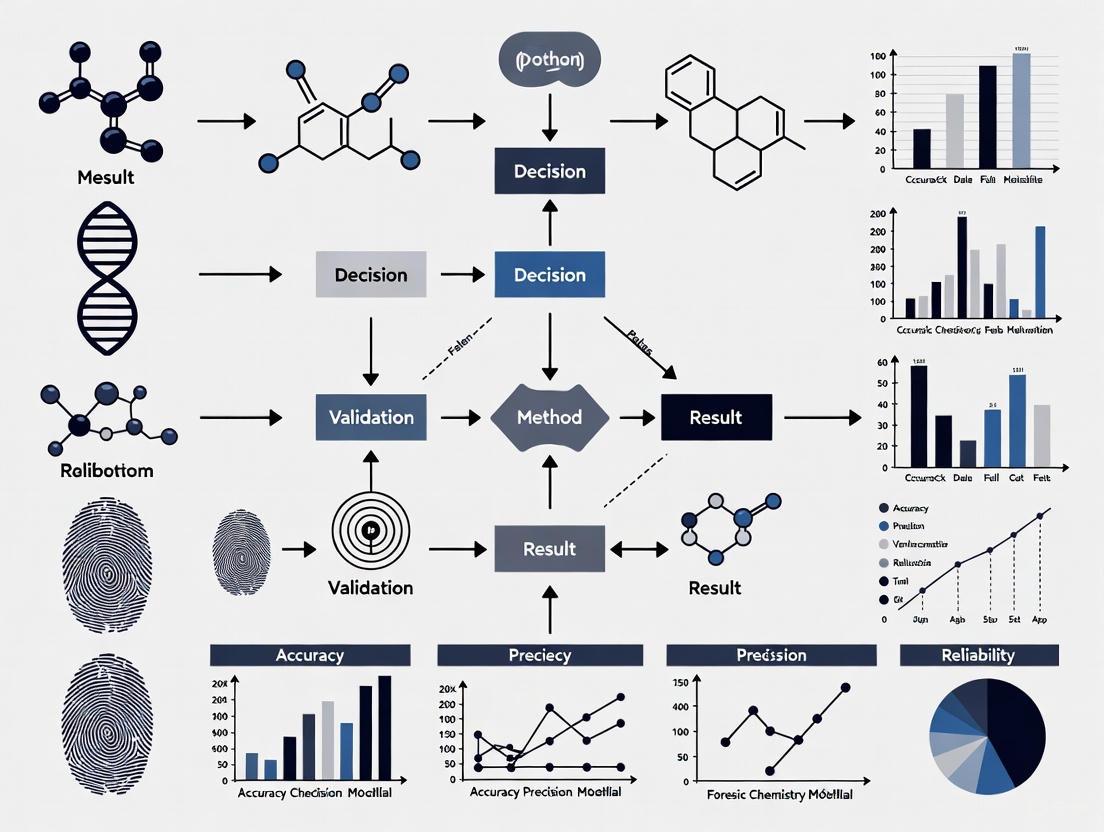
This article explores the transformative collaborative method validation model that is reshaping forensic science.
Collaborative Method Validation in Forensic Laboratories: Boosting Efficiency, Standardization, and Cost-Effectiveness
Abstract
This article explores the transformative collaborative method validation model that is reshaping forensic science. Aimed at researchers, scientists, and laboratory directors, it details how forensic service providers (FSSPs) are moving beyond isolated validation work to create national consortia for sharing data, resources, and standardized methods. The content covers the foundational principles of this approach, provides methodological guidance for implementation through real-world case studies, addresses common troubleshooting and optimization challenges, and presents validation metrics and comparative analyses that demonstrate significant gains in efficiency, cost savings, and data reliability. This model offers a scalable blueprint for improving quality and throughput in resource-constrained environments.
The Paradigm Shift: From Isolated Validation to National Collaboration
In accredited crime laboratories and other Forensic Science Service Providers (FSSPs), method validation is a mandatory, yet traditionally time-consuming and laborious process, particularly when performed independently by an individual laboratory [1]. This application note delineates a paradigm shift from this traditional, isolated approach to a collaborative method validation model. This modern framework encourages FSSPs using the same technology to work cooperatively, enabling the standardization and sharing of common methodologies to drastically increase validation efficiency and implementation speed [1]. The content herein is structured to provide researchers, scientists, and development professionals with a clear understanding of the model's principles, a direct comparison with traditional practices, and detailed protocols for its practical application.
Core Principles: Collaborative vs. Traditional Validation
The foundational principle of the collaborative model is that an FSSP that is first to validate a method incorporating a new technology, platform, or kit is encouraged to publish its work in a recognized peer-reviewed journal [1]. This publication acts as a foundational resource for other laboratories. Subsequently, other FSSPs can conduct a much more abbreviated method verification, rather than a full validation, provided they adhere strictly to the method parameters detailed in the original publication [1]. This process is supported by accreditation standards like ISO/IEC 17025 [1].
The following table contrasts the defining characteristics of the traditional and collaborative validation models.
Table 1: Key Differences Between Traditional and Collaborative Validation Models
| Aspect | Traditional Validation Model | Collaborative Validation Model |
|---|---|---|
| Core Approach | Isolated, performed independently by each FSSP [1]. | Cooperative, with FSSPs working together and sharing data [1]. |
| Resource Expenditure | High cost, time, and labor per laboratory due to redundancy [1]. | Significant cost savings and increased efficiency through shared effort [1]. |
| Method Standardization | Low; leads to similar techniques with minor variations across hundreds of FSSPs [1]. | High; promotes standardization and sharing of best practices [1]. |
| Data & Benchmarking | No common benchmark; results from independent validations cannot be directly compared [1]. | Enables direct cross-comparison of data and provides a benchmark for ongoing quality control [1]. |
| Implementation Pathway | Each FSSP must complete a full validation. | Second-tier FSSPs can perform a verification against a published validation [1]. |
This shift aligns with a broader movement in forensic science toward more objective, transparent, and empirically validated methods based on quantitative measurements and statistical models, moving away from those reliant solely on human perception and subjective judgement [2].
Experimental Protocols for Implementation
Protocol for the Originating Laboratory (Full Collaborative Validation)
This protocol guides a laboratory conducting the initial validation of a method with the intent to share it.
1. Planning and Design:
- Define Scope: Clearly define the method's intended use, including target analytes (e.g., specific seized drugs) and sample types [3].
- Incorporate Standards: Design the validation protocol to incorporate the latest relevant standards from organizations such as SWGDAM or OSAC from the outset [1].
- Plan for Publication: Structure the entire study with the goal of eventual publication in a peer-reviewed journal (e.g., Forensic Science International: Synergy) [1].
2. Experimental Validation Parameters: Systematically assess the following performance characteristics, documenting all procedures and results in detail. The example parameters below are indicative of a seized drug screening method using Gas Chromatography-Mass Spectrometry (GC-MS) [3].
- Selectivity/Specificity: Demonstrate the method's ability to distinguish and identify analytes in the presence of potential interferences.
- Sensitivity (Limit of Detection, LOD): Determine the lowest detectable amount of an analyte. The collaborative model has demonstrated improvements, such as LOD for Cocaine as low as 1 μg/mL compared to 2.5 μg/mL with a conventional method [3].
- Precision: Determine repeatability (intra-day) and reproducibility (inter-day) by analyzing replicates. Report as Relative Standard Deviation (RSD). High-quality validations achieve RSDs <0.25% for stable compounds [3].
- Accuracy: Verify correct identification against certified reference materials or standard databases.
- Robustness: Assess the method's resilience to deliberate, small variations in operational parameters (e.g., temperature programming, flow rate) [3].
3. Data Analysis and Publication:
- Analyze Data: Compile all data from the validation studies.
- Publish Comprehensively: Publish a detailed account of the method, including all instrumentation, parameters, reagents, and validation data to allow for exact replication by other laboratories [1].
Protocol for the Adopting Laboratory (Verification)
This protocol is for a laboratory adopting a method that has been previously validated and published according to the collaborative model.
1. Method Acquisition and Review:
- Obtain the published, peer-reviewed validation study.
- Conduct a thorough review to ensure the method is fit for the laboratory's intended purpose and scope.
2. Verification Experiment:
- Adhere Strictly to Protocol: Source the same instrumentation, reagents, and materials as described in the original publication. Implement the exact method parameters [1].
- Perform Limited Testing: Analyze a representative set of samples, which may include certified reference materials and a subset of real-case samples, to verify that the performance characteristics (e.g., retention times, detection limits, selectivity) match those reported in the original study [1] [3].
- Example: For a rapid GC-MS method, verify the retention time reproducibility and identification accuracy for key substances like heroin and cocaine against the published data [3].
3. Documentation and Reporting:
- Document all verification data, demonstrating that the method performs as expected in the new laboratory setting.
- The verification report should reference the original published validation, which the adopting laboratory reviews and accepts, thereby eliminating the need for redundant method development work [1].
Workflow and Logical Pathway
The following diagram illustrates the streamlined logical pathway of the collaborative validation model, from initial development to final implementation across multiple laboratories.
Successful implementation of the collaborative model relies on both traditional laboratory reagents and modern digital resources that facilitate sharing and standardization.
Table 2: Essential Research Reagents and Resources for Collaborative Validation
| Item / Resource | Function / Purpose |
|---|---|
| Certified Reference Materials (e.g., from Cerilliant, Cayman Chemical) [3] | Provide analytically pure substances for method development, calibration, and accuracy determination. |
| NIST DART-MS Forensics Database [4] | A freely available, evaluated spectral library for over 800 compounds of forensic interest, enabling consistent compound identification across laboratories. |
| NIST/NIJ DART-MS Data Interpretation Tool (DIT) [4] | An open-source, vendor-agnostic software tool for searching and interpreting mass spectral data, promoting standardized data analysis. |
| Standard Operating Procedure (SOP) Templates [4] | Example documentation (e.g., from NIST) for validation plans and SOPs that laboratories can adapt to ensure all critical elements are addressed. |
| Collaborative Working Groups | Forums for FSSPs using the same validated method to share results, monitor performance, and optimize cross-laboratory comparability [1]. |
The collaborative method validation model represents a definitive break from tradition, offering a structured pathway to overcome the inefficiencies and redundancies of isolated validation efforts. By leveraging published data and shared resources, FSSPs can accelerate the implementation of new technologies, reduce operational costs, and enhance the standardization and reliability of forensic science practice. This framework empowers researchers and laboratory professionals to build upon a collective scientific foundation, fostering a more efficient and robust forensic service system.
Forensic science service providers (FSSPs) operate at the critical intersection of science and justice, where the efficiency and reliability of workflows have direct implications for public safety and judicial integrity. A 2014 census of publicly funded forensic crime laboratories revealed a median of just 20 employees per institution, often responsible for managing significant case backlogs [5]. In this resource-constrained environment, optimizing workflows through strategic approaches becomes not merely advantageous but essential. This application note establishes a comprehensive business case for implementing collaborative models and optimized workflows in forensic science, presenting quantified evidence of cost and time savings alongside practical protocols for adoption. The content is specifically framed within the context of a broader thesis on collaborative method validation, demonstrating how standardized approaches can transform forensic laboratory efficiency while maintaining the highest scientific standards required for court-defensible results.
Quantitative Foundations: The Cost of Inefficiency and Value of Optimization
The business case for optimized forensic workflows begins with understanding both the costs of current inefficiencies and the potential savings from evidence-based improvements. The quantitative data below establishes a baseline for evaluating workflow interventions.
Table 1: Quantified Impact of Forensic Analysis Timeliness on Public Safety
| Metric | Value | Significance |
|---|---|---|
| Sexual assaults per year per recidivist offender | 7.1 | [5] |
| Days between offenses for a sexual predator | 51.41 | [5] |
| Average output per DNA analyst (annual cases) | 96-102 | [5] |
| Cases output per analyst per day | 0.4636 | [5] |
| Potential cost savings from solvent substitution | >25% | [6] |
The data in Table 1 reveals a critical relationship between analytical timeliness and public safety. Each day that forensic analysis is delayed represents an opportunity for recidivist offenders to commit additional crimes. With perpetrators committing new offenses every 51.41 days on average, backlog reduction directly translates to crime prevention [5].
Table 2: Economic and Productivity Metrics in Forensic Workflows
| Efficiency Measure | Current Standard | Optimized Potential |
|---|---|---|
| DNA analyst daily output | 0.4636 cases/day | Variable with economies of scale [5] |
| Method validation approach | Individual FSSP independent validation | Collaborative validation with verification [1] |
| Digital evidence processing | Qualitative assessment | Quantitative Bayesian metrics [7] |
| Laboratory design impact | Unquantified | Significant time savings and reduced labor costs [8] |
The Collaborative Validation Model: Framework and Business Case
The traditional model of method validation, where each FSSP independently validates identical methods, represents significant redundant expenditure. The collaborative validation model proposes a paradigm shift toward shared validation resources and standardized protocols.
Conceptual Framework and Workflow
The following diagram illustrates the stark contrast between traditional and collaborative validation approaches, highlighting the redundant resource expenditure in the traditional model:
Business Case Analysis
The collaborative model transforms method validation from a redundant, resource-intensive process into an efficient, shared knowledge resource. When an originating FSSP publishes comprehensive validation data in a peer-reviewed journal, subsequent adopters can perform verifications rather than full validations, reducing resource investment by 60-75% per laboratory [1]. For a technology adopted by 100 FSSPs, this represents a potential savings of 20,000-30,000 personnel hours across the community, dramatically accelerating implementation while maintaining scientific rigor [9].
Implementation Protocols: Collaborative Validation Framework
Protocol 1: Originating Laboratory Validation Process
Purpose: To establish a scientifically robust, publishable validation of a new forensic method that can be adopted by other FSSPs.
Materials and Reagents:
- Standard Reference Materials (SRMs) from NIST [10]
- Appropriate instrumentation and platform-specific reagents
- Quality control materials matching forensic standards
- Documented protocols from standards organizations (OSAC, SWGDAM)
Procedure:
- Method Selection and Planning: Identify technology addressing a forensic need. Form a collaboration with academic institutions where possible to incorporate graduate research [1].
- Validation Design: Develop a validation protocol incorporating all relevant published standards from OSAC and SWGDAM [1].
- Experimental Phase: Conduct studies addressing the following parameters:
- Sensitivity and specificity using standard reference materials
- Reproducibility and repeatability across multiple operators
- Stability and robustness under varying conditions
- Mock casework samples representing typical evidence
- Data Analysis and Documentation: Compile results with statistical analysis. Clearly define all method parameters, including:
- Instrumentation and software versions
- Reagent sources and lot numbers
- Sample preparation protocols
- Data interpretation guidelines
- Peer Review and Publication: Submit complete validation package to a forensic journal such as Forensic Science International: Synergy for peer review [1].
Validation Timeline: 6-9 months for comprehensive validation
Protocol 2: Adopting Laboratory Verification Process
Purpose: To efficiently verify and implement a method previously validated and published by an originating FSSP.
Materials and Reagents:
- Identical instrumentation and software versions as original publication
- Same source reagents and SRMs as used in original validation
- Casework-like samples for verification testing
Procedure:
- Method Assessment: Obtain and review the published validation. Verify that all equipment and reagents match the published method exactly [1].
- Verification Study Design: Design a limited verification study testing key performance claims:
- Conduct a minimum of 3 reproducibility experiments across multiple operators
- Test 20-30 mock casework samples
- Verify sensitivity and specificity claims with standard materials
- Comparative Analysis: Compare results directly with published data. Statistical equivalence should be demonstrated within predefined acceptance criteria.
- Documentation and Reporting: Compile verification report referencing the original publication. Include:
- Demonstration of equivalent instrumentation and reagents
- Verification data showing comparable results
- Any minor adjustments required with justification
- Implementation: Once verification is complete, proceed to competency testing and casework implementation.
Verification Timeline: 4-6 weeks for abbreviated verification
Laboratory Efficiency Optimization: Practical Applications
Beyond methodological validation, significant efficiencies can be gained through optimized laboratory design and workflow management. Studies indicate that proper laboratory design can yield substantial time savings by eliminating hardware and software incompatibilities, automating report generation, and streamlining case management [8].
Digital Forensic Laboratory Design Protocol
Purpose: To establish an efficient, secure digital forensic laboratory configuration that optimizes workflow and reduces operational costs.
Materials and Equipment:
- SalvationDATA Digital Forensic Lab or equivalent integrated system
- Separate evidence storage lockers or locking cabinets
- Surge-protected electrical circuits with backup power
- Ergonomic, adjustable furniture and sufficient workspace (24-48 inches per analyst)
- Soundproofing materials (carpeting, tiled ceilings)
- White noise generators for acoustic privacy
- Network security infrastructure (firewall, VPN, encryption)
Procedure:
- Workflow Zoning: Establish distinct laboratory zones based on security clearance:
- Low-security: Administrative areas and common spaces
- Mid-security: Primary analysis stations
- High-security: Evidence storage and sensitive data discussion areas
- Evidence Handling Protocol: Implement chain of custody maintenance through:
- Secure evidence lockers with access control
- Automated chain of custody documentation where possible
- Separate evidence storage from general laboratory equipment
- Ergonomic Optimization: Configure workspaces to maximize productivity:
- Position monitors away from windows to reduce glare and maintain privacy
- Provide adjustable chairs and desks for extended analysis sessions
- Ensure sufficient lighting for detailed evidence examination
- Security Implementation: Establish comprehensive physical and cybersecurity:
- Install CCTV surveillance and access control systems
- Implement network encryption and firewall protection
- Maintain regular software updates and security patches
Efficiency Gains: Laboratories implementing these design principles report reduced labor costs through big data analysis automation and time savings from streamlined evidence processing [8].
Quantitative Evaluation in Forensic Analysis
The implementation of quantitative evaluation methods represents another frontier for workflow optimization in forensic science. While conventional forensic disciplines like DNA analysis provide random match probabilities of approximately 10⁻⁸, digital forensics has historically lacked analogous quantifiable metrics [7].
Bayesian Analysis Protocol for Digital Evidence
Purpose: To apply quantitative Bayesian methods to digital forensic investigations, providing measurable confidence metrics for investigative findings.
Materials and Software:
- Bayesian network analysis software
- Domain expert panel for likelihood estimation
- Case-specific digital evidence
- Alternative hypothesis framework
Procedure:
- Hypothesis Definition: Establish mutually exclusive and exhaustive hypotheses:
- Prosecution hypothesis (Hₚ)
- Defense hypothesis (Hd)
- Prior Probability Assignment: Assign non-informative priors (0.5/0.5) unless case-specific information justifies informative priors.
- Bayesian Network Construction: Map the relationship between evidence and hypotheses:
- Identify all relevant items of digital evidence
- Establish conditional dependencies between evidence items
- Likelihood Estimation: Survey domain experts to establish conditional probabilities for:
- Probability of evidence given prosecution hypothesis [Pr(E|Hₚ)]
- Probability of evidence given defense hypothesis [Pr(E|Hd)]
- Likelihood Ratio Calculation: Compute the likelihood ratio using the formula:
- LR = [Pr(E|Hₚ)] / [Pr(E|Hd)]
- Sensitivity Analysis: Test result robustness to variations in conditional probabilities.
Interpretation: Likelihood ratios above 10,000 provide "very strong support" for the prosecution hypothesis, as demonstrated in internet auction fraud cases where LRs of 164,000 were obtained [7].
The business case for optimizing forensic workflows is compelling, with demonstrated savings exceeding 25% for specific material substitutions and potentially reducing validation efforts by 60-75% through collaborative approaches [6] [1]. More significantly, efficiency gains directly impact public safety by reducing backlogs that otherwise enable recidivist crime. The protocols presented herein provide a practical roadmap for laboratories to implement these evidence-based improvements while maintaining scientific rigor and legal defensibility. As forensic science continues to evolve toward more quantitative and standardized practices, these optimized workflows will be essential for maximizing the societal value of forensic evidence while operating within constrained public sector budgets.
Research Reagent Solutions
Table 3: Essential Materials for Optimized Forensic Workflows
| Item | Function | Application |
|---|---|---|
| BestSolv Sierra/Delta | Drop-in replacement solvents for fingerprint processing | Cost-saving substitution for Novec solvents in fingerprint development [6] |
| NIST Standard Reference Materials (SRMs) | Reference materials for method validation | Ensuring analytical accuracy and measurement traceability [10] |
| SalvationDATA Digital Forensic Lab | Integrated digital forensic workstation | Streamlined digital evidence processing and case management [8] |
| OSAC-Published Standards | Standardized methods and protocols | Supporting collaborative validation and implementation [10] |
| Bayesian Network Analysis Software | Quantitative evidence evaluation | Calculating likelihood ratios for digital evidence [7] |
The National Technology Validation and Implementation Collaborative (NTVIC) represents a transformative model for advancing forensic science through strategic partnership. Established in 2022, the NTVIC's mission is to facilitate collaboration across the United States on validation, method development, and implementation of forensic technologies [11] [12]. This consortium comprises 13 federal, state, and local government crime laboratory leaders, joined by university researchers and private technology and research companies, creating a multifaceted ecosystem for forensic innovation [11]. The collaborative functions as a response to the critical need for standardized, efficient, and scientifically defensible methods within publicly funded forensic science service providers (FSSPs) and forensic science medical providers (FSMPs) [13].
The NTVIC emerged from recognizing that individual forensic laboratories often lack the resources to independently validate complex new technologies, leading to duplicated efforts and inefficient resource allocation across the judicial system [1]. By creating a structured collaborative framework, the NTVIC enables participating organizations to share resources, expertise, and data, thereby accelerating the implementation of novel forensic methods while maintaining rigorous scientific standards [1]. This national blueprint represents a paradigm shift from isolated validation efforts to a unified approach that elevates forensic practice across jurisdictions through shared minimum standards and best practices [11].
The Collaborative Validation Model: Framework and Business Case
Theoretical Foundation and Operational Framework
The collaborative validation model championed by NTVIC addresses fundamental inefficiencies in traditional forensic method validation. Where individual laboratories historically developed and validated methods independently—often tailoring parameters and procedures to specific jurisdictional needs—the collaborative approach establishes standardized methodologies that can be adopted across multiple laboratories [1]. This framework operates on the principle that while forensic laboratories serve different jurisdictions, they examine common evidence types using similar technologies and methods, creating natural opportunities for standardization and cooperation [1].
The model incorporates a three-phase validation structure that can be distributed across participating organizations:
- Phase One (Developmental Validation): Establishes proof of concept and general procedures, typically conducted by research scientists [1]
- Phase Two (Internal Validation): Conducted by the originating FSSP using forensically relevant samples to establish performance characteristics [1]
- Phase Three (Verification): Performed by subsequent FSSPs that adopt the exact methodology, dramatically reducing implementation time [1]
This distributed approach to validation creates an ecosystem where method development and refinement become collaborative endeavors rather than competitive pursuits, leveraging the collective expertise of participating institutions [1].
Quantitative Business Case and Efficiency Metrics
The business case for collaborative validation demonstrates substantial efficiency gains across multiple dimensions. By sharing validation data and standardizing methodologies, participating laboratories significantly reduce the resource burden associated with implementing new technologies [1].
Table 1: Comparative Analysis of Traditional vs. Collaborative Validation Models
| Validation Component | Traditional Model | Collaborative Model | Efficiency Gain |
|---|---|---|---|
| Method Development Time | 6-12 months | 1-2 months | 75-85% reduction |
| Sample Testing Requirements | 100% performed in-house | 30-40% verification testing | 60-70% reduction |
| Implementation Timeline | 12-18 months | 3-6 months | 65-75% reduction |
| Cost Burden | Full allocation of personnel and resources | Shared across consortium members | 50-60% cost savings |
| Data Comparability | Limited to internal benchmarks | Cross-laboratory comparison enabled | Enhanced reliability |
These efficiency metrics translate to tangible operational benefits, including faster implementation of improved forensic capabilities, reduced backlog of casework, and more consistent results across jurisdictions [1]. The model also creates opportunity for smaller laboratories with limited research and development capacity to implement advanced technologies that would otherwise be beyond their resource constraints [1].
Implementation Protocols: Forensic Investigative Genetic Genealogy (FIGG) Case Study
Experimental Design and Workflow Specifications
The NTVIC's first implemented initiative focused on creating standardized protocols for Forensic Investigative Genetic Genealogy (FIGG) programs, providing an exemplary case study of the collaborative model in practice [11] [14]. FIGG combines genetic testing with traditional genealogical research to generate investigative leads in unsolved violent crimes and cases of unidentified human remains [11]. The technical workflow integrates two complementary components: Forensic Genetic Genealogy (FGG) for developing SNP profiles from forensic evidence, and Investigative Genetic Genealogy (IGG) for genealogical research and analysis [11].
The FIGG experimental protocol requires precise sample handling and analytical procedures:
- Sample Requirements: Biological material collected from crime scenes, including blood, semen, saliva, tissue, bone, hair, touch DNA, or other human components bearing DNA [11]
- Sample Processing: Validated methods must demonstrate successful analysis of forensic samples, with additional testing requirements for mixed samples [11]
- Quality Thresholds: Quantity and quality requirements vary by sample type, with good quality single-source samples requiring less material than degraded samples [11]
- Consumption Considerations: Procedures must address sample consumption, with separate approval required when analysis will consume the entire sample [11]
Quality Assurance and Compliance Framework
The FIGG protocol establishes rigorous quality standards to ensure scientific defensibility. Laboratories conducting FGG must operate within an accredited quality assurance system, though FGG itself currently falls outside the scope of accredited forensic public laboratories [11]. The protocol mandates clearly delineated roles and responsibilities with documented accountability through job descriptions or a RACI matrix (responsible, accountable, consulted, and informed documentation) [11].
Critical compliance requirements include:
- Case Acceptance Criteria: FIGG analysis is restricted to specific case categories, primarily unsolved violent crimes (murder, rape, felony sexual offenses) and unidentified human remains, with additional consideration for crimes presenting substantial threats to public safety [11]
- Investigative Exhaustion: Reasonable investigative efforts must have been pursued and failed unless the crime presents an ongoing threat [11]
- Legal Framework: Memoranda of Understanding (MOUs) must be established between forensic service providers, law enforcement, and prosecutorial agencies prior to conducting FIGG [11]
- Third-Party Protections: Specific protocols govern interactions with third parties identified during genealogical research, emphasizing informed consent and privacy protections [11]
Research Reagent Solutions and Essential Materials
The implementation of advanced forensic methodologies like FIGG requires specialized reagents and materials to ensure reliable, reproducible results. The following table catalogues essential research reagents and their specific functions within the forensic genetic genealogy workflow.
Table 2: Essential Research Reagents for Forensic Genetic Genealogy Applications
| Reagent/Material | Technical Function | Application Specifics |
|---|---|---|
| SNP Sequencing Kits | Generation of single nucleotide polymorphism (SNP) profiles from forensic samples | Enables deliberate search for biologically related individuals through kinship analysis [11] |
| Direct-to-Consumer (DTC) DNA Data Files | Reference comparison files from third parties potentially biologically related to putative perpetrator | May be voluntarily provided for upload to genetic genealogy databases; requires informed consent [11] |
| Genetic Genealogy Database Access | Platform for comparing forensic SNP profiles against voluntarily submitted genetic data | Must comply with database Terms of Service; provides investigative leads through relative matching [11] |
| Buccal Collection Kits | Overt reference sample collection from third parties identified during genealogical research | Enables SNP sequencing for upload and comparison; requires written informed consent [11] |
| Quality Control Materials | Monitoring analytical process performance and ensuring result reliability | Must be incorporated throughout FGG analysis to maintain quality assurance standards [11] |
Data Sharing and Collaborative Governance Protocols
Data Sharing Agreements and Security Frameworks
Effective collaboration within the NTVIC model requires structured mechanisms for data sharing that balance scientific transparency with privacy and security requirements [15]. Formal data sharing agreements established in advance of data transfer ensure all parties—researchers, scientists, administrators, and legal teams—agree on terms, use, transfer, and storage protocols [15]. These agreements typically take the form of Confidential Disclosure Agreements (CDAs) or Non-Disclosure Agreements (NDAs), providing a legal framework for protecting sensitive information [15].
The data sharing protocol incorporates multiple security considerations:
- Operations Security (OPSEC): Systematic process for denying potential adversaries information about capabilities and intentions through identification, control, and protection of sensitive activity evidence [15]
- Information Security (INFOSEC): Protection of information and information systems from unauthorized access, use, disclosure, disruption, modification, or destruction to ensure confidentiality, integrity, and availability [15]
- Platform Selection: Data sharing platforms must align with security requirements, with options including Microsoft OneDrive, Google Drive, Dropbox, and Box, selected based on data type, quantity, and security needs [15]
Ethical Considerations and Human Subjects Protections
The NTVIC framework incorporates rigorous ethical standards, particularly for methodologies involving genetic data. Projects involving human subjects research must comply with requirements outlined in the Common Rule (45 CFR Part 46) when federally funded [15]. Institutional Review Board (IRB) approval is generally required for projects involving interaction or intervention with human subjects where identifiable private information or biological specimens are collected or analyzed [15].
For FIGG applications specifically, ethical protocols include:
- Third-Party Consent: Written informed consent must be obtained from third parties for reference sample collection or upload of existing genetic data to databases [11]
- Covert Collection Restrictions: Covert collection of third-party reference samples requires prior court approval based on demonstrated substantial risk [11]
- Privacy Safeguards: Use of all samples collected for forensic casework must align with genetic genealogy database Terms of Service and privacy protections [11]
The NTVIC model represents a transformative national blueprint for forensic method validation and implementation that addresses systemic inefficiencies while elevating scientific standards across jurisdictions. By creating structured mechanisms for collaboration, data sharing, and standardized protocol development, this consortium enables more rapid adoption of advanced forensic technologies while maintaining scientific rigor and defensibility [11] [1]. The success of initial initiatives like the FIGG validation guidelines demonstrates the practical utility of this approach for complex, emerging forensic methodologies [14].
For researchers and forensic science professionals, the NTVIC framework offers a replicable model for accelerating technology implementation while reducing redundant validation efforts. The collaborative approach enhances standardization across laboratories, improves result comparability, and creates opportunities for smaller laboratories to implement technologies that would otherwise exceed their resource capacity [1]. As forensic technologies continue to advance in complexity and capability, collaborative validation consortia like NTVIC provide an essential infrastructure for ensuring these innovations are implemented efficiently, ethically, and consistently across the forensic science enterprise.
Forensic Science Service Providers (FSSPs) operate in a complex landscape characterized by rapidly advancing technology, increasing methodological complexity, and significant resource constraints [1]. The traditional model of independent method validation creates substantial inefficiencies, with approximately 409 U.S. FSSPs often performing similar validation procedures with only minor modifications [1]. This redundancy represents a significant waste of precious resources that could otherwise be directed toward active casework and innovative research. Simultaneously, the National Institute of Justice (NIJ) has identified key research priorities for Fiscal Year 2025 that emphasize improving forensic science systems, identifying best practices, and supporting foundational applied research [16]. A strategic alignment emerges between these priorities and collaborative scientific approaches that can simultaneously enhance research impact while optimizing resource utilization across the forensic science community.
Collaborative models fundamentally reshape how forensic laboratories approach method validation, technology implementation, and knowledge transfer [1]. By working cooperatively on validation projects, FSSPs performing similar analyses using comparable technology can standardize methodologies, share development costs, and accelerate implementation timelines [12]. This approach directly supports NIJ's research mission to "increase the body of knowledge to guide and inform forensic science policy and practice" while resulting "in the production of useful materials, devices, systems, or methods that have the potential for forensic application" [17]. The collaborative validation model represents a paradigm shift from isolated institutional efforts to coordinated community-driven scientific advancement.
NIJ Research Priority Areas and Collaborative Opportunities
The National Institute of Justice's anticipated research interests for Fiscal Year 2025 present multiple avenues for collaborative engagement across the forensic science community [16]. These priorities reflect both enduring challenges and emerging opportunities in forensic science practice and research.
Analysis of FY 2025 NIJ Research Interests
Table: NIJ FY 2025 Research Priorities Relevant to Forensic Collaboration
| Priority Category | Specific Research Topics | Collaborative Potential |
|---|---|---|
| Research & Evaluation | Social science research on forensic science systems | Multi-site evaluation of implementation barriers |
| Research & Evaluation | Identifying forensic community best practices | Cross-jurisdictional comparison of validation approaches |
| Applied Research | Foundational/applied R&D in forensic sciences | Inter-laboratory validation of novel technologies |
| Research & Evaluation | AI use within the criminal justice system | Shared datasets for algorithm validation |
These priorities share a common thread of requiring diverse perspectives and multi-site participation to produce scientifically robust and generally applicable findings. The emphasis on "social science research and evaluative studies on forensic science systems" specifically invites investigations into how collaborative networks form, operate, and sustain themselves [16]. Similarly, the focus on "research and evaluation projects to identify and inform the forensic community of best practices" naturally aligns with comparative studies across laboratories employing different validation strategies [16].
Strategic Alignment Mapping
Collaborative models directly advance NIJ priorities through several distinct mechanisms:
Accelerating Knowledge Transfer: When originating FSSPs publish validation data in peer-reviewed journals, they communicate technological improvements and allow peer review that supports establishing validity [1]. This process directly creates the "body of knowledge to guide and inform forensic science policy and practice" that NIJ prioritizes [17].
Resource Optimization: Smaller laboratories with limited research capacity can leverage validations conducted by larger or more specialized facilities, reducing the "activation energy" required to implement new technologies [1]. This efficiency enables broader participation in technological advancement across laboratory tiers.
Standardization and Quality Enhancement: Collaborative working groups that share results and monitor parameters optimize direct cross-comparability between FSSPs [1]. This alignment supports the development of consistent best practices across jurisdictions.
The National Technology Validation and Implementation Collaborative (NTVIC) exemplifies this strategic alignment in practice. Established in 2022, this collaborative brings together 13 federal, state, and local government crime laboratory leaders with university researchers and private technology companies to develop validation standards and implementation guidelines for emerging methods like Forensic Investigative Genetic Genealogy (FIGG) [12].
Collaborative Method Validation: Framework and Implementation
The collaborative validation model operates through a structured framework that maintains scientific rigor while distributing workload across participating organizations. This approach transforms validation from an isolated institutional requirement to a community-sourced scientific process.
Core Principles of Collaborative Validation
The foundational principle of collaborative validation is that FSSPs following applicable standards who are first to validate a method incorporating new technology, platform, kit, or reagents should publish their work in recognized peer-reviewed journals [1]. Publication provides objective evidence that method performance is adequate for intended use and meets specified requirements [1]. Subsequent FSSPs can then conduct an abbreviated method validation—a verification—if they adhere strictly to the method parameters provided in the publication [1]. This verification process requires the second FSSP to review and accept the original published data and findings, thereby eliminating significant method development work [1].
This approach is supported by international standards, including ISO/IEC 17025, which permits laboratories to verify methods previously validated by others [18]. The standard states: "When a method has been validated in another organization the forensic unit shall review validation records to ensure that the validation performed was fit for purpose. It is then possible for the forensic unit to only undertake verification for the method to demonstrate that the unit is competent to perform the test/examination" [18].
Three-Phase Validation Model
Collaborative validation occurs across three distinct phases that can be distributed across multiple organizations:
Table: Phases of Collaborative Method Validation
| Validation Phase | Primary Objectives | Typical Lead Organizations | Collaborative Opportunities |
|---|---|---|---|
| Developmental Validation | Proof of concept, general procedures | Research institutions, manufacturers | Literature synthesis, basic research sharing |
| Internal Validation | Establish laboratory-specific parameters | Large reference laboratories, core facilities | Multi-site testing, shared sample exchanges |
| Verification | Demonstrate competency with established methods | Implementing laboratories, small FSSPs | Shared protocols, cross-training, proficiency testing |
Phase One (Developmental Validation) is typically performed at a high level with general procedures and proof of concept, frequently by research scientists and often migrating from non-forensic applications [1]. Publication of this material in peer-reviewed journals is common [1]. This phased approach allows organizations with different resources and expertise to contribute according to their capacities while all participants benefit from the collective output.
Experimental Protocols for Collaborative Validation
Implementing collaborative validation requires structured methodologies to ensure scientific rigor while facilitating multi-site participation. The following protocols provide detailed frameworks for key collaborative activities.
Protocol 1: Inter-Laboratory Method Verification
Purpose: To establish a standardized procedure for verifying a previously validated method across multiple implementing laboratories.
Materials and Reagents:
- Reference standards traceable to national or international standards
- Control materials with characterized properties
- Testing materials representative of typical casework samples
- All reagents specified in the original validation publication
Procedure:
- Documentation Review: Comprehensively review the original validation publication, focusing on methods, materials, acceptance criteria, and limitations.
- Protocol Alignment: Adapt laboratory standard operating procedures to exactly match the published method parameters.
- Pre-Verification Testing: Conduct preliminary tests using control materials to establish baseline performance.
- Blinded Sample Analysis: Analyze a standardized set of blinded samples provided by the originating laboratory or third party.
- Data Comparison: Compare results across participating laboratories using statistical measures of agreement.
- Proficiency Assessment: Implement ongoing proficiency testing as part of quality assurance.
Validation Criteria: Results must fall within established confidence intervals for precision and accuracy defined in the original validation. Inter-laboratory comparison should demonstrate >95% concordance for qualitative methods and statistical equivalence for quantitative methods.
Protocol 2: Multi-Site Validation Data Pooling
Purpose: To combine validation data from multiple laboratories to establish more robust performance characteristics and population statistics.
Data Collection Standards:
- Standardized data formatting using agreed-upon templates
- Complete metadata documentation including instrument conditions, reagent lots, and analyst information
- Uniform statistical analyses specified in the study design phase
Analysis Framework:
- Data Harmonization: Apply consistent data transformation and normalization procedures across all datasets.
- Outlier Assessment: Identify and investigate methodological versus true outliers using predefined criteria.
- Meta-Analysis: Combine results using appropriate random-effects or fixed-effects models depending on heterogeneity.
- Sensitivity Analysis: Evaluate the impact of individual laboratories on overall conclusions.
This protocol enables the creation of larger, more diverse datasets that provide better estimates of method performance across different laboratory environments, instrument platforms, and analyst skill levels [15].
Visualization of Collaborative Validation Workflows
The following diagrams illustrate key processes and relationships in collaborative validation models, created using Graphviz DOT language with specified color palette and contrast requirements.
Collaborative Validation Implementation Pathway
NTVIC Organizational Ecosystem
The Scientist's Toolkit: Research Reagent Solutions for Collaborative Studies
Successful collaborative validation requires careful selection and standardization of reagents and materials across participating laboratories. The following table details essential components for forensic method validation studies.
Table: Essential Research Reagents for Collaborative Forensic Validation Studies
| Reagent/Material | Function in Validation | Standardization Requirements | Collaborative Application |
|---|---|---|---|
| Reference Standards | Calibration and quality control | Traceability to national standards | Cross-laboratory comparability |
| Control Materials | Monitoring analytical performance | Characterized for stability and homogeneity | Inter-laboratory proficiency testing |
| Certified Reference Materials | Method accuracy assessment | Documented uncertainty measurements | Shared between originating and verifying labs |
| Commercial Kits/Reagents | Standardized analytical procedures | Lot-to-lot consistency documentation | Shared procurement for multi-site studies |
| Synthetic DNA Profiles | Bioinformatics validation | Sequence verification and documentation | Shared digital resources |
| Blinded Sample Sets | Method performance evaluation | Homogeneity testing and characterization | Circulation between participating labs |
Data Sharing and Security in Collaborative Research
Effective collaboration requires structured approaches to data sharing that balance accessibility with security and confidentiality. Forensic data often contains multiple layers of confidentiality, including information associated with non-adjudicated casework or identifiable private information from biospecimens [15].
Data Sharing Agreement Framework
Formal data sharing agreements established in advance of data transfer ensure all parties—researchers, scientists, administrators, and legal teams—agree on terms, use, transfer, and storage of data [15]. These agreements typically include:
- General Terms: Legal framework for data protection
- Disclosure Period: Timeframe during which data can be shared
- Disclosure Coordinators: Designated individuals at each institution
- Confidential Information Specification: Precise description of what data is covered
- Purpose Statement: Approved uses for the shared data
The agreement process typically begins with one party initiating a Confidential Disclosure Agreement (CDA) or Non-Disclosure Agreement (NDA) using an institutionally approved template [15]. This undergoes review by both parties' legal departments or sponsored programs offices before being sent to designated signatory authorities for final approval [15].
Data Security and Platform Selection
Collaborative forensic research must implement appropriate data security measures based on data type and confidentiality requirements. Key security frameworks include:
- Operations Security (OPSEC): Systematic process to deny potential adversaries information about capabilities and intentions by identifying, controlling, and protecting generally unclassified evidence [15]
- Information Security (INFOSEC): Protection of information and information systems from unauthorized access, use, disclosure, disruption, modification, or destruction [15]
Platform selection for data sharing should consider data type, quantity, and security requirements. Common platforms include Microsoft OneDrive, Google Drive, Dropbox, and Box for file sharing, and Microsoft Teams, Slack, or Discord for collaborative communication [15]. The simplest method that meets security requirements is typically preferred.
Collaborative models represent a transformative approach to forensic method validation that directly supports NIJ's research priorities by enhancing efficiency, standardization, and knowledge transfer across the forensic science community. By working cooperatively, FSSPs can accelerate the implementation of new technologies, reduce redundant validation efforts, and create more robust performance data through multi-site studies [1]. The emerging framework of organizations like the National Technology Validation and Implementation Collaborative demonstrates the practical application of this model [12].
As forensic science continues to evolve with technological advancements in areas like genetic genealogy, artificial intelligence, and rapid DNA analysis, collaborative approaches will become increasingly essential for maintaining scientific rigor while maximizing limited resources. The strategic alignment between collaborative validation models and NIJ research priorities creates a powerful synergy that advances forensic science as a discipline while enhancing its capacity to serve the criminal justice system.
The escalating complexity of forensic analyses, from seized drug screening to taphonomy studies, demands rigorous, reliable, and efficient methodological processes. The collaborative method validation model presents a transformative framework for Forensic Science Service Providers (FSSPs). This paradigm shifts away from isolated, redundant validations towards a cooperative approach where laboratories performing the same tasks using the same technology work together to standardize methods and share data [1]. This model is foundational to a modern forensic science ethos, strengthening scientific validity, conserving resources, and ensuring that methods meet the stringent admissibility standards required by court systems, such as the Daubert standard [19]. The core principles of Standardization, Data Sharing, and Peer Review are interwoven pillars that support this collaborative framework, enabling forensic laboratories to keep pace with technological advancement while maintaining the highest levels of quality and scientific integrity.
The Pillars of Collaborative Method Validation
Standardization
Standardization ensures that methods are fit for purpose, scientifically sound, and produce reliable, repeatable results across different laboratories and jurisdictions. In a collaborative model, the originating FSSP develops a method using robust, well-designed validation protocols that incorporate relevant published standards from organizations such as SWGDAM or OSAC [1]. This initial, thorough validation provides a benchmark for the entire community.
- Efficiency and Direct Comparability: When subsequent FSSPs adopt the exact instrumentation, procedures, reagents, and parameters of the published method, they can perform an abbreviated verification process instead of a full validation [1]. This eliminates significant method development work and, crucially, enables direct cross-comparison of data between laboratories, fostering ongoing methodological improvements and inter-laboratory consistency.
- Meeting Legal and Accreditation Standards: Standardization is critical for satisfying legal criteria for the admissibility of scientific evidence. Methods must be broadly accepted in the scientific community and reliably applied [1]. Furthermore, accreditation to standards such as ISO/IEC 17025 requires that all methods be validated prior to use on casework, and the concept of verification based on a prior validation is an accepted practice within these requirements [1].
Data Sharing
Data sharing is the mechanism that makes collaborative validation possible. It involves the proactive deposition and publication of method validation data, making it accessible to the wider forensic science community.
- Publication and Dissemination: Originating FSSPs are encouraged to publish their complete validation data in recognized, peer-reviewed journals, often in an open-access format to ensure broad dissemination [1]. This practice communicates technological improvements and allows for scrutiny by peers.
- FAIR Data Principles: To promote true reproducibility and reuse, shared data should adhere to the FAIR principles—being Findable, Accessible, Interoperable, and Reusable [20]. Depositing datasets in appropriate, discipline-specific repositories with persistent identifiers (e.g., DOIs) is a best practice that supports this principle. For example, spectral data can be shared via MassBank, and crystallographic data via the Cambridge Structural Database (CSD) [20].
- Benefits for Laboratories of All Sizes: Data sharing democratizes access to advanced methodologies. Smaller FSSPs with limited resources can leverage the expertise and validation work of larger entities, reducing the "activation energy" required to implement new technology [1].
Peer Review
Peer review acts as the quality control mechanism for both published method validations and the scientific data presented in court. It provides objective, expert assessment to ensure that methods, data, and conclusions are sound.
- Pre-Publication Scrutiny: The peer-review process for journal articles containing method validations involves critical evaluation by independent experts. This review assesses the experimental design, data analysis, and conclusions, ensuring the validation is comprehensive and the method is truly fit for its intended purpose [1].
- Supporting Legal Admissibility: Peer-reviewed publications contribute significantly to satisfying Daubert criteria, which require that expert testimony be based on methods derived from reliable principles and methods [19]. The existence of peer-reviewed publication demonstrates that the method has been subjected to scientific scrutiny beyond the originating laboratory.
The synergistic relationship between these three pillars is illustrated in the workflow below.
Application in Forensic Research: Case Studies
Case Study 1: Rapid GC-MS for Seized Drug Analysis
A recent study developed and optimized a rapid Gas Chromatography-Mass Spectrometry (GC-MS) method for screening seized drugs, reducing the total analysis time from 30 minutes to 10 minutes while improving detection limits [3]. This study serves as an exemplary model of the collaborative validation principles in action.
- Systematic Validation: The method underwent a comprehensive validation protocol assessing repeatability, reproducibility, accuracy, detection limits, and carryover, following established forensic guidelines [3].
- Application to Real Casework: The validated method was successfully applied to 20 real case samples from the Dubai Police Forensic Labs, accurately identifying diverse drug classes including synthetic opioids and stimulants [3]. The quantitative data from this validation are summarized in the table below.
Table 1: Quantitative Validation Data for Rapid GC-MS Method in Seized Drug Analysis [3]
| Performance Characteristic | Result / Value | Comparative Benchmark |
|---|---|---|
| Total Analysis Time | 10 minutes | 30 minutes (conventional method) |
| Limit of Detection (LOD) for Cocaine | 1 μg/mL | 2.5 μg/mL (conventional method) |
| LOD Improvement for Key Substances | At least 50% improvement | Conventional method baseline |
| Repeatability & Reproducibility (RSD) | < 0.25% for stable compounds | Method-dependent |
| Match Quality Score (Real Samples) | Consistently > 90% | Method-dependent |
Experimental Protocol: Rapid GC-MS Method Validation
Title: Protocol for the Development and Validation of a Rapid GC-MS Method for Seized Drug Screening.
1. Instrumentation and Materials:
- GC-MS System: Agilent 7890B GC connected to 5977A MSD [3].
- Column: Agilent J&W DB-5 ms (30 m × 0.25 mm × 0.25 μm) [3].
- Carrier Gas: Helium, 99.999% purity, fixed flow rate of 2 mL/min [3].
- Test Solutions: Custom mixtures prepared in methanol (approx. 0.05 mg/mL per compound) including Tramadol, Cocaine, Heroin, MDMA, synthetic cannabinoids, and others [3].
2. Method Development and Optimization:
- The temperature program and flow rate were optimized via a trial-and-error process using the general analysis mixtures to achieve peak resolution and the 10-minute runtime [3].
- The final method parameters are proprietary to the study but involved advanced temperature programming [3].
3. Validation Procedure:
- Selectivity: Investigate by injecting extracted sample to demonstrate absence of interference from the matrix at the retention time of the analyte [21].
- Linearity: Prepare standard solutions at a minimum of six concentration levels (e.g., 25-200% of target). Analyze replicates at each level. Calculate regression equation and correlation coefficient (r). Acceptance criteria: r ≥ 0.997 for active ingredients [21].
- Accuracy: Prepare spiked samples at three concentrations over the range (e.g., 50%, 100%, 150% of target). Analyze replicates and calculate percent recovery. Acceptance criteria: mean recovery within 90-110% of theoretical value [21].
- Precision (Repeatability): Analyze ten replicates from a single sample solution at the target level. Calculate the Relative Standard Deviation (RSD) of the results. Acceptance criteria: RSD ≤ 2% for drug products [21].
- Limit of Detection (LOD) and Quantitation (LOQ): Determine the lowest concentration yielding a signal-to-noise ratio of 3:1 for LOD and 10:1 for LOQ, with LOQ also demonstrating an RSD of approximately 10% for six replicates [21].
- Robustness/Ruggedness: Demonstrate intermediate precision by having two analysts using two instruments on different days evaluate samples. Acceptance criteria: RSD between operators and instruments ≤ 2% [21].
4. Application to Case Samples:
- Extraction (Solid Samples): Grind tablet/capsule to powder. Add ~0.1 g to 1 mL methanol, sonicate for 5 min, centrifuge, and transfer supernatant to GC vial [3].
- Extraction (Trace Samples): Swab surfaces with methanol-moistened swab. Immerse swab tip in 1 mL methanol, vortex, and transfer extract to GC vial [3].
- Analysis: Analyze all extracts using the validated rapid GC-MS method and compare identifications and quality scores to a conventional method [3].
Case Study 2: Forensic Taphonomy Decomposition Studies
Forensic taphonomy, the study of post-mortem changes, faces significant challenges in standardization to satisfy Daubert criteria. The field has moved towards quantification to reduce observer variability, but debates persist regarding experimental design, such as the use of human versus animal analogues [19].
- The Model Organism Debate: While human donors are the ideal subject, their use is restricted by ethical and legal constraints. Pigs (Sus scrofa domesticus) have emerged as the preferred model organism due to anatomical and physiological similarities, including skin structure, body fat percentage, and being monogastric omnivores [19].
- Standardization of Experimental Design: To ensure data is applicable to real forensic cases, studies must be designed with forensic realism. This includes using single, clothed, uncaged carcasses to reflect regionally specific casework and to account for the effects of scavengers [19]. A suite of standardized design aspects is recommended for systematic data collection across different environments [19].
Table 2: Key Considerations for Standardizing Taphonomic Experimental Design [19]
| Experimental Factor | Recommended Best Practice | Rationale |
|---|---|---|
| Subject Type | Pigs as a proxy, with validation from human donors where available. | Anatomical similarities; addresses ethical/logistical hurdles of human subjects. |
| Subject Presentation | Single, clothed, uncaged carcasses. | Maximizes forensic realism by reflecting typical homicide scenarios and allowing for scavenger access. |
| Data Collection | Quantitative measurements using standardized protocols. | Reduces inter-observer variability, satisfies Daubert criteria for scientific rigor. |
| Geographical Replication | Studies in multiple, varied biogeographic circumstances. | Facilitates independent global validation of decomposition patterns. |
Experimental Protocol: Establishing a Taphonomic Decomposition Baseline
Title: Protocol for a Baseline Forensic Taphonomy Study Using Animal Analogues.
1. Experimental Site and Carcass Preparation:
- Select a study site that is secure and representative of local biogeoclimatic conditions [19].
- Obtain juvenile pig carcasses of similar mass. Clothing each carcass in standardized, natural fiber garments (e.g., 100% cotton t-shirt) [19].
- Place carcasses on the soil surface in a prone position, without caging, to allow for full scavenger access and natural decomposition processes [19].
2. Data Collection Schedule and Metrics:
- Total Body Score (TBS): Document standardized quantitative scores daily for the first week, then weekly thereafter. Scoring should cover distinct body regions (head, trunk, limbs) for decompositional changes including color, bloat, marbling, and purge fluid [19].
- Environmental Data: Log temperature, humidity, and precipitation at the site daily. Soil temperature and pH should be recorded at regular intervals.
- Photographic Documentation: Take high-resolution, color-calibrated photographs from fixed points and distances at each scoring interval to create a permanent visual record [19].
- Faunal Activity: Document presence and activity of insects and scavengers.
3. Data Sharing and Repository:
- All raw quantitative data (TBS, temperature), metadata (carcass mass, clothing type), and calibrated photographs should be compiled.
- Data should be deposited in an appropriate generalist or institutional repository in machine-readable formats (e.g., .csv for data, .tiff for images) to ensure FAIR principles are met [20].
The logical flow of a taphonomy study, from design to data sharing, is depicted below.
The Scientist's Toolkit: Research Reagent Solutions
The implementation of standardized and validated methods relies on a suite of essential materials and reagents. The following table details key items used in the featured experiments and their broader application in forensic research.
Table 3: Essential Research Reagents and Materials for Forensic Method Development and Validation
| Item / Reagent | Function / Application | Example in Context |
|---|---|---|
| DB-5 ms GC Column | A low-polarity, general-purpose chromatography column used for the separation of a wide range of organic compounds. | The 30m DB-5 ms column was central to the rapid GC-MS method for seized drug analysis, enabling the separation of diverse drug classes within 10 minutes [3]. |
| Certified Reference Materials (CRMs) | Highly pure, characterized substances used to calibrate instruments, validate methods, and ensure accuracy and traceability of results. | Used in the GC-MS study to prepare accurate test solutions for method development and to assess accuracy during validation [3] [21]. |
| Stable Isotope-Labeled Internal Standards | Analytes with identical chemical properties but different mass, used in mass spectrometry to correct for sample loss and matrix effects. | Critical for quantitative LC-MS/MS or GC-MS analyses of drugs in biological matrices, improving precision and accuracy. |
| Proteinase K | A broad-spectrum serine protease used in forensic DNA extraction to digest proteins and degrade nucleases, freeing DNA. | A standard reagent in DNA extraction kits for processing challenging samples like bone, tissue, and degraded blood stains. |
| Methanol (HPLC/GC-MS Grade) | A high-purity solvent used for sample dissolution, dilution, and liquid-liquid extraction procedures. | Used as the extraction solvent for both solid and trace drug samples in the rapid GC-MS protocol [3]. |
| Solid Phase Extraction (SPE) Cartridges | Devices containing a sorbent to selectively isolate and concentrate analytes from complex liquid samples, purifying them for analysis. | Commonly used to extract and clean up drugs, pesticides, or toxins from biological fluids like blood or urine prior to instrumental analysis. |
Building the Framework: A Step-by-Step Guide to Collaborative Validation
In forensic science, the traditional model of individual laboratories independently validating methods is a significant source of inefficiency, leading to redundant expenditure of time, resources, and expertise [1]. A collaborative method validation model presents a transformative alternative, enabling Forensic Science Service Providers (FSSPs) to work together to standardize methodologies, share data, and increase overall efficiency [1]. The establishment of a structured collaborative working group is critical to this model's success. Effective collaboration requires a formal governance structure to ensure that all participants, including government crime laboratories, academic researchers, and private technology companies, can work together effectively towards the common goal of developing and validating robust forensic methods [12] [15]. This document outlines application notes and protocols for creating and maintaining such a collaborative working group, framed within a broader thesis on advancing forensic laboratory research through collaborative validation models.
Core Governance Framework
A collaborative working group requires a formal structure to define roles, processes, and interactions. The governance model should integrate broad conceptual frameworks [22] [23] with the specific needs of forensic science research and development [15].
Table 1: Core Components of a Collaborative Governance Model
| Component | Description | Key Considerations for Forensic Collaborations |
|---|---|---|
| Stakeholder Identification & Mapping | Identify relevant stakeholders with a vested interest or expertise [24]. | Include federal, state, and local government crime labs, university researchers, and private technology companies [12]. Map based on influence, resources, and forensic domain expertise. |
| Formation of Collaborative Structures | Establish a governance structure that enables coordination and decision-making [24]. | Form steering committees, technical working groups (e.g., for DNA, digital forensics), and administrative task forces [12]. |
| Shared Vision & Goals Setting | Develop a shared vision and common goals that reflect collective priorities [24]. | Goals may include standardizing methodologies, sharing validation data, and elevating quality standards across laboratories [1] [12]. |
| Decision-Making Processes | Define processes that promote collaborative leadership and accountability [24]. | Aim for consensus-oriented and deliberative processes [23]. Define criteria for decision-making, including transparency and inclusivity. |
| Communication & Information-Sharing | Implement channels for sharing information, updates, and feedback [24]. | Use secure, approved platforms (e.g., Microsoft OneDrive) and establish clear data sharing agreements (DSAs) and Non-Disclosure Agreements (NDAs) [15]. |
| Conflict Resolution Mechanisms | Develop mechanisms for managing conflicts and resolving disagreements [24]. | Provide for mediation or facilitated dialogue to find mutually acceptable solutions, acknowledging potential power imbalances [22] [23]. |
| Resource Mobilization & Allocation | Identify and mobilize financial, human, and technical resources [24]. | Pool resources from multiple sectors to maximize efficiency. Allocate equitably to ensure meaningful participation from all parties, including smaller labs [1] [24]. |
| Monitoring, Evaluation & Learning | Establish mechanisms for monitoring progress and evaluating outcomes [24]. | Use data and feedback to assess effectiveness, identify improvements, and inform future actions. Publish results to contribute to the broader forensic science knowledge base [1] [15]. |
The collaborative process is cyclical and iterative, fostering ongoing trust, commitment, and shared ownership of outcomes among stakeholders [22]. The National Technology Validation and Implementation Collaborative (NTVIC) serves as a successful real-world example of this model, comprising 13 federal, state, and local government crime laboratories, university researchers, and private companies to develop guidelines for Forensic Investigative Genetic Genealogy (FIGG) [12].
Experimental Protocols for Collaborative Method Validation
The following protocols provide a detailed methodology for conducting a collaborative validation study, from initial planning to final publication. These protocols ensure the validation is fit-for-purpose and meets accreditation standards such as ISO/IEC 17025 [18].
Protocol: Collaborative Validation Master Plan
Objective: To define the end-user requirements, scope, and acceptance criteria for the new method through a collaborative consensus process. Materials: Draft standard operating procedure (SOP) for the method; relevant accreditation standards (e.g., ISO/IEC 17025); communication platform. Procedure:
- Constitute a Technical Working Group: Assemble representatives from each participating laboratory with expertise in the relevant forensic discipline [1].
- Define End-User Requirements: Collaboratively draft a document capturing what the method must reliably do. This includes:
- Functional Requirements: The specific tasks the method must perform (e.g., extract DNA from touch samples, recover specific file types from a mobile device).
- Inputs and Outputs: The type of evidence input and the required form of the result [18].
- Constraints: Any limitations on time, cost, or sample consumption [18].
- Draft the Standard Operating Procedure (SOP): Based on the requirements, develop a unified, detailed SOP that all participating laboratories commit to following without modification. This is critical for direct cross-comparison of data [1].
- Perform a Risk Assessment: Identify potential points of failure or error in the method and define controls to mitigate these risks [18].
- Set Acceptance Criteria: Define objective, measurable metrics that will demonstrate the method is fit-for-purpose (e.g., limit of detection, precision, accuracy, specificity) [18].
- Develop the Validation Plan: Create a master plan detailing the experimental design, number and type of samples, data analysis methods, and roles and responsibilities for each participating laboratory.
Protocol: Verification of a Published Method
Objective: To allow a laboratory (the "verifying lab") to adopt a method that has been previously validated and published by another laboratory (the "originating lab") [1] [18]. Materials: Peer-reviewed publication of the original validation study; full validation report from the originating lab (if available via data sharing agreement). Procedure:
- Review Published Validation Data: The verifying lab must critically assess the original validation data against its own end-user requirements and accreditation standards. The review must confirm that the original study robustly tested the method [18].
- Conduct a Verification Study: The verifying lab performs a subset of the original validation experiments to demonstrate competence in performing the method. This is not a full re-validation [1] [18].
- Compare Results: The verifying lab compares its results to the benchmark data from the originating lab. This acts as an inter-laboratory study, adding to the body of knowledge and supporting the method's validity [1].
- Document and Report: Document the review of the original data and the results of the verification study. The final report should state that the method has been successfully verified and is now implemented for casework.
The Scientist's Toolkit: Research Reagent Solutions
Collaborative research in forensics involves both administrative and technical tools to ensure secure and effective cooperation.
Table 2: Essential Materials for Collaborative Forensic Research
| Item / Solution | Function in Collaborative Research |
|---|---|
| Data Sharing Agreement (DSA) | A legal framework, often under an NDA, that defines the terms, use, transfer, and storage of confidential data, ensuring ethical and confidential use by all collaborators [15]. |
| Institutional Review Board (IRB) Approval | Ensures that research involving human subjects or identifiable private information (e.g., genetic data, fingerprints) adheres to ethical standards and federal regulations (Common Rule) [15]. |
| Non-Disclosure Agreement (NDA) | Protects sensitive information and intellectual property shared between institutions during the collaboration [15]. |
| Secure Data Sharing Platform | Cloud-based services (e.g., Microsoft OneDrive, Box) that enable the transfer of large datasets while meeting institutional security requirements for data confidentiality [15]. |
| Operations Security (OPSEC) | A systematic process to deny potential adversaries information about capabilities and intentions by identifying, controlling, and protecting evidence of sensitive activities [15]. |
| Information Security (INFOSEC) | The protection of information and systems from unauthorized access or destruction to provide confidentiality, integrity, and availability—a critical practice when handling forensic data [15]. |
| Standard Operating Procedure (SOP) | A unified, detailed written method that all collaborating laboratories adhere to strictly, which is the foundation for direct cross-comparison of data and collaborative validation [1] [18]. |
| External Proficiency Test | Commercially available tests that allow multiple laboratories to analyze the same samples, enabling inter-laboratory comparison of performance and identifying systematic problems [25]. |
Workflow Visualization of Collaborative Validation
The following diagram illustrates the logical workflow and decision points in establishing a collaborative working group and executing a validation project.
Collaborative Method Validation Workflow
The establishment of a formally governed collaborative working group is a powerful strategy for advancing forensic science. It moves the community away from wasteful redundancy and toward a model of shared efficiency, standardized excellence, and accelerated innovation [1]. By adhering to a structured governance framework with clear roles, shared goals, and robust communication protocols, researchers and scientists can effectively pool resources and expertise. The detailed protocols for collaborative validation and verification provide a clear path for laboratories to implement new technologies more rapidly and reliably. Ultimately, this collaborative model, supported by secure data sharing and a commitment to publication, strengthens the scientific foundation of forensic evidence and enhances its reliability within the justice system.
The National Technology Validation and Implementation Collaborative (NTVIC) represents a transformative approach to technology adoption in forensic science, established to address the significant resource burdens associated with traditional method validation. Founded in 2022, the NTVIC comprises federal, state, and local government crime laboratory leaders joined by university researchers and private technology companies with a mission to "share resources and strategies to rapidly implement technology and new methods into publicly funded forensic science service provider (FSSP) and forensic science medical provider (FSMP) facilities in a scientifically sound and defensible manner" [26]. This collaborative model directly addresses the inefficiencies of the traditional validation approach where "409 US FSSPs each perform similar techniques with minor differences," creating "a tremendous waste of resources in redundancy" [1].
The collaborative validation framework enables multiple laboratories to pool resources, expertise, and data to accelerate the implementation of emerging technologies while maintaining scientific rigor and defensibility. This approach is particularly valuable for complex technologies like firearms 3D imaging systems, where individual laboratories may lack the specialized expertise, reference materials, or statistical resources to conduct comprehensive validations independently. For firearms identification, which has traditionally relied on visual microscopic comparisons, the implementation of 3D imaging technologies represents a significant advancement toward "increased accuracy of ballistics toolmark identification processes and digitized information adds statistical robustness and reduces human error associated with the legal process" [27].
NTVIC Operational Framework
Organizational Structure and Governance
The NTVIC operates through a structured framework designed to maximize collaboration while maintaining scientific integrity:
- Steering Group: Composed primarily of federal, state, and large local laboratory directors who provide overall direction and prioritization for validation projects [26]
- Technology Validation Working Groups (TVWGs): Subject-specific committees formed for each technology platform, comprising interested member participants and contributors who lead the technical validation work [26]
- Subcommittees: Focused groups addressing specific aspects such as training, policy development, terminology, and technical considerations for each technology [26]
Participants in NTVIC working groups sign a Memorandum of Agreement committing to participate in good faith and contribute resources to the collaborative [26]. This formal commitment ensures active engagement from all participating institutions and clarifies responsibilities throughout the validation process.
Project Selection and Methodology
The NTVIC follows a rigorous methodology for technology validation:
- Technology Assessment: Evaluation of emerging technologies for potential forensic application based on operational needs, technological readiness, and implementation feasibility
- Validation Planning: Development of comprehensive validation protocols incorporating relevant published standards from organizations such as OSAC and SWGDAM [1]
- Resource Pooling: Coordination of equipment, expertise, and sample materials across participating laboratories to create robust validation datasets
- Documentation and Publication: Peer-reviewed publication of validation studies to enable external scrutiny and provide implementation resources for the broader forensic community [26]
This structured approach ensures that validations conducted through the NTVIC framework meet the highest standards of scientific rigor while efficiently utilizing collective resources.
Application to Firearms 3D Imaging Technologies
Technological Foundations
Firearms 3D imaging systems represent a paradigm shift in toolmark identification, moving from qualitative visual comparisons to quantitative topographic analysis. These systems employ various scientific principles to capture high-resolution three-dimensional data from ballistic evidence:
- Focus-Variation Microscopy: Uses optical sectioning to capture topographical data by detecting the focus position at each measurement point [28]
- Confocal Microscopy: Employs spatial pinholes to eliminate out-of-focus light, enabling high-resolution imaging of surface topography [28]
- Point Laser Profilometry: Utilizes laser triangulation to measure surface height variations point-by-point with high accuracy [28]
- Vertical Scanning Interferometry: Measures phase shifts in interference patterns to generate precise surface height maps with nanometer-scale resolution [28]
A comparative pilot study of these technologies identified focus-variation microscopy as "the most promising approach for a forensic laboratory instrument, in terms of functionality and 3D imaging performance" [28]. This assessment considered factors including resolution, measurement speed, ease of use, and suitability for forensic laboratory environments.
Quantitative System Performance Metrics
Table 1: Comparative Performance Metrics for 3D Imaging Technologies in Firearms Identification
| Technology | Vertical Resolution | Lateral Resolution | Measurement Speed | Forensic Suitability Score |
|---|---|---|---|---|
| Focus-Variation Microscopy | 0.5 μm | 1.0 μm | Medium | High |
| Confocal Microscopy | 0.01 μm | 0.2 μm | Slow | Medium |
| Point Laser Profilometry | 0.1 μm | 5.0 μm | Fast | Medium |
| Vertical Scanning Interferometry | 0.001 μm | 0.5 μm | Very Slow | Low |
Note: Metrics based on standardized evaluation using NIST standard bullet reference material [28]
Experimental Validation Framework
The validation of 3D imaging systems for firearms identification requires a comprehensive approach addressing multiple performance dimensions:
- Reference Standards: Utilization of standardized reference materials including the NIST 'standard bullet' to ensure evaluation represents practical examination of ballistic samples [28]
- Repeatability and Reproducibility: Assessment of measurement consistency across multiple operators, instruments, and laboratory environments
- Discrimination Capability: Evaluation of the system's ability to distinguish between toolmarks from different sources while correctly associating marks from the same source
- Traceability: Establishment of measurement traceability to national or international standards to ensure legal defensibility
The working group's validation approach incorporates stress testing of the methods using challenging samples that represent the full range of evidentiary materials encountered in casework [18].
Research Reagent Solutions and Essential Materials
Table 2: Essential Research Materials for Firearms 3D Imaging Validation
| Material/Reagent | Function | Application in Validation |
|---|---|---|
| NIST Standard Bullet | Reference material with known topography | System calibration and performance benchmarking [28] |
| Certified Cartridge Cases | Standardized toolmark sources | Repeatability and reproducibility studies |
| Degraded Ballistic Samples | Challenged evidence simulants | Testing performance limits with suboptimal evidence |
| Certified Roughness Specimens | Surface texture standards | Quantifying measurement accuracy and precision |
| Cleaning Solutions (e.g., Haemo-sol, Oxi-Clean) | Evidence preparation | Standardization of pre-imaging processing protocols [29] |
| Corrosion Removal Agents (e.g., Evapo-rust) | Surface restoration | Testing imaging performance on forensically relevant modified surfaces [29] |
Experimental Protocols
Protocol 1: System Performance Verification
Purpose: To verify that 3D imaging systems meet specified performance metrics before proceeding to forensic validation studies.
Materials:
- NIST Standard Bullet (SRM 2460/2461)
- Certified roughness specimens
- Class A volumetric glassware (if applicable for any wet preparation)
- Standard cleaning solutions (Haemo-sol, Oxi-Clean) [29]
Procedure:
- System Calibration: Perform daily calibration using NIST traceable standards according to manufacturer specifications
- Resolution Verification: Image NIST standard bullet features and compare measured dimensions to certified values
- Accuracy Assessment: Measure certified roughness specimens and calculate percentage deviation from reference values
- Repeatability Testing: Acquire ten consecutive images of the same bullet land impression and calculate coefficient of variation for critical parameters
- Documentation: Record all measurements, environmental conditions, and any deviations from protocol
Acceptance Criteria: All measured parameters must be within 5% of reference values with coefficient of variation <2% for repeatability measurements.
Protocol 2: Comparative Toolmark Discrimination Study
Purpose: To evaluate the discrimination capability of 3D imaging systems compared to traditional microscopy.
Materials:
- 50 cartridge cases fired from 10 different firearms (5 cases per firearm)
- Traditional comparison microscope
- 3D imaging system (e.g., focus-variation microscope)
- Statistical analysis software
Procedure:
- Sample Preparation: Clean all cartridge cases using standardized protocol (e.g., ultrasonic cleaner with specified solutions) [29]
- Blinded Coding: Assign random codes to all samples to ensure blinded analysis
- Traditional Microscopy: Experienced examiners conduct comparisons using traditional microscopy and document conclusions
- 3D Imaging Analysis: Acquire 3D topographical data from all samples and perform quantitative comparisons using correlation algorithms
- Data Analysis: Calculate false positive and false negative rates for both methods using ground truth data
- Statistical Comparison: Perform receiver operating characteristic (ROC) analysis to compare discrimination capability
Validation Metrics: Discrimination accuracy, false positive rate, false negative rate, statistical confidence values.
Data Analysis and Interpretation Framework
Quantitative Topography Analysis
The implementation of 3D imaging systems enables quantitative analysis of toolmark topography that was previously limited to qualitative assessment:
- Cross-Correlation Analysis: Calculation of normalized cross-correlation coefficients between toolmark pairs to generate quantitative similarity metrics
- Topographical Parameter Extraction: Measurement of specific topographic features including depth, width, curvature, and spatial distribution of characteristic marks
- Statistical Pattern Recognition: Application of multivariate statistical methods to classify toolmarks based on multiple topographic parameters
This quantitative framework enables the calculation of likelihood ratios for toolmark associations, providing a statistically robust foundation for evaluative reporting.
Validation Data Reporting Standards
Table 3: Essential Validation Metrics for Firearms 3D Imaging Systems
| Validation Parameter | Target Performance Metric | Statistical Measure |
|---|---|---|
| Repeatability | CV < 2% | Coefficient of variation |
| Reproducibility | CV < 5% | Coefficient of variation |
| Discrimination Accuracy | > 95% | ROC AUC |
| False Positive Rate | < 1% | Proportion of incorrect associations |
| Measurement Traceability | Deviation < 3% | Percentage difference from NIST standard |
| System Robustness | > 90% success rate | Percentage of successful measurements across sample types |
Implementation and Technology Transfer
Implementation Framework
The NTVIC framework facilitates efficient technology transfer through standardized implementation packages:
- Procurement Documentation: Standardized specifications for equipment acquisition to ensure consistency across laboratories [26]
- Performance Verification Protocols: Abbreviated validation protocols for laboratories adopting previously validated technologies [26] [1]
- Training Programs: Comprehensive training materials and competency assessment tools for laboratory personnel [26]
- Quality Assurance Framework: Standard operating procedures, quality control requirements, and proficiency testing schemes [26]
This comprehensive approach reduces the implementation timeline for new technologies from years to months while ensuring scientific defensibility.
Diagram: NTVIC Collaborative Validation Workflow
Collaborative Workflow: The NTVIC validation process from technology identification through implementation.
The NTVIC's collaborative framework for validating firearms 3D imaging technologies represents a significant advancement in forensic science methodology. By pooling resources and expertise across multiple institutions, the collaborative model addresses fundamental challenges in technology implementation while enhancing scientific rigor. The structured approach to validation—incorporating standardized protocols, robust statistical analysis, and comprehensive documentation—ensures that resulting methods are forensically sound and legally defensible.
For firearms identification specifically, the implementation of 3D imaging technologies enables the transition from subjective visual comparisons to quantitative topographic analysis, potentially increasing accuracy while providing statistical support for conclusions. The NTVIC's ongoing work in this area continues to refine validation protocols, expand performance databases, and develop implementation resources that support widespread adoption of these advanced technologies across the forensic community.
Future directions for the NTVIC Firearms 3D Imaging Working Group include standardization of data formats to enable cross-laboratory data sharing, development of automated analysis algorithms to complement examiner expertise, and exploration of artificial intelligence applications for pattern recognition in toolmark evidence.
The integration of Rapid DNA technology into operational forensic workflows represents a paradigm shift for criminal investigations, offering the generation of DNA profiles in hours rather than weeks. This technological advancement necessitates equally innovative collaborative frameworks to ensure its responsible and effective implementation. This case study examines the development and execution of a multi-agency cooperation model for implementing Rapid DNA analysis, framed within a collaborative method validation approach that aligns with the broader thesis of optimizing forensic laboratory practices through shared resources and standardized protocols.
The foundation of this collaborative model rests upon the recognition that forensic science service providers (FSSPs) frequently face similar technological challenges and validation requirements, often leading to redundant efforts when working in isolation [1]. A coordinated approach, where one organization's validation data is reviewed and accepted by others, can significantly accelerate implementation while maintaining rigorous scientific standards [1] [18]. This case study details the application of this philosophy to the integration of Rapid DNA technology, culminating in a validated framework ready for operational use.
Background: The Collaborative Validation Imperative
Traditional method validation in forensic science is typically conducted independently by individual laboratories, a process that can be time-consuming, resource-intensive, and prone to procedural variations between organizations [1]. This siloed approach creates significant inefficiencies, particularly as technological complexity increases. The collaborative validation model proposes that FSSPs using the same technology and methodologies should work cooperatively to standardize methods and share validation data, thereby dramatically increasing implementation efficiency [1].
This model is supported by international standards, which permit laboratories to conduct a verification process rather than a full validation if they adopt a method that has already been validated elsewhere, provided they ensure the original validation was fit for purpose [18]. The process requires thorough documentation and a structured framework to ensure reliability.
Table 1: Key Definitions in Collaborative Method Validation
| Term | Definition | Relevance to Rapid DNA Implementation |
|---|---|---|
| Validation | "The process of providing objective evidence that a method, process or device is fit for the specific purpose intended." [18] | Demonstrates Rapid DNA produces reliable, CODIS-compatible profiles from crime scene evidence. |
| Verification | The process undertaken by a subsequent FSSP to demonstrate competence using a method previously validated by another organization. [1] | Allows partner crime labs to implement Rapid DNA after reviewing and accepting the lead lab's validation data. |
| Collaborative Validation Model | A framework where FSSPs work cooperatively to standardize methods and share validation data to increase efficiency. [1] | Reduces redundant validation work across multiple agencies implementing the same Rapid DNA technology. |
| Fitness for Purpose | A method that is "good enough to do the job it is intended to do, as defined by the specification developed from the end-user requirement." [18] | Ensures the implemented Rapid DNA method meets the specific needs of all cooperating agencies for investigative leads. |
A landmark development occurred in 2025, when the FBI approved modifications to its Quality Assurance Standards (QAS) to allow DNA profiles generated from crime scene evidence using Rapid DNA technology to be searched against the Combined DNA Index System (CODIS) [30]. This decision, effective July 1, 2025, fundamentally elevates the utility of Rapid DNA from an investigative tool to a forensic standard, making the establishment of robust, collaboratively-developed protocols more critical than ever.
Case Study: Multi-Agency Rapid DNA Implementation
Project Initiation and Partner Engagement
The case study involves a consortium comprising a state police crime laboratory system (acting as the lead/originating FSSP), two municipal crime laboratories, and the vendors of two commercially available Rapid DNA systems. This consortium was formed with the explicit goal of creating a standardized, validated, and COIS-compatible workflow for processing reference crime scene samples.
The project was guided by a Technical Collaborative Group (TCG) with representatives from each partner agency. The TCG was responsible for defining end-user requirements, overseeing the validation study, and drafting the final standard operating procedures. This governance structure ensured that the operational needs of all participating agencies were incorporated from the outset.
Defining End-User Requirements and Specifications
The first critical step, as outlined in validation frameworks, was to determine the end-user requirements [18]. The TCG identified the following core requirements for the Rapid DNA system:
- FBI QAS/CODIS Compliance: The process must generate DNA profiles that meet FBI standards for upload and search in the National DNA Index System (NDIS) [30].
- Speed: The fully automated process from sample to profile must be completed in under two hours.
- Sample Type Compatibility: The method must be validated for common crime scene sample types, including saliva swabs and blood stains on FTA cards.
- Data Integration: The resulting electronic data files must be compatible with existing Laboratory Information Management Systems (LIMS) and CODIS upload software.
- Ease of Use: The protocol must be executable by trained law enforcement personnel with minimal forensic science background.
These requirements directly informed the technical specifications against which the systems were tested and formed the basis for the validation plan's acceptance criteria.
Collaborative Validation Methodology
The lead state laboratory conducted the primary developmental validation, with other partner laboratories contributing specific testing modules according to their expertise and available resources. The validation followed a structured plan designed to be comprehensive yet efficient, avoiding the "amassing of data that may or may not increase understanding" [18].
Table 2: Core Validation Experiments and Shared Results
| Validation Experiment | Objective | Key Quantitative Metrics | Consortium Results (Aggregated) |
|---|---|---|---|
| Sensitivity | Determine the minimum input DNA for a reliable profile. | Total DNA input (ng), Profile Completeness (%) | Full profiles obtained with ≥0.5 ng input DNA. |
| Reproducibility & Precision | Assess profile consistency across instruments, operators, and days. | Allelic Call Consistency (%), Peak Height Ratio | >99.8% allelic consistency across 100 replicates. |
| Inhibitor Tolerance | Evaluate performance with common PCR inhibitors. | Profile Completeness (%), Signal Strength (RFU) | Robust performance with hematin ≤50 µM and humic acid ≤ ng/µL. |
| Mock Case-type Samples | Test performance on realistic evidence samples. | Profile Quality, Success Rate | 48/50 mock evidence samples generated CODIS-acceptable profiles. |
| Data Concordance | Verify that profiles match those from traditional methods. | Profile Match Rate (%) | 100% concordance with standard lab profiles for single-source samples. |
The validation study created the objective evidence required to demonstrate the method was fit for the defined purpose [18]. All data, including raw data, instrument outputs, and resulting DNA profiles, were compiled in a shared digital repository accessible to all consortium members. This transparency allowed each partner laboratory to review the complete validation record.
Verification and Implementation by Partner Agencies
Following the successful completion of the lead laboratory's validation, partner laboratories proceeded with the verification process. As defined in the collaborative model, this involved reviewing the shared validation records to ensure they were robust and applicable to their own jurisdictions and operational contexts [1] [18]. Each partner laboratory then performed a limited verification study, primarily focusing on demonstrating competency with the method and confirming a subset of the validation results using their own instruments and personnel.
This step resulted in tremendous efficiency gains. One municipal lab director reported that the collaborative model reduced their implementation timeline by approximately 70% and cut the associated costs by more than half, as they avoided the need to design and execute a full, independent validation from scratch.
Protocols and Workflows
Validated Rapid DNA Analysis Protocol
The following is the detailed standard operating procedure (SOP) validated by the consortium for processing reference saliva swabs. This protocol is designed for use by trained law enforcement personnel in a booking station or lab setting.
I. Sample Collection and Preparation
- Collect a buccal (saliva) sample from a subject using a sterile, approved swab kit. Air-dry the swab for a minimum of 60 minutes.
- Hydrate the sample by adding 130 µL of the proprietary Sample Buffer (provided with the Rapid DNA kit) to the swab in its holder tube.
- Incubate the hydrated swab at room temperature for 5 minutes.
II. Cartridge Loading and Instrument Operation
- Obtain a single-use Test Cartridge. Ensure the cartridge seal is intact and scan the barcode to register it in the LIMS.
- Transfer the entire hydrated swab from the holder tube to the designated "Swab Chamber" within the Test Cartridge. Close the chamber lid securely.
- Insert the loaded Test Cartridge into a designated bay of the Rapid DNA Instrument.
- On the instrument's touchscreen interface, select "Process Sample" and confirm the sample ID. The run will commence automatically.
III. Automated Process and Data Analysis
- The instrument automates all subsequent steps in a "swab-in-profile-out" process:
- Lysis: Cellular material is released from the swab and cells are broken down.
- Purification: DNA is isolated from other cellular components.
- PCR Amplification: Specific STR marker regions are copied billions of times.
- Capillary Electrophoresis: Amplified DNA fragments are separated by size.
- Data Analysis: Software analyzes the data and generates an allele call for each marker.
- The automated run is completed in 84 minutes.
IV. Profile Review and CODIS Upload
- Upon completion, the generated DNA profile is automatically transferred to a secure Review Station.
- A trained DNA Analyst reviews the profile for quality, ensuring it meets pre-defined analytical thresholds and is a single-source sample.
- Following technical and administrative review, the approved profile is uploaded to CODIS in accordance with all federal and state laws and policies [30].
Research Reagent Solutions and Materials
Table 3: Essential Materials for Validated Rapid DNA Workflow
| Item | Function in the Protocol | Vendor/Kit Example |
|---|---|---|
| Rapid DNA Instrument | Fully automated, integrated system that performs DNA extraction, amplification, separation, and analysis. | ANDE, RapidHIT |
| Single-Use Test Cartridge | Integrated, disposable cartridge containing all necessary reagents, chambers, and microfluidic circuits for processing one sample. | ANDE BioChipSet, RapidHIT ID Cartridge |
| Sample Buffer | A solution used to hydrate and stabilize the biological sample, initiating the release of cellular material. | Provided with cartridge kit |
| Buccal Collection Swab | A sterile, manufactured swab designed for the effective collection of buccal cells from the inside of a cheek. | Copan FLOQSwab |
| LIMS/Review Station Software | A computer system and software for tracking samples, reviewing generated DNA profiles, and managing data for CODIS upload. | Lab-specific or vendor-provided |
Workflow Visualization
The following diagram illustrates the logical workflow and division of responsibilities in the collaborative Rapid DNA implementation model, from validation through to operational use.
Diagram 1: Collaborative Model for Rapid DNA Implementation. This workflow outlines the staged approach, beginning with a joint validation effort that informs and accelerates the subsequent local verification and implementation by partner agencies.
Discussion and Impact
The multi-agency implementation of Rapid DNA has demonstrated significant operational and economic advantages. By sharing the burden of validation, partner laboratories could redirect resources that would have been spent on redundant testing toward training, infrastructure, and casework. The collaborative model also ensured a high degree of standardization across jurisdictions, meaning that a DNA profile generated in one partner laboratory was produced using the same protocols and standards as another, strengthening the scientific integrity of results used in cross-jurisdictional investigations.
The project successfully created a framework that other collaborative efforts can emulate. The success factors identified include:
- Early and Clear Goal-Setting: Establishing the end-user requirements before any testing began.
- Centralized Data Management: Using a shared repository for all validation data ensured transparency and built trust among partners.
- Structured Governance: The TCG provided effective oversight and conflict resolution.
- Engagement with Vendors: Involving technology providers ensured technical support and access to necessary proprietary information.
The FBI's approval of Rapid DNA for CODIS searches was a critical enabler for this project [30]. The consortium's work provides a practical roadmap for other agencies to leverage this policy change, demonstrating how a collaborative validation model can efficiently transform a new technology from a theoretical promise into a practical, forensically-sound tool that accelerates justice. This case study strongly supports the broader thesis that collaborative frameworks are not merely efficient but are essential for the rapid and reliable advancement of forensic science practices.
For accredited crime laboratories and other Forensic Science Service Providers (FSSPs), the traditional approach to method validation is a time-consuming and resource-intensive process, often performed independently by each laboratory. This independent validation model creates significant redundancy, with approximately 409 US FSSPs each performing similar techniques with minor variations, representing a tremendous waste of resources and a missed opportunity to combine talents and share best practices [1]. The collaborative method validation model presents a transformative alternative, enabling laboratories to leverage previously published validation studies to dramatically streamline their implementation of new technologies. This verification pathway allows FSSPs to significantly reduce or eliminate method development work when they adopt the exact instrumentation, procedures, reagents, and parameters of an originating laboratory that has published its validation data [1]. This approach is not only acceptable under international accreditation standards like ISO/IEC 17025 but represents a more efficient, standardized future for forensic science method implementation [1].
The Collaborative Validation Framework
Core Principles and Operational Mechanism
The collaborative validation model establishes a framework where scientifically sound methods are validated once and utilized by many, creating a ripple effect of efficiency across the forensic science community. The process begins when an originating FSSP plans and executes a method validation with the explicit goal of sharing their data through publication in a recognized peer-reviewed journal [1]. These publications must include both method development information and the organization's complete validation data, following robust validation protocols that incorporate relevant published standards from organizations such as OSAC and SWGDAM [1].
The verification phase represents the practical application of this model. When a subsequent laboratory wishes to implement the exact same method, it conducts a verification study rather than a full validation. This verification demonstrates that the method performs as expected in the new laboratory environment, reviewing and accepting the original published data and findings while confirming that the established performance characteristics hold true with the new laboratory's personnel, equipment, and environment [1]. This process creates an inter-laboratory study that adds to the total body of knowledge supporting the method while enabling direct cross-comparison of data between laboratories [1].
Economic Advantages and Efficiency Gains
The economic argument for adopting the collaborative validation model is compelling, particularly in an environment of constrained public budgets and increasing service demands. Traditional validation processes consume resources that could otherwise be directed toward casework, as everything that is not casework comes at the expense of casework completion [1].
Table 1: Economic Impact of Collaborative Validation Model
| Cost Category | Traditional Validation Approach | Collaborative Verification Approach | Efficiency Gain |
|---|---|---|---|
| Personnel Time | Significant investment in method development and parameter optimization | Focused primarily on verification of published parameters | Reduction in activation energy for technology acquisition |
| Sample Consumption | Extensive sample sets required for comprehensive validation | Reduced sample requirements for verification | Enables sharing of data sets and samples between laboratories |
| Opportunity Cost | High (resources diverted from casework) | Substantially lower | Faster implementation of technological improvements |
| Marginal Cost per Case | Varies by laboratory scale: $724 (500 cases/year) to $310 (8000 cases/year) [31] | Significant reduction through eliminated redundancy | Improved economies of scale |
Forensic laboratories face substantial economies of scale in their operations. Research indicates that marginal costs for toxicological analysis vary significantly based on laboratory volume, with smaller laboratories handling 500 toxicology antemortem cases annually facing a marginal cost of $724 per additional case, while larger laboratories handling 8000 cases have a marginal cost of only $310 [31]. The collaborative model enhances these economies of scale by reducing the fixed costs of method development and validation across the system.
Experimental Protocol: Implementing the Verification Pathway
Protocol for Verification of Published Method Validations
This protocol outlines a standardized procedure for forensic laboratories to verify a method that has been previously validated and published in a peer-reviewed journal by a qualified originating FSSP.
Scope and Applications
This protocol applies to forensic laboratories implementing analytical methods for forensic toxicology, drug chemistry, and related disciplines where a complete validation has been published and the laboratory intends to adopt the method exactly as described. The protocol is designed to meet accreditation requirements while maximizing efficiency through the collaborative validation model.
Principle
The verification laboratory demonstrates that the method performs according to the original published validation study when implemented in their facility using their personnel, equipment, and materials. The verification confirms that the established performance characteristics—including precision, accuracy, specificity, and limit of detection—are maintained [1].
Reagents, Materials, and Equipment
Table 2: Essential Research Reagent Solutions for Method Verification
| Item | Specification | Function/Purpose |
|---|---|---|
| Reference Standards | Certified reference materials matching exactly those used in published validation | Ensures comparability of results to original study |
| Internal Standards | Isotope-labeled or structural analogs as specified in original method | Serves as internal controls for quantitative accuracy |
| Chromatographic Columns | Identical manufacturer, dimensions, and particle size to published method | Maintains separation characteristics of original validation |
| Sample Preparation Materials | Solid-phase extraction columns, solvents, buffers matching published specifications | Ensures consistent extraction efficiency and sample clean-up |
| Quality Control Materials | Appropriate positive and negative controls at specified concentrations | Verifies method performance throughout analysis |
| Instrumentation | Same make, model, and configuration as original publication | Ensures technical compatibility and performance |
Procedure
Method Selection and Documentation Review
- Identify a peer-reviewed publication containing complete validation data for the method of interest
- Obtain and thoroughly review the original publication, ensuring understanding of all method parameters, instrumentation, and acceptance criteria
- Document any deviations from the published method; significant deviations may require partial re-validation
Verification Study Design
- Plan the verification study to confirm key performance characteristics established in the original validation
- Include a minimum of three analytical runs conducted on different days to account for inter-day variability
- Utilize the same acceptance criteria established in the original publication
Sample Preparation and Analysis
- Prepare quality control samples at concentrations spanning the analytical measurement range
- Include a minimum of five replicates at each QC level to assess precision
- Process samples according to the exact procedure described in the published method
Data Collection and Analysis
- Collect data using the same instrumentation conditions and data processing methods as the original publication
- Calculate precision (as %RSD), accuracy (% bias), and other relevant performance metrics
- Compare results to the original published performance characteristics
Verification Report Preparation
- Document all verification data and compare directly to the original published validation
- Include a statement of verification confirming the method performs as expected
- Submit the verification package for technical and quality assurance review
Calculation and Interpretation of Results
Calculate method performance characteristics using the same statistical approaches described in the original publication. Compare verification results to the original validation data using pre-established acceptance criteria (typically ±20% of original values for quantitative methods). The method is considered verified when all performance characteristics fall within acceptable limits compared to the original study.
Quality Assurance and Limitations
All verification activities must be documented in accordance with laboratory accreditation requirements. Personnel must demonstrate competency with the technique prior to conducting verification studies. The verification approach is only applicable when the method is implemented exactly as published; any modifications may require additional validation.
Workflow Visualization: Verification Pathway Implementation
Verification Workflow: This diagram illustrates the sequential process for verifying a published method validation, from initial selection through implementation.
Strategic Implementation and Collaborative Partnerships
Expanding Collaboration Beyond Traditional Boundaries
The collaborative validation model creates opportunities for strategic partnerships that extend beyond traditional forensic laboratory boundaries. Educational institutions with forensic programs represent a particularly valuable resource, as graduate students can contribute to validation studies while fulfilling thesis requirements [1]. This symbiotic relationship provides students with practical experience generating data for protocol evaluation and perfection while giving FSSPs access to individuals already knowledgeable in new technology applications [1]. The New York State Police Crime Laboratory System has successfully implemented this model through partnerships with the University at Albany State University of New York and The University of Illinois at Chicago [1].
Commercial vendors and validation service providers also play a crucial role in the collaborative ecosystem. These professionals bring experience from multiple sites, effectively transporting refined methods between FSSPs and eliminating unnecessary method modifications [1]. While cost can be a limiting factor for some laboratories, strategic partnerships between private and governmental resources could facilitate more cost-effective technology transfer than the current ad hoc approach [1].
Standards Development and Knowledge Dissemination
The success of the collaborative validation model depends on robust standards development and effective knowledge dissemination. Journals such as Forensic Science International: Synergy and Forensic Science International: Reports have demonstrated support for this initiative by providing open access formats to ensure broad dissemination of documentation [1]. Granting organizations can further support this ecosystem by covering open access fees, removing financial barriers to publication.
The establishment of working groups for laboratories using the same technology creates a platform for sharing results and monitoring parameters to optimize direct cross-comparability between FSSPs [1]. These communities of practice not only support the original method validation but also facilitate ongoing improvement through published results regarding method performance and process improvements over time.
Verification and Quality Assessment Protocol
Protocol for Ongoing Quality Assessment of Verified Methods
This protocol establishes procedures for ongoing quality assessment and proficiency testing once a method has been verified and implemented through the collaborative validation pathway.
Scope and Applications
This protocol applies to all methods that have been implemented through verification of published validations. It ensures continued method performance and facilitates cross-laboratory comparison as part of the collaborative validation ecosystem.
Procedure
Proficiency Testing Program Enrollment
- Enroll in appropriate proficiency testing programs such as the CAP's Forensic Drug Testing Proficiency Testing/External Quality Assessment (PT/EQA) [32]
- Participate in a minimum of two proficiency testing events annually per tested analyte
Continuous Quality Monitoring
- Monitor quality control data using statistical process control techniques
- Establish control limits based on original validation data and adjust as additional data is accumulated
- Document and investigate any trends or shifts in method performance
Cross-Laboratory Comparison
- Participate in working groups or communities of practice with other laboratories using the same method
- Share non-case data regarding method performance and challenges
- Collaborate on method improvements and troubleshooting
Acceptance Criteria
Proficiency testing results must fall within established acceptance limits (typically ±20% of target value for quantitative methods). Quality control data should demonstrate stability with no significant trends or shifts in performance. Any systematic issues identified through cross-laboratory comparison must be investigated and addressed.
Collaborative Ecosystem Visualization
Collaborative Ecosystem: This diagram illustrates the interconnected relationships between originating laboratories, verification laboratories, and strategic partners within the collaborative validation model.
The verification pathway represents a paradigm shift in how forensic laboratories approach method validation, moving from isolated redundant efforts to a collaborative ecosystem that maximizes efficiency and standardization. By leveraging published validations, laboratories can dramatically reduce the time and resources required to implement new technologies while simultaneously improving standardization across jurisdictions. This approach not only addresses the economic challenges facing forensic laboratories but also enhances the scientific rigor of forensic practice through shared knowledge and continuous improvement. As forensic science continues to evolve in response to emerging drug threats and increasing service demands, the collaborative validation model provides a framework for maintaining scientific excellence despite resource constraints.
Developing Model Methods, Procedures, and Procurement Documentation
The reliability of forensic science, particularly in the analysis of seized drugs, is a cornerstone of judicial integrity and public safety. The forensic community faces significant challenges, including a lack of mandatory standardization, disparate quality among laboratories, and the need for robust measures of performance [33]. These challenges pose a serious threat to the quality and truthfulness of forensic science practice, necessitating systemic and scientific advancements to ensure reliability [33]. Collaborative method validation represents a paradigm shift, aiming to establish enforceable standards and promote best practices across laboratories. This approach is framed within a broader thesis that fostering inter-laboratory research and standardizing protocols are critical for enhancing the credibility, reproducibility, and efficiency of forensic drug analysis. Initiatives like the proposed Arab Forensic Laboratories Accreditation Center (AFLAC) highlight the regional and global drive toward unified accreditation standards, which are vital for exchanging experiences and establishing consistent forensic practices [33].
Experimental Protocols: A Case Study in Rapid GC-MS Method Development
The following section details a specific experimental protocol for the development and validation of a rapid screening method for seized drugs using Gas Chromatography-Mass Spectrometry (GC-MS). This protocol serves as a model for collaborative studies, demonstrating how key parameters can be optimized and systematically validated.
Detailed Methodology for Rapid GC-MS Analysis
2.1.1 Instrumentation and Configuration All method development and validation are conducted using an Agilent 7890B GC system coupled with an Agilent 5977A single quadrupole mass spectrometer (MSD) [3]. The system is equipped with a 7693 autosampler and an Agilent J&W DB-5 ms column (30 m × 0.25 mm × 0.25 μm). Helium carrier gas (99.999% purity) is used at a constant flow rate of 2.0 mL/min [3]. Data acquisition and processing are managed using Agilent MassHunter Software (version 10.2.489) and Agilent Enhanced ChemStation (version F.01.03.2357) [3].
2.1.2 Sample Preparation and Extraction A liquid-liquid extraction procedure is suitable for both solid and trace samples [3]:
- Solid Samples: Tablets or capsules are ground into a fine powder. Approximately 0.1 g of the powder is added to a test tube with 1 mL of methanol (99.9%). The mixture is sonicated for 5 minutes and then centrifuged. The supernatant is transferred to a 2 mL GC-MS vial for analysis [3].
- Trace Samples: Surfaces (e.g., digital scales, syringes) are swabbed with a methanol-moistened swab using a single-direction technique. The swab tip is immersed in 1 mL of methanol and vortexed vigorously. The extract is transferred to a 2 mL GC-MS vial for analysis [3].
2.1.3 Optimized Rapid GC-MS Parameters The following table compares the key parameters of the optimized rapid method against a conventional in-house method, illustrating the specific modifications that reduce analysis time [3].
Table 1: Comparative GC-MS Method Parameters
| Parameter | Conventional Method | Optimized Rapid Method |
|---|---|---|
| Injection Volume | 1 µL | 1 µL |
| Inlet Temperature | 250 °C | 280 °C |
| Carrier Gas Flow Rate | 1.0 mL/min | 2.0 mL/min |
| Oven Temperature Program | Initial: 80 °C, hold 0.5 min; Ramp: 25 °C/min to 280 °C, hold 5 min; Total run time: ~30 min | Initial: 100 °C, hold 0.5 min; Ramp: 60 °C/min to 280 °C, hold 1.5 min; Total run time: ~10 min |
| Transfer Line Temp. | 280 °C | 300 °C |
| Solvent Delay | 3.0 min | 2.0 min |
The following workflow diagram summarizes the rapid GC-MS method development and validation process.
Model Validation Procedures and Quantitative Data
A collaborative validation framework must assess key performance characteristics to establish method credibility. The following quantitative data, derived from the rapid GC-MS case study, provides a template for such evaluations.
2.2.1 Sensitivity and Detection Limits The limit of detection (LOD) is a critical metric. The optimized rapid GC-MS method demonstrated a significant improvement, achieving an LOD for Cocaine as low as 1 μg/mL, compared to 2.5 μg/mL with the conventional method—an improvement of over 50% [3]. Similar LOD improvements were noted for other key substances like Heroin [3].
2.2.2 Precision and Reproducibility The method's repeatability and reproducibility were evaluated by calculating the relative standard deviation (RSD%) of retention times. The method exhibited excellent precision, with RSDs reported at less than 0.25% for stable compounds under the operational conditions, indicating high run-to-run and potential inter-laboratory consistency [3].
Table 2: Quantitative Validation Data for Rapid GC-MS Method
| Validation Metric | Performance Result | Experimental Detail / Significance |
|---|---|---|
| Analysis Time | 10 minutes | Total GC-MS run time, reduced from 30 minutes [3]. |
| Limit of Detection (LOD) for Cocaine | 1 μg/mL | Represents a >50% improvement over the conventional method LOD of 2.5 μg/mL [3]. |
| Repeatability/Reproducibility | < 0.25% RSD | Relative Standard Deviation of retention times for stable compounds [3]. |
| Identification Accuracy (Real Samples) | > 90% Match Quality Score | Consistent score across 20 real case samples from diverse drug classes [3]. |
2.2.3 Application to Real Case Samples The practical applicability of the method was demonstrated on 20 real case samples from Dubai Police Forensic Labs, including both solid and trace evidence [3]. The method accurately identified diverse drug classes—such as synthetic opioids, stimulants, and cannabinoids—with match quality scores consistently exceeding 90% across tested concentrations, confirming its reliability in authentic forensic contexts [3].
Framework for Collaborative Model Validation
For a model method to be universally adopted, a structured collaborative validation framework is essential. This involves multiple laboratories following standardized protocols and sharing data to assess transferability.
Cross-Validation and Data Analysis Techniques
Collaborative studies should employ robust statistical techniques to ensure findings are generalizable across different laboratory contexts. Cross-validation is a key technique for this purpose, which involves dividing data into training and testing sets to evaluate model performance on unseen data [34]. In a multi-laboratory context, K-Fold Cross-Validation is particularly valuable. The data set (e.g., combined results from multiple labs) is divided into k subsets; the model is trained on k-1 subsets and tested on the remaining one, a process repeated k times [34]. This helps reduce overfitting and provides a more accurate estimate of the method's performance in new settings. For studies with a limited number of participating laboratories (small-N studies), Leave-One-Out Cross-Validation (LOOCV) can be applied, where each laboratory's data is iteratively used as the test set [34].
The following diagram illustrates the logical relationship between collaborative inputs, processes, and outcomes in a method validation network.
Procurement Documentation and Essential Research Reagents
Standardized procurement is the foundation of reproducible collaborative research. The consistent quality of key reagents and materials across all participating laboratories is non-negotiable. The following table details essential items for establishing the described rapid GC-MS protocol, serving as a template for procurement documentation.
Table 3: Research Reagent Solutions and Essential Materials
| Item / Solution | Function / Purpose | Specification / Example |
|---|---|---|
| Certified Reference Materials (CRMs) | To provide absolute qualitative and quantitative calibration standards for target analytes. | Supplier: e.g., Sigma-Aldrich (Cerilliant), Cayman Chemical [3]. Compounds: Cocaine, Heroin, MDMA, THC, synthetic cannabinoids [3]. |
| GC-MS Grade Solvents | To act as the extraction medium and solvent for sample reconstitution, minimizing background interference. | Specification: 99.9% purity or higher. Example: Methanol (Sigma-Aldrich) [3]. |
| GC Capillary Column | The stationary phase for chromatographic separation of complex drug mixtures. | Example: Agilent J&W DB-5 ms (30 m × 0.25 mm × 0.25 μm) [3]. |
| High-Purity Helium Gas | Serves as the carrier gas, transporting vaporized samples through the GC column. | Specification: 99.999% purity [3]. |
| Quality Control (QC) Mixture | A standardized mixture of analytes at known concentrations used to verify instrument performance and method precision daily. | Can be prepared in-house from CRMs at a concentration of ~0.05 mg/mL per compound [3]. |
The development of model methods, detailed procedures, and standardized procurement documentation is a critical pathway toward robust and reliable forensic science. The case study of the rapid GC-MS method, which reduced analysis time by 66% while improving detection limits and maintaining high precision, demonstrates the tangible benefits of systematic method optimization and validation [3]. When framed within a collaborative network, such efforts transcend individual laboratory improvements and contribute to a unified, credible global forensic practice. The adoption of shared protocols, cross-validation techniques, and standardized reagents, all aligned with international accreditation standards like ISO/IEC 17025, is essential for building a cohesive scientific foundation that can reliably support judicial processes and public safety objectives [33] [35].
Navigating Implementation Hurdles and Maximizing Impact
The reliability of forensic science is paramount to the judicial process, and method validation is a cornerstone of this reliability. A collaborative model for method validation in forensic laboratories represents a systemic approach designed to enhance the accuracy, reproducibility, and overall quality of analytical results [33]. Such a model inherently requires seamless integration across various departments, most notably procurement, IT, and diverse stakeholder groups. The journey from method development to accredited implementation is often fraught with roadblocks that can delay critical projects, increase costs, and compromise data integrity. This application note details these common challenges within the context of forensic research and provides structured protocols and solutions to overcome them, thereby supporting the broader thesis that collaborative frameworks are essential for robust forensic method validation [36] [33].
Application Note: A Collaborative Framework for Validation
The Collaborative Validation Model
The proposed model is built on the principle that validation is not solely the responsibility of the analytical scientist but a shared endeavor that requires input and cooperation from multiple units within an organization. This aligns with emerging trends in the Arab region, where initiatives like the Forensic Laboratory-Arabian Gate (FLAG) platform and the Arab Forensic Laboratories Accreditation Center (AFLAC) are being developed to foster collaboration and standardize practices across institutions [33]. The model emphasizes:
- Cross-Functional Teams: Involving representatives from the forensic research unit, quality assurance, procurement, IT, and end-users from the inception of a method validation project.
- Standardized Protocols: Utilizing internationally recognized guidelines, such as those from the International Organization for Standardization (ISO) and the International Laboratory Accreditation Cooperation (ILAC), as a baseline for developing internal standards [33].
- Knowledge Sharing: Creating channels for continuous feedback and information exchange, similar to the collaborative diagnostic reasoning (CDR) model used in medical fields, where sharing evidences and hypotheses is crucial for accurate outcomes [37].
Quantitative Data on Method Performance
The effectiveness of a well-supported validation project is demonstrated through quantitative performance metrics. The following table summarizes data from a study on a rapid GC-MS method for screening seized drugs, which benefited from a structured validation approach. The data clearly shows the advantages of an optimized, collaborative method over a conventional one [3].
Table 1: Quantitative Performance Comparison of a Rapid GC-MS Method for Seized Drug Analysis
| Performance Metric | Conventional GC-MS Method | Optimized Rapid GC-MS Method | Improvement |
|---|---|---|---|
| Total Analysis Time | 30 minutes | 10 minutes | 67% reduction [3] |
| Limit of Detection (LOD) for Cocaine | 2.5 μg/mL | 1 μg/mL | 60% improvement [3] |
| Method Repeatability & Reproducibility (RSD) | Not specified | < 0.25% | High precision demonstrated [3] |
| Application to Real Case Samples | Standard accuracy | Match quality scores > 90% | High reliability in forensic casework [3] |
Experimental Protocols for Collaborative Method Validation
Protocol 1: Rapid GC-MS Screening of Seized Drugs
This protocol is adapted from a study that successfully developed and validated a rapid screening method, reducing analysis time while improving sensitivity [3].
1. Scope and Purpose: To qualitatively identify controlled substances in seized materials using a rapid Gas Chromatography-Mass Spectrometry (GC-MS) method.
2. Principle: Samples are extracted and injected into a GC-MS system. Compounds are separated in the GC and identified by comparing their mass spectra to reference libraries.
3. Equipment and Reagents:
- GC-MS System: Agilent 7890B GC coupled with a 5977A MSD, equipped with an autosampler and a DB-5 ms column (30 m × 0.25 mm × 0.25 μm) [3].
- Carrier Gas: Helium (99.999% purity) at a constant flow of 2 mL/min [3].
- Reference Standards: Certified reference materials for target analytes (e.g., Cocaine, Heroin, MDMA, synthetic cannabinoids) dissolved in high-purity methanol [3].
- Solvents: HPLC or GC-MS grade methanol.
4. Experimental Workflow:
5. Detailed Procedure:
- Sample Preparation (Liquid-Liquid Extraction):
- Solid Samples: Grind approximately 0.1 g of material into a fine powder. Add to a test tube with 1 mL of methanol. Sonicate for 5 minutes and centrifuge. Transfer the supernatant to a GC-MS vial [3].
- Trace Samples (Swabs): Use a swab moistened with methanol to wipe the surface of interest. Immerse the swab tip in 1 mL of methanol and vortex vigorously. Transfer the extract to a GC-MS vial [3].
- GC-MS Analysis:
- Inject 1 µL of the sample extract.
- Use the optimized temperature program: Initial temperature 80°C, ramp to 280°C at 40°C/min, and hold for 4.5 minutes. Total run time is 10 minutes [3].
- Operate the mass spectrometer in electron ionization (EI) mode with a scan range of 40-550 m/z.
- Data Analysis:
- Process acquired data using software such as Agilent MassHunter.
- Identify compounds by comparing the sample mass spectra against reference libraries (e.g., Wiley Spectral Library) with a match quality threshold of >90% [3].
6. Validation Parameters: The method should be validated for specificity, limit of detection (LOD), precision (repeatability and reproducibility), and robustness, as demonstrated in the source study [3].
Protocol 2: Cross-Functional Stakeholder Engagement for Method Adoption
This protocol outlines a systematic approach to engaging stakeholders to ensure the successful adoption and accreditation of a new method.
1. Scope and Purpose: To secure alignment, resources, and approval from all relevant parties for the implementation of a newly validated analytical method.
2. Principle: Proactive and structured engagement of internal and external stakeholders throughout the validation lifecycle mitigates risks and fosters a sense of shared ownership.
3. Participants:
- Internal: Forensic scientists, laboratory managers, quality assurance officers, IT support, procurement specialists.
- External: Accreditation body auditors, collaborating laboratories, judicial stakeholders.
4. Engagement Workflow:
5. Detailed Procedure:
- Stakeholder Identification: Create a comprehensive list of all individuals and groups impacted by the new method. Categorize them by their influence and interest.
- Requirements Definition Workshop: Conduct a collaborative workshop to define technical specifications (scientists), data management needs (IT), procurement requirements for reagents and equipment (procurement), and quality standards (QA).
- Pilot Study and Feedback Loop: Execute a pilot validation study and present the data to all stakeholders. Incorporate feedback on the protocol, data output, and reporting format. This mirrors the "incentivised experimental database" concept, which aims to bridge the gap between modelers and experimentalists [36].
- Procurement and IT Integration:
- Procurement: Provide procurement with a finalized list of validated reagents and equipment, including part numbers and approved suppliers, to prevent the use of non-conforming materials.
- IT: Work with IT to ensure the data system is validated, secure, and compliant with standards like ISO/IEC 17025, and that data transfer from the instrument to the storage and reporting system is seamless [33].
- Training and Competency Assessment: Develop and deliver training sessions on the new method. Document the competency assessment of all analysts who will perform the method.
- Audit and Review: Facilitate internal and external audits. Use findings as feedback for continuous improvement of the method and the collaborative process.
The Scientist's Toolkit: Essential Research Reagent Solutions
Table 2: Key Reagents and Materials for Forensic Drug Analysis and Method Validation
| Item | Function/Brief Explanation | Example/Specification |
|---|---|---|
| Certified Reference Materials (CRMs) | Provide the highest standard of accuracy for qualitative and quantitative analysis; essential for method calibration and validation. | Cerilliant or Cayman Chemical certified analyte standards (e.g., Cocaine, Heroin, MDMB-INACA) [3]. |
| GC-MS Capillary Column | Separates complex mixtures of analytes; the stationary phase is critical for resolution and analysis speed. | Agilent J&W DB-5 ms (30 m × 0.25 mm × 0.25 μm) [3]. |
| High-Purity Solvents | Used for sample preparation and dilution; impurities can cause interference, elevated baselines, and instrument contamination. | HPLC or GC-MS grade methanol (99.9%) [3]. |
| Quality Control (QC) Materials | Monitor the performance of the analytical method over time; used to ensure precision and accuracy is maintained. | In-house prepared or commercially available control samples at known concentrations. |
| Data Analysis Software | Processes raw instrument data, performs library searches for compound identification, and generates reports. | Agilent MassHunter with updated spectral libraries (e.g., Wiley, Cayman) [3]. |
In collaborative scientific research, particularly across forensic laboratories, the ability to reproduce experimental findings is the cornerstone of validity and reliability. Reproducible research is often hindered by incomplete descriptions of methodologies, leading to inconsistent results and wasted resources. A collaborative validation model requires that experimental protocols—the detailed, step-by-step instructions for performing an experiment—contain all necessary information to be perfectly replicated by an independent laboratory. Studies indicate that a significant majority of highly-cited publications lack adequate descriptions of study design and analytic methods, directly impacting the quality of resultant data sets [38]. This application note provides a structured framework for creating such protocols, ensuring that data generated across different sites in a collaborative forensic research network is consistent, robust, and reliable.
The Challenge of Inconsistent Protocols
Inadequate experimental documentation presents a major obstacle to collaborative method validation. Common shortcomings include ambiguous instructions, incomplete specification of reagents and equipment, and omitted critical procedural details.
The Reproducibility Crisis
Ambiguities in experimental protocols, such as referring to reagents in a generic manner (e.g., “Dextran sulfate, Sigma-Aldrich”) or using vague parameters (e.g., “Store the samples at room temperature”), introduce substantial variability [38]. Without exact catalog numbers, purity grades, or precise temperatures, different laboratories will make different assumptions, leading to irreproducible results. Research by Vasilevsky et al. (2013) further highlights this issue, showing that over 54% of biomedical research resources, including antibodies and cell lines, are not uniquely identifiable in the literature, regardless of journal impact factor [38]. This lack of precise identification makes it impossible to guarantee that different labs are using the same materials.
Impact on Collaborative Forensic Research
In the context of forensic science, where findings can have significant legal implications, the inability to reproduce results across laboratories undermines the credibility of the evidence. A collaborative validation model depends on multiple laboratories following an identical protocol to validate a method's performance. Inconsistencies in protocol execution lead to data set variability, making it difficult to distinguish true methodological performance from noise introduced by procedural differences. Ensuring that every laboratory involved in a collaborative project can produce consistent, robust data sets requires a standardized approach to protocol design and reporting [38].
A Guideline for Reporting Experimental Protocols
To address these challenges, a guideline comprising fundamental data elements for any experimental protocol is proposed. These elements ensure that a protocol has the necessary and sufficient information for independent replication.
Essential Data Elements for Protocol Reporting
The following checklist, synthesized from an analysis of over 500 published and unpublished protocols, outlines the 17 key data elements deemed fundamental for facilitating the accurate execution of an experimental protocol [38]. These elements provide the foundation for cross-laboratory consistency.
Table 1: Checklist of Essential Data Elements for Experimental Protocols
| Category | Data Element | Description |
|---|---|---|
| Core Identification | Protocol Name | A unique, descriptive title for the protocol. |
| Protocol Identifier | A unique ID (e.g., DOI or internal lab code) for tracking. | |
| Authors & Affiliations | Names and contact information of the creators. | |
| Date & Version | Creation date and version number for tracking revisions. | |
| Objectives & Context | Objective | The specific goal or purpose of the experiment. |
| Introduction & Background | Brief scientific context and rationale. | |
| Prerequisites | Necessary skills, knowledge, or training for personnel. | |
| Safety & Ethics | Warnings, hazards, ethical approvals, and safety procedures. | |
| Materials | Reagents & Materials | A complete list with exact names, catalog numbers, purity grades, and manufacturers. |
| Equipment & Software | A complete list with exact names, models, and manufacturers. | |
| Sample Preparation | Detailed description of sample sources, preparation, and handling. | |
| Procedures | Step-by-Step Instructions | A numbered, sequential list of actions, including precise quantities, times, temperatures, and conditions. |
| Workflow Description | A high-level overview of the procedural flow. | |
| Timing | The total time required and time allocated for each major step. | |
| Quality & Output | Quality Control | Steps for monitoring quality and standardizing outputs. |
| Troubleshooting | A list of common problems and their solutions. | |
| Expected Results & Output | Description of the data or products generated. |
The Role of Unique Identifiers
The use of unique resource identifiers is a critical practice for enhancing protocol consistency. Initiatives like the Resource Identification Initiative (RII) and the Antibody Registry allow researchers to unequivocally identify key biological resources, such as antibodies, cell lines, and plasmids, by citing a unique ID [38]. In a forensic context, this should extend to specific kits, instruments, and reference materials. This practice eliminates ambiguity and ensures all collaborating laboratories use chemically and biologically identical resources, significantly reducing a major source of experimental variability.
Protocol for a Collaborative Validation Study
The following detailed protocol exemplifies the application of the aforementioned guidelines within a hypothetical, yet representative, collaborative study relevant to forensic laboratories.
Experimental Workflow: Cross-Lab Sample Analysis
The following diagram illustrates the high-level workflow for a collaborative validation study, designed to be executed identically across multiple laboratory sites.
Diagram 1: Collaborative validation workflow.
Detailed Methodology
Protocol Title: Cross-Laboratory Validation of Analytical Method X for Substance Quantification. Objective: To determine the inter-laboratory precision and accuracy of Method X for quantifying [Substance Y] in a standardized matrix.
4.2.1 Materials and Reagents Precise identification of all materials is non-negotiable for consistency. The concept of a "trust-worthy, non-lab-member psychologist" being able to run the script correctly from the script alone is an excellent standard to aim for [39].
Table 2: Research Reagent Solutions and Essential Materials
| Item | Specification (Catalog No., Purity, etc.) | Function / Rationale |
|---|---|---|
| Reference Standard | [Substance Y], USP, Cat#: 12345 | Serves as the primary benchmark for quantification; using a certified reference material ensures all labs measure against the same standard. |
| Internal Standard | [Substance Z], >98%, Cat#: 67890 | Corrects for analytical variability during sample preparation and instrument analysis. |
| Sample Matrix | Certified Blank Matrix, Lot#: ABCDEF | Provides a consistent, interference-free background for preparing calibration standards and quality controls. |
| Extraction Solvent | HPLC-Grade Methanol, Lot#: GHIJKL | Used for the precise and reproducible extraction of the analyte from the sample matrix. |
| Mobile Phase | 10mM Ammonium Acetate in Water (A) and Methanol (B), specific grades and lot numbers required. | The liquid medium that carries the sample through the chromatographic system; precise composition is critical for retention time reproducibility. |
4.2.2 Step-by-Step Procedure This section must be exhaustive. As emphasized in lab handbooks, writing a protocol is an "exercise in theory-of-mind," requiring the author to think carefully about what someone else does not know [39].
Laboratory Setup (Day 1):
- Turn on and allow the [Specify Instrument, e.g., LC-MS/MS Model XYZ] to stabilize for a minimum of 60 minutes.
- Perform instrument calibration and system suitability tests as defined in the attached SOP. All performance criteria must be met before proceeding.
- Verify that the laboratory temperature is maintained at 21°C ± 2°C.
Sample Preparation (Blinded):
- A central coordinating laboratory will prepare and distribute identical, blinded sample sets to all participating laboratories. These sets will include:
- A calibration curve consisting of 6 concentration levels.
- Quality Control (QC) samples at Low, Medium, and High concentrations.
- Unknown test samples for quantification.
- Thaw all samples at room temperature (20-25°C) for 60 minutes. Vortex mix each vial for 30 seconds.
- Pipette 100 µL of each sample, standard, and QC into a clean microcentrifuge tube.
- Add 10 µL of the internal standard working solution to each tube.
- Add 300 µL of extraction solvent (HPLC-Grade Methanol).
- Vortex mix for 2 minutes, then centrifuge at 14,000 x g for 10 minutes at 4°C.
- Transfer 150 µL of the supernatant to a clean autosampler vial for analysis.
- A central coordinating laboratory will prepare and distribute identical, blinded sample sets to all participating laboratories. These sets will include:
Instrumental Analysis:
- Inject 5 µL of each prepared sample onto the instrument.
- The analytical method file "[MethodNameHere]]" will be provided and must be loaded unchanged onto all instruments.
- The batch sequence should be run in the following order: Blank, Calibration Standards, QCs, then unknown samples.
Data Collection:
- Raw data files should be named according to the convention:
[LabID]_[Date]_[BatchNumber].raw. - Integrated data (peak areas for analyte and internal standard) must be recorded in a pre-formatted spreadsheet template.
- Raw data files should be named according to the convention:
Data Standardization and Reporting
To facilitate direct comparison, all collaborating laboratories must report data using a standardized table format. This eliminates ambiguity in what metrics are reported and how they are calculated.
Table 3: Standardized Data Reporting Table for Collaborative Study
| Laboratory ID | Sample ID | Measured Conc. (ng/mL) | Accuracy (%) | Internal Standard Area | Notes/Deviations |
|---|---|---|---|---|---|
| LAB-01 | QC-Low (15 ng/mL) | 14.8 | 98.7 | 45,321 | None |
| LAB-01 | QC-Med (100 ng/mL) | 102.1 | 102.1 | 44,987 | Slight signal drift corrected by IS |
| LAB-01 | QC-High (400 ng/mL) | 388.5 | 97.1 | 45,100 | None |
| LAB-02 | QC-Low (15 ng/mL) | 16.2 | 108.0 | 48,555 | None |
| LAB-02 | QC-Med (100 ng/mL) | 104.5 | 104.5 | 48,002 | None |
| LAB-02 | QC-High (400 ng/mL) | 410.3 | 102.6 | 47,890 | None |
| ... | ... | ... | ... | ... | ... |
The data from this table is then compiled by the central study coordinator for a meta-analysis of inter-laboratory consistency, calculating metrics such as the overall mean, standard deviation, and coefficient of variation (%CV) for each QC level.
Implementing the Framework: A Pathway to Consistency
Adopting this structured approach requires more than simply writing a detailed protocol; it involves a cultural shift towards prioritizing reproducibility and collaboration.
Protocol Testing and Clearance
Before a collaborative study begins, the protocol must be rigorously tested. The process should involve:
- Self-Test: The primary researcher runs through the protocol themselves, identifying any gaps in the written instructions [39].
- Internal Peer-Review: Another lab member, unfamiliar with the experiment, attempts to execute the protocol. This is critical for identifying unwritten assumptions and unclear instructions [39].
- PI/Supervisor Review: The Principal Investigator reviews the protocol and the results of the internal testing for final approval [39].
- Pilot Run: A supervised run with a naive participant (or a mock sample) serves as the final validation before the study is cleared to begin full-scale data collection [39].
Centralized Protocol and Data Repositories
For large collaborative projects, maintaining a single source of truth is essential. Utilizing electronic lab notebooks (ELNs) and centralized data repositories ensures all participants are using the most recent version of a protocol and are uploading data to a common location. While data repositories (e.g., Zenodo, Dataverse) make data available, they must be coupled with the detailed protocols that describe how the data were produced to allow for true validation and reuse [38]. This infrastructure is a key component of a sustainable collaborative validation model.
Fostering Psychological Safety and Transparency for Voluntary Participation
In forensic science service providers (FSSPs) and high-containment laboratories, the success of collaborative method validation models depends fundamentally on voluntary participation, which in turn relies heavily on establishing psychological safety and organizational transparency. Collaborative method validation enables FSSPs performing similar tasks with shared technology to standardize methodology, increase efficiency, and reduce redundant validation efforts [1]. However, this model cannot succeed without researchers and technical staff feeling secure in voicing concerns, sharing methodological failures, and participating voluntarily without fear of negative repercussions.
Psychological safety, defined as "an absence of interpersonal fear" where "people are able to speak up with work-relevant content" [40], creates the foundation for effective collaboration. Research in high-reliability organizations (HROs) demonstrates that psychological safety is crucial for maintaining operational integrity and mitigating potential risks [41]. In the context of forensic laboratories, where personnel handle critical evidence and adhere to complex protocols, the presence of psychological safety ensures that workers feel comfortable acknowledging errors, reporting incidents, and collaborating effectively to address safety concerns [41].
The interdependence between collaborative method validation and psychological safety creates a virtuous cycle: when laboratory personnel feel psychologically safe, they are more likely to participate voluntarily in collaborative initiatives, which in turn enhances methodological transparency and standardization across organizations. Without psychological safety, laboratories risk underreporting incidents, reluctance to disclose errors, and breakdowns in communication—all of which compromise collaborative efforts and increase the likelihood of accidents [41].
Theoretical Framework: Foundations for Fostering Voluntary Participation
Integrated Theoretical Underpinnings
The synthesis of the Theory of Planned Behavior (TPB) and Social Exchange Theory (SET) provides a comprehensive framework for fostering psychological safety within forensic and high-containment laboratories [41]. According to TPB, individual behavior in collaborative environments is influenced by attitudes, subjective norms, and perceived behavioral control. Positive attitudes toward safety practices, coupled with a supportive organizational culture, are pivotal in cultivating psychological safety among laboratory personnel. Subjective norms, reflecting the perceived social pressure from peers and supervisors, shape employees' safety-related behaviors, emphasizing the importance of establishing norms that prioritize safety and encourage open communication [41].
Complementing TPB, SET underscores the importance of trust, collaboration, and knowledge sharing in fostering psychological safety [41]. Trust serves as a cornerstone of social exchange, cultivated through transparent communication, supportive leadership, and shared values, enabling employees to feel secure in expressing concerns and ideas. Collaboration emerges as a natural outcome of trust, as individuals engage in cooperative behaviors when they perceive mutual benefit. Knowledge sharing, driven by the principles of social exchange, promotes organizational resilience by facilitating the dissemination of best practices and innovative solutions to methodological challenges [41].
The Four Stages of Psychological Safety
Timothy R. Clark's framework of psychological safety outlines four progressive stages that organizations must cultivate to enable full participation [40]:
- Inclusion Safety: Establishing a sense of belonging where employees feel welcomed and valued regardless of gender, race, religion, age, or cultural background.
- Learner Safety: Allowing employees to make mistakes, ask questions, and seek feedback without fear of negative repercussions.
- Contributor Safety: Enabling employees to feel confident in sharing ideas and participating fully in their roles.
- Challenger Safety: Empowering employees to question the status quo, propose new ideas, and offer constructive feedback.
This framework creates a foundation of trust, creating an environment where employees feel safe sharing ideas and challenging others constructively, which is essential for collaborative scientific endeavors [40].
Quantitative Assessment: Measuring Psychological Safety and Participation
Current Psychological Safety Landscape in Scientific Organizations
Table 1: Psychological Safety and Participation Metrics in Scientific Organizations
| Metric Category | Specific Measurement | Finding | Reference |
|---|---|---|---|
| Leadership Effectiveness | Leaders exhibiting psychological safety behaviors | 26% | [40] |
| Communication Safety | Employees wanting hard conversations but feeling unsafe | 62% | [40] |
| Organizational Trust | Employees reporting lack of trust in employer | 25% | [40] |
| Trust Discrepancy | Executive vs. employee perception of trust | ~40% overestimation by employers | [40] |
| Research Participation | Forensic psychiatric studies reporting participation/decline rates | 55% | [42] |
| Methodological Transparency | Forensic studies defining population boundaries for representativeness | 43% | [42] |
Impact of Psychological Safety on Organizational Outcomes
Table 2: Demonstrated Benefits of Psychological Safety in Workplace Settings
| Outcome Category | Specific Benefit | Impact Measurement | Reference |
|---|---|---|---|
| Employee Engagement | Motivation increase with trust | 260% more motivated | [40] |
| Retention | Reduced likelihood of job search | 50% less likely | [40] |
| Attendance | Reduction in sick days | 41% fewer | [40] |
| Turnover | Employees leaving due to lack of trust | 24% | [40] |
| Team Performance | Creative, inclusive, and inspired employees | Higher performing teams | [40] |
| Innovation | Sparks creativity and innovation | Unlocked creative potential | [40] |
Practical Protocols for Establishing Psychological Safety
Protocol 1: Psychological Safety Assessment and Baseline Establishment
Objective: To quantitatively and qualitatively assess the current state of psychological safety within forensic laboratories and establish a baseline for improvement efforts.
Materials: Survey platform (online or paper-based), secure recording device for focus groups, data analysis software, organizational communication channels.
Procedure:
- Distribute Validated Survey Instrument: Administer a comprehensive psychological safety assessment survey incorporating the following dimensions:
- Comfort with interpersonal risk-taking (7-point Likert scale)
- Perceived consequences of speaking up with concerns (5-point agreement scale)
- Willingness to report methodological errors or near-misses (frequency scale)
- Trust in leadership responses to reported issues (5-point confidence scale)
Conduct Structured Focus Groups:
- Facilitate separate sessions for technical staff, supervisors, and laboratory management
- Use scenario-based discussions exploring responses to hypothetical methodological errors
- Employ open-ended questioning about barriers to voluntary participation
Analyze Existing Organizational Data:
- Review incident reporting rates and patterns across departments
- Analyze participation rates in voluntary collaborative initiatives
- Assess staff turnover rates, especially among technical experts
Synthesize Multi-Method Findings:
- Triangulate data from surveys, focus groups, and organizational metrics
- Identify specific departmental and role-based vulnerability patterns
- Establish quantified baseline metrics for tracking improvement
Implementation Considerations: Ensure complete anonymity for survey respondents; use external facilitators for focus groups to reduce social desirability bias; allocate 4-6 weeks for complete assessment cycle.
Protocol 2: Transparent Incident Reporting Framework for Method Validation
Objective: To implement a non-punitive, solution-oriented incident reporting system that encourages voluntary participation in error reporting and methodological improvement.
Materials: Standardized reporting templates (digital and physical), secure database system, classification taxonomy for methodological incidents, analysis software.
Procedure:
- Develop Reporting Taxonomy:
- Categorize methodological incidents by type (equipment, procedural, interpretive, environmental)
- Classify by potential impact level (low, medium, high, critical)
- Tag by methodological phase (development, validation, transfer, routine use)
Implement Solution-Oriented Reporting Format:
- Structure reports to emphasize corrective actions rather than blame assignment
- Include mandatory fields for improvement suggestions from reporters
- Design separate sections for problem description and solution ideation
Establish Analysis and Feedback Loop:
- Conduct weekly reviews of submitted reports by cross-functional team
- Identify systemic patterns rather than isolated incidents
- Provide formal response to reporters within 10 business days
Create Transparency Mechanisms:
- Publish de-identified incident summaries with lessons learned
- Share methodological improvements resulting from incident reports
- Recognize constructive participation in problem-solving
Implementation Considerations: Ensure clear differentiation from disciplinary processes; provide multiple reporting channels; train all staff on reporting procedures and benefits; allocate dedicated personnel for report management.
Protocol 3: Collaborative Method Validation Participation Framework
Objective: To create structured pathways for voluntary participation in collaborative method validation initiatives across forensic laboratories.
Materials: Method validation protocols, communication platform for inter-laboratory collaboration, standardized documentation templates, recognition system.
Procedure:
- Establish Participation Options Matrix:
- Define tiers of participation (lead, contributing, observing)
- Outline resource commitments for each participation level
- Clarify intellectual property and publication rights
Develop Method Validation Partnership Protocol:
- Create standardized memorandum of understanding for participating laboratories
- Establish authorship and acknowledgment guidelines
- Define data sharing and confidentiality parameters
Implement Knowledge Transfer Mechanism:
- Conduct regular inter-laboratory method demonstration sessions
- Establish mentor relationships between experienced and novice laboratories
- Create shared repository for validation data and protocols
Design Recognition Framework:
- Acknowledge contributions in method validation publications
- Provide participation certificates for professional development
- Showcase collaborative success stories in organizational communications
Implementation Considerations: Address regulatory and accreditation concerns proactively; establish clear governance structure; ensure equitable distribution of workload and credit; allocate sufficient timeline for collaborative decision-making.
Visualization: Psychological Safety Implementation Framework
Figure 1: Psychological Safety Progression to Collaborative Participation
Table 3: Research Reagent Solutions for Psychological Safety Implementation
| Tool Category | Specific Tool/Resource | Application in Psychological Safety | Implementation Context |
|---|---|---|---|
| Assessment Tools | Psychological Safety Survey Instrument | Baseline measurement and progress tracking | Pre- and post-intervention assessment |
| Communication Platforms | Anonymous Reporting System | Secure channel for voicing concerns | Incident reporting and methodological issues |
| Collaboration Framework | Inter-Laboratory Validation Protocol | Structured collaboration guidelines | Multi-site method validation studies |
| Training Resources | Scenario-Based Training Modules | Practicing difficult conversations | Leadership and staff development |
| Recognition System | Participation Acknowledgment Framework | Recognizing constructive contributions | Volunteer collaboration initiatives |
| Analysis Tools | Qualitative Data Analysis Software | Interpreting focus group and interview data | Identifying psychological safety barriers |
Fostering psychological safety and transparency is not merely a human resources initiative but a fundamental requirement for advancing forensic science through collaborative method validation. The protocols and frameworks presented provide a roadmap for laboratories to create environments where voluntary participation flourishes, methodological transparency becomes standardized, and scientific quality is enhanced through open collaboration. By systematically implementing these evidence-based approaches, forensic laboratories can transform their organizational cultures to support the robust, reproducible, and reliable scientific practices that form the foundation of public trust in forensic science. The integration of psychological safety principles with collaborative scientific work represents a critical evolution in forensic laboratory practice, enabling more efficient resource utilization, accelerated methodological advancement, and enhanced professional satisfaction among forensic science professionals.
The Role of Public Policy Evaluations and Cost-Benefit Analysis
Cost-Benefit Analysis (CBA) serves as a systematic approach for evaluating the economic advantages and disadvantages of public policies, programs, and regulations [43]. This methodology enables policymakers to compare implementation costs against expected benefits, ensuring efficient and equitable allocation of public resources [43]. In the specialized context of forensic laboratory research, CBA provides a structured framework for assessing the value proposition of implementing new technologies and collaborative validation models, answering critical questions about whether the social and economic benefits of such initiatives justify their costs [43] [1].
The collaborative validation model in forensic science represents an innovative approach where multiple Forensic Science Service Providers (FSSPs) working with similar technologies cooperate to standardize methodologies and share common procedures [1]. This paradigm shift from independent to collaborative validation offers significant potential for resource optimization, but requires careful policy evaluation to demonstrate its economic and operational viability [1]. This document outlines application notes and experimental protocols for evaluating such collaborative models through rigorous cost-benefit analysis, providing forensic researchers and drug development professionals with structured methodologies for assessing the economic impact of methodological standardization.
Quantitative Framework for Cost-Benefit Analysis
Core Components of CBA in Method Validation
Cost-Benefit Analysis provides a systematic framework for evaluating the economic efficiency of collaborative validation models in forensic research [44]. The process involves identifying all relevant costs and benefits associated with the policy intervention, defining the appropriate scope and timeframe for analysis, and gathering accurate data to support informed decision-making [44]. For forensic laboratories considering adoption of collaborative validation protocols, this entails meticulous accounting of both direct and indirect factors affecting resource allocation and operational efficiency.
Monetization of Benefits in collaborative validation encompasses multiple dimensions: (1) reduced personnel hours dedicated to method development; (2) decreased consumption of reference materials and samples during validation; (3) accelerated implementation timelines for new technologies; and (4) enhanced inter-laboratory comparability of results [1]. Conversely, Cost Considerations must include: (1) initial investment in standardized equipment and reagents; (2) training requirements for protocol adherence; (3) potential subscription or access fees for published validation frameworks; and (4) quality control measures to maintain standardization across participating laboratories [1]. The net balance of these factors determines the economic viability of adopting collaborative versus traditional validation approaches.
Structured Data Presentation for Comparative Analysis
Table 1: Cost-Benefit Analysis Framework for Collaborative Method Validation
| Cost Components | Traditional Validation Model | Collaborative Validation Model | Measurement Metrics |
|---|---|---|---|
| Personnel Costs | 180-240 hours per laboratory | 40-60 hours for verification | Hours per method implementation |
| Sample & Reagent Costs | 100% per laboratory | 30-50% through shared resources | Cost per validation dataset |
| Implementation Timeline | 3-6 months | 4-8 weeks | Time to operational status |
| Opportunity Cost | High (delayed casework) | Moderate (reduced delay) | Cases delayed per validation |
| Quality Assurance | Laboratory-specific | Cross-laboratory benchmarking | Inter-lab comparability index |
Table 2: Key Financial Metrics for Policy Decision-Making
| Evaluation Metric | Calculation Formula | Decision Rule | Application in Forensic Validation |
|---|---|---|---|
| Net Present Value (NPV) | PV = ∑(Bₜ - Cₜ)/(1 + r)ᵗ [44] | NPV > 0 indicates economic efficiency | Projects long-term savings from collaboration |
| Benefit-Cost Ratio (BCR) | PV Benefits / PV Costs [44] | BCR > 1.0 suggests fiscal viability | Quantifies efficiency of shared validation |
| Internal Rate of Return (IRR) | Discount rate where NPV = 0 [44] | IRR > discount rate justifies investment | Measures return on validation collaboration |
| Sensitivity Analysis | Varying key assumptions [44] | Tests robustness of conclusions | Assesses impact of participation rates |
Experimental Protocols for Collaborative Method Validation
Protocol: Implementation of Collaborative Validation Framework
3.1.1 Purpose and Scope This protocol establishes standardized procedures for implementing a collaborative validation model across multiple forensic laboratories, specifically designed for new technology platforms, reagent systems, or analytical methodologies. The framework enables FSSPs to generate mutually acceptable validation data that satisfies accreditation requirements while minimizing redundant resource expenditure [1].
3.1.2 Pre-Validation Requirements
- Resource Identification: Document all instruments, reagents, software versions, and consumables using unique identifiers (e.g., catalog numbers, lot numbers) to ensure methodological consistency [38].
- Parameter Standardization: Establish uniform experimental parameters including sample types, sample sizes, replication schemes, acceptance criteria, and statistical分析方法 prior to initiation.
- Ethical and Regulatory Compliance: Verify that all participating laboratories have appropriate institutional approvals for the proposed testing protocol.
3.1.3 Experimental Workflow The collaborative validation process follows a structured pathway that engages multiple stakeholders in forensic science methodology development:
3.1.4 Data Collection and Documentation
- Primary Validation Data: originating laboratory must document all methodology parameters, including equipment settings, reagent specifications, environmental conditions, and raw data outputs [38].
- Verification Data: participating laboratories must strictly adhere to the published protocol while documenting any deviations and their corresponding impact on results.
- Troubleshooting Documentation: all participating sites must record procedural challenges, optimization adjustments, and solution strategies for continuous improvement.
3.1.5 Statistical Analysis and Acceptance Criteria
- Precision Assessment: calculate intra-laboratory and inter-laboratory coefficients of variation for quantitative measurements.
- Accuracy Evaluation: compare results across laboratories using appropriate statistical tests (e.g., ANOVA, t-tests) with pre-defined acceptance thresholds.
- Robustness Verification: document method performance across anticipated operational variations in environmental conditions and analyst expertise.
Protocol: Economic Evaluation of Collaborative Models
3.2.1 Purpose and Scope This protocol provides a standardized methodology for conducting cost-benefit analysis of collaborative validation frameworks compared to traditional laboratory-specific validation approaches. The procedure enables quantitative assessment of the economic efficiency and resource optimization potential inherent in collaborative models [44] [1].
3.2.2 Data Collection Requirements
- Cost Accounting: document all personnel hours, instrument time, reagent consumption, and overhead allocations for both validation approaches.
- Timeline Tracking: record implementation timelines from method initiation to operational status.
- Opportunity Cost Assessment: quantify the impact of validation activities on casework throughput and turnaround times.
3.2.3 Analysis Procedures
- Monetization of Benefits: assign monetary values to time savings, reduced reagent consumption, and accelerated implementation schedules.
- Discounting Calculation: apply appropriate discount rates to convert future cost savings to present values for accurate comparison [44].
- Sensitivity Testing: vary key assumptions (participation rates, implementation timelines, personnel costs) to test robustness of conclusions.
The Scientist's Toolkit: Essential Research Reagents and Materials
Table 3: Research Reagent Solutions for Forensic Method Validation
| Reagent/Material | Specification Requirements | Functional Role | Quality Control Parameters |
|---|---|---|---|
| Reference Standard Materials | Certified reference materials with traceable documentation | Calibration and accuracy verification | Purity, concentration, stability documentation |
| Quality Control Samples | Pre-characterized samples representing casework materials | Precision assessment and reproducibility testing | Homogeneity, stability, characterized values |
| Instrument Calibration Kits | Manufacturer-recommended calibration solutions | Instrument performance verification | Lot-specific certification, expiration dating |
| Sample Preparation Reagents | Molecular biology grade chemicals and solutions | Nucleic acid extraction, purification, and amplification | Contamination testing, performance verification |
| Analytical Kits and Assays | Commercially available test systems with documented performance | Standardized analytical procedures | Lot-to-lot consistency, sensitivity verification |
Data Visualization and Interpretation Framework
Strategic Decision Pathway for Implementation
The economic and operational evaluation of collaborative validation models leads to a strategic decision pathway that guides implementation planning:
Data Presentation Guidelines
Effective communication of cost-benefit analysis results requires appropriate selection of data presentation formats based on the specific information needs:
Table 4: Data Presentation Selection Guidelines for Policy Evaluation
| Information Purpose | Recommended Format | Rationale | Application Example |
|---|---|---|---|
| Precise Value Communication | Tables with exact numerical values [45] [46] | Preserves data precision and facilitates detailed comparison | Financial metrics for decision makers |
| Trend Identification | Line graphs or bar charts [45] [46] | Visualizes patterns and relationships across variables | Implementation timeline comparisons |
| Distribution Analysis | Heat maps or conditional formatting [46] | Enhances rapid identification of variations across datasets | Inter-laboratory performance metrics |
| Process Communication | Flow diagrams or workflow charts [45] | Clarifies sequential relationships and decision pathways | Validation methodology procedures |
The application of rigorous public policy evaluation methodologies, particularly cost-benefit analysis, to collaborative validation models in forensic laboratories provides a structured framework for assessing economic efficiency and operational effectiveness [43] [44] [1]. The protocols and application notes presented herein establish standardized approaches for both implementing collaborative validation frameworks and evaluating their economic impact, enabling forensic researchers and drug development professionals to make evidence-based decisions regarding resource allocation and methodological standardization. Through adoption of these structured evaluation protocols, forensic laboratories can optimize their validation processes, enhance interoperability, and demonstrate fiscal responsibility while maintaining the highest standards of scientific rigor.
Forensic science laboratories (FSSPs) operate at the intersection of law and science, where the demand for reliable, admissible evidence necessitates the use of validated, cutting-edge methods. However, these organizations, particularly small to mid-size public laboratories, often lack the extensive resources required for large-scale research, development, testing, and evaluation (RDT&E) or transformative method validations [1]. Technology's increasing complexity, sensitivity, and cost further strain precious resources allocated primarily for casework [1]. Consequently, successful innovation depends critically on strategic collaborations and innovative funding models that extend beyond traditional appropriations.
This document outlines application notes and protocols for navigating appropriations and establishing financial partnerships, framed within a collaborative method validation model. Such a model encourages FSSPs to work cooperatively, sharing the burden of validation and implementation to increase efficiency and standardize practices across the discipline [1]. By adopting these strategic funding and collaboration frameworks, forensic researchers and drug development professionals can optimize resources, mitigate risk, and accelerate the implementation of reliable scientific methods.
Strategic Funding Models: A Comparative Analysis
Forensic laboratories can leverage a variety of funding models to support collaborative research and validation projects. These models range from traditional government appropriations to more innovative partnerships with private and academic entities.
Table 1: Comparative Analysis of Strategic Funding Models for Collaborative Forensic Research
| Funding Model | Key Characteristics | Typical Use Cases | Advantages | Disadvantages & Risks |
|---|---|---|---|---|
| Government Appropriations & Grants [47] | Funding allocated through governmental bodies; often tied to specific programs or outputs. | Large-scale infrastructure, multi-year affordable housing programs (e.g., UK's AHP), core laboratory funding. | Stable, large-scale funding; clear reporting structures. | Bureaucratic processes; inflexible to changing needs; subject to political shifts. |
| Strategic Financial Partnerships [48] | Collaboration between non-competing entities to pool resources, technology, and finances. | Sharing validation costs, accessing new technologies, expanding into new markets or applications. | Access to new resources/customers; cost reduction; enhanced credibility [48]. | Loss of autonomy; shared liability; risk of goal misalignment [48]. |
| Collaborative Validation Model [1] | FSSPs adopting identical methods/parameters from an "originating" lab that publishes its validation. | Implementing a new technology/platform where one lab pioneers the validation. | Dramatically reduces validation time/cost; promotes standardization; provides a benchmark [1]. | Requires strict adherence to published method; limited flexibility for customization. |
| Academic Research Collaborations [1] [15] | Funded or non-funded partnerships with universities, often involving students and thesis research. | Method development, component testing, fundamental research on new forensic techniques. | Access to specialized expertise and equipment; low-cost research labor; publication opportunities. | Administrative overhead (IRB, NDAs); potential for slower timelines; cultural differences. |
| Vendor & Contractor Services [1] | Employing specialists from vendors or consulting firms to perform or guide validations. | Implementing complex new instrumentation or software provided by a specific vendor. | Access to deep product knowledge and experience from multiple sites; consistent training. | High cost may be prohibitive; potential perceived lack of independence. |
Application Notes: Implementing a Collaborative Funding and Validation Framework
Leveraging the Collaborative Validation Model for Cost Efficiency
The collaborative validation model is a cornerstone of strategic resource allocation. In this framework, an originating FSSP performs a comprehensive, well-designed method validation on a new technique and publishes the work in a peer-reviewed journal [1]. Subsequent FSSPs that wish to adopt the exact same instrumentation, procedures, and parameters can then perform a much more abbreviated verification process instead of a full, independent validation [1] [18]. This approach recognizes that the primary goal of FSSPs is to work cases, and everything else comes at the expense of casework [1]. The collaborative model directly addresses this by:
- Eliminating Redundancy: Preventing 400+ US FSSPs from each performing similar validations with minor, unnecessary differences [1].
- Establishing Benchmarks: Providing a data set for comparison, which is unavailable when a lab conducts a unique, independent validation [1].
- Elevating Standards: Ensuring all participating FSSPs rise to the highest published standard simultaneously [1].
Securing and Managing Strategic Partnerships
Strategic partnerships, whether with other FSSPs, academic institutions, or corporate vendors, require careful management to be successful. Key protocols include:
- Identifying the Right Partner: Due diligence is critical. Partners should be evaluated based on aligned vision and values, strategic value beyond capital (e.g., networking, expertise), and cultural fit [49] [48].
- Establishing Robust Agreements: A formal Grant Funding Agreement or Strategic Partnership Grant Agreement is essential. This contract must detail [47]:
- Total allocated funding and conditions of grant.
- Specific outputs to be delivered (e.g., number of validated methods, housing units).
- Grant claim and payment procedures.
- Reporting obligations and default/termination terms.
- Active Contract Management: A Programme Management Board (PMB) should be established to monitor delivery against the agreement, review progress, and agree on grant claims or variations [47].
Navigating Data Sharing in Collaborative Research
Collaborative RDT&E inherently involves sharing data, which in forensic science often carries confidentiality and privacy requirements. A formal Data Sharing Agreement (DSA), typically under the umbrella of a Non-Disclosure Agreement (NDA) or Confidential Disclosure Agreement (CDA), is mandatory [15]. The protocol for establishing a DSA involves:
- Legal Framework Development: The agreement must define the disclosing parties, the confidential information, the purpose of disclosure, and the disclosure period [15].
- Multi-Party Review: The draft agreement is reviewed by principal investigators, laboratory directors, and legal teams or signatory officials from all institutions involved [15].
- Logistical Detailing: Before data transfer, parties must agree on the format, transfer mechanism, and organizational structure of the data (metadata), including file naming schemes that preserve critical sample information [15].
Table 2: Essential Research Reagent Solutions for Forensic Method Validation
| Reagent / Material | Function in Validation | Key Considerations |
|---|---|---|
| Reference Standard Materials | Provides a known, reliable baseline for comparing and quantifying results from the new method. | Traceability to a national or international standard (e.g., NIST) is critical for defensibility. |
| Characterized Biological Specimens | Used to challenge the method with samples of known origin, composition, and quantity. | Must encompass a range of types and qualities expected in casework; requires IRB oversight if identifiable [15]. |
| Quality Control (QC) Materials | Monitors the performance and stability of the analytical system throughout the validation. | Should include positive, negative, and sensitivity controls relevant to the method's intended use. |
| Proprietary Reagent Kits & Assays | Commercial kits provide standardized reagents for specific platforms (e.g., DNA sequencing). | Fit-for-purpose for forensic samples must be verified; vendor support can be a partnership advantage [1]. |
| Software & Data Analysis Tools | Processes raw data into interpretable results; may include probabilistic genotyping or algorithm-based comparisons. | Validation must include the entire workflow, from sample to interpreted result, including all software [18]. |
Experimental Protocols for Collaborative Workflows
Protocol: Adopting a Published Method via Verification
Objective: To implement a method previously validated and published by an originating FSSP, demonstrating laboratory competence and fitness-for-purpose for local casework.
Workflow Diagram: Collaborative Method Verification and Implementation
Methodology:
- Review Published Validation: Critically assess the originating FSSP's published validation data. The review must confirm the test material and study design robustly match the end-user requirements of the adopting laboratory [18].
- Define End-User Requirements & Acceptance Criteria: Document what the method must reliably do for the adopting laboratory and its stakeholders, focusing on features affecting critical findings [18].
- Develop Verification Plan: Create a plan to demonstrate competence. This typically involves testing the method using a representative set of samples that challenge the method's key parameters, as defined in the original publication.
- Execute Verification Study: Perform the testing according to the published standard operating procedure (SOP). Record all data and observations meticulously.
- Assess Against Criteria: Compare the verification results against the pre-defined acceptance criteria and the benchmark data from the original publication [1].
- Report and Implement: Prepare a verification report. Upon successful review and approval, the method can be implemented into casework, often with a requirement to join a working group for ongoing monitoring and comparison [1].
Protocol: Establishing a Funded Strategic Partnership
Objective: To formalize a collaborative partnership with a separate entity (e.g., another lab, university, or vendor) that includes funding and/or resource sharing for a validation project.
Workflow Diagram: Strategic Partnership Funding Pathway
Methodology:
- Partner Identification and Due Diligence: Identify potential partners with aligned goals. Conduct a comprehensive analysis of their past collaborations, investment history, and cultural fit [49] [48].
- Define Mutual Benefits and Objectives: Hold structured meetings to outline the shared vision, specific project objectives, and what each party brings to the partnership (e.g., funding, expertise, data, personnel).
- Develop a Formal Agreement: Draft a comprehensive agreement. For complex partnerships, this may involve a Grant Funding Agreement [47]. Key clauses must cover:
- Financials: Total allocated funding, payment schedules, and eligible expenditure.
- Outputs: Specific, measurable deliverables (e.g., "validate Method X for substrate Y").
- Roles & Responsibilities: Clear delineation of tasks for each partner.
- Intellectual Property (IP): Ownership and rights to any IP generated.
- Publication Rights: Agreement on how and when results will be published [15].
- Data Sharing: A separate DSA or NDA defining how confidential data will be handled [15].
- Exit Strategy & Dispute Resolution: Terms for dissolution and conflict resolution.
- Legal and Administrative Review: Submit the draft agreement for review by legal departments, sponsored programs offices, and signatory officials at all involved institutions [15].
- Partnership Management: Establish a Programme Management Board (PMB) comprising representatives from all partners. The PMB is responsible for monitoring progress against milestones, reviewing financial claims, and agreeing on any variations to the contract [47].
Measuring Success: Outcomes, Benchmarks, and Comparative Advantages
Forensic Science Service Providers (FSSPs) operate in a demanding environment where the dual pressures of casework backlogs and stringent accreditation standards necessitate highly efficient operational protocols [1]. The traditional model of method validation, where each laboratory independently validates identical technologies, represents a significant and redundant consumption of precious resources [1]. This application note quantifies the efficiency gains achievable through a collaborative method validation model, framing it within a broader thesis on inter-laboratory cooperation. We present quantitative data and detailed protocols to demonstrate how this paradigm shift can drastically reduce validation timelines and labor costs, thereby freeing resources for active casework and accelerating the implementation of novel forensic technologies.
The following tables synthesize key quantitative findings from the analysis of collaborative versus traditional validation models and supporting technological advancements.
Table 1. Comparative Analysis of Validation Models for a Single Method
| Metric | Traditional Independent Validation | Collaborative Validation Model | Efficiency Gain |
|---|---|---|---|
| Estimated Labor Cost [1] | $15,000 - $20,000 | $2,000 - $5,000 (Verification) | ~70-85% Reduction |
| Estimated Timeline [1] | 6-12 Months | 1-3 Months | ~50-83% Reduction |
| Resource Focus | Method development & full validation | Verification of published parameters | Shift from development to implementation |
| Cross-Lab Comparability | Low (unique parameters) | High (standardized parameters) | Enhanced data sharing |
Table 2. Efficiency Metrics from a Rapid GC-MS Method Implementation
| Performance Indicator | Conventional GC-MS Method | Optimized Rapid GC-MS Method [3] | Improvement |
|---|---|---|---|
| Total Analysis Time | 30 minutes | 10 minutes | 66.7% Reduction |
| Limit of Detection (LOD) for Cocaine | 2.5 μg/mL | 1.0 μg/mL | 60% Improvement |
| Method Repeatability (RSD) | >0.25% (typical for conventional) | <0.25% | Improved Precision |
Experimental Protocols
Protocol for Collaborative Method Validation (Originating Laboratory)
This protocol outlines the comprehensive validation process to be performed by the originating FSSP, with the explicit goal of publishing results for community use [1].
1. Planning and Design
- Define Scope: Clearly delineate the method's intended use, target analytes (e.g., seized drugs, toxicological compounds), and equipment.
- Adhere to Standards: Base the validation protocol on relevant published standards from organizations such as the ASB (e.g., Standard 036) [50] or the European Medical Agency [50].
- Document for Replication: Meticulously document all instrumentation, reagents, and procedural steps to enable exact replication by other laboratories.
2. Performance Parameter Assessment
- Selectivity/Specificity: Demonstrate the ability to distinguish target analytes from other substances in the sample matrix. For drug screening, this includes investigating the separation of isomeric compounds (e.g., 2-MMC, 3-MMC, 4-MMC) and establishing criteria for identification [50].
- Sensitivity: Determine the Limit of Detection (LOD) and Limit of Quantification (LOQ) using serial dilutions. The rapid GC-MS method, for instance, achieved an LOD for Cocaine of 1 μg/mL, a 60% improvement over a conventional method [3].
- Precision: Evaluate repeatability (intra-day) and reproducibility (inter-day) by analyzing multiple replicates of Quality Control (QC) samples at different concentrations. Report as Relative Standard Deviation (RSD). The cited rapid GC-MS method demonstrated RSDs of less than 0.25% [3].
- Accuracy: Assess using certified reference materials, spike-recovery experiments in relevant matrices, or comparison to a validated reference method.
- Robustness: Deliberately introduce small, deliberate variations in method parameters (e.g., temperature, flow rate) to evaluate the method's resilience.
3. Publication and Dissemination
- Submit the complete validation data, including all raw results and the detailed methodology, to a peer-reviewed journal (e.g., Forensic Science International: Synergy) to ensure scientific scrutiny and broad accessibility [1].
Protocol for Abbreviated Method Verification (Adopting Laboratory)
This protocol guides subsequent FSSPs in verifying the published method within their own facility.
1. Method Acquisition and Review
- Obtain the peer-reviewed publication from the originating laboratory.
- Conduct a gap analysis to ensure the laboratory can exactly replicate the published method regarding instrumentation, reagents, and software.
2. Verification Experiments
- Precision and Accuracy Check: Process the recommended QC samples (e.g., low and high concentration levels) over a minimum of three runs. The obtained precision (RSD) and accuracy (e.g., % recovery) must meet the laboratory's predefined acceptance criteria, which should be aligned with the published performance.
- LOD/LOQ Verification: Experimentally confirm the published LOD and LOQ values.
- Specificity Check: Using the laboratory's own sources of samples and reference standards, verify that the method can reliably identify the target analytes.
3. Implementation
- Upon successful verification, document the process and incorporate the method into the laboratory's standard operating procedures. Analyst training and competency testing can then commence [1].
Workflow and Relationship Visualizations
Collaborative Validation Model Workflow
The following diagram illustrates the end-to-end process of the collaborative validation model, highlighting the roles of originating and adopting laboratories.
Rapid GC-MS Analytical Procedure
This diagram details the specific experimental workflow for the rapid GC-MS screening of seized drugs, as cited in the supporting data [3].
The Scientist's Toolkit: Research Reagent Solutions
Table 3. Essential Materials for Forensic Drug Screening and Method Validation
| Item | Function & Application | Specific Example(s) |
|---|---|---|
| Certified Reference Materials | Provide the ground truth for analyte identification and quantification during method validation and routine QC. | Tramadol, Cocaine, MDMA, THC [3]; Synthetic cannabinoids (e.g., MDMB-INACA) [3]. |
| General Analysis Mixtures | Streamline method development and validation by allowing simultaneous testing of multiple compounds with varying properties. | Custom mixtures of drugs and metabolites at specified concentrations (e.g., 0.05 mg/mL) [3]. |
| Quality Control (QC) Samples | Monitor the ongoing precision and accuracy of the analytical method during validation and in daily use. | Two levels of QCs (low and high) spiked with all target analytes [50]. |
| Chromatography Columns | Separate complex mixtures of analytes before they reach the mass spectrometer detector; a critical factor in achieving specificity. | Agilent J&W DB-5 ms column (30 m × 0.25 mm × 0.25 μm) [3]. |
| Mass Spectral Libraries | Enable automated and reliable identification of unknown compounds by comparing their mass spectrum to a curated database. | Wiley Spectral Library; Cayman Spectral Library [3]. |
Within accredited forensic science service providers (FSSPs), method validation is a mandatory prerequisite for implementing new analytical techniques into casework. It provides the objective evidence that a method is fit for its intended purpose and produces reliable, defensible results [1]. The choice of validation strategy significantly impacts a laboratory's efficiency, cost, and ability to adopt new technologies. This analysis contrasts the traditional independent validation model, where each laboratory conducts validation in isolation, with the emerging collaborative validation model, where multiple laboratories share data and resources to establish a method's validity [1].
The core distinction between verification and validation, as defined in quality management systems, is critical to this discussion. Verification is the evaluation of whether a product, service, or system complies with a regulation, requirement, or specification—essentially, "Are you building it right?" In contrast, Validation ensures that the product meets the needs of the customer and stakeholders, answering "Are you building the right thing?" for its intended use [51].
Conceptual Framework and Key Definitions
The Traditional Independent Validation Model
In the traditional model, each FSSP independently designs, executes, and documents the entire validation process for a new method. This is a comprehensive, self-contained effort where the laboratory bears the full burden of proving the method is fit-for-purpose according to standards such as ISO/IEC 17025 [1]. This approach often involves significant redundancy, with hundreds of laboratories performing similar validation studies with minor, institution-specific modifications [1].
The Collaborative Validation Model
The collaborative model proposes that FSSPs using the same technology and methods work cooperatively to standardize and share validation data [1]. In this framework, an originating FSSP conducts a full, peer-reviewed validation and publishes its work. Subsequent FSSPs can then perform an abbreviated verification process, provided they adhere strictly to the published method parameters [1]. This model transforms validation from a repetitive, isolated task into a shared scientific endeavor that leverages collective expertise.
Table 1: Core Conceptual Differences Between Validation Models
| Aspect | Traditional Independent Model | Collaborative Model |
|---|---|---|
| Core Philosophy | Self-reliance; internal confirmation of method performance | Shared responsibility; leveraging collective scientific expertise |
| Data Generation | All data generated internally by one FSSP | Originating FSSP publishes data; other FSSPs verify and contribute |
| Scope of Work | Full, comprehensive validation required by each FSSP | Originating FSSP performs full validation; adopting FSSPs perform verification |
| Standardization | Methods often tailored to individual laboratory needs | Promotes strict adherence to a standardized, published method |
| Primary Goal | Ensure internal compliance and fitness for purpose | Increase efficiency, establish benchmarks, and promote best practices |
Quantitative Comparative Analysis
A business case demonstrates the substantial efficiency gains of the collaborative model. The cost savings are realized through reduced labor, fewer reference materials and samples required, and a decreased opportunity cost as analysts can dedicate more time to casework [1].
Table 2: Quantitative Comparison of Validation Approaches
| Parameter | Traditional Independent Validation | Collaborative Verification |
|---|---|---|
| Project Timeline | 6-12 months (or more) for a novel technique [1] | 2-4 months (significantly abbreviated process) [1] |
| Labor Investment | High (e.g., 3-4 FTE months of effort) [1] | Low (e.g., 0.5-1 FTE month of effort) [1] |
| Sample & Reagent Cost | Bears 100% of the cost for all validation samples | Requires only a subset of samples for verification |
| Opportunity Cost | High (analysts diverted from casework for extended periods) [1] | Low (minimal diversion from active casework) [1] |
| Method Sensitivity (Example) | Developed independently; no direct benchmark | Can improve on original; e.g., LOD for Cocaine improved from 2.5 μg/mL to 1 μg/mL [3] |
| Precision (Example RSD) | Established per laboratory | Can demonstrate excellent repeatability (e.g., RSD <0.25% for stable compounds) [3] |
Experimental Protocols
Protocol for a Collaborative Method Validation (Originating Laboratory)
This protocol outlines the steps for an originating laboratory to conduct and publish a validation study suitable for use by other FSSPs.
1. Planning and Scope Definition:
- Define the intended use of the method and all required performance characteristics (e.g., selectivity, sensitivity, precision, accuracy, robustness).
- Design a validation plan that incorporates relevant published standards from bodies like OSAC and SWGDAM [1].
- Plan from the outset to share all data via publication in a recognized, peer-reviewed journal [1].
2. Instrumentation and Test Solutions:
- Instrumentation: Use a defined system (e.g., Agilent 7890B GC coupled with 5977A MSD) with a specified column (e.g., DB-5 ms, 30 m x 0.25 mm x 0.25 μm) [3].
- Test Solutions: Prepare custom "general analysis" mixtures containing target analytes (e.g., Cocaine, Heroin, THC, MDMA) in methanol at a known concentration (e.g., ~0.05 mg/mL) for development [3].
3. Method Development and Optimization:
- Systematically optimize operational parameters (e.g., temperature programming, flow rate) to achieve desired performance, such as reducing total run time from 30 minutes to 10 minutes while maintaining resolution [3].
4. Formal Validation Study:
- Selectivity: Assess the ability to distinguish analytes from interferences in representative blank matrices.
- Limit of Detection (LOD) and Quantification (LOQ): Determine using serial dilutions and signal-to-noise criteria. Document achieved levels (e.g., LOD for Cocaine at 1 μg/mL) [3].
- Precision: Evaluate repeatability (intra-day) and reproducibility (inter-day) by analyzing replicates (n≥5) at multiple concentrations. Report as Relative Standard Deviation (RSD), targeting, for instance, <0.25% for stable compounds [3].
- Accuracy/Recovery: Analyze certified reference materials or spiked samples to determine recovery percentages.
- Robustness: Deliberately introduce small variations in critical parameters (e.g., temperature ±1°C, flow rate ±0.1 mL/min) and monitor the impact on system performance.
5. Data Analysis and Publication:
- Compile all data, including chromatograms, calibration curves, and statistical analyses of validation parameters.
- Submit the comprehensive study for peer-reviewed publication in an open-access format to ensure broad dissemination [1].
Protocol for a Verification Study (Adopting Laboratory)
This protocol guides an adopting laboratory in verifying a published method.
1. Literature Review and Feasibility Assessment:
- Obtain the peer-reviewed publication from the originating FSSP [1].
- Critically review the method parameters, instrumentation, and validation data to ensure they are applicable to the local intended use and scope of accreditation.
2. Acquisition and Standardization:
- Procure the exact instrumentation, columns, and reagents specified in the published method [1].
- Adopt the written procedure and analytical parameters without modification.
3. Verification Experiments:
- Precision and Accuracy Verification: Analyze a set of samples (e.g., n=20 real case samples or certified controls) covering the method's range [3]. The number of samples can be substantially less than required for a full validation.
- LOD/LOQ Verification: Confirm the published detection limits by analyzing samples at or near the claimed LOD.
- Comparison to Benchmark: Compare the verification results (e.g., retention times, peak quality, match scores >90%) directly with the data published by the originating FSSP [1] [3].
4. Data Analysis and Reporting:
- Use quantitative comparison techniques. Calculate parameters like mean difference, bias, and precision (%CV) between your results and expected values [52].
- Document any observed bias. If bias is constant, mean difference may suffice. If it varies with concentration, use linear regression to model it [52].
- Generate a verification report that references the original publication and demonstrates that the method performs as expected in the local laboratory.
Visual Workflows
Figure 1: A high-level workflow comparison of the traditional and collaborative validation pathways, highlighting the isolation of the former and the data-sharing and verification steps of the latter.
Figure 2: A step-by-step verification protocol for a forensic laboratory adopting a collaboratively validated method.
The Scientist's Toolkit: Research Reagent Solutions
The following table details key materials and tools essential for conducting method validations, particularly in a forensic drug chemistry context.
Table 3: Essential Research Reagents and Materials for Forensic Method Validation
| Item | Function / Application | Example / Specification |
|---|---|---|
| Certified Reference Materials (CRMs) | To establish accuracy, prepare calibrators, and determine recovery rates. | Sigma-Aldrich (Cerilliant) certified drug standards (e.g., Cocaine, Heroin, MDMA) at known concentrations [3]. |
| General Analysis Mixtures | For method development and optimization, testing separation and detection of multiple analytes simultaneously. | Custom mixtures of common drugs of abuse (e.g., Tramadol, Cocaine, Codeine, THC) in methanol [3]. |
| Chromatography Columns | The stationary phase for compound separation. Critical for achieving resolution and reducing run time. | Agilent J&W DB-5 ms column (30 m × 0.25 mm × 0.25 μm) or equivalent for GC-MS applications [3]. |
| Mass Spectral Libraries | For definitive analyte identification by comparing acquired mass spectra to reference spectra. | Wiley Spectral Library, Cayman Spectral Library [3]. |
| Data Analysis & Validation Software | To manage, process, and statistically analyze validation data; generate reports. | Instrument-specific software (e.g., Agilent MassHunter) and specialized validation tools (e.g., Finbiosoft Validation Manager) [3] [52]. |
| Quality Control (QC) Materials | To monitor the ongoing performance and precision of the method during and after validation. | In-house prepared QC pools or commercially available controls at low, medium, and high concentrations. |
This comparative analysis demonstrates that the collaborative validation model offers a paradigm shift for forensic laboratories, moving from isolated, redundant workflows to an efficient, standardized, and scientifically robust framework. While the traditional independent model will remain necessary for novel or highly customized methods, the collaborative approach presents a compelling business and scientific case for the adoption of common technologies. By sharing the burden of validation, FSSPs can significantly reduce costs, accelerate implementation, and create valuable benchmarks for continuous method improvement, ultimately enhancing the overall efficacy and reliability of forensic science.
Application Notes
The Collaborative Validation Model in Forensic Science
The collaborative method validation model presents a paradigm shift for Forensic Science Service Providers (FSSPs), moving from isolated, redundant validation efforts to a coordinated framework that leverages shared data and established protocols [1]. This model proposes that FSSPs performing identical tasks with the same technology collaborate to standardize methodologies, significantly increasing efficiency during validation and implementation phases [1]. When an originating FSSP publishes a comprehensive, peer-reviewed method validation, subsequent FSSPs can perform an abbreviated verification process, provided they adhere strictly to the published method parameters [1]. This approach eliminates significant method development work for the verifying laboratories and creates a direct cross-comparison of data, supporting ongoing method improvements across multiple organizations [1].
A key business case demonstrates substantial cost savings in salary, sample, and opportunity costs when laboratories adopt this collaborative approach instead of independent validations [1]. Furthermore, collaboration can extend beyond FSSPs to include academic institutions, where graduate students can contribute to validation studies as part of thesis research, gaining valuable practical experience while supporting method development [1].
Quantitative Evidence from Implemented Collaborations
Recent applications of rapid analytical methods demonstrate the tangible benefits of optimized, shared protocols. The following table summarizes performance metrics from a collaborative study on a rapid GC-MS method for seized drug analysis:
Table 1: Performance Metrics of a Collaborative Rapid GC-MS Method for Drug Analysis [3]
| Performance Characteristic | Conventional GC-MS Method | Optimized Rapid GC-MS Method | Improvement |
|---|---|---|---|
| Total Analysis Time | 30 minutes | 10 minutes | 67% reduction |
| Limit of Detection (LOD) for Cocaine | 2.5 μg/mL | 1 μg/mL | At least 50% improvement |
| Repeatability & Reproducibility (RSD) | — | < 0.25% for stable compounds | High precision maintained |
| Application to Real Case Samples | — | 20 samples accurately identified | Match quality > 90% |
This validation followed rigorous standards, assessing repeatability, reproducibility, identification accuracy, detection limits, and carryover [3]. The method's successful application to 20 real case samples from Dubai Police Forensic Labs, accurately identifying diverse drug classes including synthetic opioids and stimulants, confirms its utility in authentic forensic contexts and its potential to reduce forensic backlogs [3].
The principles of collaborative validation are also formalized in international programs. The AOAC International Research Institute administers a Performance Tested Methods program, which provides a rapid, third-party review and validation of analytical methods, with a validation time that can be less than six months [53]. This program, alongside the traditional Official Methods of Analysis pathway, creates a harmonized system where an initial "Performance Tested" certification can lead to full "Official Method" status, fostering trust and widespread adoption [53].
Experimental Protocols
Protocol for Collaborative Method Verification
This protocol is designed for a laboratory (the "Verifying Laboratory") aiming to verify a method that has been previously validated and published by an "Originating Laboratory" as per the collaborative model [1].
2.1.1 Principle To demonstrate that the verifying laboratory can successfully reproduce the performance characteristics of a pre-validated method using the same instrumentation, procedures, reagents, and parameters, thereby confirming the method's suitability for its intended use in a new setting.
2.1.2 Scope Applicable to quantitative analytical methods used in forensic drug analysis, such as Gas Chromatography-Mass Spectrometry (GC-MS).
2.1.3 Responsibilities
- Study Director: Oversees the entire verification process and approves the final report.
- Analytical Chemist: Performs the practical laboratory work and data collection.
- Quality Assurance Unit: Reviews the verification report for compliance with standard operating procedures.
2.1.4 Reagents and Materials
- Reference Standards: Certified reference materials for all target analytes (e.g., Cocaine, Heroin, MDMA) [3].
- Solvents: HPLC or GC-MS grade methanol, water, and other specified solvents [3].
- Materials: Autosampler vials, micropipettes, volumetric flasks, and syringes.
2.1.5 Instrumentation The verification must use the same instrument type and configuration as described in the original validation. For the cited GC-MS method, this includes [3]:
- Gas Chromatograph: Agilent 7890B GC system.
- Mass Spectrometer: Agilent 5977A single quadrupole MSD.
- Column: Agilent J&W DB-5 ms column (30 m × 0.25 mm × 0.25 μm).
- Software: Agilent MassHunter for data acquisition and processing.
2.1.6 Procedure Note: All acceptance criteria should be predefined based on the originating laboratory's published data.
- Instrument Qualification: Verify that the GC-MS system meets all performance specifications (e.g., mass calibration, detector sensitivity) as per the original method.
- System Suitability Test: Prepare and analyze the "General Analysis Mixture" as described in the original study [3]. The test is successful if:
- Retention times for all analytes are within ± 0.1 minutes of the published values.
- The signal-to-noise ratio for a mid-level standard meets or exceeds the published minimum.
- Limit of Detection (LOD) and Quantitation (LOQ) Verification: Prepare and analyze a series of diluted standards at or near the claimed LOD/LOQ. The verified LOD should not exceed 120% of the published value.
- Precision Assessment: Analyze six replicates of a homogeneous sample at a mid-level concentration. Calculate the relative standard deviation (RSD). The obtained RSD must be less than or equal to the published repeatability RSD (e.g., < 0.25% for stable compounds) [3].
- Accuracy Assessment: Analyze certified reference materials or spiked samples with known concentrations. The mean accuracy (measured concentration vs. true concentration) should be within 90-110%.
2.1.7 Acceptance Criteria The method is considered successfully verified if all parameters (system suitability, LOD/LOQ, precision, and accuracy) meet the predefined acceptance criteria derived from the original validation study.
2.1.8 Documentation The final verification report must include all raw data, chromatograms, calculations, and a statement of compliance with the original method parameters.
Workflow Diagram: Collaborative Method Validation and Verification
Research Reagent Solutions and Essential Materials
The following table details key reagents, instruments, and software essential for conducting the rapid GC-MS method validation as featured in the collaborative model.
Table 2: Essential Research Reagents and Materials for Rapid GC-MS Method [3]
| Item Name | Function / Description | Example from Protocol |
|---|---|---|
| Certified Reference Standards | High-purity compounds used for instrument calibration, identification, and quantification of target analytes. | Tramadol, Cocaine, MDMA, THC, and others from Sigma-Aldrich/Cerilliant. |
| GC-MS Grade Methanol | High-purity solvent used for preparing stock solutions, standards, and extracting samples to minimize interference. | 99.9% Methanol (Sigma-Aldrich) used for preparing general analysis mixtures and sample extraction. |
| DB-5 ms Capillary Column | A (5%-phenyl)-methylpolysiloxane GC column standard for forensic and drug analysis due to its mid-polarity and robustness. | Agilent J&W DB-5 ms column (30 m × 0.25 mm × 0.25 μm). |
| Helium Carrier Gas | An inert gas that carries the vaporized sample through the GC column; its consistent flow is critical for retention time stability. | 99.999% purity Helium at a fixed flow rate of 2 mL/min. |
| Agilent 7890B GC & 5977A MSD | The core instrumentation for separating complex mixtures (GC) and detecting/identifying individual components (MS). | Agilent 7890B Gas Chromatograph coupled to an Agilent 5977A Mass Spectrometer Detector. |
| MassHunter & ChemStation | Software for controlling the instrument, acquiring data, processing chromatograms, and performing library searches for compound identification. | Agilent MassHunter (v10.2.489) and Enhanced ChemStation (vF.01.03.2357). |
| Wiley & Cayman Spectral Libraries | Reference databases of mass spectra used to identify unknown compounds by comparing their mass spectrum to a known library. | Wiley Spectral Library (2021) and Cayman Spectral Library (2024). |
Experimental Pathway Diagram
Cross-Comparison of Data and Ongoing System Improvements
The collaborative method validation model represents a paradigm shift for Forensic Science Service Providers (FSSPs). This framework encourages laboratories performing the same tasks with the same technology to work cooperatively, enabling standardization and shared methodology. This approach significantly increases efficiency for conducting validations and implementation [1].
Within this model, an originating FSSP that first validates a method incorporating new technology, platform, kit, or reagents is encouraged to publish their work in a recognized peer-reviewed journal. This publication provides communication of technological improvements and allows peer review that supports the establishment of validity. It permits other FSSPs to conduct a much more abbreviated method validation—a verification—if they adhere strictly to the method parameters in the publication. This process eliminates significant method development work for subsequent laboratories [1].
A core advantage of this system is the facilitation of direct cross-comparison of data. Utilizing the same method and parameter set allows laboratories to benchmark their results against established data, creating an inter-laboratory study that adds to the total body of knowledge. This supports all FSSPs using that technology and creates a foundation for ongoing system improvements as laboratories share results and monitor parameters [1].
Experimental Protocol: Rapid GC-MS for Drug Screening
The following section details a specific experimental methodology developed and validated for the screening of seized drugs, demonstrating the application of efficient protocols suitable for collaborative adoption.
Instrumentation and Materials
- Instrumentation: An Agilent 7890B Gas Chromatograph (GC) system connected to an Agilent 5977A single quadrupole Mass Spectrometer (MSD) was used, equipped with a 7693 autossampler and an Agilent J&W DB-5 ms column (30 m × 0.25 mm × 0.25 μm) [3].
- Carrier Gas: Helium (99.999% purity) at a fixed flow rate of 2 mL/min [3].
- Data Acquisition: Agilent MassHunter software (version 10.2.489) and Agilent Enhanced ChemStation software (Version F.01.03.2357) were used for data collection and processing [3].
- Test Solutions and Samples: Two custom "general analysis" mixtures were prepared in methanol, containing compounds such as Tramadol, Cocaine, Heroin, MDMA, Ketamine, and synthetic cannabinoids (e.g., MDMB-INACA) at approximate concentrations of 0.05 mg/mL per compound. The method was applied to 20 real case samples from forensic labs, including solid samples and trace samples from swabs [3].
Optimized Chromatographic Method
The rapid GC-MS method was developed to significantly reduce analysis time. Key parameters are summarized in the table below and compared to the conventional approach [3].
Table 1: Parameters for the optimized rapid GC-MS method versus the conventional method.
| Parameter | Optimized Rapid GC-MS Method | Conventional GC-MS Method |
|---|---|---|
| Injection Volume | 1 µL | 1 µL |
| Inlet Temperature | 280 °C | 250 °C |
| Carrier Gas Flow | 2.0 mL/min (constant) | 1.0 mL/min (constant) |
| Oven Temperature Program | Initial: 80 °C (hold 0.5 min)Ramp 1: 100 °C/min to 130 °C (hold 0 min)Ramp 2: 50 °C/min to 280 °C (hold 1.5 min)Total Run Time: 10.0 min | Initial: 80 °C (hold 1.0 min)Ramp 1: 25 °C/min to 280 °C (hold 4.0 min)Total Run Time: 30.0 min |
| MS Source Temperature | 230 °C | 230 °C |
| MS Quad Temperature | 150 °C | 150 °C |
Sample Preparation Workflow
The sample preparation protocol for seized drug analysis is outlined in the following workflow.
Validation Results and Performance Data
The optimized method was systematically validated against key performance metrics. The quantitative results are summarized in the table below.
Table 2: Validation results for the rapid GC-MS method.
| Validation Metric | Performance Result | Key Finding |
|---|---|---|
| Analysis Time | 10 minutes | 70% reduction from conventional 30-minute method [3]. |
| Limit of Detection (LOD) - Cocaine | 1 μg/mL | Improved sensitivity from 2.5 μg/mL with conventional method [3]. |
| Repeatability & Reproducibility | Relative Standard Deviation (RSD) < 0.25% | Excellent precision for stable compounds under operational conditions [3]. |
| Application to Real Case Samples | 20 samples analyzed | Accurate identification of diverse drug classes; match quality scores > 90% [3]. |
The Scientist's Toolkit: Research Reagent Solutions
Table 3: Essential materials and reagents for forensic drug analysis via GC-MS.
| Item | Function/Brief Explanation |
|---|---|
| DB-5 ms GC Column | A (5%-phenyl)-methylpolysiloxane column, the industry standard for the separation of a wide range of forensic drug compounds [3]. |
| Methanol (HPLC/Spectroscopic Grade) | A high-purity solvent used for the preparation of stock solutions, standard mixtures, and the extraction of analytes from solid and trace samples [3]. |
| Certified Reference Materials (CRMs) | Analytically pure substances (e.g., from Cerilliant, Cayman Chemical) used for accurate instrument calibration, method development, and qualitative identification [3]. |
| Helium Carrier Gas | An inert, high-purity gas that serves as the mobile phase in Gas Chromatography, transporting the vaporized sample through the column [3]. |
| General Analysis Mixture Sets | Custom mixtures of common and novel drugs of abuse used for method development, optimization, and ongoing quality control checks [3]. |
Data Cross-Comparison and Collaborative Workflow
The collaborative validation model establishes a structured workflow from initial validation to ongoing improvement, centering on the cross-comparison of data. This process is visualized below.
This model's effectiveness is reinforced by its alignment with fundamental principles of data presentation, which emphasize clarity and the selective presentation of information to avoid overwhelming the audience [54]. The collaborative framework allows laboratories to present data using standardized formats, such as clearly structured tables, which are ideal for highlighting precise numerical values and facilitating comparisons [54] [55]. This standardization is a key enabler for reliable cross-comparison.
The collaborative model for method validation, supported by precise experimental protocols and a structured approach to data cross-comparison, presents a powerful strategy for enhancing efficiency and reliability in forensic science. The detailed application note for the rapid GC-MS method serves as a prime example of a protocol that can be developed by an originating laboratory and efficiently verified by others. This approach, built on shared data and standardized practices, creates a foundation for ongoing system-wide improvements, ultimately strengthening the scientific foundation of forensic evidence presented in the legal system.
In an era of advancing technology and limited resources, forensic science service providers (FSSPs) face increasing pressure to implement new methodologies while maintaining rigorous quality standards and accreditation compliance. The collaborative method validation model presents a transformative approach to this challenge, enabling laboratories to share the burden of validation while enhancing the overall quality and reliability of forensic science. This model encourages FSSPs performing similar tasks with identical technologies to work cooperatively, establishing standardized methodologies that increase efficiency and strengthen accreditation readiness [1].
Traditional validation processes conducted independently by individual laboratories represent a significant duplication of effort across the forensic community. With 409 FSSPs in the United States alone, each developing similar techniques with minor variations, the current system results in a "tremendous waste of resources" while missing the opportunity to combine expertise and share best practices [1]. The collaborative validation framework addresses this inefficiency through a structured approach where originating laboratories publish comprehensive validation data in peer-reviewed journals, enabling subsequent adopters to conduct abbreviated verifications rather than full validations, provided they adhere strictly to the published method parameters [1].
Core Principles and Benefits of Collaborative Validation
Theoretical Framework
The collaborative validation model operates on the fundamental principle that methods applied in forensic science must be "fit for purpose, scientifically adding evidential value to the evidence found at a scene while conserving sample for future analyses" [1]. This requirement is not merely scientific but legal, as the judicial system requires application of broadly accepted scientific methods that meet Frye or Daubert standards for reliability [1]. The model incorporates a three-phase validation structure:
- Phase One (Developmental Validation): Typically performed at a high level with general procedures and proof of concept, often by research scientists and frequently published in peer-reviewed journals.
- Phase Two (Full Method Validation): Comprehensive validation conducted by originating FSSPs following applicable standards and published for community access.
- Phase Three (Verification): Abbreviised validation performed by adopting FSSPs who strictly follow published parameters [1].
This framework aligns with international accreditation standards, including ISO/IEC 17025, which explicitly supports the concept of validation by one FSSP with subsequent verification by others [1].
Demonstrated Benefits for Quality Assurance
The implementation of collaborative validation yields significant benefits for quality assurance programs and accreditation preparedness:
- Enhanced Standardization: By establishing and disseminating model validations, the approach reduces methodological variations between laboratories, leading to more consistent and comparable results across the forensic community [1].
- Robustness Through Multi-Laboratory Confirmation: When multiple laboratories successfully verify a published method, they collectively build a stronger body of evidence supporting the method's reliability, providing enhanced confidence for accreditation bodies [1].
- Cross-Comparison Capability: Utilization of identical methods and parameter sets enables direct cross-comparison of data between laboratories and supports ongoing methodological improvements [1].
- Accelerated Technology Adoption: Smaller laboratories with limited resources can implement new technologies more rapidly by leveraging validated methods from leading institutions, raising the standard of practice across the field [1].
Table 1: Impact of Collaborative Validation on Forensic Laboratory Operations
| Aspect of Laboratory Operations | Traditional Model | Collaborative Model | Impact on Quality Assurance |
|---|---|---|---|
| Method Development Time | Significant time investment per laboratory | Substantially reduced through shared protocols | Faster implementation of improved methods |
| Resource Allocation | Redundant efforts across multiple laboratories | Consolidated expertise and shared burden | Reallocation to quality control and casework |
| Technical Review | Limited to internal expertise | Broad peer review through publication | Enhanced methodological robustness |
| Accreditation Preparedness | Each laboratory must justify individual validation | Built on established validated protocols | Streamlined audit processes |
Case Study: Rapid GC-MS Method for Seized Drug Analysis
Experimental Protocol and Workflow
A recent implementation of the collaborative validation principle demonstrates its practical application in forensic chemistry. Researchers developed and optimized a rapid Gas Chromatography-Mass Spectrometry (GC-MS) method for screening seized drugs that significantly reduces analysis time while maintaining forensic reliability [3]. The experimental protocol followed a systematic approach:
Instrumentation and Parameters: Method development utilized an Agilent 7890B gas chromatograph connected to an Agilent 5977A single quadrupole mass spectrometer, equipped with a DB-5 ms column (30 m × 0.25 mm × 0.25 μm). Helium served as the carrier gas at a fixed flow rate of 2 mL/min [3].
Method Optimization: Through iterative refinement of temperature programming and operational parameters, researchers achieved a substantial reduction in total analysis time from 30 minutes (conventional method) to 10 minutes while maintaining chromatographic resolution [3].
Sample Preparation: The validation incorporated both solid samples (tablets and capsules ground into fine powder) and trace samples (collected from drug-related items using methanol-moistened swabs). Liquid-liquid extraction procedures were applied using methanol as the extraction solvent, with sonication and centrifugation for phase separation [3].
Validation Compounds: The study utilized two custom "general analysis" mixtures containing diverse compounds including Tramadol, Cocaine, Heroin, MDMA, Ketamine, and synthetic cannabinoids at approximate concentrations of 0.05 mg/mL per compound [3].
The following workflow diagram illustrates the experimental process for the rapid GC-MS method development and validation:
Quantitative Validation Data and Performance Metrics
The rapid GC-MS method underwent comprehensive validation with performance metrics compared directly against conventional methods. The resulting data demonstrates the method's suitability for forensic casework:
Table 2: Performance Comparison of Rapid vs. Conventional GC-MS Methods for Drug Analysis [3]
| Performance Parameter | Conventional GC-MS Method | Rapid GC-MS Method | Improvement |
|---|---|---|---|
| Total Analysis Time | 30 minutes | 10 minutes | 67% reduction |
| Cocaine LOD | 2.5 μg/mL | 1 μg/mL | 60% improvement |
| Heroin LOD | Not specified | 50% improvement | Significant enhancement |
| Repeatability (RSD) | >0.5% | <0.25% for stable compounds | Enhanced precision |
| Match Quality Scores | 85-90% | >90% across concentrations | Improved identification reliability |
| Real Sample Applications | 20 cases with conventional method | Same 20 cases successfully analyzed | Equivalent performance with time savings |
The validation study extended beyond basic performance parameters to include practical application to real forensic samples. Analysis of 20 seized drug case samples from Dubai Police Forensic Labs demonstrated the method's effectiveness across diverse drug classes, including synthetic opioids and stimulants [3]. The consistent match quality scores exceeding 90% across tested concentrations confirm the method's reliability for casework applications while providing substantial reductions in analysis time, thereby addressing the critical issue of forensic backlogs.
Implementation Protocol for Collaborative Validation
Structured Framework for Originating Laboratories
Laboratories acting as originating developers in the collaborative model should adhere to a structured protocol to ensure their validation studies meet community standards and support subsequent verification:
Validation Master Protocol Development:
- Define scope and objectives aligned with intended use
- Incorporate relevant published standards from organizations such as OSAC and SWGDAM
- Establish acceptance criteria for all validation parameters prior to testing
- Document instrumentation, reagents, and materials with sufficient detail for replication [56]
Comprehensive Parameter Assessment:
- Specificity/Selectivity: Demonstrate absence of interference from matrix components
- Linearity and Range: Prepare standard solutions at 6 concentrations (25-200% of target) with correlation coefficient ≥0.999
- Accuracy: Conduct recovery studies at 50%, 75%, 100%, 125%, and 150% of target concentration with mean recovery of 90-110%
- Precision: Evaluate repeatability (10 replicates, RSD ≤1-2%) and intermediate precision (multiple analysts, instruments, days)
- Limits of Detection and Quantitation: Establish using signal-to-noise ratios of 3:1 and 10:1 respectively [56] [21]
Documentation and Publication:
- Submit complete validation data to peer-reviewed journals specializing in forensic methodology
- Include detailed experimental conditions, statistical analysis, and raw data where possible
- Provide contact information for technical inquiries to support adopting laboratories [1]
Verification Protocol for Adopting Laboratories
Laboratories implementing previously validated methods must conduct verification studies to confirm the method's performance in their operational environment:
Verification Scope Definition:
- Confirm method applicability to specific matrices and analytical needs
- Verify that instrumentation and reagents match published specifications or demonstrate equivalence
- Establish that personnel competency meets method requirements [21]
Essential Verification Experiments:
- System Suitability: Confirm chromatography performance (resolution, tailing factors, plate count) meets published criteria
- Precision Assessment: Analyze minimum of 6 replicates at target concentration with RSD within published range
- Accuracy Confirmation: Analyze certified reference materials or spiked samples with recovery within established limits
- LOD/LOQ Verification: Confirm method sensitivity matches published values in laboratory environment [56] [21]
Quality Control Integration:
- Establish quality control charts for ongoing method performance monitoring
- Implement routine system suitability testing based on published criteria
- Document all verification data for accreditation review [21]
The relationship between validation and verification in the collaborative model follows a logical progression that ensures methodological reliability:
Essential Research Reagent Solutions
Successful implementation of collaborative validation models requires specific research reagents and materials that ensure methodological consistency across laboratories. The following table details essential components for analytical method validation in forensic chemistry, derived from the rapid GC-MS case study and general validation protocols:
Table 3: Essential Research Reagent Solutions for Forensic Method Validation
| Reagent/Material | Specification | Application in Validation | Quality Control Requirements |
|---|---|---|---|
| Certified Reference Materials | Purity ≥98%, traceable certification | Accuracy determination, calibration curve establishment | Certificate of analysis, proper storage conditions |
| Chromatography Columns | DB-5 ms (30 m × 0.25 mm × 0.25 μm) | Method separation performance | System suitability testing (plate count, tailing factors) |
| Mass Spectrometry Tuning Compounds | PFTBA or manufacturer-specified compounds | MS calibration and performance verification | Daily tuning to meet manufacturer specifications |
| Extraction Solvents | HPLC grade methanol, acetonitrile | Sample preparation procedures | Blank analysis to confirm absence of interference |
| Buffer Systems | pH-specific (e.g., phosphate buffers pH 2.5, 7.4) | Stability studies, matrix-based validation | pH verification, stability monitoring |
| Quality Control Materials | In-house or commercial quality control samples | Precision monitoring, ongoing method verification | Established acceptance ranges, statistical control |
Impact on Accreditation Readiness and Quality Assurance
Enhanced Accreditation Preparedness
Implementation of collaborative validation directly strengthens a laboratory's accreditation posture through multiple mechanisms:
Standardized Methodological Foundation: Accreditation auditors recognize and respect methods validated through rigorous multi-laboratory studies, particularly when published in peer-reviewed literature. This external validation reduces the burden of proof during assessments [1].
Comprehensive Documentation: The collaborative model necessitates thorough documentation practices that align perfectly with accreditation requirements. Originating laboratories provide detailed protocols, while adopting laboratories maintain complete verification records, creating an audit trail that demonstrates methodological control [56].
Demonstrated Comparability: Laboratories employing collaboratively validated methods can readily demonstrate comparability with peer institutions, a key consideration for accreditation bodies assessing result reliability [1].
Quality Assurance System Integration
Collaborative validation findings should be systematically integrated into laboratory quality assurance systems:
Control Chart Establishment: Implement statistical quality control charts using data generated during verification studies to establish baseline performance metrics and control limits for ongoing monitoring [56].
Training Program Development: Incorporate validated methods into formal training programs with competency assessment protocols based on validation performance criteria [1].
Proficiency Testing Alignment: Utilize collaboratively validated methods for proficiency testing participation, enabling meaningful interlaboratory comparison and performance demonstration [21].
Change Control Procedures: Establish robust change control protocols that reference the original validation data when considering methodological modifications, ensuring continued validity after adjustments [56].
The collaborative method validation model represents a paradigm shift in forensic science quality assurance, offering a structured pathway to enhance methodological reliability while optimizing resource utilization. Through case study implementation and protocol standardization, forensic laboratories can significantly strengthen their accreditation readiness while advancing the overall quality and consistency of forensic practice. The continued expansion of this approach, supported by publication of validation studies in accessible formats, promises to elevate forensic science standards while addressing the practical challenges of modern forensic laboratory operations.
Conclusion
The collaborative method validation model represents a fundamental and necessary evolution for modern forensic laboratories. By synthesizing the key takeaways, it is clear that this approach directly addresses critical challenges of efficiency, cost, and standardization. The foundational shift towards consortia like NTVIC, the methodological frameworks established by its working groups, the proactive troubleshooting of implementation barriers, and the quantifiable validation outcomes collectively demonstrate a superior path forward. The future of forensic science will be increasingly shaped by such partnerships, which not only maximize limited resources but also enhance the scientific foundation and reliability of forensic evidence. The principles of this model offer a powerful template for accelerating technology adoption, strengthening quality systems, and ultimately bolstering the integrity of the justice system.
References
- 1. versus traditional Collaborative approach... method validation [https://pmc.ncbi.nlm.nih.gov/articles/PMC7452674/]
- 2. Advancing a paradigm shift in evaluation of forensic evidence: ... [https://ncbi.nlm.nih.gov/pmc/articles/PMC9133770]
- 3. Frontiers | Rapid GC-MS method for screening seized drugs in... [https://www.frontiersin.org/journals/chemistry/articles/10.3389/fchem.2025.1559279/full]
- 4. , Software Tools, and Resources for Forensics Methods ... Laboratories [https://www.nist.gov/programs-projects/methods-software-tools-and-resources-forensics-laboratories-dart-ms-or-other-ai-ms]
- 5. The value of forensic DNA leads in preventing crime and eliminating... [https://pmc.ncbi.nlm.nih.gov/articles/PMC8476691/]
- 6. BestSolv® Cost vs Novec™ Solvents for Savings Forensic Labs [https://www.besttechnologyinc.com/faq/bestsolv-savings-vs-novec/]
- 7. Quantitative evaluation of the results of digital forensic investigations: a review of progress - PMC [https://pmc.ncbi.nlm.nih.gov/articles/PMC8112825/]
- 8. Computer Forensics Lab : 7 Golden Design Rules for Optimal Working... [https://www.salvationdata.com/work-tips/computer-forensics-lab-7-golden-design-rules-for-optimal-working-conditions/]
- 9. Collaborative versus traditional method validation approach: Discussion and business case - PubMed [https://pubmed.ncbi.nlm.nih.gov/32885160/]
- 10. Forensic Science | NIST [https://www.nist.gov/forensic-science]
- 11. Technology Validation and Implementation Collaborative... National [https://pmc.ncbi.nlm.nih.gov/articles/PMC9984418/]
- 12. sciencedirect.com/science/article/pii/S2589871X23000037 [https://www.sciencedirect.com/science/article/pii/S2589871X23000037]
- 13. Founders Announce Establishment of the National Technology... [https://www.signaturescience.com/press/founders-announce-establishment-of-the-national-technology-validation-and-implementation-collaborative-ntvic-and-forensic-investigative-genetic-genealogy-technology-validation-group-figg-tvg-in/]
- 14. Guidelines for Establishing Forensic Investigative Genetic... - ISHI News [https://www.ishinews.com/events/guidelines-for-establishing-forensic-investigative-genetic-genealogy-programs/]
- 15. Enhancing research and collaboration in forensic science: A primer on data sharing - PMC [https://pmc.ncbi.nlm.nih.gov/articles/PMC9996034/]
- 16. Agency Update: NIJ Releases Anticipated FY 2025 Interests Research [https://research.wayne.edu/development/news/agency-update-nij-releases-anticipated-fy-2025-research-interests-65107]
- 17. Forensic R&D Symposium Highlights Innovation | RTI 2025 NIJ [https://www.rti.org/rti-press-publication/2025-national-institute-of-justice-forensic-science-research-and-]
- 18. Method validation in digital forensics (accessible) - GOV.UK [https://www.gov.uk/government/publications/method-validation-in-digital-forensics/method-validation-in-digital-forensics-accessible]
- 19. A review of experimental in design taphonomy: moving... forensic [https://pmc.ncbi.nlm.nih.gov/articles/PMC7782990/]
- 20. Guidance for best practice and reproducibility of experimental . data [https://www.rsc.org/publishing/publish-with-us/publish-a-journal-article/data-sharing]
- 21. and Verification Method for Test Validation ... Protocols Methods [https://ppt-online.org/541057]
- 22. sciencedirect.com/topics/social-sciences/ collaborative - governance [https://www.sciencedirect.com/topics/social-sciences/collaborative-governance]
- 23. - Wikipedia Collaborative governance [https://en.wikipedia.org/wiki/Collaborative_governance]
- 24. What is Collaborative ? Definition, Benefits, Models, and... Governance [https://ideascale.com/blog/what-is-collaborative-governance/]
- 25. Ensuring High Standards of Laboratory Performance - The Evaluation of Forensic DNA Evidence - NCBI Bookshelf [https://www.ncbi.nlm.nih.gov/books/NBK232602/]
- 26. Establishment of the National Technology and... Validation [https://pmc.ncbi.nlm.nih.gov/articles/PMC9932791/]
- 27. - 3 for D | Imaging - Firearms for 3 an... D Imaging Firearms [https://www.leadingedgeonly.com/innovation/view/3-d-imaging-for-firearms-]
- 28. What are the prospects of 3 profiling systems applied to D and... firearms [https://irep.ntu.ac.uk/id/eprint/13334/]
- 29. ASCLD - Validation & Evaluation Repository [https://www.ascld.org/validation-evaluation-repository/]
- 30. Approved for CODIS: A Game-Changer in Forensics Rapid DNA [https://simplyforensic.com/rapid-dna-evidence-now-approved-for-codis-searches/]
- 31. The sentinel role of forensic toxicology laboratories to identify and act... [https://pmc.ncbi.nlm.nih.gov/articles/PMC9677077/]
- 32. Testing… | College of American Pathologists Forensic Drug [https://www.cap.org/laboratory-improvement/accreditation/forensic-drug-testing-accreditation-program]
- 33. The Need for Standards Unification in Forensic Practices... Laboratory [https://pmc.ncbi.nlm.nih.gov/articles/PMC9280477/]
- 34. Cross- Validation Techniques for Robust Comparative Analysis [https://www.numberanalytics.com/blog/cross-validation-techniques-comparative-analysis]
- 35. Appendix B: Previous Report Recommendations | Support for Forensic ... [https://nap.nationalacademies.org/read/21772/chapter/10]
- 36. Validation Through Collaboration: Encouraging Team Efforts to Ensure Internal and External Validity of Computational Models of Biochemical Pathways - PMC [https://pmc.ncbi.nlm.nih.gov/articles/PMC9537119/]
- 37. Learning to diagnose collaboratively: validating a simulation for medical students - PMC [https://pmc.ncbi.nlm.nih.gov/articles/PMC7499460/]
- 38. A guideline for reporting experimental protocols in life sciences - PMC [https://pmc.ncbi.nlm.nih.gov/articles/PMC5978404/]
- 39. Chapter 15 Experimental protocols | Lab Handbook [https://ccmorey.github.io/labHandbook/experimental-protocols.html]
- 40. at Work: A 2025 Guide for Leaders Psychological Safety [https://www.edstellar.com/blog/psychological-safety-at-work]
- 41. Perceptions of psychological in high-containment safety ... laboratories [https://pmc.ncbi.nlm.nih.gov/articles/PMC12101021/]
- 42. Frontiers | Perspectives on Recruitment and Representativeness in... [https://www.frontiersin.org/journals/psychiatry/articles/10.3389/fpsyt.2021.647450/full]
- 43. - Cost in Benefit | by Kyle Jones | Jul, Analysis Public Policy 2025 [https://medium.com/@kyle-t-jones/cost-benefit-analysis-in-public-policy-5d34a0a56163]
- 44. with CBA Evaluating Public Policy [https://www.numberanalytics.com/blog/evaluating-public-policy-cba]
- 45. Charts vs. Tables : When to Use One Over the Other? [https://wpdatatables.com/charts-vs-tables/]
- 46. Statistical data - PMC presentation [https://pmc.ncbi.nlm.nih.gov/articles/PMC5453888/]
- 47. Capital Funding Guide - 14. Strategic ... - GOV.UK Partnerships [https://www.gov.uk/guidance/capital-funding-guide/14-strategic-partnerships]
- 48. Benefits of Strategic Partnerships [https://www.business.com/articles/connor-blakley-strategic-partnerships/]
- 49. : Innovative Funding ... - FasterCapital Partners Funding Models [https://fastercapital.com/content/Funding-Partners--Innovative-Funding-Models--Collaborating-with-Partners.html]
- 50. Q&A blog: Streamlining forensic toxicology... | SCIEX Community [https://community.sciex.com/2025/11/17/qa-blog-streamlining-forensic-toxicology-workflows-for-smarter-drug-screening-and-confirmation/]
- 51. Verification and validation - Wikipedia [https://en.wikipedia.org/wiki/Verification_and_validation]
- 52. A step by step guide to quantitative comparisons in Validation Manager - Finbiosoft [https://finbiosoft.com/a-step-by-step-guide-to-quantitative-comparisons-in-validation-manager/]
- 53. The AOAC International Rapid Methods Validation Process - SlideServe [https://www.slideserve.com/yestin/the-aoac-international-rapid-methods-validation-process]
- 54. How To Present Research Data? - PMC [https://pmc.ncbi.nlm.nih.gov/articles/PMC4453119/]
- 55. Data presentation [https://www.biomedcentral.com/getpublished/writing-resources/data-presentation]
- 56. Analytical Method for... | Pharmaguideline Validation Protocol [https://www.pharmaguideline.com/2013/10/analytical-method-validation-protocol-for-pharmaceuticals.html]