Biomimetic Materials for Advanced Explosives Detection: Nature-Inspired Sensors for Security and Clinical Diagnostics
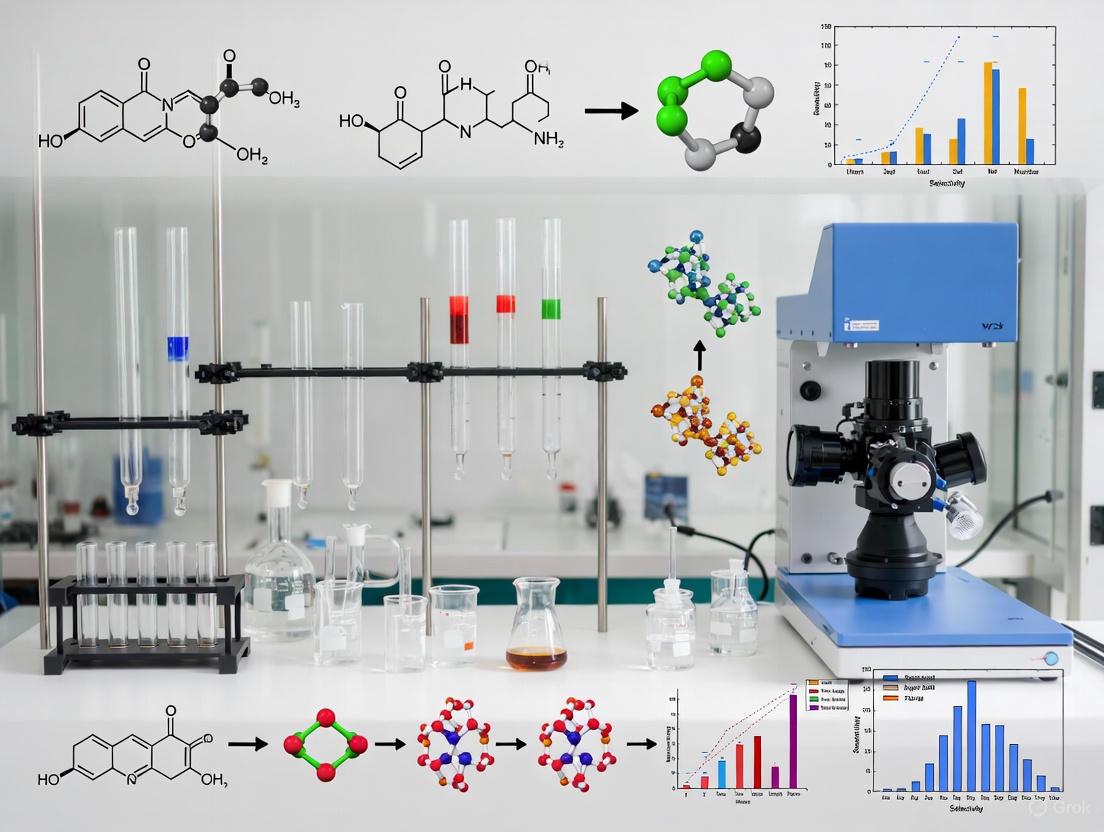
This article explores the cutting-edge field of biomimetic materials engineered for high-sensitivity explosives detection.
Biomimetic Materials for Advanced Explosives Detection: Nature-Inspired Sensors for Security and Clinical Diagnostics
Abstract
This article explores the cutting-edge field of biomimetic materials engineered for high-sensitivity explosives detection. Tailored for researchers, scientists, and drug development professionals, it provides a comprehensive analysis spanning from the foundational biological principles inspiring sensor design to the methodological development, practical optimization, and rigorous validation of these systems. We examine how biosensors utilizing recombinant organisms, biomimetic polymer membranes, and bio-inspired nanostructures achieve unparalleled selectivity and sensitivity towards trace explosive vapors. The review critically assesses current technological hurdles, compares biomimetic sensors against conventional analytical techniques, and discusses their emerging potential not only in security applications but also as innovative tools in pharmaceutical development and preclinical safety screening.
Nature's Blueprint: Biological Principles and Materials for Explosives Sensing
Biological Blueprint: The Mammalian Olfactory System
The mammalian olfactory system represents a pinnacle of evolutionary sensing capability, capable of discriminating between trillions of unique olfactory stimuli with exceptional sensitivity and specificity [1] [2]. This biological system operates through a sophisticated sequence of chemical and neural signaling events that transform airborne chemical information into processed neurological perceptions.
The operational workflow of biological olfaction can be delineated into five distinct stages:
- Odorant Inhalation and Transport: Airborne volatile organic compounds (VOCs) enter the nasal cavity and are transported to the olfactory epithelium, where they dissolve into the mucosal layer [1] [2].
- Olfactory Receptor Activation: Dissolved odorants bind to approximately 400 distinct types of G protein-coupled receptors (GPCRs) located on the cilia of olfactory sensory neurons. This interaction is highly specific, initiating a biochemical cascade [1] [2].
- Signal Transduction and Impulse Generation: The receptor activation triggers an intracellular cAMP-dependent pathway, leading to neuronal depolarization and the generation of action potentials [1] [2].
- Neural Convergence and Integration: Axons from olfactory sensory neurons project to and converge on glomerular units within the olfactory bulb. This architecture facilitates the creation of a spatial initial odorant map [1] [2].
- Central Processing and Perception: Mitral cells relay the mapped information to a distributed cortical network, including the piriform cortex, amygdala, and entorhinal cortex, resulting in odor identification, memory association, and emotional valuation [1] [2].
This biological process provides the foundational blueprint for developing advanced, biomimetic chemical sensors. The core principles of high receptor diversity, combinatorial coding, signal convergence, and advanced pattern recognition directly inform the design of artificial olfactory systems [3].
Diagram 1: Biological Olfactory Pathway
Biomimetic Translation: Engineering Electronic Noses
The translation of biological olfactory principles into engineered systems has culminated in the development of bioelectronic noses (B-ENs). These systems mimic the core-periphery architecture of their biological counterparts by replacing biological components with synthetic analogs [3]. A typical bioelectronic nose integrates a sensor array functionalized with biomimetic materials, which feeds data into a machine learning-based pattern recognition system, effectively acting as an "artificial brain" [1] [2].
A significant breakthrough in this domain involves the monolithic integration of large-scale, heterogeneous sensor arrays. For instance, researchers have successfully fabricated a bio-inspired olfactory chip incorporating 10,000 individually addressable nanotube sensors on a nanoporous substrate [1] [2]. When coupled with artificial intelligence, this platform demonstrated exceptional discriminative capacity, successfully identifying 24 distinct odors and complex gas mixtures [1] [2]. This device exemplifies the biomimetic principle of replicating the biological olfactory system's high receptor diversity to achieve superior sensing performance.
Another advanced approach involves functionalizing two-dimensional MXene materials with specific peptides derived from natural odorant-binding proteins. This biomimetic strategy significantly enhances sensor performance, increasing the overall response by 2 to 4 times compared to pristine MXene and achieving a broad detection range from 50 ppb to 500 ppm [4]. This system has been successfully applied to real-world problems, including pork freshness detection and distinguishing between lung cancer patients and healthy individuals via breath analysis, with a classification accuracy of 94% [4].
Table 1: Performance Metrics of Representative Biomimetic Olfaction Sensors
| Sensor Technology | Sensitivity Enhancement | Detection Range | Discrimination Capability | Application Example |
|---|---|---|---|---|
| Nanotube Array (10,000 sensors) [1] [2] | Not Specified | Not Specified | 24 distinct odors and complex mixtures | Robotic dog multimodal sensing |
| MXene/Peptide Biocomposite [4] | 2x to 4x response increase | 50 ppb to 500 ppm | 94% accuracy for breath analysis | Non-invasive medical diagnostics (Lung cancer) |
| Electronic Nose (E-nose) [5] | High sensitivity and selectivity | Varies by configuration | Complex aroma profiles | Food quality control, spoilage detection |
Diagram 2: Bioelectronic Nose Architecture
Experimental Protocol: Fabricating a MXene/Peptide Biomimetic Sensor
The following detailed protocol is adapted from a peer-reviewed study that successfully developed a high-performance biomimetic olfactory sensor for explosives detection and medical diagnostics [4]. This methodology outlines the key steps for creating a functional sensor array.
Materials and Reagent Preparation
- MXene (Ti₃C₂Tₓ) Suspension: Synthesized via selective etching of MAX phase (Ti₃AlC₂) precursors using hydrofluoric acid (HF) or a mixture of lithium fluoride (LiF) and hydrochloric acid (HCl). The resulting multilayer MXene is then delaminated into few-layer flakes via probe sonication in deionized water or an appropriate organic solvent to create a stable, colloidal suspension (~1-5 mg/mL).
- Odorant-Binding Protein-Derived Peptides: Selected based on known affinities for target explosive markers (e.g., 2,4-dinitrotoluene or TNT). These peptides are typically synthesized via standard solid-phase peptide synthesis (SPPS), purified using high-performance liquid chromatography (HPLC), and their molecular weights confirmed with mass spectrometry.
- Sensor Substrate: Interdigitated electrodes (IDEs) fabricated on a flexible (e.g., polyimide) or rigid (e.g., SiO₂/Si) substrate using standard photolithography and metallization (e.g., gold or platinum).
- Buffer Solutions: Phosphate-buffered saline (PBS, 0.01 M, pH 7.4) for peptide immobilization and sensor testing.
Sensor Fabrication and Functionalization
- MXene Film Deposition: Drop-cast or spin-coat the prepared MXene suspension onto the cleaned IDE substrate. Anneal the device at a mild temperature (e.g., 60°C under vacuum) to form a stable, conductive film.
- Surface Activation: Treat the MXene-coated electrode with a crosslinking agent (e.g., 1-ethyl-3-(3-dimethylaminopropyl)carbodiimide/N-hydroxysuccinimide - EDC/NHS) in MES buffer for 30-60 minutes to activate carboxyl groups on the MXene surface for peptide binding.
- Peptide Immobilization: Incubate the activated sensor in a solution of the synthesized peptides (0.1-1.0 mg/mL in PBS) for 2-4 hours at room temperature. This allows covalent bonding between the peptide's amine termini and the activated carboxyl groups on MXene.
- Washing and Blocking: Rinse the functionalized sensor thoroughly with PBS to remove any physically adsorbed peptides. Subsequently, incubate in a blocking buffer (e.g., 1M ethanolamine) to deactivate any remaining active sites.
- Array Integration: Repeat this process to create an array of sensors, with each sensor functionalized with a unique peptide possessing a different binding affinity, thereby mimicking the diverse receptor array in a biological nose.
Data Acquisition and Machine Learning Analysis
- Gas Exposure and Signal Recording: Place the sensor array in a sealed gas chamber with controlled flow. Expose it to target analytes (e.g., explosive vapors) at various concentrations (e.g., from 50 ppb to 500 ppm). Monitor the electrical response (e.g., resistance or capacitance change) of each sensor in the array in real-time.
- Feature Extraction: For each exposure event, extract features from the transient and steady-state sensor responses, such as maximum response amplitude, response time, recovery time, and integrated response area.
- Model Training and Validation: Use the collected multi-sensor data to train a machine learning classifier (e.g., Support Vector Machine, Random Forest, or Artificial Neural Network). Typically, 70-80% of the data is used for training, and the remaining 20-30% is used for testing the model's ability to correctly identify the exposed analyte.
The Scientist's Toolkit: Essential Reagents for Biomimetic Sensing
Table 2: Key Research Reagents for Biomimetic Olfaction Sensors
| Reagent / Material | Function / Role | Biomimetic Inspiration |
|---|---|---|
| Odorant-Binding Protein (OBP) Derived Peptides [4] | Synthetic peptides that selectively bind target molecules; the primary recognition element. | Mimics the natural odorant-binding proteins that shuttle odorants to receptors in the olfactory mucus. |
| MXene (Ti₃C₂Tₓ) Nanosheets [4] | A conductive 2D nanomaterial that serves as a high-surface-area transducer, converting binding events into electrical signals. | Provides a versatile and sensitive platform analogous to the cell membrane in olfactory neurons. |
| Carbon Nanotube (CNT) Arrays [1] [2] | Nanomaterial used to create high-density sensor arrays with excellent electrical properties. | Mimics the high density and diversity of olfactory sensory neurons. |
| Olfactory Receptors (ORs) [3] | Proteins produced via cell-free expression systems or stabilized in lipid bilayers for use in biosensors. | The most direct biological component, serving as the natural recognition element in Bioelectronic Noses (B-ENs). |
| Crosslinking Agents (e.g., EDC/NHS) [4] | Chemistry used to covalently immobilize biomimetic recognition elements (peptides, receptors) onto transducer surfaces. | Mimics the stable anchoring of biological receptors within the cell membrane. |
Quantitative Analysis and Market Trajectory
The field of biomimetic olfactory sensing is supported by a growing market for quantitative analysis equipment, reflecting its expanding industrial application. The global market for Olfactory Quantitative Analysis and Testing Equipment is projected to reach $322 million by 2025, with a steady Compound Annual Growth Rate (CAGR) of 5% [5]. Another analysis projects the market to reach $441 million in 2025, growing at a CAGR of 4.9% through 2033 [6]. This growth is propelled by demand across multiple sectors, with the food and beverage industry representing the dominant application segment due to its need for stringent quality control and spoilage detection [5] [6].
Table 3: Olfactory Testing Equipment Market Overview
| Parameter | Value / Characteristic | Source / Note |
|---|---|---|
| Projected Market Value (2025) | $322 Million / $441 Million | Conflicting projections from different market reports [5] [6]. |
| Compound Annual Growth Rate (CAGR) | 4.9% - 5.0% | Sustained growth throughout the forecast period [5] [6]. |
| Dominant Application Segment | Food and Beverages | Driven by quality control and spoilage detection needs [5]. |
| Key Innovation Characteristics | Miniaturization, AI-driven data analysis, improved sensor technology | Focus on enhancing portability and intelligence [5] [6]. |
| Leading Regional Markets | North America and Europe | Attributed to robust research infrastructure and stringent regulations [5] [6]. |
The detection of trace explosives remains a critical challenge for global security, forensic science, and environmental monitoring. Traditional detection methods often rely on bulky instrumentation or require direct physical sampling, posing significant risks to personnel in humanitarian demining operations. Within this landscape, volatile signature compounds provide a chemical roadmap to locating concealed explosive devices without direct contact. This technical guide examines the principal explosive-related volatile compounds and explores the emerging field of biomimetic materials and biological sensors designed to detect these signatures with high specificity and sensitivity.
The core principle underlying this approach is that most buried explosives, particularly those in landmines, leak minute quantities of vapor into their surrounding environment. While the main charge may have low volatility, impurity compounds and degradation products create a detectable "chemical plume" that can serve as a reliable detection marker [7] [8]. By harnessing biological recognition elements and biomimetic sampling strategies, next-generation sensors aim to achieve the remarkable detection capabilities observed in nature, particularly in canines, while overcoming the limitations of conventional analytical methods.
Key Explosive Volatile Compounds
The effectiveness of vapor detection hinges on understanding the chemical and physical properties of the target compounds. The following table summarizes the primary volatile signatures associated with common explosives:
Table 1: Key Volatile Signature Compounds in Explosives Detection
| Compound | Full Name | Relationship to Primary Explosive | Vapor Pressure | Significance as Detection Marker |
|---|---|---|---|---|
| 2,4-DNT | 2,4-Dinitrotoluene | Impurity and biodegradation product of TNT [7] | Much higher than TNT [7] | Primary signature for TNT-based landmines due to higher atmospheric concentration [7] [8] |
| TNT | 2,4,6-Trinitrotoluene | Primary explosive compound in many landmines [7] | Low | Direct target, but low vapor pressure makes detection challenging [7] |
| 1,3-DNB | 1,3-Dinitrobenzene | Volatile impurity accompanying TNT [7] | Higher than TNT | Secondary signature vapor for TNT-based explosives [7] |
| DNT Isomers | 2,6-Dinitrotoluene, etc. | Impurities in technical-grade TNT | Varies | Classified as possible human carcinogens; additional detection targets [7] |
| RDX | Hexahydro-1,3,5-trinitro-1,3,5-triazine | Primary explosive in composite charges [7] | Very Low | Less suitable for vapor detection; often detected via particulate sampling [9] |
| TATP | Triacetone triperoxide | Homemade organic peroxide explosive [9] | Relatively High | Primary detection target for peroxide-based explosives [9] |
Conventional Detection Technologies for Volatile Signatures
While biological sensors represent a promising frontier, several established analytical techniques form the current backbone of trace explosives detection. The table below compares the primary technologies, their principles of operation, and their performance relative to volatile explosive compounds:
Table 2: Conventional Analytical Techniques for Explosives Vapor Detection
| Technique | Principle of Operation | Key Advances | Limitations |
|---|---|---|---|
| Ion Mobility Spectrometry (IMS) | Separates ionized gas molecules at atmospheric pressure based on size, shape, and charge [9] | Improved detection in complex matrices; miniaturization for portability [9] | Use of radioactive ionization sources (e.g., (^{63})Ni); potential false positives [9] |
| Gas Chromatography-Mass Spectrometry (GC-MS) | Separates vapor mixture (GC) followed by definitive identification by mass (MS) [9] | Enhanced sensitivity and resolution; detailed molecular fingerprints [9] | Requires expert operation; laboratory-bound equipment [7] [9] |
| Ambient Ionization MS (AIMS) | Direct ionization and analysis of samples in ambient air with minimal preparation [9] | Rapid, high-throughput, real-time detection; ideal for field applications [9] | Sampling optimization challenges; can struggle with certain compounds like nitrate esters [9] |
| Surface-Enhanced Raman Spectroscopy (SERS) | Enhances Raman scattering signals using nanostructured substrates for single-molecule sensitivity [9] | Remarkable sensitivity and specificity; non-destructive analysis [9] | Dependent on quality and consistency of SERS substrate [9] |
Biological and Biomimetic Detection Systems
Microbial Bioreporters
Microbial bioreporters are genetically engineered microorganisms that produce a quantifiable, dose-dependent signal in the presence of a target compound. For explosive detection, these sensors are typically designed to respond to 2,4-DNT. The genetic circuitry involves fusing a promoter sequence that is activated by DNT or its metabolites to a reporter gene, such as the luxCDABE operon for bioluminescence [7] [8].
Key Constructs and Performance:
- E. coli with yqjF Promoter: A construct where the promoter for the yqjF gene (encoding a quinol oxidase subunit) drives the expression of the luxCDABE operon. This strain responds indirectly to 2,4-DNT and TNT via their metabolites, generating bioluminescence [7]. Through directed evolution of the yqjF promoter, researchers achieved a 3,000-fold increase in luminescence output, drastically improving detection sensitivity [7].
- Detection Capability: A portable biosensor utilizing such immobilized E. coli cells successfully detected gaseous 2,4-DNT at concentrations as low as 50 parts-per-billion (ppb), demonstrating feasibility for field use [8].
The following diagram illustrates the signaling pathway within a genetically engineered microbial bioreporter upon exposure to 2,4-DNT:
Biomimetic Materials and Peptide-Based Receptors
Moving beyond whole cells, biomimetic materials aim to replicate the selective binding functions of biological systems using synthetic or biological components.
- Peptide-Based Receptors: Researchers have used evolutionary screening techniques to identify sequence-specific biopolymers (peptides) that function as highly selective synthetic receptors for TNT and 2,4-DNT [10]. Mutational analysis confirmed that these peptides recognize their targets through multivalent binding with key amino acid side chains. When embedded in a hydrogel coating, these receptors maintain selective binding to target molecules even in the gas phase, making them suitable for sensor coatings [10].
Biomimetic Sniffing and Sampling
Perhaps the most direct form of biomimicry involves replicating the physical sampling behavior of biological detectors, such as the dog. Canine sniffing is an active process that significantly enhances odor collection efficiency.
Mechanism and Implementation:
- Fluid Dynamics: When a dog sniffs, expired air jets are ejected ventral-laterally from the nostrils. These jets entrain odor-laden air from in front of the nose and pull it toward the nostrils, effectively extending the aerodynamic reach of the sniffer [11].
- Performance Enhancement: Experiments with an anatomically accurate 3D-printed dog nose showed that this active sniffing strategy improved the sampling efficiency of 2,4-DNT vapor by a factor of 8 to 18 compared to simple, continuous inspiration [11].
- Technology Integration: Applying this bio-inspired inlet design to a commercial explosives detector resulted in a 16-fold improvement in detection performance, confirming the profound impact of mimicking natural sampling strategies [11].
The workflow below outlines the process of developing and utilizing a biomimetic sniffing system for enhanced vapor detection:
Experimental Protocols and Methodologies
Construction and Immobilization of a Microbial Bioreporter
This protocol details the creation of a whole-cell biosensor for 2,4-DNT vapor, based on the work leading to a portable biosensor [8].
Materials Required:
- Biological Element: E. coli K12 MG1655 reporter strain containing a yqjF-luxCDABE gene fusion [8].
- Growth Medium: Modified Lysogeny Broth (LBB) with carbenicillin (100 µg/mL) for selection [8].
- Inducer: 2,4-DNT stock solution (0.1 g/L in 80% acetonitrile) [8].
- Immobilization Matrix: Agarose or sodium alginate.
Procedure:
- Cell Cultivation: Grow the reporter strain in LBB with carbenicillin at 37°C with shaking (200 rpm) until exponential growth phase is reached.
- Bioreporter Induction: Add 2,4-DNT to the culture to a final concentration of 100 mg/L. Continue incubation for 3 hours to allow for full expression of the lux genes.
- Cell Harvesting: Centrifuge the culture at 10,000 × g for 10 minutes. Resuspend the cell pellet in fresh LBB medium to a high density (OD₆₀₀ ≈ 10).
- Cell Immobilization:
- Agarose Method: Mix the cell suspension with molten, low-gelling-temperature agarose (1% w/v, 40°C) at a 1:1 ratio. Pipette 900 µL aliquots into a casting mold to form disks [8].
- Alginate Method: Mix the cell suspension with an equal volume of sodium alginate solution (2% w/v in water). Drip the mixture into a stirred solution of calcium chloride (1% w/w) to form stable gel beads [8].
- Biosensor Assembly: Integrate the immobilized cells into a portable detection device containing a photodetector (photomultiplier tube or photodiode) to measure bioluminescence at 490 nm [8].
Quantifying Biomimetic Sniffing Efficiency
This methodology describes experiments to compare the sampling efficiency of active sniffing versus continuous inspiration [11].
Materials Required:
- 3D-Printed Nose Model: An anatomically accurate model of a dog's nose, connected to a mechanical ventilation system capable of producing physiological sniffing waveforms [11].
- Vapor Source: A uniform-release source of 2,4-DNT vapor [11].
- Detection Method: An absorbent material (e.g., polyurethane foam) for chemical extraction followed by Liquid Chromatography with Ultraviolet detection (LC-UV), or a real-time analyzer like an Ambient Ionization Mass Spectrometer (AIMS) [11].
Procedure:
- Experimental Setup: Position the 3D-printed nose model at a defined standoff distance (e.g., 3 cm) from the DNT vapor source.
- Active Sniffing Mode: Program the ventilation system to simulate a canine sniffing cycle (approximately 5 Hz), with a sinusoidal flow rate reaching a peak inspiration of ~25 L/min and peak expiration of ~53 L/min [11].
- Continuous Inspiration Mode: Program the ventilator to provide a steady, continuous flow of air inspired at the same average flow rate as the sniffing mode.
- Sample Collection and Analysis:
- For LC-UV, place the absorbent material in the nose's vestibule to collect DNT vapor over a set time period. Extract and analyze the chemical to determine the total mass collected [11].
- For AIMS, directly couple the nose's airflow to the spectrometer to monitor the real-time concentration of the target vapor (e.g., DMF as a DNT simulant) [11].
- Efficiency Calculation: Calculate the aerodynamic sampling efficiency as the total mass of analyte collected divided by the total volume of air inspired during the test. Compare the results from active sniffing and continuous inspiration modes.
The Scientist's Toolkit: Research Reagent Solutions
Table 3: Essential Reagents and Materials for Explosives Biosensor Research
| Item | Function/Application | Example Use Case |
|---|---|---|
| E. coli w/ yqjF-lux Plasmid | Genetically engineered bioreporter strain | Core sensing element for DNT/TNT vapor; provides dose-dependent luminescent signal [7] [8] |
| luxCDABE Operon | Reporter gene system from Photorhabdus luminescens | Generates bioluminescence at 490 nm; does not require exogenous substrate [7] [8] |
| Agarose / Alginate | Biocompatible polymer for cell immobilization | Encapsulates bacterial cells in hydrogel matrix for stability and deployment in biosensors [7] [8] |
| Biomimetic Peptides | Sequence-specific synthetic receptors | Serve as selective coating for sensors; bind TNT/DNT via multivalent interactions [10] |
| 3D-Printed Dog Nose Model | Biomimetic sampling interface | Replicates canine sniffing fluid dynamics to enhance vapor collection efficiency [11] |
| Polyurethane Foam (PUF) | Adsorbent material for vapor collection | Traps analyte molecules in sampling efficiency experiments for subsequent LC-UV analysis [11] |
| Ambient Ionization MS | Real-time, high-sensitivity chemical analyzer | Directly measures and quantifies vapor concentration in sampling airflow [9] [11] |
The detection of explosives remains a critical challenge for homeland security, environmental protection, and defense applications. Traditional analytical techniques, while effective, often face limitations in portability, cost, and operational complexity for field deployment. In response, research has increasingly turned to biological systems for inspiration, giving rise to the field of biomimetic explosives sensors. This paradigm leverages billions of years of evolutionary optimization found in biological chemosensory systems, which demonstrate unparalleled sensitivity and specificity in analyzing complex gas mixtures [3]. Animals, from mammals to insects, possess olfactory capabilities that remain the gold standard for analysis of explosives, stimulating the development of devices that mimic their operational principles [3] [12]. Whole-cell biosensors represent a direct implementation of this biomimetic approach, utilizing engineered microorganisms as living components within detection systems. By harnessing native or synthetic biological pathways, these biosensors convert the presence of a target explosive into a quantifiable signal, offering a promising alternative to conventional detection methodologies [13] [14].
Core Principles and Design of Whole-Cell Biosensors
Fundamental Architecture
Whole-cell biosensors function through the coordinated operation of three core modular components: the input module (sensing unit), signal transduction module (processing unit), and output module (response unit) [15]. The input module serves as the biosensor's recognition element, responsible for the specific detection of target signals through selective molecular interactions. This module can employ naturally occurring components such as transcription factors and membrane receptors, or engineered constructs including aptamers and riboswitches, to capture external stimuli and convert them into intracellular signals [15]. Upon target recognition, the sensing elements activate the signal transduction module through mechanisms such as conformational changes, induced dimerization, conditional stabilization, or enzymatic reactions [15].
Sensing Elements: Transcription Factors and Riboswitches
The sensitivity and specificity of a whole-cell biosensor are primarily determined by its sensing elements, with transcription factors and riboswitches being the two predominant classes [16]. Transcription factors are protein molecules that bind to specific DNA sequences (promoters) upstream of genes and regulate their transcription in response to target ligand binding. When a transcription factor undergoes a conformational change upon binding its specific ligand (e.g., an explosive compound), its ability to bind promoter regions is altered, thereby activating or inhibiting transcription of downstream reporter genes [14] [16]. For example, the XylR transcription factor from Pseudomonas putida has been engineered through mutagenesis and DNA shuffling to improve its binding specificity to TNT, resulting in approximately 3-fold transcriptional activation at 1 mM TNT in liquid cultures [13].
Riboswitches represent an alternative sensing mechanism based on RNA aptamers. These regulatory elements reside in the untranslated regions of mRNA and undergo structural reorganization upon binding their target ligands. This conformational change exposes or hides the ribosome binding site, thereby activating or inhibiting the translation process of the downstream reporter gene [13] [16]. Statistical thermodynamic models, such as the Riboswitch Calculator, enable the rational design of riboswitches by predicting the sequence-structure-function relationship that controls translation initiation rates [13]. Research has demonstrated the successful engineering of riboswitches that activate reporter protein expression by 4.6-fold in response to 0.1 mM TNT and by 11.1-fold in response to 1 mM DNT (a TNT impurity) in liquid cultures [13].
Advanced Engineering and Optimization Strategies
Synthetic Biology Circuit Design
Synthetic biology provides powerful tools for enhancing biosensor performance through the design of sophisticated genetic circuits. Modular components, including AND, OR, and NOR logic gates, enable coordinated multi-signal processing, allowing biosensors to function with high precision in complex matrices [15]. Memory modules, such as transcription factor-based toggle switches and recombinase-mediated memory circuits, confer bacteria with programmable "memory storage" capability, recording prior exposure to specific analytes [15]. This is particularly valuable for environmental monitoring where transient exposure events need to be documented.
Feedback control mechanisms represent another critical advancement in circuit design. Positive feedback loops serve as biological amplifiers, heightening sensitivity to low-abundance signals, while negative feedback mechanisms prevent signal oversaturation and preserve cellular homeostasis [15]. For explosives detection, genetic circuits can be designed to combine a TNT riboswitch sensor with a genetic memory switch, controlled by sense and antisense promoters, to stably activate an observable response function across extended time periods [13].
Performance Optimization Techniques
Several strategic approaches have been developed to optimize the key performance parameters of whole-cell biosensors:
Protein Engineering: Specificity and sensitivity can be enhanced through various protein engineering techniques, including truncation (shortening transcription factor length), chimerism (combining recognition and regulatory domains from different transcription factors), functional domain mutation, whole-protein mutation, and de novo design [16]. For instance, researchers have optimized the specificity of the CadR transcription factor for cadmium and mercury ions by truncating 10 and 21 amino acids from its C-terminal [16].
Promoter Engineering: Modifying promoter sequences can significantly improve biosensor sensitivity. For example, developing highly sensitive whole-cell biosensors for arsenite detection through engineered promoter modifications has demonstrated successful enhancement of detection capabilities [14].
Genetic Circuit-Based Amplification: Dynamic ranges can be substantially enhanced through transcriptional amplifiers, logic gates, and feedback loops [14]. These elements help amplify weak signals and improve the signal-to-noise ratio, which is crucial for detecting trace levels of explosives.
Implementation for Explosives Detection
Representative Experimental Models and Performance
Recent research has demonstrated the practical implementation of whole-cell biosensors for explosives detection, with notable advances in both model systems and performance metrics. The table below summarizes key experimental models and their reported performance characteristics for TNT and related explosives detection.
Table 1: Performance Characteristics of Whole-Cell Biosensors for Explosives Detection
| Chassis Organism | Sensing Element | Target Analyte | Limit of Detection | Response Characteristics | Reference |
|---|---|---|---|---|---|
| Bacillus subtilis | Engineered riboswitch (RS14) | TNT | - | 3.4-fold fluorescence activation at 35 μM TNT | [13] |
| Bacillus subtilis with genetic memory circuit | Engineered riboswitch | TNT in natural soil | 4.5 mg TNT/kg soil | 14-fold activation after 1 week; stable for 21 days | [13] |
| Escherichia coli | Engineered riboswitch | TNT | 0.1 mM | 4.6-fold activation | [13] |
| Escherichia coli | Engineered XylR transcription factor | TNT | 1 mM | 3-fold transcriptional activation | [13] |
| Escherichia coli | Engineered riboswitch | DNT | 1 mM | 11.1-fold activation | [13] |
Protocol: Longitudinal Testing of Autonomous Microbial Sensors in Natural Soil
The following detailed methodology outlines the procedure for evaluating engineered microbial sensors in natural soil environments, based on established experimental approaches [13]:
1. Biosensor Design and Construction:
- Select a prototrophic Bacillus subtilis 168 PS832 strain capable of autonomous growth in soil without amino acid supplementation.
- Design TNT-sensing riboswitches using computational tools like the Riboswitch Calculator, which predicts sequence-structure-function relationships for translation-regulating riboswitches.
- Construct synthetic genetic circuits using a constitutive Pveg promoter to control riboswitch-regulated expression of a reporter protein (e.g., mRFP1).
- Integrate the synthetic genetic circuit into the amyE locus of the B. subtilis genome using chloramphenicol resistance (CmR) for selection.
- As a control, construct constitutive expression circuits using the Pveg promoter with designed ribosome binding sites.
2. Soil Experimental Setup:
- Prepare natural soil systems containing both engineered and naturally occurring microbes to simulate competitive environments.
- For TNT exposure, apply TNT to soil systems at the target concentration (e.g., 4.5 mg TNT/kg soil).
- Inoculate engineered B. subtilis sensors into the prepared soil systems.
3. Longitudinal Monitoring and Analysis:
- Conduct measurements over an extended period (e.g., 28 days) to assess both sensor performance and microbial persistence.
- For single-cell analysis, extract soil samples at predetermined intervals and analyze using flow cytometry to measure fluorescence at the individual cell level.
- For population-level analysis, use plate readers to measure bulk fluorescence of extracted samples.
- Quantify cell viability and persistence through colony-forming unit (CFU) counts on selective media at regular intervals.
- Monitor the presence and function of competing natural microbes through parallel culturing and molecular techniques.
4. Data Interpretation:
- Calculate response activation as the fold-increase in fluorescence relative to non-exposed control sensors.
- Determine population decay dynamics by fitting CFU data to exponential decay models to calculate half-life.
- Assess functional stability by correlating fluorescence response with cell viability over the experimental timeline.
Table 2: Key Reagents and Materials for Soil-Based Biosensor Testing
| Research Reagent | Specification/Function | Application in Protocol |
|---|---|---|
| Bacillus subtilis 168 PS832 | Prototrophic soil bacterium chassis | Engineered host for biosensor genetic circuits |
| TNT (2,4,6-trinitrotoluene) | Target explosive analyte | Dissolved in appropriate solvent for soil application |
| Chloramphenicol | Selection antibiotic | Maintains plasmid or genomic integration in engineered strains |
| mRFP1 (Red Fluorescent Protein) | Reporter protein | Quantifiable output for TNT detection |
| Riboswitch Calculator | Computational design tool | Predicts and optimizes riboswitch sequence-structure-function |
| Natural soil matrix | Complex testing environment | Provides competitive microbial community and realistic conditions |
Signaling Pathways and Experimental Workflows
The functional architecture of whole-cell biosensors for explosives detection involves coordinated molecular interactions that can be visualized as signaling pathways. The following diagram illustrates the core signaling pathway for a riboswitch-based TNT biosensor:
Figure 1: Riboswitch-Based Biosensor Signaling Pathway
The experimental workflow for developing and validating whole-cell biosensors involves multiple stages from design to field testing, as illustrated below:
Figure 2: Biosensor Development Workflow
Current Challenges and Future Research Directions
Despite significant advances, several challenges remain in the development and deployment of whole-cell biosensors for explosives detection. A primary concern is biocontainment, ensuring that genetically modified organisms do not persist or transfer genetic material in the environment [13]. Research has demonstrated that competitive growth dynamics with natural microbial communities can serve as an additional biocontainment mechanism, with studies showing exponential decay dynamics at the population-level with a half-life of approximately 5 days in natural soil [13].
Functional stability represents another significant challenge. While autonomous microbial sensors have demonstrated the ability to maintain stable activation for over 21 days in natural soil environments, their performance gradually decays over time [13]. Future research directions include the development of more robust genetic circuits with improved stability, the engineering of chassis organisms better adapted to target environments, and the integration of whole-cell biosensors with electronic readout systems for improved signal detection and processing [14] [16].
The integration of synthetic biology with materials science also presents promising opportunities. Recent advances in biomimetic porous materials and hydrogel-based electronics could provide improved interfaces for housing and monitoring whole-cell biosensors in field applications [17] [18]. Similarly, the combination of biological detection principles with established analytical techniques such as Ion Mobility Spectrometry (IMS) may lead to hybrid systems with enhanced capabilities [19] [20].
As the field progresses, whole-cell biosensors are expected to transition from laboratory prototypes to commercially viable detection systems, potentially incorporated into various form factors such as test strips, kits, and wearable devices [16]. This evolution will require close collaboration between synthetic biologists, environmental engineers, and security professionals to ensure that these biomimetic sensing technologies meet the practical demands of real-world explosives detection.
The unique abilities of biological chemosensory systems, found in both vertebrates and invertebrates, serve as the gold standard in the analysis of complex gas substances like explosives [3]. These systems demonstrate extraordinary sensitivity and selectivity, capable of detecting odor molecules at concentrations as low as 0.01 parts per billion—equivalent to identifying one molecule among 100 trillion air molecules [21]. This remarkable proficiency has stimulated extensive research into devices that mimic both the operational parameters and biological activity of natural olfactory systems [3]. Biomimetic olfactory sensing represents an interdisciplinary frontier where engineering, chemistry, and biology converge to create synthetic systems with functions that closely mirror biological processes [21].
The pressing need for advanced explosives detection technologies has accelerated development in this field. While biological systems remain unparalleled in their analytical capabilities, their electronic analogues are progressing rapidly through research initiatives across numerous institutions [3]. These biomimetic approaches aim to overcome the limitations of classical gas sensors by implementing strategies inspired by biological solutions, addressing challenges not only in selectivity and sensitivity but also in effective sampling and odor localization [3]. The potential applications span security screening, environmental monitoring, and hazard identification, driving considerable investment in both fundamental research and commercial development.
Biological Principles of Olfaction
Architecture of Biological Olfactory Systems
The vertebrate olfactory system operates through a sophisticated architectural framework designed for optimal chemical detection. The process initiates when volatile molecules enter the nasal cavity during inhalation [21]. These odorants interact with the olfactory epithelium, a specialized tissue containing olfactory sensory neurons that function as biological receptors [21]. The essence of odor perception lies in the transformation of chemical interactions between odor molecules and olfactory receptors into electrical signals that transmit information about the external world to the brain [21].
This signal transduction follows a well-defined pathway. Olfactory sensory neurons transmit molecular binding information to the brain's olfactory bulb, which serves as the initial processing center for olfactory data [21]. Information from the olfactory bulb is then projected to the olfactory cortex and other brain regions where conscious perception occurs [21]. Critical to this system's performance are the olfactory receptors themselves—proteins consisting of 7 transmembrane domains, with specific domains directly responsible for binding with odorant molecules [22]. The preservation of these receptors' natural structure and function depends heavily on maintaining their hydrophobic cell membrane environment, a crucial consideration when developing synthetic analogues [22].
Information Processing and Pattern Recognition
Biological olfaction employs a combinatorial coding strategy that enables the discrimination of tens of thousands of distinct odors. Rather than relying on dedicated receptors for specific odorants, the olfactory system utilizes pattern recognition across multiple receptor types [21]. Each odor molecule generates a unique combination code through its interaction with a specific set of olfactory receptors, and even slight structural modifications to an odor molecule produce distinguishable pattern differences [21].
This pattern recognition capability is enhanced through neural processing in the olfactory bulb, where pattern separation improves odor discrimination [21]. Research has demonstrated that similar odor molecules induce highly correlated input patterns in the olfactory bulb, and the separation of these patterns serves as a driving force for sensory discrimination and learning [21]. This biological pattern recognition principle has profound implications for artificial olfactory systems, suggesting that sensor arrays with diverse but partially overlapping specificities could achieve similar discriminatory capabilities through advanced signal processing.
Biomimetic Sensing Materials and Technologies
Olfactory Receptor-Based Biosensors
The core strategy in biomimetic olfactory sensing involves integrating biological molecular detectors with various transducer platforms. Olfactory receptors, with their innate ability to interact specifically with odorant molecules, serve as ideal recognition elements for biosensors targeting explosive compounds [22]. These receptors have been successfully combined with multiple transduction mechanisms including quartz crystal microbalances (QCM), surface acoustic wave (SAW) devices, field effect transistors (FET), microelectrodes, and light addressable potentiometric sensors (LAPS) [22].
A critical advancement in this domain has been the improvement of immobilization techniques for olfactory receptors. Early biosensors suffered from unstable and inefficient immobilization through direct physical absorption [22]. The introduction of self-assembled monolayers (SAMs) has significantly enhanced immobilization efficiency by providing a reproducible, ultrathin, and well-ordered functional layer for biological molecule attachment [22]. SAMs create anchoring sites through spontaneous tethering of molecules with active chemical moieties onto reactive solid surfaces, offering advantages including ease of preparation, low cost, and versatility [22]. This approach maintains the structural integrity and functionality of olfactory receptors, leading to substantial improvements in biosensor performance.
Bio-Inspired Nanostructures
Beyond biological receptors, material scientists have developed fully synthetic nanostructures that mimic natural olfactory principles. These materials often draw inspiration from the structural features of biological systems rather than directly incorporating biological components. One prominent example involves silicon microcantilevers modified with a three-dimensional layer of vertical titanium dioxide nanotubes, creating a micromechanical sensor with optical signal detection capabilities [23].
These bio-inspired nanostructured sensors demonstrate exceptional performance in detecting ultralow concentrations of explosives such as 2,4,6-trinitrotoluene (TNT) in the gas phase [23]. Notably, they maintain specificity even in the presence of interfering volatile impurities including n-heptane and ethanol [23]. The nanostructured interface provides enhanced surface area and specific binding properties that contribute to the remarkable sensitivity of these devices. This approach represents a convergence of biomimetic principles with nanomaterials engineering, creating synthetic detection systems that rival their biological counterparts in performance while offering advantages in stability and manufacturability.
Table 1: Performance Comparison of Biomimetic Explosive Detection Technologies
| Technology Platform | Target Analyte | Detection Limit | Key Advantages |
|---|---|---|---|
| SAW with ODR-10 & SAMs [22] | Diacetyl | 1.2 × 10⁻¹¹ mM | High specificity, stable immobilization |
| TiO₂ Nanotube Microcantilevers [23] | TNT | Ultralow concentrations (specific value not provided) | Works in complex environments, high surface area |
| Bioelectronic Nose (B-EN) [3] | Explosives (general) | Not specified | Pattern recognition capabilities, multi-analyte detection |
Experimental Methodologies and Workflows
Olfactory Receptor Immobilization Protocol
The functional immobilization of olfactory receptors represents a critical step in biosensor development. The following protocol details an optimized procedure for creating a biomimetic olfactory-based biosensor with high-efficiency immobilization of molecular detectors [22]:
Materials Required:
- Surface Acoustic Wave (SAW) chip with sensitive area
- 16-Mercaptohexadecanoic acid (MHDA)
- 1-ethyl-3-(3-dimethylaminopropyl) carbodiimide (EDC)
- N-hydroxysuccinimide (NHS)
- Olfactory receptor ODR-10 in membrane fraction (expressed in MCF-7 cells)
- Odorant molecules: diacetyl, butanone, and butanol
- Phosphate buffer solution (PBS, 0.01 M, pH 7.4)
Procedure:
- SAMs Formation: Incubate the gold surface of the SAW chip with 4 mM MHDA ethanol solution for 12 hours to form a mixed self-assembled monolayer [22].
- Receptor Immobilization: Activate the SAMs-modified surface with EDC/NHS solution. Subsequently, incubate with ODR-10 membrane fraction for 2 hours at 4°C to achieve covalent immobilization [22].
- Characterization: Employ scanning electron microscopy (SEM) and atomic force microscopy (AFM) to verify successful immobilization and characterize surface morphology [22].
- Odorant Exposure: Introduce various odorants to the functionalized biosensor while continuously monitoring resonance frequency shifts of the SAW device, which correlate with mass loading on the sensitive area [22].
This methodology demonstrates significantly enhanced performance compared to previous approaches, with sensitivity improved by 2× (reaching 4 kHz/ng) and exceptional stability due to the covalent immobilization strategy [22].
Diagram 1: Receptor Immobilization Workflow. This experimental protocol illustrates the stepwise process for creating a functional biomimetic olfactory biosensor.
Electronic Nose and Pattern Recognition Systems
Electronic nose (e-nose) technology represents a broader biomimetic approach that replicates the combinatorial coding strategy of biological olfaction. These systems utilize arrays of various sensor types including metal oxides, electrochemical sensors, surface acoustic waves, quartz crystal microbalances, organic dyes, colorimetric sensors, conductive polymers, and mass spectrometers [21]. The configuration can be tailored based on the specific operating environment and performance requirements of the artificial olfactory sensor [21].
The data processing methodology for these systems typically employs two classes of algorithms: statistical pattern analysis and intelligent models [21]. Statistical methods include principal component analysis (PCA), linear discriminant analysis (LDA), and support vector machines (SVM), while intelligent approaches incorporate artificial neural networks (ANN), multilayer perceptron (MLP), and k-nearest neighbor (kNN) networks [21]. These computational techniques enable the classification and identification of complex odor patterns, mirroring the processing that occurs in biological olfactory systems.
Table 2: Research Reagent Solutions for Biomimetic Explosives Detection
| Reagent/Material | Function in Research | Application Example |
|---|---|---|
| Olfactory Receptor ODR-10 [22] | Molecular detector for specific odorant binding | SAW biosensor for diacetyl detection |
| 16-Mercaptohexadecanoic acid (MHDA) [22] | Self-assembled monolayer formation | Creating ordered functional layer on gold surfaces |
| EDC/NHS Chemistry [22] | Covalent immobilization activation | Linking receptors to functionalized surfaces |
| Titanium Dioxide Nanotubes [23] | Nanostructured sensing interface | Microcantilever sensors for TNT detection |
| Mixed Self-Assembled Monolayers [22] | Biointerface engineering | Maintaining receptor functionality and orientation |
Performance Analysis and Comparative Evaluation
Sensitivity and Specificity Metrics
Biomimetic olfactory sensors demonstrate remarkable performance characteristics that approach, and in some cases surpass, conventional detection technologies. The SAW biosensor functionalized with ODR-10 receptors through SAMs immobilization achieves exceptional sensitivity for diacetyl detection, with a measured sensitivity of 4 kHz/ng and a detection limit of 1.2 × 10⁻¹¹ mM [22]. This represents a 2× improvement over previous immobilization approaches and highlights the critical importance of efficient receptor integration for optimal biosensor performance [22].
The specificity of biomimetic sensors derives from both molecular recognition elements and pattern discrimination capabilities. Biological olfactory systems naturally exhibit extraordinary specificity, with humans capable of discriminating between approximately 10,000 different odors using roughly 400 types of receptors [21]. Artificial systems replicate this combinatorial approach through sensor arrays that produce distinctive response patterns for different analytes, enabling discrimination even between structurally similar compounds [21]. This pattern-based recognition provides a powerful mechanism for distinguishing explosive compounds from potential interferents in complex environmental samples.
Current Limitations and Research Challenges
Despite significant advances, biomimetic olfactory technologies face several challenges that impact their commercial implementation. Current limitations include issues with reliability and standardization that have restricted widespread commercialization [21]. Additionally, maintaining the stability and functionality of biological recognition elements in synthetic environments presents ongoing difficulties, particularly for field-deployable systems [22].
The complexity of biological olfactory systems presents fundamental research challenges. While our understanding of olfactory mechanisms has advanced substantially, many aspects remain elusive, particularly regarding the exact functional role of signaling processes in the olfactory bulb [21]. Furthermore, replicating the hierarchical organization, massive parallel processing, and sophisticated pattern separation capabilities of biological systems in artificial platforms requires continued research at the intersection of materials science, bioengineering, and computational analytics.
Future Directions and Emerging Trends
The evolution of biomimetic materials for explosives detection is progressing along several promising trajectories. Advanced pattern recognition and machine learning technologies represent a particularly fertile area for development [21]. As artificial intelligence and deep learning methodologies continue to advance, they enable more sophisticated classification of pattern data from increasingly complex sensor arrays [21]. These computational approaches, including artificial neural networks modeled on biological olfactory processing pathways, are enhancing the discriminatory capabilities of artificial olfactory systems [21].
Nanomaterials engineering offers another avenue for innovation, with bio-inspired nanostructures providing enhanced sensitivity and selectivity through controlled morphology and surface functionalization [23]. The integration of these nanostructures with versatile transducer platforms will likely yield next-generation sensors with improved performance characteristics. Additionally, the development of robust immobilization strategies that preserve biological receptor functionality while enabling long-term stability will be crucial for practical implementation [22].
As these technologies mature, they are expected to progressively complement or substitute animals in the analysis of explosive and hazardous substances [3]. The convergence of advanced sensor technology with biomimetic principles and sophisticated data analytics promises to deliver detection platforms with unprecedented capabilities, potentially transforming security screening, environmental monitoring, and public safety protocols.
The persistent global threat posed by improvised explosive devices (IEDs) necessitates continuous advancement in detection technologies, particularly for field-deployable and clinically viable systems. These threats employ a diverse range of challenging compounds, including peroxide-based explosives like triacetone triperoxide (TATP) and nitrogen-based explosives such as cyclotrimethylene trinitramine (RDX) and pentaerythritol tetranitrate (PETN) [24]. The operational challenge lies in creating sensors that balance the conflicting demands of high sensitivity, selectivity, portability, and rapid response under real-world conditions. Biomimetic approaches, drawing inspiration from biological olfactory systems, have emerged as a revolutionary pathway to overcome these limitations [3]. Biological systems, particularly the sense of smell in animals, remain the "gold standard" in analysis of complex gas substances due to their incredible sensitivity and versatility [3]. This technical guide explores the core requirements for next-generation explosives sensors, focusing on how biomimetic materials and bio-inspired strategies are transforming the capabilities of field-deployable detection platforms, enabling enhanced performance through nature-inspired engineering principles that mimic the sophisticated sensing mechanisms found in biological organisms.
Operational Requirements and Performance Metrics
Field-deployable explosives detection systems must meet stringent operational requirements across multiple performance parameters to be effective in real-world scenarios. These systems are increasingly employed in diverse settings including transportation security, public venue protection, military operations, and forensic investigations [25]. The transition from laboratory instruments to field-deployable platforms necessitates optimization across several critical dimensions.
Key Performance Parameters
Sensitivity and Detection Limits: Trace detection systems must identify explosives at exceptionally low concentrations, with some nitrogen-based explosives exhibiting vanishingly low vapor pressures [26]. Advanced thermodynamic sensors have demonstrated detection capabilities at the parts-per-trillion (ppt) level for various explosive compounds, which is essential for detecting low-volatility threats like RDX and HMX [24]. This extreme sensitivity requirement stems from the fact that many high-priority explosives have vapor pressures that are "vanishingly small," necessitating either large volume sampling or exceedingly small detection limits [26].
Selectivity and Discrimination: The ability to distinguish explosive compounds from complex background interferents is paramount. Biological systems achieve this through highly selective olfactory receptors, a capability that biomimetic sensors strive to replicate [3]. Optical sensing technologies face particular challenges with environmental influences and specificity issues that must be addressed through material design and data processing [27]. The ideal sensor must perform class-based discrimination, distinguishing between prohibited materials (explosives, precursors, oxidizers) and benign substances in complex environments [26].
Response Time and Analysis Speed: Field operations demand rapid detection to facilitate timely decisions. Real-time or near-real-time analysis capability is essential for continuous monitoring applications in high-traffic environments [27]. Canines demonstrate this capability instinctively, but electronic systems must achieve it through optimized fluidics, reaction kinetics, and signal processing. Technologies requiring sample pretreatment, such as ion mobility spectroscopy (IMS) and liquid chromatography, face operational limitations due to increased processing time [24].
Portability and Power Requirements: True field-deployability necessitates compact size, lightweight design, and minimal power consumption. Recent advancements in microheater-based sensors have achieved power consumption levels of approximately 150 mW at 175°C, enabling potential deployment on drones and wearables [24]. Reductions in instrument size, weight, and power (SWaP) continue to facilitate the development and application of field-deployable devices for investigative purposes [25].
Statistical Validation Requirements
Verification of trace explosives detection systems must address the challenges of limited sample sets through rigorous statistical analysis. Binary testing (detection/alarm or no detection/no alarm) should be assessed using binomial statistics rather than normal approximations, especially given the small sample numbers typical in explosives detection system validation [28]. The probability of detection (Pd) with an associated confidence level provides a more meaningful performance metric than simple observed alarm rates, as it accounts for the variability inherent in limited trial sets [28]. Statistical significance must be maintained when combining data across multiple test variables (explosive type, substrate materials, mass concentrations) to ensure reliable performance assessment.
Table 1: Key Performance Metrics for Field-Deployable Explosives Sensors
| Performance Parameter | Operational Requirement | Benchmark Technology |
|---|---|---|
| Sensitivity | Parts-per-trillion (ppt) to parts-per-billion (ppb) range | Thermodynamic sensors (ppt) [24]; Fluorescent techniques (ppm for nitramines) [24] |
| Selectivity | Discrimination against common interferents (fuels, solvents, cosmetics) | Bioelectronic noses mimicking biological olfaction [3] |
| Response Time | Seconds to minutes for trace detection | Real-time optical sensors [27]; Colorimetric sensors (slower response) [24] |
| Power Consumption | Milliwatts to Watts, depending on platform | MEMS microheaters (30-40 mW) [24]; Free-standing microheaters (~150 mW) [24] |
| Sample Introduction | Vapor and particle sampling; minimal pretreatment | Vapor phase detection with optional wiping for particle collection [26] |
Biomimetic Sensor Systems and Material Platforms
Biomimetic approaches to explosives detection leverage billions of years of evolutionary optimization found in biological sensory systems. These strategies can be broadly categorized into direct mimicking of biological olfactory mechanisms and indirect bio-inspiration applied to material design and system architecture.
Bio-Electronic Noses and Olfaction Mimicry
Bioelectronic noses (B-ENs) represent the most direct approach to biomimetic detection, attempting to replicate the incredible accuracy and versatility of biological noses [3]. These systems typically incorporate olfactory receptors or odorant-binding proteins as sensing elements, coupled with appropriate transducers that convert molecular recognition events into measurable signals. The fundamental advantage of this approach lies in leveraging the innate specificity and sensitivity of biological recognition elements, which remain the gold standard for analysis of complex gas substances [3]. Research in this domain focuses on stabilizing biological components while maintaining their functionality in synthetic platforms, improving system longevity, and enhancing signal-to-noise ratios in field-deployable configurations.
Biomimetic Functional Materials for Sensing
Beyond direct biological mimicry, bio-inspired material design principles offer powerful pathways to enhanced sensor functionality. Natural organisms have evolved complex, flexible, and robust sensory systems that provide rich inspiration for material scientists [29]. These biomimetic properties endow engineered sensing materials with enhanced functional features critical for field-deployable sensors:
- Superhydrophobic Interfaces: Inspired by the layered porous microstructures of lotus leaves, these surfaces prevent interference from sweat and environmental moisture [29].
- Enhanced Adhesion Mechanisms: Microstructures modeled on gecko feet, tree frog toe pads, and octopus suckers provide adhesion capabilities to various surfaces, ensuring proper sensor-skin contact for wearable applications [29].
- Mechanical Sensitivity: Hair and crack structures from spiders and scorpions inspire designs sensitive to vibrations and external stimuli [29].
- Structural Coloration: The multidimensional photonic crystal structure of butterflies and dynamic color adjustment mechanisms of chameleons enable optical detection methods based on observable color changes [29].
Biomimetic Wearable Artificial Sensory Systems
The integration of biomimetic sensing principles into portable devices has led to the development of Wearable Artificial Sensory Systems (WASSs) with perceptual abilities similar to, or in some cases surpassing, human senses [29]. These systems represent the convergence of multiple biomimetic approaches, combining high-performance sensors and information processing to simulate human sensory capabilities. WASSs have developed biomimetic senses that transcend traditional human capabilities in specific aspects, including "biomimetic smell that can identify dangerous and toxic gases" [29]. The development of these systems requires interdisciplinary advances in flexible substrates, sensor integration methodologies, and multi-modal data processing to achieve comprehensive sensing scenarios for environmental monitoring, physiological surveillance, and security applications.
Table 2: Biomimetic Material Functions and Their Applications in Explosives Sensing
| Biomimetic Function | Biological Inspiration | Sensor Application |
|---|---|---|
| Superhydrophobicity | Lotus leaf microstructures | Protection against sweat/environmental moisture [29] |
| Adaptive Adhesion | Gecko feet, tree frog toe pads, octopus suckers | Secure skin contact for wearable sensors [29] |
| Structural Coloration | Butterfly wings, chameleon skin | Optical detection without dyes/labels [29] |
| Mechanical Robustness | Nacre "brick and mortar" structure | Damage-resistant flexible sensors [29] |
| High Sensitivity | Spider vibrational receptors, scorpion crack structures | Detection of minute chemical concentrations [29] |
Experimental Protocols and Methodologies
Fabrication of Free-Standing Thin-Film Sensors
The development of free-standing, thin-film microheater sensors represents a significant advancement in thermal detection platforms for explosives [24]. The fabrication methodology relies on the interdiffusion mechanics between a copper (Cu) adhesion layer and the palladium (Pd) microheater sensor:
- Substrate Preparation: Begin with ultrathin, 20 µm thick yttria-stabilized zirconia (YSZ) ribbons measuring 1.6 cm × 0.7 cm as the supporting substrate.
- Adhesion Layer Deposition: Sputter-deposit a 400 Å thick layer of copper onto the substrate to act as an adhesion layer between the microheater and the YSZ.
- Photolithographic Patterning: Apply photolithography techniques to pattern ~1 µm palladium microheaters onto the YSZ substrates.
- Leadout Formation: Design each microheater with four leadouts to provide communication between the sensor and the digital control system.
- Free-Standing Structure Realization: Utilize the interdiffusion properties between the Cu adhesion layer and Pd microheater to create a free-standing structure with nominal thickness of approximately 1 µm, representing the lowest theoretical thermal mass for this sensor platform.
This fabrication approach reduces thermal mass significantly compared to previous versions (20 µm thick YSZ substrates), enabling greater sensor response and lower power requirements while maintaining stability through hundreds of cycles under ambient conditions [24].
Biomimetic Functionalization Protocols
Functionalizing sensors with biomimetic recognition elements requires careful processing to maintain biological activity while ensuring stability:
- Olfactory Receptor Immobilization: Isolate olfactory receptors from suitable biological sources and immobilize them on transducer surfaces using appropriate cross-linking chemistry.
- Biomimetic Polymer Synthesis: Create synthetic polymers mimicking molecular recognition properties of biological systems using molecular imprinting techniques tailored to explosive compounds.
- Bio-inspired Surface Structuring: Fabricate superhydrophobic surfaces inspired by lotus leaves using layer-by-layer deposition of porous microstructures.
- Structural Color Integration: Incorporate photonic crystal structures inspired by butterfly wings for optical detection through self-assembly of colloidal particles.
Sensor Validation and Statistical Analysis
Robust validation of explosives detection systems requires specialized statistical approaches due to typically small sample sets [28]:
- Binary Testing Protocol: Present a minimum of 20 samples of the target explosive at trace concentrations and record binary outcomes (detection/alarm or no detection/no alarm).
Binomial Statistical Analysis: Apply binomial statistics rather than normal approximations due to small sample sizes and high detection probability requirements. The probability of detection (Pd) is calculated using the cumulative binomial distribution [28]:
∑x=Xn P(n,x,Pd) = α
Where n is the number of trials, X is the number of successful detections, and α is 1 minus the confidence level.
- Confidence Interval Determination: Use one-tailed probability intervals rather than centralized intervals to specifically address the risk of overstating the probability, with the chance of overestimation being 1 minus the given confidence level [28].
- Combined Data Analysis: Carefully combine statistics from similar tests (e.g., detection of the same explosive on multiple surfaces) only after verifying statistical compatibility through appropriate hypothesis testing.
Visualization of Sensor Architectures and Workflows
Biomimetic Sensor Development Workflow
Biomimetic Sensor Operation Mechanism
The Scientist's Toolkit: Research Reagent Solutions
Table 3: Essential Research Reagents for Biomimetic Explosives Sensor Development
| Reagent/Material | Function | Application Example |
|---|---|---|
| Palladium (Pd) and Copper (Cu) Layers | Microheater fabrication through interdiffusion mechanics | Free-standing thin-film sensors [24] |
| Yttria-Stabilized Zirconia (YSZ) | High-temperature stable substrate material | Thermal sensor platforms [24] |
| Olfactory Receptors and Odorant-Binding Proteins | Biological recognition elements for specific molecular interactions | Bioelectronic noses (B-ENs) [3] |
| Silver/Gold (Ag/Au) Bi-Metallic Films | Enhanced surface plasmon resonance (SPR) substrates | Optical biosensors with improved sensitivity [30] |
| Mercaptopropionyl poly(ethylene glycol)-biotin | Surface functionalization for specific binding | Streptavidin-biotin binding studies in sensor development [30] |
| Metal Oxide Catalysts (SnO₂, ZnO, etc.) | Catalytic decomposition of explosive compounds | Thermodynamic sensors for redox reaction detection [24] |
| Photonic Crystal Materials | Structural coloration for optical detection | Biomimetic optical sensors inspired by butterfly wings [29] |
| Superhydrophobic Coating Materials | Water-repellent surfaces for environmental protection | Lotus-leaf inspired sensor interfaces [29] |
The development of field-deployable and clinically viable explosives sensors represents a complex interdisciplinary challenge requiring convergence of materials science, biology, electrical engineering, and data science. Biomimetic approaches offer particularly promising pathways to overcome current limitations in sensitivity, selectivity, and environmental robustness. The exceptional capabilities of biological olfactory systems provide both a performance target and inspiration for synthetic sensor designs. Future advancements will likely emerge from several key research directions, including the increased integration of machine learning algorithms for pattern recognition in complex chemical environments, enhanced material systems through nanotechnology, and the development of multi-modal sensing platforms that combine complementary detection mechanisms [27] [29]. As these technologies mature, the gap between laboratory performance and field-deployable capability will continue to narrow, ultimately providing security personnel with increasingly powerful tools for detecting explosive threats in diverse operational environments. The ongoing refinement of biomimetic principles in sensor design promises to yield systems with increasingly sophisticated capabilities, potentially approaching the remarkable detection performance demonstrated by biological systems while maintaining the practical advantages of electronic platforms.
From Lab to Field: Engineering and Applying Biomimetic Explosives Sensors
The development of biomimetic materials for explosive sensors represents a frontier in analytical science, aiming to replicate the unparalleled sensitivity and selectivity of biological olfactory systems. These engineered materials are designed to mimic the natural recognition and signaling processes found in biology, offering a pathway to devices that can detect threats with the reliability of biological systems but with greater stability and longevity. The core fabrication techniques discussed herein—ranging from molecular imprinting to the creation of complex porous structures—enable the synthesis of materials with tailored recognition sites and responsive elements. Framed within explosives detection research, these techniques provide the foundation for creating sensors that can identify trace amounts of explosives with high fidelity in real-world environments, addressing critical security and defense needs [3] [31].
This technical guide details the principal fabrication methodologies, supported by experimental protocols and performance data, to provide researchers with the practical knowledge required to advance the field of biomimetic explosive sensors.
Core Fabrication Techniques and Methodologies
Molecular Imprinting
Molecular imprinting is a versatile technique for creating polymer networks with specific recognition sites for target molecules. This process involves forming a polymer around a template molecule, which, after removal, leaves behind complementary cavities in terms of size, shape, and functional groups.
Experimental Protocol: Cu(II)-Imprinted Polymer for Metal Ion Detection
- Template Preparation: Dissolve 3 mg of CuCl₂·2H₂O in 300 mg of N-vinyl-2-pyrrolidone (NVP) to form a Cu(II)-NVP complex [32].
- Pre-Polymer Mixture: Combine 30 mg of the Cu(II)-NVP complex with 60 mg of ethylene glycol dimethylacrylate (cross-linker), 3 mg of 2,2′-azo-bis-isobutyronitrile (initiator), and 500 μl acetonitrile (solvent) [32].
- Polymerization: Expose the mixture to UV light for 45 minutes to initiate polymerization [32].
- Sensor Integration: Drop-coat 5 μl of the polymerized solution onto a transducer surface, such as the electrode of a Quartz Crystal Microbalance (QCM), to form a layer approximately 400 nm thick [32].
- Template Extraction: Wash the polymer layer with distilled water to remove the copper ions, leaving behind specific recognition cavities [32].
Experimental Protocol: E. coli Surface Imprinting via Polyurethane
- Polymer Preparation: Dissolve 50.4 mg of poly(4-vinylphenol) and 4.3 mg of phloroglucinol in tetrahydrofuran (THF). Add 56.38 mg of diphenylmethan-4,4′-diisocyanat to the solution and let it react at room temperature for 20 minutes until the gel point is reached [32].
- Stamp Preparation: Create a glass stamp with the negative topography of E. coli W strain cells [32].
- Imprinting: Dilute the prepolymer solution with THF (1:15 ratio), coat it onto a QCM electrode, and press the bacterial stamp into the polyurethane layer before it fully cures [32].
- Template Removal: Wash the cured polymer with a 0.1% sodium dodecyl sulfate solution to remove the bacterial template, creating surface cavities [32].
Biomimetic Porous Material Fabrication
Creating materials with hierarchical porosity is essential for enhancing surface area, improving mass transport, and facilitating the encapsulation of recognition elements.
- Biological Tissue Templating: This method uses natural structures (e.g., plant tissues) as scaffolds. For instance, lotus root templates have been used with freeze polymerization crosslinking to create multiscale porous polymers with exceptional adsorption properties [18]. Similarly, Canna leaves can serve as a substrate and carbon precursor to create biomimetic titanium dioxide-coated multilayer carbon materials for enhanced photocatalytic activity [18].
- Microbial Templating: Microorganisms like yeast can act as cores for material synthesis. One protocol involves modifying yeast cells via self-assembly with poly (diallyl dimethylammonium chloride) and polyacrylic acid, followed by calcination to produce porous microcapsules with wavy-surfaced hollow spheres [18].
- Biomimetic Mineralization: This bottom-up approach uses biological macromolecules to control the assembly of inorganic materials. It is an efficient method for fabricating porous nanomaterials with tunable morphology and dimensions, inspired by natural processes like bone formation [18].
Nanostructure and Sensor Array Fabrication
Nanoparticle Synthesis for Thiol Detection
- Molybdenum Disulfide (MoS₂) Nanoparticles: Synthesize from Mo(CO)₆ and elemental sulfur following established protocols [32].
- Copper Sulfide (CuₓS) Nanoparticles: Mix 5 ml of 1 mol/L CuSO₄ with 15 ml of 1 mol/L Na₂S₂O₃ dropwise. Let the solution sit undisturbed for one week. Collect the resulting black-green nanoparticles via centrifugation, wash with distilled water, and dry at 60°C overnight [32].
Optical Sensor Array Design Arrays composed of multiple semi-selective sensors, combined with multivariate data analysis, form the basis of electronic nose technologies. These systems are modeled after biological sensory mechanisms and are used for the classification of complex mixtures like explosive vapors [3] [33] [34]. The design involves immobilizing various colorimetric or fluorescent indicators on a solid substrate to create a unique fingerprint response for different analytes.
Quantitative Performance Data
Table 1: Performance Metrics of Selected Biomimetic Sensing Materials
| Material Type | Target Analyte | Key Performance Metric | Value | Reference |
|---|---|---|---|---|
| Cu(II)-Imprinted Polymer | Cu(II) ions | Selectivity Factor (vs. Ni(II), Zn(II), Co(II)) | ≥ 2 | [32] |
| E. coli Surface MIP | E. coli W strain | Selectivity Factor (vs. B strain) | > 5 | [32] |
| Nanoparticle-based Sensor | Organic Thiols | Relative Signal (MoS₂ vs. Cu₂S for octane thiol) | ~40% | [32] |
| WGA Artificial Receptor | Wheat Germ Agglutinin | Selectivity (vs. Bovine Serum Albumin) | ~2 | [32] |
| Fluxgate Sensor Array | Buried Explosives | Classification Success Rate | 95% | [35] |
| False Alarm Rate (FAR) | 5.31% | [35] |
Table 2: Comparison of Explosives Detection Techniques
| Technique | Principle | Key Advantages | Key Disadvantages |
|---|---|---|---|
| Colorimetric Sensor Arrays | Color change upon analyte exposure [31] | Inexpensive, easy to use, no power requirements [31] | Often qualitative, reproducibility issues [31] |
| Ion Mobility Spectrometry (IMS) | Ion separation in a drift tube [31] | Low detection limits, high selectivity, portable devices available [31] | Cost, use of a radioactive ionization source [31] |
| Mass Spectrometry (MS) | Mass-to-charge ratio analysis [31] | Very low detection limits, high selectivity [31] | High cost, large instruments, lab-based [31] |
| Nuclear Quadrupole Resonance (NQR) | Excites nuclear energy levels [31] | Detects nitrogen-containing compounds; can find buried/sealed items [31] | Large instruments [31] |
| Raman Spectrometry | Inelastic light scattering [31] | Can analyze at a distance and through transparent containers [31] | Fluorescence interference, long collection times, low sensitivity [31] |
| Fluxgate Sensor Array (Passive) | Measures Earth's magnetic field anomalies [35] | Passive (non-stimulating), can classify underground objects [35] | Sensor position can negatively affect measurements [35] |
The Scientist's Toolkit: Essential Research Reagents
Table 3: Key Reagent Solutions for Biomimetic Sensor Fabrication
| Reagent/Material | Function in Fabrication | Example Application |
|---|---|---|
| N-Vinyl-2-Pyrrolidone (NVP) | Functional monomer that forms coordinative complexes with metal ions [32] | Creating recognition sites in metal-ion imprinted polymers [32] |
| Ethylene Glycol Dimethylacrylate | Cross-linking agent to create a rigid polymer network [32] | Stabilizing the structure of molecularly imprinted polymers (MIPs) [32] |
| 2,2'-Azo-bis-isobutyronitrile | Thermal initiator for free-radical polymerization [32] | Initiating the polymerization reaction in MIP synthesis [32] |
| Poly(4-Vinylphenol) | Polymeric component for a surface imprinting matrix [32] | Forming the base polymer for bacterial surface imprinting in polyurethane [32] |
| Diphenylmethan-4,4'-diisocyanat | Cross-linker and reactive component in polyurethane synthesis [32] | Creating a durable polyurethane matrix for microorganism imprinting [32] |
| Poly(Diallyl Dimethylammonium Chloride) (PDDA) | Polyelectrolyte for layer-by-layer self-assembly [18] | Surface modification of microbial templates (e.g., yeast) for mineralization [18] |
| MXene (Ti₃C₂Tₓ) | 2D conductive nanomaterial providing ion microchannels and enhanced mobility [36] | Fabricating sensitive, self-powered piezoionic mechanoreceptors in composite hydrogels [36] |
Workflow and Signaling Pathways
The following diagram illustrates the generalized workflow for fabricating a biomimetic material, from template selection to sensor integration and data analysis, with a specific example for molecular imprinting.
Diagram 1: Workflow for Creating a Biomimetic Sensor using Molecular Imprinting. The process begins with the formation of a pre-polymerization complex between a template and functional monomers, followed by polymerization, template removal to create specific cavities, and finally sensor integration for analyte detection.
The mechanism of signal generation, especially in advanced biomimetic systems, can involve sophisticated physical phenomena. The following diagram details the piezoionic effect in a biomimetic mechanoreceptor, which converts mechanical stress into a measurable electrical signal.
Diagram 2: The Piezoionic Signal Generation Mechanism. Inspired by skin mechanoreceptors, applied stress deforms a hydrogel structure, altering ion transport channels (e.g., MXene nanosheet spacing) and creating a proton gradient. This generates a self-powered voltage signal stabilized via a non-faradaic junction at the electrode interface.
The human olfactory system, capable of discerning thousands of unique odors, has long served as the biological inspiration for technological replication. Electronic noses (E-noses) are advanced artificial detection systems that emulate the biological olfactory mechanism using chemical and electrical methods to detect and analyze odor molecules [37]. These systems integrate a gas sensor array and pattern recognition technology to significantly enhance odor detection and classification capabilities, rendering them essential for independent odor analysis without relying on animal olfaction [37]. The foundational work in this field began with Persaud and Dodd in 1982, who laid the groundwork for E-nose development through feature detection mimicking neural pathways and receptor cells [37] [38]. Compared to traditional odor detection methods, E-nose technology employs a sensor array that differentiates and measures airborne smells through a combination of electrical signals generated when detecting odors, offering a robust platform for complex vapor analysis particularly relevant to security and explosives detection [37].
The operational principle of electronic noses directly mirrors biological olfaction. In the human nose, chemical substances bind to olfactory receptors, generating signals conveyed to the brain's olfactory centers for interpretation [37]. Similarly, in E-noses, gas sensors generate or modify electrical signals through interaction with chemical substances, creating unique response patterns across sensor arrays that machine learning algorithms then process and classify [37] [39]. This biomimetic approach has proven particularly valuable for detecting explosives, where sensitivity to trace vapor concentrations and discrimination between structurally similar compounds are critical for security applications [40].
Sensor Technologies and Architectures
Fundamental Sensor Types and Operating Principles
Electronic nose systems incorporate diverse sensor technologies, each with distinct operating mechanisms and performance characteristics optimized for specific detection scenarios. These sensors can be broadly categorized based on their fundamental detection principles:
Table 1: Comparison of Major Electronic Nose Sensor Technologies
| Sensor Type | Operating Principle | Key Advantages | Explosives Detection Relevance |
|---|---|---|---|
| Chemiresistive (MOS) | Changes in electrical resistance upon gas exposure | High sensitivity, durability, fast response time | Effective for nitro-aromatic compounds like TNT [38] [41] |
| Electrochemical | Electrical signals from chemical reactions at electrodes | High selectivity for specific gases, low power consumption | Potential for peroxide-based explosives [41] |
| Optical (SERS) | Changes in light absorption, fluorescence, or scattering | High specificity, molecular fingerprinting capability | Identifies structural analogs; trace TNT detection [40] |
| Mass-Sensitive (SAW/QCM) | Frequency shifts from mass changes due to gas adsorption | High sensitivity to low-concentration gases | Particle detection from low-vapor-pressure explosives [41] |
| Thermodynamic | Heat effects from catalytic decomposition and redox reactions | Ultra-sensitive (ppt level), broad detection range | Continuous monitoring for peroxide and nitrogen-based explosives [24] |
| FET-Based | Current modulation in semiconductor channel upon gas exposure | High sensitivity, compatibility with nanomaterials | Emerging technology for miniaturized systems [41] |
Metal-oxide-semiconductor (MOS) sensors represent one of the most established technologies, offering high sensitivity and rapid response times, though they typically require elevated operating temperatures (200-500°C) and suffer from poor selectivity in humid environments [37] [38]. Conversely, surface-enhanced Raman spectroscopy (SERS) based sensors provide molecular-level specificity through vibrational spectroscopy, enabling discrimination between structurally similar explosives like TNT and 2,4-DNPA [40]. Thermodynamic sensors utilize catalytic decomposition and specific oxidation-reduction reactions between explosive molecules and metal oxide catalysts, detecting the resulting heat effects at parts-per-trillion levels for both peroxide-based and nitrogen-based explosives [24].
Biomimetic Sensor Array Architectures
True biomimicry in electronic noses extends beyond functional emulation to structural inspiration. Recent advances have focused on creating high-density sensor arrays that replicate the distributed receptor architecture of biological olfactory systems. For instance, researchers have developed signal-differentiated SERS (SD-SERS) arrays incorporating multiple substrates with varied chemical enhancement properties, electromagnetic enhancement structures, and surface modifications to create differentiated response patterns [40]. This approach mimics the combinatorial coding strategy of biological olfaction, where each odorant activates multiple receptors and each receptor responds to multiple odorants, creating a unique signature for each volatile compound.
Manufacturing techniques have evolved to support these sophisticated architectures. In-situ biomimetic fabrication methods now enable direct printing of high-density sensor arrays on various substrates, overcoming previous limitations with capillary effects in porous materials [42]. These advances parallel developments in other biomimetic sensors, such as octopus-inspired tactile arrays that use multistage dome structures to achieve high sensitivity across broad pressure ranges [43]. For electronic noses, such architectural innovations translate to improved detection limits and discrimination capabilities, particularly valuable for identifying trace explosive residues in complex environmental backgrounds.
Explosives Detection: Applications and Methodologies
Detection Challenges and Technological Solutions
Explosives detection presents unique challenges that biomimetic electronic noses are particularly well-suited to address. Many explosives, including TNT (trinitrotoluene) and RDX (Research Department eXplosive), exhibit extremely low vapor pressures at ambient temperatures, resulting in minimal volatile signatures for detection [24] [40]. Additionally, similar molecular structures among different explosive compounds necessitate highly selective sensors capable of fine discrimination. Terrorism threats increasingly involve improvised explosive devices (IEDs) employing both peroxide-based explosives like TATP (triacetone triperoxide) and nitrogen-based compounds, requiring detection systems with broad analytical ranges [24].
Biomimetic approaches have demonstrated remarkable success in overcoming these limitations. The SERS nose array strategy has shown particular promise for TNT detection, integrating differentiated signal structures, physically enhanced structures, and varied adsorption capabilities to achieve classification accuracy exceeding 90% for TNT and its structural analog 2,4-DNPA [40]. Similarly, free-standing, thin-film microheater sensors have achieved parts-per-trillion detection limits for multiple explosive categories by maximizing surface area and minimizing thermal mass, enabling sensitive detection of catalytic decomposition heat signatures [24].
Table 2: Performance Characteristics of Explosives Detection Technologies
| Detection Technology | Target Explosives | Detection Limit | Response Time | Key Advantages |
|---|---|---|---|---|
| Canine Olfaction | Broad range | <1 ppt (estimated) | Seconds | Natural directionality, unmatched sensitivity [24] |
| SERS Nose Array | TNT, structural analogs | Sub-ng level | Minutes | Molecular specificity, discrimination capability [40] |
| Thermodynamic Sensor | TATP, RDX, HMX | Parts-per-trillion | Real-time (continuous) | Broad explosive range, portable deployment [24] |
| Colorimetric Array | TNT, RDX, HMX | 50-500 ng | Minutes | Visual readout, low cost [40] |
| Chemiluminescence | Nitrogen-based explosives | Not specified | Seconds | Specific chemical reaction, minimal false positives [44] |
Experimental Protocols for Explosives Detection
SD-SERS Nose Array Fabrication and Implementation
Objective: To fabricate a signal-differentiated SERS array for trace detection and discrimination of TNT and structurally similar compounds.
Materials:
- Gold nanobipyramids (AuNBPs): Synthesized via seed-mediated growth for electromagnetic enhancement hotspots [40]
- MXene materials (Mo₂C and Ti₃C₂): Two-dimensional materials providing chemical enhancement differentiation [40]
- Self-assembled monolayers (SML): Surface modifications to vary adsorption capabilities for target explosives [40]
- Silicon/glass substrates: Support materials for array fabrication
Methodology:
- AuNBP Synthesis: Prepare gold seed solution by reducing chloroauric acid with sodium borohydride in a solution containing cetyltrimethylammonium chloride (CTAC) and sodium citrate. Grow AuNBPs by mixing seed solution with growth solution containing chloroauric acid, ascorbic acid, CTAB, and silver nitrate [40].
- MXene-AuNBP Heterostructure Formation: Utilize electrostatic attraction between positively charged AuNBPs and negatively charged MXene surfaces to form stable heterostructures [40].
- Array Functionalization: Modify substrate surfaces with self-assembled monolayers having varying affinities for TNT molecules to introduce adsorption capability differentiation.
- Signal Acquisition: Expose SD-SERS array to vapor samples and collect Raman spectra from each of the six distinct substrates within the array.
- Data Processing: Apply machine learning algorithms (e.g., CNN-LSTM models) to analyze differentiated spectral patterns for explosive identification and concentration categorization [40].
Validation: Assess classification accuracy using known samples of TNT and structurally similar compounds like 2,4-DNPA and 4-nitrotoluene. Determine detection limits through serial dilution of vapor concentrations.
Free-Standing Thin-Film Thermodynamic Sensor Protocol
Objective: To fabricate and implement ultra-sensitive thermodynamic microheater sensors for continuous monitoring of explosive vapors.
Materials:
- Yttria-stabilized zirconia (YSZ) ribbons: 20μm thick substrates for microheater fabrication [24]
- Palladium (Pd) microheaters: ~1μm thick sensing elements patterned via photolithography [24]
- Metal oxide catalysts: Tin oxide (SnO₁₊) and other catalysts for explosive decomposition [24]
- Copper adhesion layer: 400Å thick layer between microheater and YSZ substrate [24]
Methodology:
- Sensor Fabrication: Sputter-deposit 400Å copper adhesion layer onto YSZ substrates. Pattern ~1μm palladium microheaters using photolithography techniques. Create free-standing sensors by completely removing microheater serpentine from substrate surface [24].
- Catalyst Functionalization: Deposit selected metal oxide catalysts (e.g., SnO₁₊) onto active microheater surface while leaving reference microheater uncoated [24].
- System Calibration: Establish temperature set-points (typically >75°C for redox-dominated responses) and baseline power requirements (~150mW at 175°C) [24].
- Vapor Exposure: Introduce air samples to sensor chamber while maintaining precise temperature control of both active and reference microheaters.
- Signal Measurement: Monitor electrical power difference required to maintain both microheaters at identical temperature, representing heat effects from catalytic decomposition and redox reactions [24].
- Data Interpretation: Analyze response patterns specific to different explosive classes based on characteristic decomposition pathways and redox behaviors.
Validation: Confirm detection limits through standardized samples with known concentrations of TATP, RDX, and other explosives. Verify selectivity through challenge tests with common interferents.
Data Processing and Machine Learning Integration
Pattern Recognition Algorithms
The integration of machine learning has marked a turning point in overcoming the limitations of early electronic nose technologies [37]. Modern systems employ sophisticated pattern recognition algorithms to interpret complex response patterns from sensor arrays:
- Principal Component Analysis (PCA): Reduces dimensionality of sensor data while retaining key information, enabling visualization of clustering patterns [38] [41]
- Linear Discriminant Analysis (LDA): Maximizes separation between different odor classes in reduced-dimensional space [41]
- Support Vector Machines (SVM): Creates optimal hyperplanes to separate different explosive signatures in high-dimensional feature space [38]
- Artificial Neural Networks (ANN): Mimics brain-like processing to learn and recognize complex odor patterns through multilayer networks [38] [41]
- Convolutional Neural Networks (CNN): Particularly effective for analyzing spectral data from SERS arrays, extracting hierarchical features from raw spectral inputs [40]
- Random Forest (RF): Ensemble method that combines multiple decision trees for robust classification with reduced overfitting [38]
These algorithms have demonstrated remarkable efficacy in explosives detection, with recent SERS nose implementations achieving high classification accuracy for TNT and structurally similar compounds through differentiated signal responses coupled with machine learning analysis [40].
Signal Processing Workflows
Electronic nose data processing follows a systematic workflow to transform raw sensor signals into actionable identification:
This structured approach enables electronic noses to handle the complex signal patterns generated by explosive compounds, particularly challenging due to their structural similarities and low vapor pressures. The preprocessing stage addresses common issues like sensor drift and environmental interference, while the pattern recognition phase extracts the distinctive fingerprints of target explosives from complex background matrices [37] [38].
Research Reagent Solutions Toolkit
Table 3: Essential Research Reagents for Biomimetic Electronic Nose Development
| Reagent/Material | Function | Application Example |
|---|---|---|
| Gold nanobipyramids (AuNBPs) | Electromagnetic enhancement nanostructures for SERS | Creating "hotspots" for trace explosive vapor detection [40] |
| MXene materials (Mo₂C, Ti₃C₂) | Two-dimensional materials providing chemical enhancement | Differentiation of structurally similar explosives in SERS arrays [40] |
| Self-assembled monolayers (SML) | Surface modifications to control adsorption properties | Tuning substrate affinity for specific explosive molecules [40] |
| Metal oxide catalysts (SnO₂, others) | Catalytic decomposition of explosive molecules | Thermodynamic sensor functionalization for redox reaction detection [24] |
| Palladium microheaters | Ultra-thin heating elements for thermal sensors | Free-standing sensor fabrication for ppt-level detection [24] |
| Yttria-stabilized zirconia (YSZ) | Low-thermal-mass substrate for microheaters | Enabling rapid thermal response in thermodynamic sensors [24] |
| Conducting polymers (PANI, PPy) | Chemiresistive sensing materials | Creating broadly responsive sensor arrays for vapor detection [38] [41] |
| Molecularly imprinted polymers | Synthetic receptors with specific binding cavities | Selective recognition of target explosive molecules [40] |
Biomimetic electronic noses represent a rapidly evolving technology with significant potential for explosives detection and security applications. Current systems have demonstrated remarkable capabilities, with SERS-based arrays achieving accurate classification of TNT and structural analogs, while thermodynamic sensors detect multiple explosive classes at parts-per-trillion concentrations [24] [40]. Nevertheless, challenges remain in achieving the full discrimination capability of biological olfaction, particularly regarding sensor drift, environmental interference, and the limited range of detectable odor molecules [37] [38].
Future advancements will likely focus on multi-technology integration, combining SERS, thermodynamic sensing, and other modalities in hybrid systems [37]. Additionally, the incorporation of Internet of Things (IoT) platforms will enable networked sensing arrays for distributed monitoring across security checkpoints [37]. Emerging fabrication techniques, including the in-situ printing of high-density sensor arrays [42], promise more robust and scalable manufacturing approaches. Through continued biomimetic innovation, electronic nose systems are poised to transition from specialized detectors to ubiquitous sensing platforms capable of addressing critical security challenges in an increasingly complex threat landscape.
The detection of buried explosives and landmines represents a dangerous and complex challenge, consuming significant financial resources and posing severe risks to personnel [45]. Conventional detection methodologies often require the on-site presence of personnel, creating an acute need for standoff detection technology [45]. Within the broader context of biomimetic materials for explosives sensors, biological systems offer exceptional inspiration due to their unique abilities to analyze complex substances with unparalleled sensitivity and selectivity [3]. Animals with extraordinary olfactory capabilities remain the gold standard in explosives analysis, stimulating the development of devices that mimic their operational parameters [3].
This case study explores the integration of engineered E. coli bioreporters with optical biosensing platforms for the specific detection of 2,4-dinitrotoluene (2,4-DNT), a key signature vapor associated with TNT-based landmines [45]. Unlike traditional enzyme-based biosensors, which often face commercialization challenges due to enzyme denaturation and high purification costs [46], these whole-cell biosensors leverage synthetic biology to create robust, functional systems that imitate biological sensing principles while offering enhanced stability and engineering flexibility.
Biomimetic Framework: From Biological Olfaction to Artificial Sensing
The Biological Paradigm
Biological chemosensory systems, including both vertebrates and invertebrates, demonstrate exceptional capabilities in detecting trace explosive vapors [3]. These natural systems operate through sophisticated mechanisms involving olfactory receptors, odorant binding proteins, and neural signal processing. The electronic analogues of these systems, particularly bioelectronic noses (B-ENs), are under investigation in numerous research centers with the goal of eventually complementing or substituting animals in the analysis of hazardous substances [3].
Advantages of Biomimetic Approaches
Biomimetic strategies inspired by biological systems help overcome limitations of classic gas sensors, addressing problems not only with selectivity and sensitivity but also with effective sampling and odor localization [3]. The rise of biomimetic wearable sensors and artificial sensory systems demonstrates how grafting biological working principles onto engineered materials can yield devices with superior biocompatibility and diverse sensing mechanisms [29]. These systems combine the wisdom of biological evolution with the precision of engineering, creating detection platforms that transcend natural sensory capabilities in some aspects, such as identifying dangerous gases beyond human olfactory range [29].
Engineering E. coli for 2,4-DNT Detection
Molecular Recognition System
The core of the E. coli-based biosensor revolves around a sophisticated molecular recognition system centered on the bacterium's native response to aromatic compounds. The key components include:
- Transcription Factor YhaJ: A member of the LysR family of transcriptional regulators that acts as a positive regulator of the yqjF gene promoter, linked to aromatic compound degradation [45].
- yqjF Gene Promoter (PyqjF): The sensing element of the molecular circuit that is activated in the presence of 2,4-DNT metabolites [45] [47].
- Reporter Genes: Typically genes encoding fluorescent proteins (e.g., GFPmut2) or bioluminescent systems (e.g., luxCDABE from Photorhabdus luminescens or Photobacterium leiognathi) [45] [47].
Sensor Optimization Through Directed Evolution
Significant enhancement of the biosensor's performance has been achieved through directed evolution of the YhaJ transcriptional activator [45]. This process involved three sequential random mutagenesis cycles targeting both the yhaJ gene and its promoter region, resulting in:
- 37-fold reduction in detection threshold [45]
- Significant enhancements to signal intensity [45]
- Improved response time [45]
- Maximum induction ratio of 189 with green fluorescent signal output in optimized systems [47]
Additional optimization strategies included inserting multiple activator binding sites in the sensing yqjF promoter and implementing modifications at the transcriptional, translational, and post-translational levels [47].
The following diagram illustrates the core genetic circuit and its optimization workflow:
Biosensor Performance and Detection Capabilities
Quantitative Performance Metrics
The performance of engineered E. coli biosensors for 2,4-DNT detection has been systematically characterized, with significant improvements observed through molecular optimization.
Table 1: Performance Metrics of Engineered E. coli Biosensors for 2,4-DNT Detection
| Parameter | Original Bioreporter | Optimized Bioreporter | Measurement Conditions |
|---|---|---|---|
| Detection Threshold | Not specified | 1 μg/mL (aqueous) [47] | Aqueous media |
| Detection Threshold for DNT Vapors | Higher than optimized | Can detect equilibrium headspace concentrations as low as 0.28 pg/ml [45] | Soil above buried landmines |
| Signal Induction Ratio | Lower | 189 (maximum) [47] | With GFP reporter |
| Response Time | Slower | Significantly enhanced [45] | Not specified |
| Sand Detection | Limited | Demonstrated capability [45] | Over sand target |
Comparison with Real-World Detection Requirements
The enhanced detection capabilities align well with practical field requirements. Equilibrium headspace concentrations of DNT and TNT vapors above TNT-based landmines can be as low as 0.28 pg/ml and 0.077 pg/ml, respectively [45]. The optimization of these bioreporters has rendered them more suitable for detecting the minute concentrations of DNT in the soil above buried landmines [45].
Optical Biosensing Platforms and Integration Strategies
Mesoporous Silicon Biosensors
Mesoporous silicon (PSi) biosensors represent a promising platform for integration with engineered E. coli. These sensors are based on nanostructured porous silicon layers produced through electrochemical anodic etching of silicon wafers [48]. Key features include:
- Large surface area and free volume for enhanced bacterial immobilization [48]
- Controlled pore sizes and tunable optical properties [48]
- Direct capture of target bacterial cells on the sensor surface without requiring cell lysis [48]
- Detection of relatively low bacterial concentrations (limit of detectability ~10^-4 cells/ml) in less than an hour [48]
The optical detection mechanism relies on monitoring changes in the reflected light spectrum from the PSi nanostructure due to Fabry-Perot thin-film interference [48]. When target bacteria are captured on the antibody-modified porous surface, these specific capture events induce measurable intensity changes in the optical interference spectrum [48].
Inverse-Designed Waveguide Biosensors
Recent advances in inverse-designed photonic biosensors offer enhanced sensitivity through computational optimization techniques [49]. These waveguide-based sensors:
- Combine optical and biological amplification mechanisms [49]
- Require only a single-frequency or narrow-band source and intensity detector [49]
- Demonstrate high sensitivity to target molecules while being less sensitive to noise [49]
- Can achieve 98.3% transmission for positive (target detected) state and 4.9% transmission for negative state [49]
- Provide 20.06-fold transmission increase contrast, much greater than conventional ring-resonator-based biosensors [49]
Immobilization and Functionalization Strategies
Effective integration of engineered E. coli with optical platforms requires sophisticated surface functionalization:
- Silane-based functionalization using mercaptopropyltrimethoxysilane (MPTS) to create reactive surfaces [48]
- Biotin-PEO-iodoacetyl crosslinkers for antibody immobilization [48]
- Monoclonal antibodies specific to target bacteria immobilized on the porous surface [48]
- Sodium alginate and polyacrylic acid (PAA) for bacterial encapsulation and stabilization [45]
The following workflow diagram illustrates the complete biosensing process from genetic engineering to signal detection:
Experimental Protocols and Methodologies
Core Biosensor Construction Protocol
Genetic Circuit Assembly:
- Clone yhaJ gene and promoter into appropriate vector (e.g., pACYC184 derivative) using SphI and SalI restriction sites [45]
- Construct reporter plasmid containing fusion between optimized yqjF promoter (C55 mutant) and reporter genes (e.g., luxCDABE or GFP) [45]
- Transform into E. coli host strain (e.g., BW25113 ΔyhaJ from Keio collection for clean background) [45]
- Validate construct functionality through sequencing and initial induction tests [45]
Directed Evolution Protocol (for YhaJ Enhancement):
- Perform error-prone PCR using modified conditions: 1 mM dCTPs, 1 mM dTTPs, 0.2 mM dATPs, 0.2 mM dGTPs, 2.5 mM MgCl₂, 1 mM MnCl₂ [45]
- Clone mutagenized yhaJ variants into expression system
- Screen libraries for improved DNT sensitivity and signal intensity
- Iterate process through multiple generations (typically 3 cycles) [45]
- Characterize selected mutants for detection threshold, signal intensity, and response time [45]
Mesoporous Silicon Biosensor Fabrication
PSi Substrate Preparation:
- Anodically etch silicon wafers in 3:1 (v/v) aqueous HF:absolute ethanol solution for 30s at constant current density (385 mA/cm²) [48]
- Rinse resulting PSi layer repeatedly with absolute ethanol and dry under gaseous nitrogen [48]
- Oxidize freshly etched samples in tube furnace at 800°C for 1 hour in surrounding air [48]
Surface Biofunctionalization:
- Incubate oxidized PSi sample in 95% MPTS solution (108 mM in toluene) for 1 hour [48]
- Rinse silanized sample with toluene, methanol, and acetone; dry under gaseous nitrogen [48]
- Incubate silanized sample in 1 mL 100 mM biotin PEO-iodoacetyl solution for 30 minutes [48]
- Rinse biotinylated sample repeatedly with PBS (0.1 M) [48]
- Incubate with streptavidin solution followed by biotinylated monoclonal antibodies specific to target bacteria [48]
Detection Assay Procedure
Sample Exposure and Measurement:
- Immobilize engineered E. coli on functionalized optical platform using appropriate encapsulation matrix (e.g., sodium alginate/PAA) [45]
- Expose biosensor to test samples containing 2,4-DNT or environmental samples
- Monitor optical signal in real-time using appropriate detection system:
- Quantify response using calibration curves established with standard DNT solutions [45] [47]
Research Reagent Solutions and Essential Materials
Table 2: Key Research Reagents and Materials for E. coli-based DNT Biosensors
| Reagent/Material | Function/Purpose | Specifications/Examples |
|---|---|---|
| E. coli Host Strains | Sensor platform | DH5α (cloning), BW25113 ΔyhaJ (clean background) [45] |
| Plasmid Vectors | Genetic circuit maintenance | pACYC184, pBR322 derivatives [45] |
| Reporter Genes | Signal generation | GFPmut2 (fluorescence), luxCDABE (bioluminescence) [45] [47] |
| 2,4-DNT Standard | Calibration and testing | Analytical grade, ethanol stock solution (27 g/L) [45] |
| Silicon Wafers | Optical platform substrate | <100> oriented, p-type, heavily doped [48] |
| Surface Functionalization | Sensor-bacteria interface | MPTS, biotin PEO-iodoacetyl, streptavidin [48] |
| Encapsulation Matrix | Bacterial immobilization | Sodium alginate, polyacrylic acid (PAA) [45] |
| Restriction Enzymes | Genetic construction | SphI, SalI for yhaJ cloning [45] |
The integration of engineered E. coli bioreporters with advanced optical biosensing platforms represents a significant advancement in the field of biomimetic explosives detection. By leveraging synthetic biology to create specialized genetic circuits and combining them with sophisticated optical transducers, this approach demonstrates how biological design principles can be harnessed for practical sensing applications.
Future developments in this field will likely focus on further enhancing detection sensitivity through additional protein engineering, expanding the range of detectable explosives, improving sensor stability and longevity in field conditions, and integrating these systems with portable readout devices for practical deployment. The continuing convergence of biomimetic principles, synthetic biology, and optical engineering promises to yield increasingly sophisticated sensors for explosives detection and other security and environmental monitoring applications.
As biomimetic wearable sensors continue to evolve, incorporating artificial intelligence and synthetic biology approaches [29], the potential for creating increasingly sophisticated and autonomous detection systems becomes increasingly feasible. These developments will further bridge the gap between biological sensing principles and engineered solutions, ultimately creating more effective tools for addressing the challenging problem of explosives detection.
The rapid and accurate detection of explosive compounds remains a critical global challenge for security and environmental monitoring. This case study focuses on titanium dioxide (TiO₂)-based nanostructures, a premier functional material, and their integration into advanced sensory platforms. Framed within a broader thesis on biomimetic materials for explosives sensors, this analysis examines how the functionalization and structural engineering of TiO₂ can mimic natural sensing principles to achieve high-performance detection of both nitroaromatic and peroxide-based explosives [50] [18]. The inherent properties of TiO₂—such as its high surface-area-to-volume ratio, tunable surface chemistry, and excellent electron transport characteristics—make it an ideal candidate for developing sensitive, selective, and robust explosive detectors [51] [52]. Furthermore, by emulating biological systems through biomimetic templating and hierarchical structuring, the sensitivity and selectivity of these synthetic sensors can be significantly enhanced, paving the way for a new generation of detection technologies [3] [18].
TiO₂ Nanostructures and Biomimetic Design Principles
The efficacy of TiO₂-based sensors is fundamentally governed by the morphology of the nanostructures and the principles employed in their design. Biomimetic approaches, which draw inspiration from natural systems, have proven particularly effective in creating highly optimized sensory materials.
Nanostructure Morphology and Synthesis
The performance of TiO₂ as a sensing material is profoundly influenced by its nanoscale geometry. Researchers have successfully synthesized various nanostructures, with nanosheets being notably effective for chemiresistive sensing [52]. These nanosheets are typically produced via a hydrothermal method, where the morphology is precisely controlled by adjusting synthesis parameters such as the concentration of hydrofluoric acid (HF), which acts as a shape-controlling agent [52]. This level of control allows for the creation of a sensor array composed of units with slightly different morphologies. Since each morphology presents a distinct surface for interaction with analyte molecules, the array generates a unique pattern of responses for different explosives, enabling discriminative identification [52].
Biomimetic Templating for Enhanced Performance
A powerful strategy to advance TiO₂ sensor technology is the use of biomimetic templating. This technique replicates the intricate and highly efficient structures found in nature. For instance, using pomelo peel as a biological template allows for the synthesis of a ruthenium-doped TiO₂/porous carbon (Ru-TiO₂/PC) composite photocatalyst [18]. This material replicates the pleated and porous architecture of the natural peel, resulting in:
- A large specific surface area for increased analyte adsorption.
- A structure that fosters synergistic effects between the composite's components.
- Enhanced visible-light absorption capacity, crucial for photocatalytic detection applications [18].
Similarly, Canna leaves have been used as a substrate and carbon precursor to create biomimetic TiO₂-coated multilayer carbon materials. This design mimics natural light-harvesting systems, producing a unique 2D structure that improves the separation of photogenerated electrons and holes, thereby boosting photocatalytic activity [18]. These biomimetic approaches directly address key limitations in material science by creating structures that are difficult to achieve through conventional synthesis alone.
Functionalization Strategies and Sensing Mechanisms
The selectivity and sensitivity of TiO₂ sensors are dramatically enhanced through targeted functionalization, enabling them to interact with specific classes of explosive compounds.
Detection of Nitroaromatic Explosives (NACs)
Nitroaromatic compounds (NACs) like TNT, DNT, and picric acid are common in military explosives. A highly effective functionalization strategy involves coating TiO₂ nanocrystals with 5-amino-1,10-phenanthroline (Aphen) [53] [19]. This complex extends the optical absorption of TiO₂ into the visible range and facilitates the formation of Meisenheimer complexes with nitroaromatic explosives [19]. These charge-transfer complexes act as a fingerprint, allowing for rapid recognition of explosive vapors within seconds by altering the material's electronic properties [19].
For chemiresistive sensors, the fundamental mechanism involves the adsorption of NAC molecules onto the surface of TiO₂ nanosheets. The electron-deficient nitro groups in the explosives withdraw electrons from the n-type TiO₂ semiconductor, leading to a measurable increase in electrical resistance [52]. The extent of this resistance change is correlated with the concentration and type of the explosive vapor.
Detection of Peroxide-Based Explosives (IEDs)
Improvised Explosive Devices (IEDs) often use peroxide-based compounds like triacetone triperoxide (TATP). Detecting these non-aromatic, low-vapor-pressure explosives requires different strategies. One advanced approach involves the integration of polyoxometalates into TiO₂ nanocrystals [53] [19]. This functionalization creates a material capable of rapid and selective TATP detection under variable light excitation, achieving high stability and low detection limits [53].
Another biomimetic strategy involves creating sensor arrays inspired by the mammalian olfactory system [3]. By using a set of TiO₂ nanosensors with varied morphologies—much like an array of different olfactory receptors—the system generates a unique response pattern for each explosive, including improvised ones like KNO₃, KClO₃, and NH₄NO₃ [3] [52]. This allows for the discriminative identification of a wide range of threats without the need for highly specific functionalization for each one.
Experimental Protocols and Performance Data
To provide a practical guide, this section outlines key experimental methodologies for fabricating and evaluating TiO₂-based explosive sensors.
Hydrothermal Synthesis of TiO₂ Nanosheets
Protocol Objective: Synthesis of morphology-controlled TiO₂ nanosheets for chemiresistive sensor arrays [52].
- Precursor Preparation: Introduce tetrabutyl orthotitanate (TBOT) and a controlled concentration of HF (e.g., 40%) into a Teflon-lined autoclave. The HF concentration is a critical variable for controlling final nanosheet morphology.
- Hydrothermal Reaction: Heat the autoclave to a temperature of 150-180°C and maintain for 12-72 hours to facilitate crystal growth.
- Product Recovery: After the reaction, cool the autoclave to room temperature. Collect the resulting precipitate via centrifugation.
- Washing and Drying: Wash the precipitate repeatedly with deionized water and ethanol to remove impurities, then dry in an oven at 60°C.
- Calcination: Anneal the dried product in a muffle furnace at 350-450°C for 2 hours to crystallize the TiO₂ into the desired anatase phase.
Fabrication of a QCM Sensor with TiO₂ Nanostructures
Protocol Objective: Construction of a mass-sensitive Quartz Crystal Microbalance (QCM) sensor for explosive vapor detection [51].
- Transducer Preparation: Use a standard AT-cut quartz crystal with a fundamental resonance frequency of 6 MHz and gold electrodes.
- Nanostructure Synthesis: Prepare TiO₂ nanofibers or nanotubes via the hydrothermal method as described in [51], using anatase powder and KOH, followed by rinsing and acid treatment to form hydrogen titanate.
- Sensor Layer Deposition: Employ a modified hydrothermal procedure to deposit and calcine the titanium acid (H₂TiO₃) precursor directly onto the QCM transducer's central electrode region (diameter: 7 mm). This method ensures strong adhesion without using polymer binders that could clog pores and reduce sensitivity.
- Sensor Testing: Expose the coated QCM to a stream of synthetic air containing known concentrations of target analytes (e.g., NO₂, nitroglycerine) at room temperature. Monitor the shift in resonance frequency, which is proportional to the mass of adsorbed analyte.
Performance Comparison of TiO₂-Based Explosive Sensors
The table below summarizes the performance metrics of various TiO₂-based sensor configurations as reported in the literature.
Table 1: Performance of TiO₂-Based Nanostructures in Explosive Detection
| Sensor Type / Material | Target Explosive(s) | Detection Mechanism | Limit of Detection (LOD) | Response Time / Conditions |
|---|---|---|---|---|
| TiO₂ Nanosheet Array [52] | TNT, DNT, PNT, RDX, PA | Chemiresistive | Not Quantified | < 30 seconds / Room Temperature |
| TiO₂ Nanosheet Array [52] | KNO₃, KClO₃, NH₄NO₃, etc. | Chemiresistive | Not Quantified | < 30 seconds / Room Temperature |
| Aphen-functionalized TiO₂ [19] | TNT, DNT, Picric Acid | Optical / Meisenheimer Complex | Not Specified | Seconds / Visible Light |
| Polyoxometalate-TiO₂ [53] | TATP | Optoelectronic | Low ppt range | Rapid / Variable Light |
| TiO₂ Nanostructures on QCM [51] | NO₂ (as explosive marker) | Mass-Sensitive (Frequency Shift) | ppb range | Room Temperature |
The Scientist's Toolkit: Essential Research Reagents and Materials
Successful development of TiO₂-based explosive sensors relies on a specific set of chemical reagents and materials.
Table 2: Key Research Reagents and Materials for TiO₂ Sensor Fabrication
| Reagent/Material | Function in Research and Development | Specific Example |
|---|---|---|
| Tetrabutyl Orthotitanate (TBOT) | A common titanium precursor for the hydrothermal synthesis of various TiO₂ nanostructures. | Hydrothermal synthesis of TiO₂ nanosheets [52]. |
| Hydrofluoric Acid (HF) | A morphology-controlling agent in hydrothermal synthesis; critical for forming 2D nanosheet structures. | Shape-direction in TiO₂ nanosheet growth [52]. |
| 5-Amino-1,10-Phenanthroline (Aphen) | A functionalizing ligand that enables visible-light response and formation of specific complexes with nitroaromatics. | Creating Meisenheimer complexes for NAC detection [19]. |
| Polyoxometalates (POMs) | A class of inorganic clusters used as dopants in TiO₂ to enhance selectivity toward peroxide-based explosives. | Enabling TATP detection under visible light [53]. |
| Biological Templates (e.g., Pomelo Peel, Canna Leaves) | Natural structures used as scaffolds to create biomimetic TiO₂ composites with hierarchical porosity. | Synthesizing Ru-TiO₂/PC photocatalyst [18]. |
Visualization of Workflows and Mechanisms
The following diagrams, generated using Graphviz DOT language, illustrate the core experimental workflows and sensing mechanisms described in this case study.
Diagram 1: TiO2 Nanosheet Sensor Fabrication
Diagram 2: Biomimetic TiO2 Composite Synthesis
Diagram 3: Core Sensing Mechanisms
This case study demonstrates that functionalized TiO₂ nanostructures represent a versatile and powerful platform for the detection of both conventional nitroaromatic and challenging peroxide-based explosives. The strategic functionalization with molecules like Aphen or polyoxometalates imparts high selectivity, while the engineering of nanoscale morphology maximizes sensitivity. Most importantly, the adoption of biomimetic design principles—such as using biological templates to create hierarchical porous structures—proves to be a transformative approach. These nature-inspired designs enhance key performance metrics, including surface area, light-harvesting capability, and mass transport, thereby directly addressing the critical need for sensitive, selective, and rapidly responding explosive trace detection technologies. Future research will likely focus on the integration of these smart materials into multi-sensor arrays that more fully mimic biological olfactory systems, further pushing the boundaries of detection capabilities.
The convergence of security and biomedical technologies is forging innovative pathways for enhancing preclinical drug safety. This whitepaper explores the transformative potential of adapting explosive detection technologies and biomimetic sensing principles for preclinical toxicity screening. Originally developed for identifying trace explosives with extreme sensitivity and specificity, these platforms offer promising alternatives to traditional, often costly and slow, toxicological assays.
Biomimetic materials, engineered to mimic biological systems, serve as the foundational bridge between these fields. The stringent demands of security applications have driven the development of sensors capable of detecting parts-per-billion (ppb) to parts-per-trillion (ppt) levels of target analytes amidst complex environmental backgrounds [19]. This performance level directly addresses critical needs in drug safety for detecting low-abundance metabolites, identifying early toxicological signatures, and predicting adverse drug reactions (ADRs) with greater speed and accuracy. This document provides a technical guide to the core technologies, their adaptations, and detailed experimental protocols for their application in preclinical safety science.
Technological Bridges: From Security Sensing to Toxicity Screening
The table below summarizes the core explosive detection technologies and their direct relevance to preclinical drug safety applications.
Table 1: Adaptation of Explosive Detection Technologies for Preclinical Drug Safety
| Detection Technology | Primary Security Use | Detection Limits (Security) | Preclinical Safety Application | Key Advantage for Toxicology |
|---|---|---|---|---|
| Ion Mobility Spectrometry (IMS) | Detect nitroaromatics (TNT, DNT) [19] | Low ppb to ppt [19] | Screening for reactive metabolites and electrophilic species | High-speed separation of complex biological mixtures |
| Fluorescence Sensing | Trace TNT detection via quenching [54] | 0.03 ng/μL (TNT solution) [54] | Label-free monitoring of drug-induced cellular stress (e.g., ROS generation) | Exceptional sensitivity, real-time kinetic data |
| Surface-Enhanced Raman Spectroscopy (SERS) | Non-destructive fingerprinting of explosives [55] | Single-molecule level (theoretical) [55] | Metabolite profiling, identification of drug-biomolecule adducts | Provides unique molecular fingerprint data |
| Biomimetic Olfactory Sensors (Bio-E-Noses) | Mimic biological olfaction for vapor detection [3] [56] | ppb range for specific VOCs [56] | Analysis of volatile organic compounds (VOCs) in cell culture or breath as toxicity biomarkers | Pattern-based recognition for holistic metabolic status |
These technologies leverage advanced material sciences and data analytics to achieve their performance. Biomimetic sensors, for instance, incorporate biological recognition elements—such as olfactory receptors (ORs), odorant binding proteins (OBPs), or engineered synthetic peptides—coupled with highly sensitive transducers like organic electrochemical transistors (OECTs) or nanostructured electrodes [56]. The integration of Artificial Intelligence (AI) and machine learning for data processing, long used in security to distinguish threat signals from noise, is equally critical for interpreting complex, multidimensional toxicological data [57] [56].
Experimental Protocols for Adapted Toxicity Screening
The following protocols detail how these security-derived technologies can be implemented in a preclinical context.
Protocol: Biomimetic Sensor Array for Volatile Metabolic Profiling
This protocol adapts an "electronic nose" platform for non-invasive monitoring of cell culture health and drug-induced metabolic shifts [3] [56].
- Sensor Functionalization: Prepare an array of electrochemical or field-effect transistor (FET) sensors. Functionalize each sensor with distinct biomimetic recognition elements:
- Sample Preparation and Exposure: Plate hepatocytes (e.g., HepaRG cells) in a sealed, low-adsorption bioreactor. After 24-hour stabilization, introduce the drug candidate at a range of concentrations. Include vehicle controls.
- Headspace Sampling: At designated time points (e.g., 6, 24, 48h), direct the headspace gas from the bioreactor into the sensor array chamber using an inert carrier gas (e.g., nitrogen). Maintain a constant flow rate (e.g., 50 mL/min) and temperature (37°C).
- Data Acquisition and Analysis:
- Record the real-time electrical response (e.g., resistance, capacitance, current) of each sensor in the array.
- Preprocess data with baseline correction and normalization.
- Analyze the multidimensional response using machine learning (e.g., Principal Component Analysis (PCA), Random Forest) to classify treatment groups and identify unique VOC fingerprints associated with toxicity [56].
Protocol: SERS-Based Metabolite Adduct Detection
This protocol uses SERS to detect and identify reactive drug metabolites that covalently bind to cellular macromolecules, a key event in many drug-induced toxicities [55].
- Substrate Preparation: Fabricate a high-performance SERS substrate.
- Synthesize gold or silver nanostars via seed-mediated growth to achieve high field enhancement at their sharp tips.
- Deposit the nanostars onto a silicon wafer, creating a uniform film. Characterize using SEM and ensure a enhancement factor >10^7.
- Sample Processing: After dosing cells with the drug candidate, lyse them and extract proteins or DNA. Alternatively, isolate microsomal fractions for in vitro metabolite generation studies.
- SERS Measurement:
- Apply 2 μL of the sample extract to the SERS substrate and allow to dry.
- Acquire Raman spectra using a portable 785 nm laser source to minimize fluorescence background. Use a low laser power (e.g., 1-5 mW) and short integration time (1-5 s) to prevent sample degradation.
- Collect multiple spectra from random spots on the substrate to ensure representativeness.
- Data Processing and Adduct Identification:
- Perform vector normalization and fluorescence background subtraction on all raw spectra.
- Use a reference spectral library of common metabolite adducts (e.g., with glutathione, cysteine residues) for matching.
- Employ multivariate curve resolution or machine learning algorithms to deconvolute complex spectra and identify specific adduct signatures [55].
Diagram 1: SERS adduct detection workflow. This protocol adapts trace explosives detection for identifying covalent drug metabolites.
Protocol: High-Throughput Fluorescence-Based Cytotoxicity Screening
This protocol adapts the extreme sensitivity of fluorescence-based explosive detectors for high-content cellular imaging [54].
- Sensor and Assay Setup:
- Fluorescent Probes: Select cell health indicator dyes, such as:
- Fluorescent ROS Sensor (e.g., H2DCFDA): Detects reactive oxygen species (ROS).
- Calcein-AM: Labels live cells with intact membranes.
- TMRM: Measures mitochondrial membrane potential.
- Microplate Preparation: Seed cells in 96- or 384-well optical-bottom plates. After attachment, treat with drug candidates in a concentration-response format.
- Fluorescent Probes: Select cell health indicator dyes, such as:
- Staining and Imaging:
- At assay endpoint, load cells with the fluorescent probes according to manufacturer protocols. Incubate protected from light.
- Wash cells to remove excess dye.
- Image plates using a high-content imaging system or a fluorescent plate reader with appropriate excitation/emission filters for each dye.
- Data Analysis:
- Quantify fluorescence intensity per well. For imaging, use analysis software to segment cells and quantify intensity on a per-cell basis.
- Calculate normalized values relative to vehicle controls (100% viability, 0% ROS) and positive controls (0% viability, max ROS).
- Generate dose-response curves and calculate IC50/EC50 values. Use multiplexed data to identify patterns of toxicity (e.g., ROS surge precedes mitochondrial depolarization).
The Scientist's Toolkit: Key Research Reagents and Materials
The table below lists essential materials for implementing the aforementioned protocols, drawing on both security and biomedical domains.
Table 2: Essential Research Reagents and Materials for Adapted Safety Screening
| Item Name | Function / Description | Technical Specification / Relevance |
|---|---|---|
| Recombinant Olfactory Receptors (ORs) | Primary biorecognition element in biomimetic gas sensors [56]. | Stable, recombinantly expressed human ORs (e.g., OR1A1, OR2W1) for specific VOC capture. |
| Gold Nanostar SERS Substrate | Enhances Raman signal by orders of magnitude for trace detection [55]. | High enhancement factor (>10^7); uniform deposition on solid support for reproducible metabolomic profiling. |
| LPCMP3 Fluorescent Polymer | Fluorescent sensing material that undergoes quenching upon electron transfer [54]. | Used in trace TNT detection; can be adapted for sensing redox-active, electrophilic metabolites. |
| Lipid/Polymer Membrane | Mimics biological membranes for taste-based sensors; responds to ionic species [56]. | Composed of amines/ammonium salts; enables detection of cation/anion shifts in cell media. |
| OECT/OFET Transducer Array | Converts chemical binding events into amplified electrical signals [56]. | Organic Electrochemical Transistor (OECT) arrays offer high sensitivity in aqueous, biologically relevant environments. |
| AI/ML Analytics Platform | Processes complex, multidimensional sensor data for pattern recognition and prediction [57] [56]. | Incorporates algorithms like PCA, Random Forest, or deep learning for signal deconvolution and toxicity classification. |
The integration of security-derived sensing technologies into preclinical drug safety represents a paradigm shift towards more predictive, sensitive, and efficient toxicology. The core of this convergence lies in biomimetic materials—synthetic systems that replicate the exquisite selectivity and sensitivity of biological organisms, whether a canine's nose for explosives or a human's taste buds [3] [56].
Future progress hinges on several key developments. First, the creation of standardized, modular sensor cartridges will facilitate widespread adoption in bioanalytical labs. Second, the implementation of robust AI-driven analytics must continue to advance, moving from pattern recognition towards predictive toxicology and causal inference, thereby reducing false positives and providing mechanistic insights [57] [56]. Finally, proactive collaboration between academic researchers, sensor manufacturers, and regulatory bodies is essential to establish validation guidelines and ensure that these innovative tools meet the rigorous standards required for drug development. By bridging these historically separate fields, we can accelerate the development of safer therapeutics and de-risk the drug development pipeline.
Overcoming Real-World Hurdles: Sensitivity, Selectivity, and Sensor Stability
The development of high-performance explosives sensors is critically important for security, environmental monitoring, and military applications. Biomimetic materials, which draw inspiration from biological systems, have emerged as a promising platform for achieving highly selective and sensitive detection of nitroaromatic explosives such as 2,4,6-trinitrotoluene (TNT). These materials offer the potential for superior molecular recognition capabilities that can mimic biological olfactory systems. However, the practical deployment of these advanced sensors is hampered by three interconnected challenges: false-positive signals, environmental interference, and sensor fouling. This technical guide examines these challenges within the context of biomimetic materials research and provides a comprehensive framework for addressing them through innovative material designs, experimental methodologies, and data analysis techniques.
The fundamental operating principle of many biomimetic explosives sensors involves specific binding interactions between synthetic recognition elements and target explosive molecules, followed by transduction of this binding event into a measurable signal. Fluorescence quenching via photoinduced electron transfer (PET) is one of the most common mechanisms employed, where electron transfer occurs from the conduction band of the sensing material to the lowest unoccupied molecular orbital (LUMO) of nitroaromatics upon excitation, leading to detectable fluorescence quenching [54]. While this mechanism offers high sensitivity, it also creates vulnerability to interference from other electron-accepting species present in complex environmental samples, contributing to false positives. Furthermore, the intricate nanostructures of biomimetic surfaces, such as superhydrophobic micro/nano-pillar arrays inspired by cicada wings [58], are particularly susceptible to fouling from environmental contaminants, which can degrade sensor performance over time.
False-Positive Mechanisms and Identification
Origins and Mitigation Strategies
False-positive results represent a significant challenge in sensor applications, consuming substantial resources and time to resolve [59] [60]. In mass spectrometry-based screening methods, which are often considered less vulnerable to artefacts than classical assays, previously unreported false-positive mechanisms can still occur despite the technique's advantages of direct detection and elimination of coupling enzymes [59]. These findings highlight that even highly specific detection platforms require robust false-positive identification pipelines.
In fluorescence-based explosives detection, false positives frequently arise from several mechanisms:
- Non-specific binding: Interference from compounds with similar electron-accepting properties to target explosives
- Environmental quenching: Quenching from environmental contaminants rather than target analytes
- Material degradation: Changes in fluorescent properties due to sensor material breakdown
- Optical interference: Light scattering or absorption by sample matrix components
Table 1: Common False-Positive Mechanisms in Biomimetic Explosives Sensors
| Mechanism | Cause | Impact | Detection Method |
|---|---|---|---|
| Non-specific Binding | Structural analogs with similar electron affinity | False signal generation | Control experiments with structural analogs |
| Environmental Quenching | Interferents in sample matrix | Reduced specificity | Sample purification and matrix analysis |
| Sensor Degradation | Material instability under operational conditions | Signal drift | Baseline monitoring and material characterization |
| Optical Interference | Light scattering by particulate matter | Signal distortion | Spectral fingerprint analysis |
Experimental Protocols for False-Positive Identification
A robust pipeline for detecting false positives involves multiple validation steps. The following protocol outlines a comprehensive approach:
Protocol 1: False-Positive Identification Pipeline
- Primary Screening: Conduct initial screening with target analytes (e.g., TNT acetone solutions) across a concentration range (e.g., 10⁻¹⁵ to 10⁻⁶ mol/L) to establish baseline response characteristics [54].
- Specificity Testing: Test against structurally similar compounds (e.g., 2,4-dinitrotoluene, nitrobenzene derivatives) and common environmental interferents to assess cross-reactivity.
- Time-Series Analysis: Monitor signal development over time (e.g., 0-300 seconds) to distinguish specific binding patterns from non-specific interactions.
- Similarity Measure Calculation: Apply computational analysis including Pearson correlation coefficient, Spearman correlation coefficient, Dynamic Time Warping (DTW) distance, and Derivative Dynamic Time Warping (DDTW) distance to classify detection results and identify outliers [54].
- Signal Reversibility Testing: Evaluate sensor recovery response time after exposure to assess binding reversibility, with genuine targets typically showing complete recovery within 1 minute under purge conditions [54].
- Matrix Spike Testing: Conduct recovery experiments in complex sample matrices to identify matrix effects.
Environmental Interference and Selectivity Enhancement
Biomimetic Approaches to Enhanced Selectivity
Environmental interference presents a major obstacle to reliable explosives detection in real-world applications. Biomimetic strategies inspired by biological olfactory systems offer promising pathways to overcome these limitations. One innovative approach involves functionalizing two-dimensional materials like MXene with specific peptides derived from odorant-binding proteins to create biomimetic olfactory sensor arrays [4]. These systems demonstrate significantly enhanced selectivity while maintaining broad detection capabilities ranging from 50 ppb to 500 ppm [4].
The incorporation of odorant-binding protein-derived peptides increases overall sensor response by 2 to 4 times compared to pristine materials [4]. This enhancement stems from the specific molecular recognition capabilities of the peptide sequences, which can be tailored to preferentially interact with target explosive molecules through complementary surface interactions, hydrogen bonding, and π-π stacking interactions.
Diagram 1: Biomimetic Sensor Enhancement Pathway. This workflow illustrates how MXene materials functionalized with odorant-binding protein-derived peptides create sensor arrays that, when combined with machine learning, achieve high classification accuracy for explosive vapors.
Material Selection and Sensor Design
The strategic selection of materials is crucial for minimizing environmental interference. Fluorescent sensing materials like LPCMP3, synthesized via palladium-catalyzed Buchwald-Hartwig cross-coupling reaction, provide excellent specificity for nitroaromatic explosives due to their specific electronic properties that favor interaction with electron-deficient explosive molecules [54]. These materials exhibit maximum absorption at 400 nm and emission at 537 nm, making them ideally suited for standard laboratory equipment.
Table 2: Performance Comparison of Explosives Detection Methods
| Detection Method | LOD for TNT | Response Time | Selectivity | Portability |
|---|---|---|---|---|
| Fluorescence Sensing | 0.03 ng/μL [54] | <5 seconds [54] | Moderate | High |
| Biomimetic SERS | 10⁻¹² mol/L (PA) [58] | Minutes | High | Moderate |
| Biomimetic Olfactory | 50 ppb [4] | Real-time | High | High |
| GC-MS | Varies | Minutes to hours | Very High | Low |
| IMS | Varies | Seconds | Moderate | Moderate |
Sensor Fouling: Mechanisms and Prevention Strategies
Fouling Mechanisms in Sensor Systems
Sensor fouling represents a critical challenge for long-term deployment of biomimetic explosives sensors, particularly in marine environments or industrial settings. Biofouling—the adhesion and proliferation of marine organisms on submerged surfaces—can significantly compromise sensor performance by obstructing detection surfaces, altering fluid dynamics, and introducing biological interference [61]. The economic impacts are substantial, with marine biofouling increasing global shipping fuel consumption by 44-408 million tons annually [61].
The fouling process typically follows a predictable sequence:
- Conditioning film formation: Organic molecules rapidly adsorb to sensor surfaces
- Bacterial attachment: Pioneer colonies of bacteria establish biofilm matrix
- Biofilm maturation: Complex microbial communities develop with extracellular polymeric substances
- Macrofouling settlement: Larval forms of larger organisms (barnacles, mussels) attach and grow
For optical-based explosives sensors, even thin biofilms can cause significant signal attenuation. Studies show that polymethyl methacrylate (PMMA) surfaces deployed at 4700 m depth develop significant biofilm coverage within 10 days, causing marked transmittance decline [61]. This is particularly problematic for fluorescence-based detection where signal intensity is critical for accurate quantification.
Antifouling Technologies for Sensor Protection
Several innovative approaches have emerged to combat sensor fouling:
Degradable Antifouling Coatings: Environmentally friendly degradable coatings represent a promising solution that can efficiently replace traditional toxic antifouling coatings [62]. These coatings offer full degradability, non-discriminatory resistance to fouling, low addition of antifouling agents, and high compatibility with other antifouling mechanisms. The degradation kinetics can be tailored through molecular design of polymer structures, including optimization of ester units, molecular chains, and network structures [62].
Electrochemical Fouling Control: Electrochemical fouling control system sensors detect biofouling activity by identifying variations in electrical conductivity or potential brought on by biofouling [63]. These systems provide real-time, continuous data essential for applications where uninterrupted monitoring is critical. The market for these solutions is expanding rapidly, with the electrochemical fouling control system sensor segment expected to hold a major global market share in 2024 [63].
Biomimetic Surface Designs: Superhydrophobic surfaces inspired by natural systems (e.g., cicada wings) can prevent fouling through physical mechanisms. These 3D biomimetic superhydrophobic structures with micro/nano-pillar arrays create surface tensions that inhibit biofilm attachment while simultaneously enhancing detection capabilities through hydrophobic condensation effects [58].
Experimental Protocols for Fouling Resistance Evaluation
Standardized Fouling Testing Protocol
Evaluating the fouling resistance of biomimetic sensors requires standardized methodologies to enable cross-comparison of different approaches:
Protocol 2: Fouling Resistance Assessment
- Sample Preparation: Prepare sensor surfaces according to standardized protocols (e.g., spin-coating fluorescent films at 5000 rpm for 1 minute) [54].
- Accelerated Fouling Exposure: Expose sensors to model fouling environments:
- Marine conditions: Artificial seawater with mixed microbial communities
- Urban environments: Particulate matter suspensions in relevant concentrations
- Industrial settings: Hydrocarbon mixtures with adhesive properties
- Performance Monitoring: Track sensor response characteristics (sensitivity, LOD, response time) at regular intervals throughout exposure.
- Surface Characterization: Employ Quartz Crystal Microbalance with Dissipation (QCM-D), digital holographic microscopy (DHM), and scanning electron microscopy to quantify fouling attachment [62].
- Cleanability Assessment: Evaluate efficiency of standard cleaning protocols (e.g., Clean-In-Place cycles) for restoring sensor performance [64].
Operational Fouling Prevention Measures
For deployed sensors, routine operational checks can significantly extend operational lifespan:
- Inlet Screening Upkeep: Maintain inlet screens daily to prevent debris and particles from reaching delicate membranes [64]
- Transmembrane Pressure Monitoring: Log daily TMP readings and compare to baseline levels to identify early fouling signs [64]
- Clean-In-Place Optimization: Adjust CIP cycles based on fouling trends observed through data like TMP changes [64]
- Silt Density Index Tracking: Regularly measure SDI of feedwater, particularly when source water quality changes occur [64]
- pH Control: Maintain proper pH levels in feedwater to prevent fouling and extend membrane life [64]
Integrated Data Analysis for Enhanced Specificity
Advanced Pattern Recognition for False-Positive Reduction
The integration of machine learning with sensor arrays represents a powerful approach for distinguishing genuine explosive signatures from false positives caused by interferents or fouling. Biomimetic olfactory sensor arrays combined with machine learning algorithms have achieved classification accuracy up to 94% for complex detection tasks including breath analysis for medical diagnostics [4]. This approach can be adapted for explosives detection by training algorithms on comprehensive signature libraries containing both target explosives and common interferents.
Time series similarity measures offer particularly valuable tools for classifying detection results and identifying false positives. Effective measures include:
- Pearson correlation coefficient: Measures linear correlation between test response and reference patterns
- Spearman correlation coefficient: Assesses monotonic relationships without assuming linearity
- Dynamic Time Warping distance: Accommodates temporal variations in signal development
- Derivative Dynamic Time Warping distance: Focuses on shape similarity rather than absolute timing
Research demonstrates that integrating Spearman correlation coefficient with DDTW distance can effectively classify detection results and identify false positives [54].
Diagram 2: False-Positive Identification Workflow. This analysis pathway illustrates how multiple similarity measures applied to time-series sensor data can be integrated to classify detection results and reduce false positives through pattern recognition.
Cross-Validation Methodologies
Robust validation of sensor performance requires orthogonal measurement approaches:
- Multi-modal detection: Combine fluorescence with complementary techniques like SERS or electrochemical sensing
- Array-based sensing: Utilize cross-reactive sensor arrays rather than single sensors for improved pattern recognition
- Environmental testing: Validate performance across relevant environmental conditions (temperature, humidity, pH)
- Long-term stability studies: Monitor performance over extended periods to identify drift and degradation effects
The Scientist's Toolkit: Research Reagent Solutions
Table 3: Essential Research Reagents for Biomimetic Explosives Sensor Development
| Reagent/Material | Function | Application Example | Performance Benefit |
|---|---|---|---|
| LPCMP3 Fluorescent Material | Fluorescence quenching detection of nitroaromatics | TNT detection in acetone solutions [54] | LOD of 0.03 ng/μL, response time <5s [54] |
| Odorant-Binding Protein-Derived Peptides | Biomimetic recognition elements | MXene functionalization for sensor arrays [4] | 2-4x response enhancement, 94% classification accuracy [4] |
| Biomimetic Superhydrophobic Ag Micro/Nano-pillar Arrays | SERS substrate with condensation effect | Ultrasensitive detection of picric acid and NTO [58] | LOD of 10⁻¹² mol/L for PA, 10⁻¹³ mol/L for NTO [58] |
| Degradable Polymer Coatings | Eco-friendly antifouling protection | Marine sensor protection [62] | Prevents biofouling while maintaining sensor functionality |
| Electrochemical Fouling Control Sensors | Real-time fouling monitoring | Marine engineering equipment [63] | Continuous monitoring capability for preventive maintenance |
The development of reliable biomimetic explosives sensors requires a multifaceted approach that simultaneously addresses false positives, environmental interference, and sensor fouling. By drawing inspiration from biological systems and employing sophisticated material designs, researchers can create sensors with enhanced specificity and longevity. Critical to this endeavor is the implementation of robust experimental protocols for false-positive identification, comprehensive fouling resistance evaluation, and advanced data analysis techniques that leverage machine learning and pattern recognition.
The integration of biomimetic recognition elements such as odorant-binding protein-derived peptides with advanced materials like MXene and superhydrophobic nanostructures represents a particularly promising direction. These systems offer the potential for the high specificity and sensitivity required for real-world explosives detection applications while maintaining resistance to environmental challenges. Furthermore, the development of environmentally friendly antifouling strategies based on degradable polymers ensures long-term sensor functionality without introducing ecological hazards.
As the field advances, increased attention to standardized testing methodologies, orthogonal validation approaches, and real-world performance evaluation will be essential for translating laboratory demonstrations into deployed sensing systems. The interdisciplinary integration of materials science, biology, data analytics, and engineering will continue to drive innovations in this critical field, ultimately enhancing security capabilities while reducing the operational burdens associated with false positives and sensor maintenance.
The evolution of explosive detection technologies is increasingly guided by principles of biomimicry, drawing inspiration from the unparalleled sensitivity and selectivity of biological olfactory systems. The core challenge in this field lies in designing materials that can replicate the natural ability of biological receptors to identify specific target molecules within complex environmental backgrounds. Material optimization through strategic surface functionalization and the application of dopants has emerged as a pivotal approach to bridging this performance gap. These techniques directly enhance two fundamental sensor parameters: sensitivity (the ability to detect low analyte concentrations) and selectivity (the ability to distinguish target molecules from interferents). Within the context of biomimetic materials research for explosives sensors, surface engineering seeks to create artificial recognition sites that mimic biological binding pockets, while dopant integration modifies the electronic and chemical properties of host materials to enhance their response to explosive compounds. This technical guide provides a comprehensive examination of these optimization strategies, detailing their implementation, mechanisms, and performance outcomes for researchers and professionals developing next-generation explosive detection platforms.
Surface Functionalization Strategies
Surface functionalization creates specific chemical landscapes on sensor interfaces, enabling them to interact preferentially with target explosive molecules through complementary structural, chemical, and electronic features.
Molecularly Imprinted Polymers (MIPs)
Molecularly Imprinted Polymers (MIPs) are synthetic biomimetic receptors that create template-shaped cavities within a polymer matrix, functioning as "artificial antibodies" [65]. The fabrication of MIPs involves a multi-step process that begins with the pre-complexation of functional monomers around a template molecule (e.g., an explosive compound or its structural analog) via covalent or non-covalent interactions [65]. This monomer-template complex is then polymerized in the presence of a crosslinker and initiator, forming a highly cross-linked polymeric network that locks the functional groups in precise spatial arrangements complementary to the template [65]. Finally, the template molecule is removed through extraction with appropriate solvents, leaving behind specific recognition cavities that exhibit high affinity for the original template molecule [65]. These cavities demonstrate exceptional selectivity based on size, shape, and chemical functionality complementarity.
Experimental Protocol: MIP-based Surface Plasmon Resonance (SPR) Sensor for Methamphetamine Detection [65]
- Template Preparation: Methamphetamine (METH) is used as the template molecule.
- Functional Monomer Selection: Methacrylic acid (MAA) is typically employed to establish pre-polymerization complexes with the template.
- Polymerization: The MIP film is synthesized on the SPR gold chip surface using a crosslinker (e.g., ethylene glycol dimethacrylate) and initiator (e.g., azobisisobutyronitrile, AIBN) under thermal or photochemical conditions.
- Template Removal: Extraction is performed using suitable solvents (e.g., acetic acid in methanol) until no template molecules are detected in the eluent.
- Sensor Operation: The MIP-functionalized SPR chip is exposed to samples, and the binding of target molecules is quantified by measuring shifts in the resonance angle proportional to analyte concentration.
This MIP-SPR platform demonstrated a detection limit of 0.58-0.66 μM for methamphetamine in artificial biological fluids with excellent selectivity against interferents like cocaine, cannabis, and heroin [65]. The same fundamental approach can be adapted for explosive targets by selecting appropriate template molecules (e.g., TNT, RDX) and functional monomers.
Biomimetic Superhydrophobic Surfaces
Inspired by natural structures like cicada wings, biomimetic superhydrophobic surfaces concentrate analyte molecules to enhance detection signals [58]. These surfaces are typically fabricated by creating micro/nano-pillar arrays that trap air and repel water, causing aqueous droplets to form high-contact-angle beads that efficiently evaporate and concentrate analytes at the sensing interface.
Experimental Protocol: 3D Biomimetic Superhydrophobic SERS Substrate [58]
- Template Replication: A silicon pillar array, mimicking cicada wing topography, serves as a template.
- Electrodeposition: Silver is electrochemically deposited onto the silicon template to create a 3D Ag micro/nano-pillar array (AMA).
- Surface Functionalization: The AMA surface is modified with low-surface-energy chemicals (e.g., fluorosilanes) to achieve superhydrophobicity.
- Analyte Concentration: A droplet of explosive solution (e.g., picric acid or NTO in organic solvent) is placed on the superhydrophobic surface. As the droplet evaporates, analyte molecules are concentrated into a microscopic spot.
- SERS Detection: The concentrated analyte is interrogated using Raman spectroscopy, achieving ultrasensitive detection limits as low as 10−12 mol L−1 for picric acid and 10−13 mol L−1 for NTO after hydrophilic synthesis to improve water solubility [58].
Biological Tissue Templating
Biological tissue templating utilizes natural biological structures (e.g., plant tissues, leaves) as sacrificial templates to create porous materials with hierarchical architectures optimized through evolution [18]. For instance, Canna leaves have been used as both substrate and carbon precursor to create biomimetic titanium dioxide-coated multilayer carbon materials with nanoporous-rich surfaces and synergistic effects for enhanced photocatalytic performance and sensing applications [18]. Similarly, lotus root templates combined with freeze polymerization crosslinking have produced multiscale porous polymers featuring micropores within macroporous frameworks that demonstrate exceptional adsorption performance [18].
Table 1: Performance Metrics of Surface Functionalization Strategies
| Functionalization Strategy | Target Analyte | Detection Platform | Limit of Detection | Selectivity Features |
|---|---|---|---|---|
| Molecularly Imprinted Polymers (MIPs) | Methamphetamine | Surface Plasmon Resonance | 0.58-0.66 μM | Excellent against cocaine, cannabis, heroin [65] |
| Biomimetic Superhydrophobic Surfaces | Picric Acid (PA) | SERS | 10−12 mol L−1 | Concentration effect enhances signal [58] |
| Biomimetic Superhydrophobic Surfaces | NTO | SERS | 10−13 mol L−1 | Hydrophilic synthesis aids detection [58] |
| Fluorescent Polymer Film | TNT | Fluorescence Quenching | 0.03 ng/μL | Selective via π-π stacking & PET [54] |
| Biological Tissue Templating | CO₂, Aniline | Adsorption | N/A | Hierarchical pore structure selectivity [18] |
Dopant Integration Strategies
Dopant integration involves the intentional introduction of foreign atoms or molecules into a host material to modify its electronic, optical, and chemical properties, thereby enhancing its sensing capabilities for explosive compounds.
TiO₂-Based Nanostructures Functionalized with Dopants
Titanium dioxide (TiO₂) serves as an excellent platform for explosive detection due to its photocatalytic properties, but its wide bandgap limits absorption to UV light. Dopant integration addresses this limitation while creating specific recognition sites for explosive molecules.
Experimental Protocol: Polyoxometalate-Doped TiO₂ for TATP Detection [19]
- Material Synthesis: TiO₂ nanocrystals are synthesized via sol-gel or hydrothermal methods.
- Dopant Integration: Specific polyoxometalates are incorporated into the TiO₂ crystal structure during synthesis or through post-synthetic modification.
- Sensor Fabrication: The doped TiO₂ nanocrystals are deposited as thin films on electrode surfaces or optical platforms.
- Detection Mechanism: The polyoxometalate dopants enable rapid and selective detection of triacetone triperoxide (TATP) under variable light excitation by facilitating charge transfer processes specific to the target molecule.
- Performance: This approach achieves high stability and low detection limits for peroxide-based explosives [19].
Experimental Protocol: 5-Amino-1,10-Phenanthroline-Functionalized TiO₂ [19]
- Surface Functionalization: TiO₂ nanostructures are functionalized with 5-amino-1,10-phenanthroline (Aphen) through coordination bonds or covalent attachment.
- Meisenheimer Complex Formation: The Aphen-modified TiO₂ facilitates the formation of Meisenheimer complexes with nitroaromatic explosives (TNT, DNT, picric acid).
- Bandgap Engineering: The functionalization extends TiO₂ optical absorption into the visible range and improves charge carrier separation.
- Detection: The system generates fingerprint-like recognition patterns of explosive vapors within seconds [19].
Heteroatom Doping in Carbon Structures
Heteroatom doping involves incorporating non-carbon atoms (e.g., nitrogen, sulfur, boron) into carbon nanomaterials to modify their surface chemistry and electronic properties for enhanced explosive detection.
Experimental Protocol: Silicon-Doped Graphene for Nitroaromatic Detection [54]
- Material Preparation: Graphene oxide is synthesized using modified Hummers' method.
- Doping Process: Silicon atoms are incorporated into the graphene lattice through chemical vapor deposition or thermal treatment with silicon precursors.
- Sensor Fabrication: The Si-doped graphene is deposited on interdigitated electrodes or optical platforms.
- Detection Mechanism: The silicon dopants create selective binding sites for nitroaromatic compounds through charge transfer interactions, significantly enhancing sensitivity compared to pristine graphene.
- Application: The material has been successfully applied to detect nitroaromatic compounds including TNT [54].
Table 2: Dopant Effects on Host Material Properties and Sensing Performance
| Host Material | Dopant/Functionalizer | Key Property Modifications | Explosive Target | Enhancement Mechanism |
|---|---|---|---|---|
| TiO₂ | Polyoxometalates | Enhanced charge separation, Visible light activation | TATP | Specific charge transfer pathways [19] |
| TiO₂ | 5-Amino-1,10-Phenanthroline | Extended visible absorption, Surface complexation sites | TNT, DNT, Picric Acid | Meisenheimer complex formation [19] |
| TiO₂/Pomelo Peel Biochar | Ruthenium | Increased visible-light absorption, Synergistic effects | Photocatalytic applications | Bandgap engineering, Electron sink effect [18] |
| Graphene | Silicon | Modified surface chemistry, Enhanced charge transfer | Nitroaromatic compounds | Selective binding sites [54] |
| Conjugated Polymer | LPCMP3 | Fluorescence quenching efficiency | TNT | Photoinduced electron transfer [54] |
The Scientist's Toolkit: Essential Research Reagents and Materials
Successful implementation of surface functionalization and doping strategies requires specific materials and reagents carefully selected for their roles in enhancing sensor performance.
Table 3: Essential Research Reagents for Material Optimization in Explosives Sensing
| Reagent/Material | Function | Example Application | Key Properties |
|---|---|---|---|
| Methacrylic Acid (MAA) | Functional monomer for MIPs | Pre-complexation with template molecules | Forms hydrogen bonds, π-π interactions [65] |
| Ethylene Glycol Dimethacrylate (EGDMA) | Crosslinker for MIPs | Creates rigid polymer network | High crosslinking density, stability [65] |
| Azobisisobutyronitrile (AIBN) | Polymerization initiator | Thermal decomposition to free radicals | Controlled radical generation [65] |
| Polyoxometalates | TiO₂ dopants | TATP detection | Electron acceptors, Charge transfer mediators [19] |
| 5-Amino-1,10-Phenanthroline | TiO₂ functionalizer | Nitroaromatic explosive detection | Meisenheimer complex formation, Visible light sensitizer [19] |
| Fluorosilanes | Hydrophobic coating | Superhydrophobic SERS substrates | Low surface energy, Water repellency [58] |
| LPCMP3 | Fluorescent sensing material | TNT detection via fluorescence quenching | Aggregation-induced emission, PET with nitroaromatics [54] |
| Graphene Nanoplatelets | Ion-to-electron transducer | Solid-contact ion-selective electrodes | Prevents water layer formation, Enhances charge transfer [66] |
Advanced Detection Modalities and Performance Validation
Optimized materials must be integrated with appropriate detection platforms to translate molecular recognition events into quantifiable signals for explosive identification and quantification.
Optical Sensing Platforms
Fluorescence Sensing operates on mechanisms such as Photoinduced Electron Transfer (PET), where electrons are transferred from the conduction band of the fluorescent material (e.g., LPCMP3) to the lowest unoccupied molecular orbital (LUMO) of nitroaromatic explosives, resulting in fluorescence quenching [54]. The experimental workflow involves exciting the fluorescent film or solution at its maximum absorption wavelength (e.g., 400 nm for LPCMP3) and monitoring emission intensity (e.g., at 537 nm for LPCMP3) before and after exposure to explosive vapors or solutions. This approach achieves impressive detection limits of 0.03 ng/μL for TNT acetone solution with response times under 5 seconds and recovery times under 1 minute [54].
Surface-Enhanced Raman Spectroscopy (SERS) leverages electromagnetic enhancement from plasmonic nanostructures (e.g., Ag micro/nano-pillar arrays) to amplify the weak Raman signals of explosive molecules by several orders of magnitude [58]. When combined with biomimetic superhydrophobic condensation effects, SERS achieves exceptional sensitivity for explosives like picric acid (10−12 mol L−1) and NTO (10−13 mol L−1) [58].
Surface Plasmon Resonance (SPR) detects changes in refractive index at metal-dielectric interfaces when target molecules bind to recognition elements functionalized on the sensor surface [65]. The Kretschmann configuration with a prism coupling is commonly employed, where plane-polarized light undergoes total internal reflection, exciting surface plasmons at specific resonance angles that shift upon analyte binding [65].
Electronic and Mass-Sensitive Platforms
Photonic Crystal Fiber (PCF) Sensors utilize microstructured fibers with air holes running along their length to guide light in specific patterns. When explosive analytes with specific refractive indices fill these air holes, they modify the propagation characteristics, enabling highly sensitive detection. Recent designs achieve exceptional relative sensitivity up to 98.09% for Nitroglycerin and 88.25% for RDX in the terahertz region (1-2.8 THz) [67].
Ion Mobility Spectrometry (IMS) separates ionized molecules in the gas phase based on their mobility under an electric field, with differential IMS (DMS) using alternating high and low fields to separate ions based on nonlinear mobility differences [19]. These systems can detect TATP and HMTD when optimized with modifier gases like ammonia to enhance selectivity [19].
Data Processing and Machine Learning Integration
Advanced data processing techniques are increasingly integrated with sensing platforms to enhance classification accuracy and reduce false positives. For fluorescence sensing, time series similarity measures including Pearson correlation coefficient, Spearman correlation coefficient, Dynamic Time Warping (DTW) distance, and Derivative Dynamic Time Warping (DDTW) distance have been successfully applied to classify detection results [54]. In electronic nose systems, machine learning algorithms such as Random Forest have demonstrated high ability to distinguish explosive compounds from other chemicals based on sensor array response patterns [19]. For photonic crystal fiber sensors, Random Forest Regressor models have achieved perfect R² scores for predicting sensor behavior parameters like relative sensitivity and effective material loss [67].
The strategic optimization of sensing materials through surface functionalization and dopant integration represents a cornerstone in the development of next-generation explosives detection systems. By drawing inspiration from biological recognition principles and combining them with advanced material engineering, researchers have achieved remarkable enhancements in both sensitivity and selectivity toward explosive compounds. The continued refinement of biomimetic approaches—including more sophisticated molecular imprinting techniques, biologically templated nanostructures, and bio-inspired data processing algorithms—promises to further narrow the performance gap between artificial sensors and biological olfactory systems. Future research directions will likely focus on multi-functional material systems that combine several optimization strategies, advanced machine learning integration for pattern recognition in complex environments, and the development of scalable fabrication methods to translate laboratory successes into field-deployable detection platforms. As these technologies mature, they will significantly enhance capabilities in security screening, environmental monitoring, and military defense applications.
The development of advanced explosives sensors is a critical challenge in security and defense technology. Traditional detection methods often struggle with false positives, environmental interference, and the inability to detect novel threat compounds in real-world conditions. Biomimetic materials, engineered to mimic the exquisite sensitivity and selectivity of biological sensory systems, offer a revolutionary pathway to overcome these limitations. This technical guide explores the integration of sophisticated signal processing and machine learning (ML) techniques with biomimetic materials to create next-generation explosives sensors. By emulating biological principles found in olfactory receptors, auditory systems, and tactile sensing mechanisms, these systems achieve remarkable pattern recognition capabilities while effectively suppressing noise in complex operational environments. The convergence of biomimetic interfaces with artificial intelligence (AI) is paving the way for sensors that can detect explosives with unprecedented accuracy, speed, and reliability, potentially transforming security screening, battlefield detection, and counter-terrorism operations.
Biomimetic Sensing Mechanisms for Explosives Detection
Biological Principles and Artificial Counterparts
Biomimetic sensors for explosives detection draw inspiration from the molecular recognition principles of biological sensory systems. Natural olfactory systems utilize specialized receptors that bind to specific odorant molecules, triggering electrochemical signals that the brain interprets as distinct smells. These systems achieve remarkable sensitivity through combinatorial coding, where patterns of receptor activation create unique signatures for thousands of different compounds. Biomimetic approaches replicate this functionality using various biological and synthetic elements:
Olfactory Receptors: Stabilized mammalian olfactory receptors integrated into photonic and electronic devices can detect specific explosive compounds at near single-molecule resolution [68]. These receptors form the basis for sensors that mimic the molecular recognition capabilities of biological systems.
Ionic Skin Technology: Inspired by human tactile sensing, ionic/electronic skin (I/E-skin) technologies emulate the perceptive capabilities of human skin to detect diverse environmental stimuli including chemical signatures [69]. These systems utilize soft ionic materials that replicate the mechanical and electrical properties of biological tissues, enabling detection of pressure, temperature, and humidity changes associated with explosive materials.
Soft Ionic Materials: Hydrogels and other soft ionic conductors bridge rigid electronic devices and soft biological systems by controlling ions as charge carriers [70] [17]. Their inherent ionic conductivity enables them to replicate the signal transmission principles of biological sensory systems, offering high sensitivity, efficient power consumption, and fast response times ideal for explosives detection.
Key Sensing Modalities
Table 1: Sensing Mechanisms Relevant to Explosives Detection
| Sensing Mechanism | Physical Principle | Target Signals | Biomimetic Inspiration |
|---|---|---|---|
| Piezoresistive | Change in electrical resistance under mechanical stress [71] | Pressure, strain from explosive vapors | Human tactile mechanoreceptors [71] |
| Capacitive | Variation in capacitance from dielectric changes [71] | Proximity, chemical presence | Electroreception in aquatic animals [70] |
| Piezoelectric | Generation of electric charge under mechanical stress [71] | Vibration, acoustic signals | Auditory hair cells [70] |
| Triboelectric | Charge transfer between materials through friction [71] | Motion, mechanical disturbances | Human touch sensing [71] |
| Electrochemical | Redox reactions at electrode interfaces [56] | Chemical composition of explosives | Gustatory (taste) system [56] |
AI-Driven Signal Processing for Noise Reduction
Frequency Domain Filtering Techniques
Ultrasonic sensing presents particular advantages for explosives detection in challenging environments, as ultrasonic waves are largely insensitive to lighting, surface color, and electromagnetic disturbance, making them well-suited to environments characterized by darkness, dust, smoke, or gas dispersion [72]. However, ultrasonic echoes collected in dynamic scenarios often exhibit complex multi-scale and multi-semantic characteristics, which present significant challenges for conventional signal processing methods.
The Global Frequency Filter-based Pyramidal Dynamic Convolutional Network (GFF-PDCN) represents a significant advancement in processing these complex signals [72]. This architecture incorporates three specialized modules that work collaboratively to capture and process intricate features in ultrasonic signals while effectively suppressing noise:
Pyramidal Dynamic Convolution Module: Leverages a hierarchical pyramidal architecture to comprehensively capture signal features at multiple scales. By adaptively adjusting the parameters of convolution kernels, it enables efficient extraction of critical information in dynamic environments.
Global Frequency Filter Module: Conducts optimized filtering operations in the frequency domain to effectively suppress noise interference while accurately identifying dynamic signal variations and preserving essential signal details.
Non-local Attention Module: Captures long-range dependencies within signals, selectively emphasizing significant features and suppressing irrelevant or redundant information.
Together, these components yield representations that are robust to non-stationarity, distribution shifts, and signal corruption commonly observed in extreme and dynamic environments where explosives detection must operate [72].
Advanced AI Architectures for Signal Enhancement
Table 2: AI Architectures for Signal Processing in Biomimetic Sensors
| AI Architecture | Key Features | Noise Reduction Capability | Reported Performance |
|---|---|---|---|
| GFF-PDCN [72] | Multi-scale feature extraction, frequency filtering, non-local attention | Robust to non-stationary signals and environmental interference | 95% accuracy in material recognition under extreme conditions |
| Hybrid Biomimetic Olfactory-Taste Systems [56] | Cross-modal sensing, data fusion, array diversity | Compensation for sensor drift, background odor discrimination | High sensitivity/selectivity in complex environments |
| OECT-based Synaptic Mimicry [56] | Organic electrochemical transistors, in-sensor processing | Signal amplification with intrinsic noise suppression | Extremely low detection limits for target analytes |
| Multimodal AI Systems [68] | Cross-modal translation, sensor fusion, embodied cognition | Context-aware filtering using environmental cues | >90% accuracy in specific diagnostic applications |
Machine Learning for Pattern Recognition in Explosives Sensing
Feature Extraction and Classification
Machine learning methods, including deep convolutional neural networks and decision forests, are increasingly used to interpret high-dimensional sensor data from biomimetic explosives sensors [68]. These models identify latent features in chemical signatures and classify them with accuracy exceeding 90% in specific diagnostic and industrial applications [68]. The process typically involves:
Data Preprocessing: Raw sensor signals are normalized, filtered, and segmented to isolate relevant features while reducing environmental noise and sensor-specific artifacts.
Feature Engineering: Both hand-crafted features (based on domain knowledge of explosive chemical signatures) and learned representations (from deep neural networks) are extracted to create discriminative feature sets.
Multimodal Fusion: For hybrid olfactory-taste systems, data fusion techniques combine information from multiple sensing modalities to create a more comprehensive chemical profile of the target substance [56].
A critical consideration in training these models is managing bias in olfactory datasets, often due to limited representation of environmental or demographic variability. This challenge is well illustrated in research using GC-MS data to detect prostate cancer, where machine learning models initially overfitted to cohort-specific background odors rather than disease-relevant markers [68]. Similar biases could affect explosives detection in different operational environments.
Explosives-Specific Pattern Recognition
For explosives detection specifically, Raman Spectroscopy has emerged as a powerful analytical technique [73]. This method fires a laser at a vaporized and ionized sample that was swabbed from a traveler or object. The laser excites the molecules it encounters, causing them to vibrate, with every type of molecule having its own distinct vibrational frequency. The spectrometer detects these vibrational frequencies and charts them on a graph, creating a chemical signature determined by where specific peaks are found and their intensity, height, and width [73].
The traditional bottleneck in this process has been updating chemical signature libraries with new explosive compounds, which could take one to two years using manual methods [73]. AI/ML solutions have dramatically accelerated this process, reducing the timeline to days or weeks while maintaining high Probability of Detection (PD) and low Probability of False Alarm (PFA) [73]. The AI is trained to recognize specific compounds despite background noise, similar to "teaching a child what sugar tastes like" [73]. When the AI encounters TNT mixed with another fuel compound, it must be smart enough to determine that the TNT is present alongside the additive, not confused by the background noise.
Experimental Protocols and Methodologies
Development of Biomimetic Olfactory Sensors
Protocol: Integration of Olfactory Receptors into Sensing Platforms
Receptor Stabilization: Extract and stabilize mammalian olfactory receptors using lipid bilayers or synthetic membranes that maintain their structural integrity and binding capabilities [68].
Transducer Integration: Couple the stabilized receptors with appropriate transducers (e.g., graphene-based field-effect transistors, optical waveguides, or quartz crystal microbalances) that convert binding events into measurable electrical or optical signals [68].
Microfluidics Integration: Incorporate microfluidic systems for sample delivery and filtration to ensure consistent exposure of the receptors to target analytes while excluding contaminants [68].
Signal Conditioning: Implement pre-processing electronics to amplify weak signals and perform initial noise filtering before advanced AI processing [70].
Validation Testing: Expose the sensor to target explosive compounds at various concentrations alongside potential interferents to establish sensitivity, selectivity, and detection limits [73] [68].
AI Training and Validation for Explosives Detection
Protocol: Machine Learning Model Development
Data Collection: Assemble a comprehensive dataset of spectral signatures or sensor array responses for target explosives and common interferents under varied environmental conditions [73].
Data Augmentation: Apply synthetic data generation techniques to expand the training set, incorporating variations in temperature, humidity, and background chemical noise to improve model robustness [68].
Model Architecture Selection: Choose appropriate neural network architectures (e.g., convolutional networks for spectral data, recurrent networks for temporal sequences, or transformer models for multi-sensor fusion) based on the data characteristics [72] [68].
Training with Regularization: Implement robust regularization techniques including dropout, noise injection, and adversarial training to prevent overfitting and improve generalization to novel explosive formulations [68].
Cross-Validation: Employ k-fold cross-validation with strategically partitioned data splits to ensure evaluation metrics reflect true performance across diverse conditions [73].
Real-World Testing: Deploy the trained model on embedded systems with appropriate computational constraints and evaluate performance in realistic operational scenarios [68].
Workflow Visualization
Diagram 1: AI-enhanced explosives detection workflow showing the complete process from sample collection through detection output.
The Scientist's Toolkit: Research Reagents and Materials
Table 3: Essential Research Materials for Biomimetic Explosives Sensors
| Material/Reagent | Function | Biomimetic Relevance |
|---|---|---|
| Stabilized Olfactory Receptors [68] | Molecular recognition elements for specific explosive compounds | Mimics combinatorial coding in biological olfaction |
| Graphene-based Transducers [56] [68] | High-sensitivity signal transduction | Enables single-molecule detection capabilities |
| Ionic Hydrogels [70] [17] | Soft ionic conductors for tissue-device interfaces | Replicates ionic signal transmission in biological systems |
| Metal-Organic Frameworks (MOFs) [56] | Pre-concentration of target analytes | Enhances sensitivity similar to nasal mucus layer |
| Molecularly Imprinted Polymers [56] | Synthetic recognition elements for explosive molecules | Biomimetic alternative to biological receptors |
| Organic Electrochemical Transistors (OECTs) [17] [56] | Signal amplification with biocompatibility | Mimics synaptic transmission in neural systems |
| Antifouling Self-Healing Interfaces [56] | Maintain sensor performance in real-world conditions | Replicates regenerative capabilities of biological systems |
Implementation Considerations and Challenges
Environmental Robustness
Biomimetic explosives sensors must maintain performance across diverse and challenging operational environments. Factors such as temperature fluctuations, humidity variations, airborne particulates, and cross-sensitivity to common environmental chemicals present significant challenges. The GFF-PDCN approach addresses these issues through its specialized modules that maintain recognition accuracy even when ultrasonic signals exhibit non-stationary behavior and spatially multi-scale characteristics under dynamic conditions [72]. Similarly, soft ionic materials offer advantages for environmental robustness, as their flexibility and stretchability allow them to maintain functionality under mechanical stress that would compromise rigid conventional sensors [70].
Signal Processing Architecture
Diagram 2: GFF-PDCN signal processing architecture showing the sequential flow through pyramidal convolution, frequency filtering, and attention mechanisms.
Integration and Deployment Challenges
Translating laboratory prototypes to field-deployable systems presents several engineering challenges. Power consumption, form factor, thermal management, and connectivity must all be optimized for real-world deployment. Recent advances in embedded AI enable local processing on low-power devices, reducing dependency on cloud connectivity and enabling real-time decision making [68]. For biometric explosives sensors, the convergence with Internet of Things (IoT) platforms and edge computing is particularly promising, allowing distributed sensor networks to provide comprehensive monitoring coverage while maintaining operational responsiveness [56].
Manufacturing scalability represents another critical challenge. While laboratory demonstrations show impressive performance, reproducing this consistently at scale requires development of standardized fabrication protocols. Techniques such as scalable microfabrication, modular cartridge systems, and quality control procedures tailored to biomimetic materials are essential for commercial viability [56].
The integration of advanced signal processing and machine learning with biomimetic materials is poised to revolutionize explosives detection. Current research directions focus on several key areas:
Multimodal Sensor Fusion: Combining olfactory, tactile, and visual sensing modalities to create more robust detection systems that cross-validate findings and reduce false positives [68].
Edge AI and Embedded Processing: Developing increasingly sophisticated algorithms that can run on low-power devices at the edge, enabling real-time analysis without dependency on cloud infrastructure [68].
Self-Healing and Adaptive Materials: Creating biomimetic materials that can repair damage and adapt to changing environmental conditions, extending operational lifespan in challenging deployment scenarios [56].
Explainable AI for Security Applications: Implementing interpretable machine learning models that provide transparent decision-making processes essential for security applications where accountability is critical [56].
The remarkable progress in reducing threat library update timelines from years to days or weeks demonstrates the transformative potential of AI-enhanced biomimetic sensing [73]. As these technologies continue to mature, they promise to create a new generation of explosives detection systems that combine the sensitivity of biological sensing with the precision and reliability of advanced artificial intelligence, potentially saving countless lives through earlier and more accurate threat detection.
The future of explosives detection lies not in simply improving individual components, but in the holistic co-design of biomimetic materials, sensing mechanisms, and AI algorithms specifically optimized for this critical application. This integrated approach, leveraging nature's proven sensing strategies enhanced by artificial intelligence, represents the most promising path toward achieving detection capabilities that meet the evolving challenges of global security.
The pursuit of highly sensitive, selective, and reliable detection systems for explosives sensing has driven research toward biomimetic approaches that emulate nature's most sophisticated sensory pathways. Biological organisms rarely rely on a single sensing modality; instead, they integrate multiple complementary mechanisms—such as the combined olfactory and taste systems in mammals or the synergistic stress perception in arthropod receptors—to achieve robust environmental awareness. This multidisciplinary framework bridges principles from biological sensory mechanisms, advanced materials science, and intelligent data processing to create systems capable of operating effectively in complex real-world environments [56] [74].
For explosives detection, this integration paradigm moves beyond conventional single-modality sensors that often face limitations in selectivity against complex backgrounds or susceptibility to environmental interference. The core principle involves combining multiple, physically distinct sensing techniques—orthogonal detection methods—that produce uncorrelated signals from the same target analyte. This approach provides cross-validated data streams that significantly enhance detection confidence, reduce false positives, and improve quantitative accuracy. Emerging research demonstrates that hybrid biomimetic systems incorporating olfactory, taste, and mechanical sensing modalities consistently outperform single-modality sensors in sensitivity, selectivity, and operational robustness [56].
This technical guide examines current integration strategies, material platforms, and computational frameworks that enable effective combination of biomimetic sensors with orthogonal detection techniques. By focusing on the specific requirements of explosives sensing within a broader context of biomimetic materials research, we provide researchers with detailed methodologies, performance metrics, and implementation pathways for developing next-generation detection systems.
Fundamental Principles of Biomimetic Sensing
Biological Inspiration for Sensor Design
Biological systems provide sophisticated blueprints for sensor design through evolutionary-refined mechanisms that optimize resource use while maximizing detection capabilities. Three key biological models offer particularly relevant insights for explosives detection systems:
Insect Auditory Systems: Crickets and other insects utilize distributed acoustic sensors arranged in arrays to facilitate orientation and location tracking of acoustic signals. This biological configuration inspires directional sensing through spatially distributed transducer elements that can detect both acoustic and seismic vibrations associated with explosive emplacement or triggering mechanisms [75].
Scorpion Slit Receptors: Scorpions employ a synergistic mechanism of "stress concentration-high pass filtering-omnidirectional localization" through slit receptors in their exoskeletons. This biological system enables exceptional sensitivity to mechanical vibrations through gradient-cracked structures, dynamic signal decoupling via viscoelastic materials, and curvilinear array layouts for precise localization—principles directly applicable to detecting infrastructure tampering or buried explosives [74].
Mammalian Olfactory-Taste Integration: Biological systems frequently combine olfactory (smell) and taste (gustatory) sensing to achieve comprehensive chemical assessment. This cross-modal integration provides a powerful model for combining vapor detection (olfactory) with particulate sampling (taste) in explosives screening, allowing systems to identify both volatile signature compounds and non-volatile residue particles through complementary mechanisms [56].
These biological models share a common architectural principle: the integration of multiple, complementary sensing modalities through specialized receptor structures connected via neural networks to centralized processing units that perform sophisticated pattern recognition and data fusion.
Orthogonal Detection Principles
Orthogonal detection in sensor systems refers to the strategy of employing multiple, physically distinct transduction mechanisms that yield independent measurements of the same target analyte. This approach provides several critical advantages for explosives detection:
Cross-Validation Capability: Independent measurement techniques verify results across different physical principles, significantly reducing false positives from interferents that might trigger only one detection modality.
Expanded Dynamic Range: Different sensing techniques often exhibit complementary dynamic ranges, with some optimized for trace detection and others for higher concentration quantification.
Robustness to Environmental Variables: Sensors based on different physical principles typically respond differently to environmental conditions such as temperature, humidity, or background contamination, enabling compensation and calibration across modalities.
The orthogonality principle ensures that measurement inaccuracies or artifacts affecting one detection method do not systematically influence others, providing statistical independence that enhances overall system reliability through redundant, complementary data channels [56].
Integrated Sensor Architectures and Material Platforms
Opto-Acoustic Biomimetic Systems
Recent breakthroughs in opto-acoustic perception systems demonstrate the powerful synergy achievable through combining optical and acoustic sensing modalities. One advanced implementation mimics the auditory system of insects using fully-stabilized dual-soliton microcombs to achieve extraordinary sensitivity and spatial resolution [75].
System Architecture: This approach integrates digitally stabilized on-chip dual-microcombs, silicon optoelectronics, and bionic fiber-microphone arrays on a single platform. The system employs parallelized interrogation of over 100 sensors using a dual-soliton microcomb source that provides multi-frequency output with high repetition rate and coherence at a chip-scale. In this configuration, one comb serves as the probing light, with each comb line driving an individual fiber optic microphone (FOM), while the second comb functions as a local reference for parallel heterodyne measurements in the radio frequency domain [75].
Performance Metrics: The exceptional coherence of fully-stabilized soliton microcombs enables remarkable detection capabilities, including ultra-sensitive detection of 29.3 nPa/Hz¹/² and sub-centimeter precise localization accuracy. The system maintains broadband sensitivity below 1 nPa/Hz¹/² across frequencies from 50 Hz to 20 kHz, representing a significant advancement over conventional acoustic detection systems. This performance level enables real-time tracking and identification of versatile acoustic targets, including those relevant to explosives detection through their characteristic acoustic signatures [75].
Explosives Detection Application: For explosives sensing, this technology can detect subtle acoustic emissions from timing mechanisms, characterize structural vibrations indicative of tampering, or identify specific frequency signatures associated with explosive devices. The high channel count enables stereoscopic acoustic localization with single-centimeter accuracy, allowing precise threat positioning in complex environments.
Table 1: Performance Specifications of Biomimetic Opto-Acoustic Sensor System
| Parameter | Specification | Significance for Explosives Detection |
|---|---|---|
| Minimum Detectable Pressure | 29.3 nPa/Hz¹/² | Enables detection of extremely faint acoustic signatures from explosive mechanisms |
| Frequency Range | 50 Hz - 20 kHz | Covers both mechanical (low freq) and electronic (high freq) signatures |
| Localization Accuracy | < 1 cm | Precise threat positioning in complex environments |
| Number of Parallel Channels | 108+ | Enables large-area distributed monitoring with high spatial resolution |
| Dynamic Range | > 120 dB | Suitable for both near-field and far-field detection scenarios |
Olfactory-Taste Bimodal Systems
The biological integration of olfactory (smell) and taste (gustatory) sensing provides a powerful model for chemical detection systems targeting explosive compounds. Recent advances in biomimetic olfactory and taste biosensors demonstrate how this combined approach significantly enhances detection capabilities for complex chemical analysis [56].
System Architecture: Hybrid biomimetic olfactory-taste platforms combine selective biological recognition elements (including receptors, binding proteins, or synthetic mimics) with highly sensitive transducers. These systems leverage advanced materials including antifouling films, molecularly imprinted layers, and nanostructures such as graphene, metal-organic frameworks (MOFs), and gold nanoparticles to improve device stability and performance. The integration occurs at multiple levels: shared sampling interfaces, complementary recognition elements, and fused data output from electrochemical, optical, and mechanical transducers [56].
Recognition Elements: These systems employ diverse biorecognition components optimized for different aspects of explosive chemical signatures:
- Olfactory Sensors: Target volatile signature compounds through odorant receptors or molecularly imprinted polymers with picomolar sensitivity
- Taste Sensors: Detect non-volatile residues through lipid/polymer membranes, aptamers, or enzymatic systems that respond to explosive compounds or their degradation products [56]
Performance Advantages: Research demonstrates that integrated olfactory-taste systems outperform single-modality sensors across multiple performance parameters. They exhibit enhanced sensitivity to trace-level explosives, improved selectivity against complex backgrounds, and greater robustness in variable environmental conditions. The cross-modal validation significantly reduces false positives from individual interferents that might affect only one sensing modality [56].
Table 2: Orthogonal Detection Mechanisms in Bimodal Olfactory-Taste Systems
| Detection Modality | Target Analytes | Transduction Mechanism | Detection Limit | Key Advantages |
|---|---|---|---|---|
| Biomimetic Olfaction | Volatile explosive signatures (DNT, TNT, NG) | Organic electrochemical transistors (OECTs), FET arrays, Optical sensors | ppt-ppb range | Early detection of vapor plumes, large area monitoring |
| Biomimetic Taste | Non-volatile explosive residues (RDX, HMX, Tetryl) | Lipid/polymer membranes, Electrochemical impedance, Potentiometric sensors | pg-mm range | Direct compound identification, surface contamination detection |
| Combined Analysis | Comprehensive explosive profiling | Data fusion, Machine learning pattern recognition | Enhanced 10-100x over single modality | Cross-validation, reduced false positives, compound classification |
Mechanical-Tactile Sensor Systems
Biological mechanoreceptors, particularly the slit sensory system of scorpions, provide sophisticated models for detecting physical disturbances associated with explosive emplacement or tampering. Recent research has yielded high-performance mechanical sensors inspired by these biological structures that can be integrated with chemical detection modalities [74].
Biological Mechanism: Scorpions possess slit organs that function through a synergistic mechanism of "stress concentration-high pass filtering-omnidirectional localization." These biological sensors employ gradient-crack structures that concentrate mechanical stress, viscoelastic materials that mediate dynamic signal decoupling, and curvilinear array layouts that enable precise localization of disturbance sources. This integrated approach allows exceptional sensitivity to minute vibrations and precise directional discrimination [74].
Engineering Implementation: Artificial implementations of these principles have demonstrated remarkable capabilities through:
- Gradient-Cracked Structures: Micron-scale crack-based sensors that provide ultra-high sensitivity to strain variations
- Viscoelastic Interfaces: Polymer matrices that enable frequency-dependent filtering of mechanical signals
- Curvilinear Array Layouts: Sensor geometries that provide omnidirectional response characteristics for comprehensive spatial monitoring [74]
System Integration: These mechanical sensors can be combined with chemical detection systems through vertically stacked heterogeneous integration strategies. This approach employs bionic stretchable conductive films and strain-isolated communication interfaces to create flexible multimodal sensing systems with pressure-temperature bimodal sensing, multiaxial stress decoupling, and spatial distribution tracking capabilities [74].
Experimental Protocols and Methodologies
Dual-Soliton Microcomb Opto-Acoustic Sensing
This protocol details the implementation of a biomimetic acoustic perception system based on chip-scale dual-soliton microcombs for high-sensitivity acoustic detection applicable to explosives sensing [75].
Materials and Equipment:
- Dual-soliton microcomb generator (silicon nitride microrings with 4.1 MHz repetition difference)
- Ultra-stable vacuum Fabry-Perot microcavity for comb stabilization
- FPGA-based electronic processor for digital control
- Fiber optic microphones (FOMs) with biomimetic response membranes
- Arrayed waveguide gratings (AWGs) for frequency multiplexing/demultiplexing
- Silicon chiplet containing filters, couplers, and photodetectors
Microcomb Stabilization Procedure:
- Generate dual soliton microcombs in two silicon nitride microrings with repetition rates of 25.0031 GHz and 25.0072 GHz, creating a 4.1 MHz difference
- Stabilize Comb #1 using a two-point locking scheme (pump line and 20th comb line) referenced to an ultra-stable vacuum cavity
- Stabilize the repetition rate of Comb #2 by locking the repetition frequency difference (Δfrep) between the two combs via heterodyne beating
- Implement compact optoelectronic feedback loops to lock both pump frequency (f0) and comb repetition rates (frep,1 and frep,2)
- Verify stabilization by characterizing dual comb beating stability (target: 8 μHz @ 1 s) and optical linewidth (target: 17 mHz)
Acoustic Sensing Implementation:
- Configure Comb #1 as the probing source, with each comb line driving an individual FOM
- Utilize Comb #2 as the local reference for parallel heterodyne measurements
- Deploy FOM array with biomimetic acoustic response membranes mimicking insect infraspinatus
- Implement parallel heterodyne detection of acoustic-modulated comb lines
- Apply digital signal processing algorithms for acoustic source localization and characterization
Validation and Calibration:
- Characterize system sensitivity using calibrated acoustic sources across 50 Hz - 20 kHz range
- Verify minimum detectable pressure of 29.3 nPa/Hz¹/²
- Perform spatial localization tests to confirm sub-centimeter accuracy
- Validate multi-target tracking capability with simultaneous acoustic sources
Figure 1: Workflow of Dual-Soliton Microcomb Opto-Acoustic Sensing System
Biomimetic Olfactory-Taste Sensor Integration
This protocol describes the implementation of a hybrid biomimetic system combining olfactory and taste sensing modalities for comprehensive explosives detection [56].
Materials and Equipment:
- Olfactory sensing array: Organic electrochemical transistors (OECTs) or FET arrays with immobilized odorant receptors
- Taste sensing array: Lipid/polymer membranes or molecularly imprinted polymers on electrochemical sensors
- Microfluidic sample handling system for simultaneous vapor and liquid phase introduction
- Antifouling interfaces (BSA/graphene composites, PEG coatings)
- Data acquisition system with multichannel capability for electrochemical, optical, and mass-sensitive transducers
Sensor Functionalization Procedure:
Olfactory Sensor Preparation:
- Immobilize olfactory receptors or synthetic binding elements on OECT channels
- Use recombinantly expressed human olfactory receptors for volatile explosive markers
- Employ oriented immobilization strategies via His-tag/NTA chemistry
- Apply antifouling coatings (BSA/graphene composites) to minimize non-specific binding
- Validate receptor functionality through dose-response testing with standard volatile compounds
Taste Sensor Preparation:
- Fabricate lipid/polymer membranes with composition optimized for explosive compound interaction
- Functionalize with synthetic aptamers selected through SELEX for specific explosive targets
- Incorporate molecularly imprinted polymers for non-volatile explosive residues
- Characterize sensor response to target analytes in relevant matrices
System Integration and Operation:
- Configure parallel sampling paths for vapor (olfactory) and particulate/dissolved (taste) analytes
- Implement coordinated sampling cycles with temporal synchronization
- Establish baseline measurements in clean matrix
- Introduce samples through microfluidic system with minimal carryover between measurements
- Acquire simultaneous data streams from both sensor arrays
Data Fusion and Analysis:
- Preprocess sensor data (baseline correction, normalization, drift compensation)
- Extract features from temporal response patterns of both modalities
- Apply machine learning algorithms (PCA, LDA, or neural networks) for cross-modal pattern recognition
- Generate confidence scores based on concordance between olfactory and taste sensor responses
- Apply decision rules for explosive identification and classification
Figure 2: Biomimetic Olfactory-Taste Sensor Integration Workflow
The Scientist's Toolkit: Research Reagent Solutions
Table 3: Essential Research Reagents for Biomimetic Explosive Sensor Development
| Reagent Category | Specific Examples | Function | Application Notes |
|---|---|---|---|
| Biological Recognition Elements | Recombinant olfactory receptors, OBPs, lipid/polymer membranes | Target capture and molecular recognition | Require stabilization strategies; Site-specific immobilization enhances functionality |
| Signal Transduction Materials | Doped silicon piezoresistors, graphene composites, metal-organic frameworks (MOFs) | Signal conversion and amplification | Nanomaterial integration boosts sensitivity; Tunable properties enable optimization |
| Stabilization References | Ultra-stable vacuum F-P microcavities, optical frequency references | System calibration and drift compensation | Critical for maintaining long-term measurement integrity |
| Interface Materials | BSA/graphene antifouling layers, self-assembled monolayers, hydrogel matrices | Minimize non-specific binding, enhance biocompatibility | Essential for real-world sample analysis; Extend sensor operational lifetime |
| Data Processing Tools | FPGA modules, machine learning algorithms (PCA, LDA, neural networks) | Signal processing, pattern recognition, data fusion | Enable real-time analysis; Cross-modal correlation enhances specificity |
Performance Optimization and Validation Strategies
Sensitivity Enhancement Techniques
Achieving the requisite sensitivity for trace explosive detection requires systematic optimization across multiple system parameters:
Noise Reduction Strategies: Implement comprehensive electromagnetic shielding, vibration isolation, and thermal stabilization to minimize environmental interference. In microcomb systems, achieve full stabilization with remarkable dual comb beating stability of 8 μHz @ 1 s and optical linewidth down to 17 mHz to enable ultra-sensitive detection capabilities [75].
Signal Amplification Approaches: Employ nanomaterials with high surface-area-to-volume ratios to enhance bioreceptor loading capacity. Implement enzymatic or nucleic acid amplification strategies for chemical sensors, and utilize coherent integration times optimized for specific explosive signature profiles [56] [76].
Multi-scale Signal Processing: Apply wavelet-based filtering to separate slow baseline drift from rapid analyte-specific signals. Implement adaptive filtering algorithms that continuously update noise models based on environmental sampling, particularly important for field-deployable explosive detection systems [56].
Selectivity Improvement Methods
Distinguishing explosive compounds from complex environmental backgrounds presents significant selectivity challenges addressed through multiple orthogonal strategies:
Cross-Reactive Sensor Arrays: Develop sensor arrays with carefully tuned specificity patterns that collectively generate distinctive response fingerprints for target explosives. Research demonstrates that combining sensors with varying selectivity profiles significantly enhances discrimination capability compared to highly specific individual sensors [56].
Multi-Modal Correlation Analysis: Implement pattern recognition algorithms that identify concordant responses across different sensing modalities. The correlation between olfactory (vapor) and taste (particulate) signals provides particularly powerful selectivity enhancement for explosive compounds [56].
Temporal Response Analysis: Leverage kinetic signatures of analyte-receptor interactions, as different explosive compounds and interferents often exhibit characteristic binding and dissociation profiles. Time-resolved measurement captures these distinctive kinetic fingerprints [56] [76].
The integration of biomimetic sensors with orthogonal detection techniques represents a paradigm shift in explosive detection capabilities, moving beyond the limitations of single-modality approaches. By emulating nature's strategy of combining complementary sensing pathways, these integrated systems achieve performance metrics unattainable through conventional approaches, including unprecedented sensitivity, enhanced selectivity, and robust operation in complex environments.
The most successful implementations leverage synergies between physically distinct detection principles—such as opto-acoustic, olfactory-taste, and mechanical-chemical integration—to provide cross-validated data streams that significantly reduce false positives while maintaining high sensitivity. As research in this field advances, several emerging trends promise to further enhance capabilities: the integration of artificial intelligence for real-time sensor fusion and adaptive learning, the development of increasingly bio-inspired materials with multifunctional properties, and the implementation of neuromorphic computing architectures that more closely emulate biological sensory processing.
For researchers in explosives detection, these integration strategies offer a powerful framework for developing next-generation systems that balance the sometimes competing demands of sensitivity, specificity, speed, and field reliability. By continuing to draw inspiration from biological sensory systems while leveraging advances in materials science, photonics, and artificial intelligence, the field is poised to deliver increasingly sophisticated solutions to critical security challenges.
The efficacy of a biomimetic material for explosives sensing is ultimately determined not only by its analytical sensitivity in the laboratory but by its operational reliability in the field. Harsh environments place heavy demands on control equipment, and sensor failure can have massive technical and commercial impacts [77]. For security and defence applications, particularly in the critical area of explosives detection, this reliability becomes a matter of life and death. Detectors must operate in environments characterized by extreme temperatures, dust, humidity, mechanical shock, and vibration while maintaining exquisite sensitivity to trace amounts of hazardous substances [19].
The MIL-STD-810H standard, established by the U.S. Department of Defense, provides the global benchmark for validating equipment durability under precisely these types of extreme conditions [78]. This standard shifts the paradigm from merely simulating environmental conditions to rigorously evaluating the effects of these environments on equipment functionality and reliability. For researchers developing next-generation biomimetic sensors, designing to meet this standard from the outset ensures that promising laboratory innovations can successfully transition to real-world deployment. This guide details how the principles of MIL-STD-810H can be integrated into the development lifecycle of harsh-environment sensors, with a specific focus on applications in explosives detection.
Understanding the MIL-STD-810H Standard
Philosophy and Evolution
MIL-STD-810 is the United States military’s standard for testing equipment in specific environmental conditions. Since its initial introduction in 1962, it has evolved significantly, with the current "H" revision published in January 2019 [78] [79]. A cornerstone philosophy of the modern standard is tailored testing [79]. Rather than applying a one-size-fits-all battery of tests, the procedures emphasize tailoring methods to replicate the specific effects of environments that the equipment will encounter in its life cycle. This ensures testing relevance to specific operational conditions and helps prevent both under-testing and over-engineering [78] [79].
The standard is organized into three parts:
- Part One: Environmental Engineering Program Guidelines.
- Part Two: Laboratory Test Methods (the most referenced section).
- Part Three: World Climatic Regions - Guidance [80].
Key Tests for Sensor Design and Validation
MIL-STD-810H outlines a comprehensive range of test methods designed to simulate the stressors equipment may encounter. For sensor designers, understanding these tests is crucial for both designing robust hardware and planning for validation. The tests most critical for field-deployable sensors are summarized in the table below.
Table 1: Key MIL-STD-810H Test Methods for Harsh-Environment Sensors
| Test Category | Method Number | Test Purpose | Relevance to Explosives Sensors |
|---|---|---|---|
| Climatic | 501 & 502 | High/Low Temperature | Validates operation and storage in desert arctic conditions [78] [79]. |
| Climatic | 503 | Temperature Shock | Assesses resilience to rapid transitions, e.g., from air-conditioned vehicle to outdoor heat [78]. |
| Climatic | 507 | Humidity | Tests resistance to degradation and corrosion in humid environments (up to 95% RH) [78]. |
| Dynamic | 514 | Vibration | Simulates stresses during transport or operation on vehicles, ships, or aircraft [78] [79]. |
| Dynamic | 516 | Shock | Evaluates resistance to drops, impacts, and handling stresses [78] [79]. |
| Particulate | 510 | Sand and Dust | Ensures functionality and ingress protection in desert-like or industrial settings [78] [79]. |
| Particulate | 509 | Salt Fog | Tests corrosion resistance in marine environments [78]. |
| Climatic | 506 | Rain | Evaluates protection against precipitation and water ingress [78] [79]. |
| Specialized | 511 | Explosive Atmosphere | Ensures safe operation without causing ignition in flammable or volatile environments [78] [79]. |
Designing Sensors for Harsh Environments: Materials and Technologies
The journey toward a MIL-STD-810H compliant sensor begins with fundamental design choices regarding materials and sensing technologies that are inherently robust.
Sensor Technology Selection for Extreme Conditions
Different sensing principles offer varying degrees of resilience. For position or speed sensors in actuation systems, for example, the choice of technology directly impacts longevity. The comparative analysis below illustrates how different sensor types perform under harsh conditions.
Table 2: Sensor Technology Comparison for Harsh Environmental Factors [77]
| Sensor Technology | High Temp. >85°C | Low Temp. <-40°C | Liquid/Dust Ingress | High Vibration/Shock | Explosive Atmosphere | Life >20 years |
|---|---|---|---|---|---|---|
| Potentiometer | ||||||
| Optical Encoder | ||||||
| Capacitive Sensor | ||||||
| Magnetic Encoder | ||||||
| Resolver (Inductive) | ||||||
| Inductive Encoder |
As shown, inductive devices like resolvers and the newer generation of inductive encoders are particularly well-suited for harsh environments. Their key advantage is that the sensing element itself requires no silicon-based electronics, which can be thermally vulnerable. The associated electronics can be located remotely in a more benign environment [77]. This principle of remote electronics is a critical design strategy for high-temperature applications.
Material and Construction Characteristics
Beyond the core sensing technology, the physical construction of the sensor determines its durability. Key characteristics of robust sensors include [81]:
- Fully-Sealed Housings: Enclosures made from durable materials like aluminium or engineered polymers prevent the ingress of contaminants such as dust and moisture, which can cause short circuits or mechanical failures [81].
- Robust Connectors: The use of military-style connectors ensures secure electrical connections that are resistant to vibration and pull-out.
- Non-Corrosive Materials: Selection of materials and protective coatings that resist corrosion from salt fog or acidic atmospheres is essential for long-term reliability [78].
- Heat Protection: For high-temperature operation, sensors can incorporate advanced, high-temperature circuit boards, or use remote mounting to position sensitive electronics away from the primary heat source [81].
The Researcher's Toolkit: Essential Reagents and Materials for Biomimetic Explosives Sensor Development
Developing a biomimetic sensor that can also meet ruggedness standards requires a multidisciplinary toolkit. The following table details key research reagents and materials central to creating the sensing core of the device.
Table 3: Research Reagent Solutions for Biomimetic Explosives Sensors
| Reagent/Material | Function in R&D | Application in Explosives Detection |
|---|---|---|
| Recombinant Microorganisms (e.g., E. coli) | Engineered to emit a bioluminescent signal in response to specific explosive vapors [19]. | Serves as the biorecognition element for explosives like 2,4-DNT (a TNT impurity); prototypes have detected gaseous 2,4-DNT at 50 ppb [19]. |
| Functionalized Nanostructures (e.g., TiO₂ doped with polyoxometalates or Aphen) | Acts as a tunable platform for optical or optoelectronic sensing; surface chemistry enables fingerprint-like recognition of explosive vapors [19]. | Enables rapid, selective detection of nitroaromatics (TNT, DNT) and peroxide-based explosives (TATP) [19]. |
| 5-amino-1,10-phenanthroline (Aphen) | A functionalization agent that facilitates the formation of Meisenheimer complexes with nitroaromatic compounds [19]. | Enhances charge carrier separation in TiO₂-based sensors, improving the sensitivity and selectivity for TNT and related compounds [19]. |
| Sapphire or Garnet Optical Fibers | Provides a durable, high-temperature alternative to silica optical fibers for signal transmission [82]. | Used in spectroscopic sensors (e.g., Raman, LIBS) for real-time gas composition monitoring in high-temperature process environments [82]. |
| Quantum Dots (QDs) | Colloidal QDs offer size-tunable detection ranges and can be processed using solution-based methods, enabling low-cost production [83]. | Facilitates the development of low-cost, wafer-level SWIR and eSWIR imaging sensors for chemical analysis and low-light vision [83]. |
Experimental Protocols for Validating Sensor Durability
To transition a biomimetic sensor from a laboratory prototype to a field-ready device, it must undergo rigorous validation. The following protocols outline the core methodologies for key environmental tests.
Protocol for Temperature Shock (Method 503.7)
- Objective: To determine the ability of the sensor to withstand a sudden change in temperature without physical damage or performance degradation.
- Methodology:
- Test Chamber Setup: Use a thermal shock chamber capable of rapidly transitioning between extreme high and low temperature setpoints.
- Conditioning: Place the powered-off sensor in the cold zone at the specified low temperature (e.g., -40°C) until thermal stabilization.
- Transfer: Within 5 seconds, transfer the sensor to the hot zone at the specified high temperature (e.g., +70°C).
- Dwell: Maintain the sensor at this temperature until stabilization.
- Cycling: Repeat this cycle for a specified number of repetitions (e.g., 10 cycles).
- Functional Testing: After the test, the sensor is visually inspected for damage and subjected to full functional and calibration verification to check for performance drift [78] [80].
Protocol for Vibration (Method 514.8)
- Objective: To ensure the sensor can endure vibrations encountered during transport and operation.
- Methodology:
- Fixtureing: Securely mount the sensor to a vibration table in a configuration representative of its field mounting.
- Profile Definition: Define a vibration profile (random or sinusoidal) based on the intended operational environment (e.g., ground vehicle, aircraft).
- Axis Testing: Subject the sensor to vibration along each of its three principal axes.
- Monitoring: During testing, the sensor should be powered on and monitored for any intermittent failures or signal anomalies.
- Post-Test Analysis: Following exposure, the sensor is disassembled and inspected for loose components, cracked solder joints, or wear [78] [79].
Protocol for Sand and Dust (Method 510.7)
- Objective: To verify the sensor's ability to resist the ingress of abrasive particulates and to operate effectively in such environments.
- Methodology:
- Test Chamber: Place the sensor in a chamber where it is exposed to blown fine sand (Method I) or dust (Method II) of specified composition and particle size.
- Conditioning: The sensor is exposed to blowing dust for a prolonged period (e.g., 6 hours) and to blowing sand for a shorter, more intense period.
- Ingress Check: After exposure, the internal components are examined for any dust penetration.
- Functional Check: The sensor's performance is verified to ensure that any accumulated dust on external surfaces does not impede moving parts (e.g., fan covers, doors) or cause electrical shorts [78].
The following diagram illustrates the integrated workflow for developing and validating a ruggedized biomimetic sensor, from concept to certification.
Sensor Development and Validation Workflow
Emerging Technologies and Future Directions
The field of harsh-environment sensing is being revolutionized by the integration of new materials and advanced manufacturing techniques, offering promising pathways for biomimetic sensors.
Advanced Materials for Sensing Cores: Research into quantum dot (QD) technology is enabling a new generation of short-wave infrared (SWIR) sensors. These QDs are solution-processable and tunable, allowing for low-cost, wafer-level production of highly sensitive photodetectors that can be designed to operate outside traditional thermal constraints [83]. Furthermore, functional nanomaterials like titanium dioxide nanostructures, when doped with specific molecules, can achieve rapid and selective detection of multiple explosive classes, paving the way for single-sensor arrays [19].
Novel Manufacturing and Testing Methods: Additive manufacturing (3D printing) of functional devices allows for the creation of complex, multi-scale structures that integrate functional and field-responsive materials. This is an effective strategy for enhancing performance in areas like energy harvesting and soft actuation, which can be leveraged for self-powered or autonomous sensors [83]. For validation, MEMS-based methodologies are being developed for high-throughput testing of material properties directly in harsh environments, providing a route to thoroughly measure the remaining lifetime of materials and components [84].
The Role of AI and Automation: The certification process itself is being transformed by artificial intelligence. AI algorithms can optimize testing procedures by prioritizing critical conditions and identify subtle vulnerabilities in test results that might escape human notice. Automation enables non-stop, consistent testing cycles, dynamically adjusting variables like pressure and temperature to better replicate real-world complexities and accelerate the certification timeline [78].
Designing sensors that are both analytically sophisticated and rugged enough for the real world is a significant engineering challenge. For researchers working on biomimetic materials for explosives detection, the MIL-STD-810H standard provides an invaluable framework. It shifts the design philosophy from one of simple functionality to one of guaranteed reliability under specific, demanding conditions. By integrating the principles of environmental tailoring, selecting inherently robust technologies and materials, and leveraging emerging advancements in nanomaterials and manufacturing, scientists can bridge the gap between laboratory promise and field-ready performance. The ultimate goal is to create detection systems that are not only sensitive and selective but also trustworthy and durable enough to protect lives and assets in the world's most unforgiving environments.
Benchmarking Performance: Biomimetic vs. Conventional Explosives Detection Technologies
In the field of security and environmental monitoring, the detection of trace explosives presents a significant scientific challenge. The development of robust, portable, and highly sensitive sensors is paramount for preventing threats and ensuring public safety. The performance of these sensors, particularly those employing novel biomimetic materials, is quantitatively assessed through three core metrics: sensitivity, selectivity, and response time. These metrics collectively define a sensor's ability to reliably identify a target analyte amidst complex environmental backgrounds. This guide provides an in-depth technical examination of these performance parameters, framed within the context of advanced materials research. It aims to equip researchers and scientists with the knowledge to critically evaluate and advance the next generation of explosive detection technologies, with a special emphasis on sensors that draw inspiration from biological olfactory systems [3].
Core Performance Metrics
The efficacy of any explosive sensor is quantified through a set of standardized performance metrics. These metrics allow for the direct comparison of different sensing technologies and provide critical insights for guiding research and development.
Sensitivity refers to the smallest amount of analyte that a sensor can reliably detect. It is a measure of the detection limit and is typically reported in terms of concentration, such as parts per billion (ppb) or parts per trillion (ppt) [19] [85]. For instance, thermodynamic microheater sensors have demonstrated sensitivity at the parts-per-trillion (ppt) level for vapor-phase explosives [24], while advanced fluorescence sensors for TNT report a limit of detection (LOD) of 0.03 ng/μL in solution and can detect vapor concentrations as low as 10 ppb [54]. High sensitivity is crucial for detecting explosives with extremely low vapor pressures, such as RDX and HMX [24] [86].
Selectivity is the sensor's ability to distinguish the target explosive from other interfering substances that may be present in the environment. This is often achieved by designing materials that interact specifically with the target molecule's functional groups. For example, fluorescent materials like LPCMP3 undergo a photoinduced electron transfer (PET) mechanism specifically with nitroaromatics like TNT, due to π–π stacking interactions between their conjugated networks [54]. Biomimetic approaches seek to replicate the incredible selectivity of biological olfactory systems, which can identify specific odors within complex mixtures [3].
Response Time measures the speed at which a sensor generates a signal upon exposure to the target analyte. It is usually defined as the time taken to reach a certain percentage (e.g., 90%) of the maximum signal output. Fast response times are essential for real-time, continuous monitoring. Optical and electrochemical sensors often exhibit rapid kinetics; for example, a WO3/Au/SnO2 composite sensor for acetone (a TATP precursor) demonstrated a response time of 5.5 seconds [87], while a fluorescent sensor for TNT showed a response time of less than 5 seconds [54].
Table 1: Summary of Key Performance Metrics for Explosive Detection Technologies
| Detection Technology | Target Analyte | Sensitivity | Selectivity Mechanism | Response Time | Citation |
|---|---|---|---|---|---|
| Thermodynamic Sensor | Peroxide & Nitrogen-based Explosives | ppt level | Catalytic decomposition & redox reactions with metal oxides | Not Specified | [24] |
| Fluorescence Sensor (LPCMP3) | TNT | 0.03 ng/μL (LOD), 10 ppb (vapor) | Photoinduced Electron Transfer (PET) & π–π stacking | < 5 seconds | [54] |
| Metal-Oxide Composite (WO3/Au/SnO2) | Acetone (TATP precursor) | 170 ppb (LOD) | Catalytic oxidation & heterojunction effects | 5.5 seconds | [87] |
| Ion Mobility Spectrometry (IMS) | Various Explosives | ppt to ppb range | Ion mobility in electric field (drift time) | < 5 seconds (total analysis) | [19] |
Experimental Protocols for Key Sensing Modalities
To ensure the reproducibility and accurate benchmarking of sensor performance, standardized experimental protocols are essential. Below are detailed methodologies for two prominent sensing approaches.
Protocol 1: Fabrication and Testing of a Thin-Film Fluorescence Sensor
This protocol outlines the procedure for creating and evaluating a fluorescent sensor for nitroaromatic explosives like TNT, based on the methodology described by Scientific Reports [54].
1. Objective: To fabricate a spin-coated fluorescent thin film and characterize its sensitivity, selectivity, and response time to TNT. 2. Materials: * Fluorescent Sensing Material: LPCMP3 or similar polymer (e.g., tetrakis(4-bromidephenyl)-ethylene-based). * Solvent: Tetrahydrofuran (THF), analytical grade. * Substrate: Quartz wafer. * Analyte: TNT acetone solutions at varying concentrations (e.g., 0.01 ng/μL to 100 ng/μL). * Equipment: Micropipette, spin-coater (e.g., TC-218), UV-Vis spectrophotometer, fluorescence spectrometer, vacuum oven.
3. Fabrication Procedure: * Solution Preparation: Weigh 10 mg of the solid fluorescent material and dissolve it in 1 mL of THF. Protect from light and let stand for 30 minutes to ensure complete dissolution, resulting in a 10 mg/mL stock solution. Dilute to a working concentration of 0.5 mg/mL. * Spin-Coating: Use a micropipette to deposit 20 μL of the sensing solution onto the center of a clean quartz wafer. Immediately spin-coat the wafer at 5000 rpm for 60 seconds to form a uniform thin film. * Film Curing: Place the spin-coated film in a dust-free environment to dry naturally for 30 minutes, or bake in an oven at 60°C for 15 minutes to remove residual solvent.
4. Testing and Data Acquisition: * Photophysical Characterization: Record the UV-Vis absorption and fluorescence emission spectra of the film to establish baseline properties (e.g., maximum excitation and emission wavelengths). * Sensitivity Test: Expose the film to TNT acetone solutions of increasing concentration. For vapor testing, place the film in a sealed chamber with a saturated TNT vapor source (10 ppb) [54]. Monitor the fluorescence intensity quenching over time. * Selectivity Test: Repeat the exposure with common interferents (e.g., other solvents, nitro-compounds like DNT) to confirm the specificity of the fluorescence response to TNT. * Kinetics Measurement: For a given concentration, record the fluorescence signal with high temporal resolution to determine the response time (time to reach 90% of total quenching) and recovery time (time to recover to 90% of baseline after removal).
5. Data Analysis: * Calculate the Limit of Detection (LOD) using the formula LOD = 3σ/S, where σ is the standard deviation of the blank signal and S is the slope of the calibration curve. * Use time-series similarity measures like the Spearman correlation coefficient and Derivative Dynamic Time Warping (DDTW) distance to classify and verify the detection results against controls [54].
Protocol 2: Characterization of a Metal-Oxide Semiconductor (MOS) Gas Sensor
This protocol details the evaluation of a chemiresistive MOS sensor, relevant for detecting explosive precursors like acetone, as demonstrated in Ceramics International [87].
1. Objective: To assess the gas-sensing performance (sensitivity, selectivity, response/recovery time) of a WO3/Au/SnO2 composite film towards acetone. 2. Materials: * Sensor: WO3/Au/SnO2 ternary composite film on planar electrodes with a micro-heater. * Gases: Target gas (acetone), and interfering gases (e.g., ammonia, formaldehyde, ethanol, CO, NO₂) in a balanced air or nitrogen background. * Equipment: Gas calibration system, sealed test chamber, source meter, temperature controller.
3. Experimental Setup: * Place the sensor inside a sealed test chamber with electrical feedthroughs for the micro-heater and sensing electrodes. * Connect a source meter to apply a constant voltage across the sensing film and measure the resistance change. * Use a temperature controller to maintain the sensor's micro-heater at a specific operating temperature (e.g., 200°C).
4. Testing Procedure: * Baseline Stabilization: Flow clean, dry air through the chamber until the sensor's resistance stabilizes. * Dynamic Gas Exposure: Introduce a known concentration of the target gas (e.g., 50 ppm acetone) into the carrier gas stream. * Response Monitoring: Continuously record the sensor's resistance until it reaches a new stable value (response phase). * Recovery Monitoring: Stop the target gas flow and resume the clean air flow, recording the resistance until it returns to the original baseline (recovery phase). * Parameter Variation: Repeat this process for different gas concentrations to build a calibration curve, and at different operating temperatures to find the optimum temperature.
5. Data Analysis: * Response Value: For an n-type MOS like SnO2, the response (S) to a reducing gas like acetone is often defined as S = Rair/Rgas, where Rair and Rgas are the resistance in air and target gas, respectively. * Response/Recovery Time: Typically defined as the time taken to reach 90% of the total resistance change during the response and recovery phases. * Selectivity Factor: Calculate the ratio of the sensor's response to the target gas versus its response to an interferent at the same concentration.
The following workflow diagram illustrates the general process for developing and validating a biomimetic explosive sensor, from concept to performance evaluation.
Sensor Development Workflow
The Scientist's Toolkit: Essential Research Reagents and Materials
The development and testing of advanced explosive sensors require a suite of specialized materials and reagents. The following table details key components used in the featured research.
Table 2: Key Research Reagent Solutions for Explosive Sensor Development
| Material/Reagent | Function in Research | Example Application |
|---|---|---|
| LPCMP3 (Fluorescent Polymer) | Sensing element; undergoes fluorescence quenching via Photoinduced Electron Transfer (PET) upon binding nitroaromatics. | Trace TNT detection in fluorescence-based sensors [54]. |
| Metal Oxide Semiconductors (SnO₂, WO₃) | Sensing element; surface redox reactions with analytes cause measurable changes in electrical resistance. | Base material for chemiresistive gas sensors detecting explosive precursors (e.g., acetone) [87]. |
| Noble Metal Dopants (Au, Pt, Pd) | Catalytic enhancer; improves sensitivity and lowers operating temperature of metal oxide sensors via chemical and electronic sensitization. | Au interlayer in WO₃/Au/SnO₂ composite for ppb-level acetone detection [87]. |
| Palladium (Pd) Microheater | Transducer; provides precise local heating for catalytic and thermodynamic sensor platforms. | Free-standing thin-film microheater for ppt-level explosive vapor detection [24]. |
| Yttria-Stabilized Zirconia (YSZ) | Substrate; provides a thermally stable and inert platform for microfabricated sensors. | Ribbon substrate for free-standing Pd microheaters [24]. |
| Tetrahydrofuran (THF) | Solvent; used to dissolve fluorescent polymers for thin-film fabrication via spin-coating. | Preparation of LPCMP3 solution for deposition on quartz wafers [54]. |
Sensitivity, selectivity, and response time are the foundational pillars for evaluating and advancing explosive detection technologies. The continuous drive in materials research, particularly in biomimetics and nanotechnology, is focused on pushing the boundaries of these metrics to meet real-world security demands. The integration of sophisticated data processing techniques like machine learning further enhances the reliability of these systems by improving pattern recognition and reducing false positives [54] [27]. As the field progresses, the standardized assessment of these core performance metrics will remain crucial for the transition of laboratory breakthroughs into deployable, next-generation sensors that offer the sensitivity of canines, the specificity of biological receptors, and the robustness of engineered systems.
The detection and identification of hazardous substances, particularly explosives and illicit drugs, represent a critical challenge for security, forensic, and environmental monitoring. Traditional analytical techniques have long been the gold standard for these applications, but the emerging class of biomimetic sensors offers a promising alternative inspired by biological olfactory systems. This whitepaper provides a comprehensive technical comparison between biomimetic sensing platforms and established technologies—Ion Mobility Spectrometry (IMS), Fourier Transform Infrared Spectroscopy (FTIR), Gas Chromatography-Mass Spectrometry (GC-MS), and colorimetric methods—within the specific context of explosives detection research. The analysis focuses on performance metrics, operational parameters, and practical implementation considerations to guide researchers and professionals in selecting appropriate detection methodologies for their specific applications.
Performance Comparison of Detection Technologies
The following tables summarize the key operational characteristics and performance parameters of the detection technologies discussed in this analysis, based on current commercial implementations and research developments.
Table 1: Key Performance Characteristics of Detection Technologies
| Technology | Detection Principle | Typical Sensitivity | Analysis Speed | Portability | Key Strengths |
|---|---|---|---|---|---|
| Biomimetic Sensors | Array-based pattern recognition of VOCs | ppt to ppb range (for optimized systems) | Seconds to minutes | Excellent | High portability, cost-effectiveness, real-time monitoring |
| Ion Mobility Spectrometry (IMS) | Gas-phase ion separation in electric field | ppt to ppb range [19] | Seconds [19] | Good | High sensitivity, fast response, well-established for explosives |
| Fourier Transform IR (FTIR) | Molecular vibrational energy absorption | Varies with interface (ng scale for DD) [88] | Minutes | Moderate (portable systems exist) | Excellent isomer discrimination, functional group identification [89] |
| Gas Chromatography-MS (GC-MS) | Separation + mass-based fragmentation | ppb range [19] | Minutes to hours | Limited (benchtop) to Moderate (portable) | High specificity, gold standard for confirmation |
| Colorimetric Methods | Chemical reaction producing visible color change | Nanogram level (e.g., EXPLOSCAN) [19] | Minutes | Excellent | Simplicity, low cost, visual interpretation |
Table 2: Comparative Limitations and Application Suitability
| Technology | Key Limitations | Selectivity Challenges | Operational Constraints | Best-Suited Applications |
|---|---|---|---|---|
| Biomimetic Sensors | Limited stability, environmental interference [90] [40] | Cross-sensitivity to interferents; requires training | Sensitivity to humidity/temperature; often single-use | Field screening, continuous monitoring, sensor networks |
| Ion Mobility Spectrometry (IMS) | Limited selectivity in complex mixtures [19] | Discrimination of isobars and isomers [88] | Carrier gas requirements; false positives from interferents | Security screening, field detection of known explosives |
| Fourier Transform IR (FTIR) | Lower sensitivity vs. MS; limited libraries [89] | Homologous series differentiation [89] | Light-pipe vs. deposition trade-offs; expertise for interpretation | Isomer differentiation, structural elucidation, research |
| Gas Chromatography-MS (GC-MS) | Poor isomer discrimination [88] [89] | Similar fragmentation patterns in isomers [89] | Sample introduction complexity; high power consumption | Forensic confirmation, laboratory analysis, regulatory testing |
| Colorimetric Methods | Subjectivity; limited quantitative capability | Chemical interference; reagent stability | Often destructive; single-use | Rapid field tests, preliminary screening, educational kits |
Technology-Specific Workflows and Experimental Protocols
Biomimetic Sensor Arrays
Biomimetic sensors, often called "electronic noses," mimic biological olfaction by using an array of semi-selective sensors that produce a unique response pattern when exposed to a target analyte or mixture [91]. Recent advances have incorporated various transduction mechanisms, including optical, electrochemical, and mass-sensitive elements.
Experimental Protocol: SERS Nose Array for Explosives Detection This protocol details the creation of a Surface-Enhanced Raman Spectroscopy (SERS)-based biomimetic nose, as demonstrated for detecting 2,4,6-trinitrotoluene (TNT) and its structural analogs [40].
Substrate Fabrication: Prepare a signal-differentiated SERS (SD-SERS) array consisting of six distinct substrates.
- Base Materials: Utilize two different two-dimensional MXene materials (Mo₂C and Ti₃C₂) to provide varied chemical enhancement (CM) effects due to their differing charge transfer interactions with target molecules.
- Nanostructure Decoration: Decorate the MXene surfaces with gold nanobipyramids (AuNBPs), selected for their superior electromagnetic "hotspot" generation compared to alternatives like gold nanostars or nanorods, to significantly enhance Raman signals.
- Surface Functionalization: Modify the substrates with three different self-assembled monolayers (SMLs), selecting molecules with varying adsorption affinities for the target explosive (e.g., TNT) to introduce adsorption capability differentiation.
Vapor Exposure: Place the complete six-substrate array in a controlled chamber containing the target explosive vapor (e.g., TNT gas at a specific concentration) for a predetermined exposure time.
Spectral Acquisition: After exposure, collect Raman spectra from each of the six substrates in the array using a standard Raman spectrometer.
Data Analysis and Machine Learning:
- Feature Extraction: Compile the spectra from all substrates to form a multi-dimensional data set.
- Model Training: Apply machine learning algorithms (e.g., convolutional neural networks) to these differentiated signal patterns to build a classification model capable of identifying TNT and distinguishing it from structurally similar compounds like 2,4-dinitrophenylacetic acid (2,4-DNPA).
Diagram 1: SERS Nose experimental workflow for explosive detection.
Orthogonal Analytical Techniques
Gas Chromatography-Fourier Transform Infrared (GC-FTIR) Spectroscopy GC-FTIR is a powerful hyphenated technique that combines the separation power of GC with the structural elucidation capabilities of FTIR, proving particularly valuable for distinguishing between isobars and isomers that are challenging for MS alone [88] [89].
Interface Selection: Choose an appropriate GC-FTIR interface based on sensitivity requirements.
- Light-Pipe (LP): A heated, gold-coated flow cell for real-time, on-line detection. Offers ease of use but with lower sensitivity.
- Direct Deposition (DD): A cryogenic trapping interface where eluted analytes are immobilized on a cooled window. Boosts sensitivity (to nanogram levels) and provides sharper absorption bands but involves a more complex, two-step process [88].
Chromatographic Separation: Inject the sample (e.g., a synthetic cannabinoid standard or a seized street sample extract) into the GC system. Use a high-resolution capillary column and an optimized temperature program to separate the complex mixture.
FTIR Analysis:
- As compounds elute from the GC column, they pass into the chosen interface (LP or DD).
- The FTIR spectrometer continuously acquires infrared spectra of the eluting compounds, generating a unique vapor-phase or condensed-phase IR spectrum for each separated component.
Data Integration and Interpretation:
- Correlate the retention time of each peak with its corresponding IR spectrum.
- Identify functional groups and specific molecular arrangements based on characteristic IR absorption bands (e.g., identifying JWH-018 synthetic cannabinoid by its indole and naphthoyl carbonyl stretches) [88].
- For quantitative analysis, apply multivariate methods like Partial Least Squares (PLS) regression to FTIR data to resolve and quantify co-eluting isomers (e.g., m- and p-cresol) [89].
The Scientist's Toolkit: Key Research Reagents and Materials
Table 3: Essential Research Reagents for Biomimetic Explosives Sensor Development
| Reagent/Material | Function in Research | Specific Example/Application |
|---|---|---|
| MXenes (Mo₂C, Ti₃C₂) | 2D substrate material providing chemical enhancement (CM) in SERS. | Core component in SD-SERS arrays; enables charge transfer with target explosive molecules for signal differentiation [40]. |
| Gold Nanobipyramids (AuNBPs) | Plasmonic nanostructure for electromagnetic (EM) field enhancement. | Decorated on MXene surfaces to create SERS "hotspots" for ultra-sensitive detection of trace vapor molecules [40]. |
| Self-Assembled Monolayers (SMLs) | Surface modifiers tuning adsorption properties of the sensor. | Functionalize SERS substrates to selectively enhance adsorption of specific explosives (e.g., TNT) over interferents [40]. |
| Molecularly Imprinted Polymers (MIPs) | Synthetic receptors with tailor-made recognition sites. | Used in colorimetric or optical sensor arrays to provide selective binding pockets for target explosives like TNT and RDX [40]. |
| Chromogenic/Fluorogenic Dyes | Signal reporters in optical sensors undergoing color/fluorescence change. | Dyes that react with nitroaromatics or decomposition products; used in colorimetric tests and smart films for visual detection [92] [19]. |
| Metal-oxide Semiconductors (SnO₂, WO₃) | Chemiresistive sensing material changing resistance upon gas exposure. | N-type (e.g., SnO₂) used in sensor arrays (e-noses) to detect reducing gases associated with explosives (e.g., DNT) [19] [90]. |
Diagram 2: Biomimetic sensing mechanism compared to biological olfaction.
The comparative analysis reveals that no single detection technology universally surpasses all others; each offers a distinct set of advantages and compromises. Traditional workhorses like GC-MS provide unrivalled specificity for confirmatory analysis, while IMS balances sensitivity and speed for field screening. FTIR excels in scenarios requiring isomer differentiation, and simple colorimetric tests remain valuable for rapid, low-cost initial assessment. Biomimetic sensors represent a paradigm shift, moving from specific analyte detection to pattern-based recognition of complex mixtures. Their principal strengths of high portability, potential for low cost, and capability for real-time monitoring make them exceptionally suitable for widespread field deployment and integration into smart sensor networks. The integration of advanced materials like MXenes and AuNBPs with sophisticated machine learning algorithms is rapidly addressing historical limitations related to selectivity and stability. For researchers in explosives detection, the future lies not in selecting a single technology, but in strategically leveraging the complementary strengths of these systems. Hybrid approaches, such as using biomimetic sensors for wide-area monitoring and IMS or GC-FTIR for on-site confirmation, offer a powerful, multi-layered detection strategy to enhance security and safety across multiple domains.
In the high-stakes field of explosives detection, false alarms represent a critical vulnerability, undermining security protocols, incurring significant economic costs, and potentially eroding confidence in detection systems. The challenge is particularly acute in operational environments where dynamic backgrounds and interferents can trigger erroneous signals in single-modality sensors [93]. Biological olfactory systems, honed by millions of years of evolution, provide a powerful paradigm for addressing this challenge. Animals like detection canines demonstrate remarkable accuracy, with olfactory sensitivity measured as low as parts-per-trillion, yet even they exhibit variable false alert rates in operational settings [94]. This whitepaper explores how biomimetic materials and multi-technique approaches inspired by biological principles are forging a path toward explosive detection systems with significantly enhanced reliability through reduced false alarms.
The core insight from biological systems is their inherent use of orthogonal sensing mechanisms and cross-reactive arrays. Biological olfaction does not rely on a single, exquisitely tuned receptor for a single odorant. Instead, it employs a diverse array of broadly tuned olfactory receptors, the combined pattern of which creates a unique signature for a specific compound [3] [95]. This architecture provides robustness against false positives caused by individual interferents. Mimicking this strategy in artificial systems—by integrating multiple, independent (orthogonal) sensing technologies—creates a detection system where a true threat is confirmed only when multiple independent signatures are identified, thereby dramatically reducing the probability of a false alarm [93].
Biomimetic Foundations: Learning from Biological Sensing
Biological systems offer a gold standard in sensing, achieving a combination of sensitivity and discrimination that artificial systems struggle to match. The drive to replicate these capabilities has given rise to the field of biomimetic sensing, which seeks to emulate biological principles using synthetic materials and engineered systems.
Biological Olfaction as a Blueprint
The biological nose, whether in canines or insects, operates on a few key principles that can be directly translated into engineering design goals:
- Receptor Diversity and Cross-Reactivity: Insects like honeybees and fruit flies possess a wide repertoire of olfactory receptor neurons, each with varying specificities. When an odorant molecule is introduced, it produces a unique activation pattern across this receptor array [95]. This "combinatorial code" is far more specific and robust than a single on/off signal. This principle is directly mimicked in sensor arrays using various synthetic receptors that respond differently to a given analyte.
- Integrated Signal Processing: In biology, the signals from olfactory receptors are not processed in isolation. They are immediately integrated and processed in the olfactory bulb and higher brain regions [3]. This suggests that for artificial systems, sophisticated data fusion algorithms are not an optional add-on but a core component of the sensing architecture, essential for distinguishing true threats from background noise.
From Biological to Biomimetic Materials
The translation of these biological principles involves creating advanced materials that capture the functionality of their natural counterparts.
- Olfactory Receptor-Based Sensors: One approach integrates actual biological components, such as insect olfactory receptors or odorant-binding proteins, into solid-state devices, creating bioelectronic noses (B-ENs) [3]. These hybrid systems leverage the innate sensitivity and selectivity of biological molecules.
- Synthetic Biomimetic Polymers: Alternatively, fully synthetic materials like molecularly imprinted polymers (MIPs) can be engineered to have specific binding pockets that mimic the binding sites of biological receptors [3]. These polymers offer greater stability and lower cost than their biological counterparts while still providing selective recognition.
Table 1: Biological Sensing Systems and Their Biomimetic Counterparts
| Biological System | Key Sensing Principle | Biomimetic Material/Approach | Application in Explosives Detection |
|---|---|---|---|
| Canine Olfactory System | ~300 million olfactory receptors; pattern recognition in the brain [94] | Arrays of nano-structured sensors with machine learning algorithms | Vapor detection of TNT, RDX, and other explosives with high sensitivity |
| Insect Antenna (e.g., Honeybee) | High-sensitivity olfactory receptors on antennae; rapid signal transduction [95] | Bio-hybrid sensors integrating insect olfactory proteins with electrodes | Miniaturized detectors for volatile organic compounds (VOCs) from explosives |
| Insect Mechanoreceptors | Detection of minute vibrations and air currents [95] | Synthetic hair sensors using piezoelectric materials | Standoff detection of disturbances caused by buried landmines |
The Multi-Technique Paradigm: System Orthogonality and Data Fusion
The concept of orthogonality is central to designing effective multi-technique systems. In this context, orthogonal techniques are those that detect independent physical or chemical characteristics of an explosive device [93]. For instance, one sensor might detect the vapor signature of TNT (a chemical property), while another might detect the dielectric constant of the explosive compound (a physical property), and a third might image the device's shape (a morphological property).
The Principle of Orthogonal Detection
The National Research Council has highlighted the significant advantages of orthogonal detection systems [93]:
- Higher Probability of Detection: A system that probes multiple, independent signatures is effective against a wider range of threat types and is less likely to be defeated by concealment methods that hide a single signature.
- Increased Difficulty of Defeat: It is exponentially more challenging for an adversary to conceal or spoof multiple independent signatures simultaneously.
- Greater Overall Effectiveness: By requiring multiple corroborating signals, the system can achieve a higher probability of detection while simultaneously driving down the false positive rate.
A system's effectiveness (SE) is a formal measure of its ability to meet mission requirements and is a function of the sensitivity, specificity, and integration architecture of its component technologies [93].
Experimental Protocols for Multi-Technique Validation
Developing and validating such systems requires rigorous experimental designs that can quantify the reduction in false alarms.
- Black Box Performance Studies: As applied to explosive detection canines, this methodology provides a framework for objectively assessing performance without bias. Teams are tested in various scenarios, and their alerts (both correct and false) are recorded without the evaluators knowing the location of the targets. This yields quantitative data on hit rates and false alarm rates, which can be used to generate Receiver Operating Characteristic (ROC) curves for performance comparison [94]. This same paradigm can be applied to evaluate automated sensor systems.
- Standardized Testing Protocols: Standards like the ANSI/ASB Standard 092 outline baseline protocols for training and certification, providing a consistent benchmark against which performance can be measured [94]. For instrumental systems, standards such as ASTM E2520-21 (for scoring trace detectors) and ASTM E2677-20 (for estimating limits of detection) provide the necessary framework for objective evaluation and comparison [96].
The following diagram illustrates the logical workflow of an orthogonal detection system designed to minimize false alarms through sequential verification.
Implementing Multi-Technique Biomimetic Systems
The Researcher's Toolkit: Core Components
Building a multi-technique biomimetic detection system involves assembling a suite of technologies and reagents. The following table details key components.
Table 2: Research Reagent Solutions for Biomimetic Explosives Sensing
| Research Reagent / Material | Function & Biomimetic Principle | Application Example |
|---|---|---|
| Odorant Binding Proteins (OBPs) | Mimics insect transport of hydrophobic odorants to receptors; enhances concentration of vapor analytes at sensor surface [3]. | Extracted from insect antennae and integrated into bioelectronic noses to boost sensitivity to TNT vapors. |
| Molecularly Imprinted Polymers (MIPs) | Synthetic biomimetic material with pre-determined cavities for selective explosive molecule recognition; mimics lock-and-key mechanism [3]. | Used as the recognition layer on a quartz crystal microbalance (QCM) sensor for detecting RDX. |
| Genetically Encoded Calcium Indicators (e.g., GCaMP6) | Enables visualization of neural activation in insect brains in response to stimuli; used to decode olfactory coding [95]. | Study of Drosophila melanogaster olfactory pathways to identify optimal receptor combinations for sensor arrays. |
| Functionalized Nanostructures | Replicates the high surface-area-to-volume ratio of insect sensilla; maximizes analyte-receptor interaction [95]. | Carbon nanotubes or graphene oxide functionalized with peptide receptors for electrochemical detection of nitroaromatics. |
| Solid Phase Extraction (SPE) Sorbents | Mimics the pre-concentration function of mucous in olfactory systems; isolates and concentrates trace explosives from complex matrices [96]. | Oasis HLB and Isolute ENV+ sorbents for pre-processing environmental samples (soil, water) before analysis [96]. |
A Protocol for a Bio-Hybrid Orthogonal Detection Experiment
Objective: To validate a two-technique system combining a biomimetic chemical sensor and a photonic sensor for detecting TNT in soil samples, with a focus on quantifying the reduction in false alarms compared to either sensor alone.
Materials:
- Biomimetic Sensor Platform: Quartz Crystal Microbalance (QCM) coated with a TNT-imprinted polymer (MIP).
- Orthogonal Photonic Sensor: Photonic crystal fiber sensor functionalized for TNT adsorption, measuring spectral shifts.
- Soil Samples: Containing low concentrations (pg-ng/g) of TNT and confounding compounds (e.g., fertilizers, petroleum products).
Methodology:
- Sample Presentation: Soil samples are placed in a vapor chamber. A carrier gas transports the headspace vapor to both sensors simultaneously.
- Data Acquisition:
- The Biomimetic QCM records a mass-induced frequency shift.
- The Photonic Sensor records a wavelength shift in its transmission spectrum.
- Signal Fusion and Decision Matrix:
- An alarm is registered only if both sensors show a statistically significant positive response within a defined time window.
- Responses are fed into a machine learning classifier (e.g., Support Vector Machine) trained to distinguish the combined TNT signature from interferents.
- Validation:
- The experiment is run repeatedly with TNT-containing samples and samples with common interferents.
- Performance is quantified using ROC curves, comparing the single-sensor false alarm rate against the fused-system false alarm rate.
This protocol directly tests the hypothesis that requiring concordance from orthogonal sensors suppresses false positives triggered by individual interferents, thereby increasing the reliability of the detection system.
The integration of multi-technique approaches with biomimetic materials represents a transformative strategy for achieving the high-reliability detection required in modern security and humanitarian demining. By moving beyond single-point sensing and embracing the biological model of diverse, orthogonal reception and integrated data processing, we can engineer systems that approach the robustness of their natural counterparts. The path forward will be paved by continued research into novel biomimetic materials, such as engineered proteins and nanostructures, coupled with advanced sensor fusion algorithms capable of real-time, intelligent decision-making in complex environments. As these technologies mature, they will secure our future not by being merely sensitive, but by being intelligently reliable.
The development of mobile detection systems for security and safety applications represents a critical frontier in applied materials science and sensor technology. This analysis situates itself within a broader thesis on biomimetic materials for explosives sensors, reviewing approximately 80 commercial and prototype mobile detectors to map the current technological landscape. The convergence of bio-inspired sensing platforms with portable detection architectures is creating unprecedented capabilities for identifying explosives, hazardous materials, and security threats in field settings. This review systematically examines both established commercial systems and emerging research platforms, with particular emphasis on their underlying detection methodologies, performance parameters, and translational pathways from laboratory validation to operational deployment.
The imperative for advanced mobile detection has never been greater. Traditional laboratory-based analysis techniques, while highly accurate, lack the deployability required for field security operations, emergency response, and military applications. Mobile detection systems bridge this gap by integrating miniaturized sensors, sample handling subsystems, and detection technologies into portable formats. Within this domain, biomimetic olfactory systems have emerged as particularly promising platforms, mimicking the exquisite sensitivity and selectivity of biological smell through engineered materials and artificial intelligence [3] [56].
Commercial Mobile Detection Systems
The commercial landscape for mobile detectors is characterized by mature technologies deployed across security, industrial, and environmental monitoring applications. These systems prioritize reliability, ease of use, and regulatory compliance, often building upon established physical and chemical detection principles.
The global market for sensors deployed in mobile applications continues to exhibit robust growth, with the mobile phone sensor segment alone projected to reach USD 84,251.8 million in 2025 [97]. This commercial infrastructure provides a foundation for specialized detection systems, with key players including Alps Electric, Bosch Sensortec, STMicroelectronics, and Murata Manufacturing leading development in miniaturized sensing components [97]. The competitive landscape spans multinational corporations and specialized firms focusing exclusively on detection technologies for security applications.
Detection Modalities in Commercial Systems
Commercial mobile detectors employ diverse technological approaches tailored to specific application requirements and performance parameters. The table below summarizes predominant detection modalities and their implementation in commercial systems:
Table 1: Detection Modalities in Commercial Mobile Systems
| Detection Modality | Technology Examples | Target Analytes | Deployment Formats |
|---|---|---|---|
| Optical Detection | CMOS image sensors, IR spectroscopy, hyperspectral imaging | Explosives residues, chemical vapors, biological agents | Handheld scanners, drone-mounted systems, vehicle platforms |
| Biomimetic Olfaction | Electronic noses, bioelectronic noses (B-ENs) | Explosives vapors, volatile organic compounds (VOCs) | Portable field units, wearable sensors |
| Electrochemical | Amperometric, potentiometric sensors | Toxic gases, oxidizers, electrochemical signatures | Personal safety monitors, environmental sensors |
| Mechanical | MEMS cantilevers, surface acoustic wave (SAW) devices | Mass changes from adsorbed explosive molecules | Integrated detection chips, handheld units |
| Radiation-Based | Ion mobility spectrometry (IMS), Raman spectroscopy | Nitro-aromatics, peroxide-based explosives | Airport screening units, military detection systems |
Mobile surveillance platforms increasingly incorporate these detection technologies into integrated security systems. Companies like ArcadianAI deploy AI-driven mobile surveillance towers with camera-agnostic compatibility, supporting over 3,000 sensor models for applications in construction, border security, and critical infrastructure protection [98]. These platforms exemplify the trend toward multi-sensor integration, combining visual monitoring with specialized detection capabilities.
Performance Metrics of Commercial Systems
Commercial detection systems are characterized by quantifiable performance parameters that determine their operational utility:
- Sensitivity and Detection Limits: Leading commercial explosives detectors achieve detection limits in the nanogram to picogram range for representative explosives such as TNT, RDX, and PETN [3].
- False Positive Rates: Operational systems typically maintain false positive rates below 5% under controlled conditions, though environmental factors can impact performance.
- Analysis Time: Commercial systems provide detection responses ranging from seconds to minutes, balancing speed with accuracy requirements.
- Portability Parameters: Weight (0.5-5 kg), power autonomy (2-48 hours), and environmental operating ranges define deployment scenarios.
Biomimetic Research Platforms and Prototypes
Research platforms for mobile detection are increasingly leveraging biomimetic principles to achieve unprecedented sensitivity and selectivity. These prototypes draw inspiration from biological olfactory systems, adapting their functional principles to engineered systems for explosives detection.
Biological Inspiration and Design Principles
Biological chemosensory systems provide the foundational inspiration for advanced detection platforms. The olfactory systems of canines, insects, and other organisms remain the "gold standard" in complex odor analysis, capable of detecting explosives at parts-per-trillion levels with impressive discrimination among similar compounds [3]. These natural systems employ several key principles that research seeks to emulate:
- Combinatorial Coding: Biological systems use receptor arrays that generate unique response patterns for different odorants, enabling discrimination of complex mixtures.
- Amplification Mechanisms: Signal transduction pathways in biological systems provide substantial signal amplification from minimal stimulus.
- Adaptive Processing: Neural processing in olfactory pathways continuously adapts to background conditions, maintaining sensitivity across varying environments.
The biomimetic approach directly addresses fundamental limitations of conventional electronic sensors, which often trade selectivity for sensitivity or struggle with drift in changing environmental conditions [56].
Materials and Transduction Mechanisms
Advanced materials form the core of biomimetic sensing platforms, enabling the replication of biological recognition and transduction mechanisms:
- Olfactory Receptors and Binding Proteins: Research platforms incorporate stabilized olfactory receptors (ORs) and odorant binding proteins (OBPs) as recognition elements, often immobilized on transducer surfaces [3] [56].
- Nanomaterial Enhancements: Graphene, carbon nanotubes, metal-organic frameworks (MOFs), and gold nanoparticles enhance signal transduction and stability [56].
- Molecularly Imprinted Polymers (MIPs): Synthetic polymers with tailored binding cavities mimic biological recognition while offering superior stability [56].
- Transducer Platforms: Organic electrochemical transistors (OECTs), field-effect transistors (FETs), and memristive devices convert binding events into measurable signals with high sensitivity [56].
These materials enable detection platforms that increasingly approximate the performance of biological systems while offering the robustness required for field deployment.
Representative Research Platforms
Recent literature describes numerous prototype systems demonstrating the potential of biomimetic approaches:
- Bioelectronic Noses (B-ENs): These systems couple biological recognition elements with electronic transducers, achieving picomolar detection limits for explosive markers [3] [56].
- Hybrid Olfactory-Taste Sensors: Emerging platforms combine olfactory and gustatory sensing principles, enhancing discrimination of complex mixtures through cross-modal validation [56].
- Neuromorphic Processing Systems: Prototypes incorporating neuromorphic electronics mimic the neural processing of olfactory pathways, enabling adaptive background subtraction and pattern recognition [99].
The performance parameters of these research platforms generally exceed those of commercial systems in sensitivity and specificity, though challenges remain in environmental stability and manufacturing scalability.
Experimental Methodologies and Protocols
Standardized experimental protocols are essential for validating detection platforms and enabling comparative analysis across systems. This section details representative methodologies for evaluating biomimetic detection systems.
Sensor Fabrication and Functionalization
The fabrication of biomimetic sensors requires precise control over material interfaces and recognition element immobilization:
Table 2: Sensor Fabrication Protocols
| Step | Protocol Description | Key Parameters | Quality Control |
|---|---|---|---|
| Substrate Preparation | Cleaning and activation of transducer surfaces | Surface roughness, oxide thickness, wettability | Contact angle measurement, AFM characterization |
| Recognition Element Immobilization | Covalent attachment of ORs/OBPs or MIP formation | Surface density, orientation, activity retention | Fluorescence labeling, QCM measurement |
| Nanomaterial Integration | Deposition of signal-enhancing nanomaterials | Coverage, electrical connectivity, uniformity | SEM/TEM imaging, electrical characterization |
| Stabilization Matrix Application | Encapsulation in hydrogel or polymer matrix | Cross-linking density, porosity, diffusion coefficients | Swelling tests, electrochemical impedance spectroscopy |
A representative protocol for olfactory receptor immobilization follows this sequence: (1) Substrate cleaning with oxygen plasma treatment (100W, 2 minutes); (2) Functionalization with (3-aminopropyl)triethoxysilane (APTES) vapor phase deposition; (3) Cross-linking with glutaraldehyde (2.5% in PBS, 1 hour); (4) Receptor immobilization (50μg/mL in stabilization buffer, 4°C overnight); (5) Blocking with ethanolamine (1M, pH 8.5, 30 minutes) [56].
System Validation and Testing
Validation of detection platforms requires standardized testing protocols employing certified reference materials and controlled environmental conditions:
- Sample Introduction: Vapor phase sampling using certified permeation tubes or liquid phase introduction via microfluidic systems.
- Reference Analysis: Parallel analysis using gold-standard methods (GC-MS, LC-MS) for method correlation.
- Environmental Testing: Systematic variation of temperature (5-40°C), humidity (20-90% RH), and interferent backgrounds.
- Long-Term Stability: Continuous or repeated measurement over extended periods (30+ days) to assess signal drift and component degradation.
These protocols enable quantitative comparison across platforms and provide data for optimizing system configurations for specific deployment scenarios.
Signaling Pathways and System Architectures
Biomimetic detection systems emulate both the structural and computational principles of biological olfaction. The following diagrams illustrate key functional pathways and system architectures.
Biomimetic Olfaction Pathway
The fundamental signaling pathway in biomimetic olfactory systems parallels biological odor processing, translating chemical information into actionable signals.
Diagram 1: Biomimetic olfaction pathway showing the transformation from vapor sampling to detection output, with key technology components indicated.
Integrated Detection System Architecture
Modern mobile detectors integrate multiple subsystems into cohesive platforms capable of autonomous operation in field environments.
Diagram 2: Integrated system architecture showing the interaction between detection subsystems and supporting infrastructure.
Research Reagent Solutions and Materials Toolkit
The development and operation of biomimetic detection systems requires specialized reagents and materials that enable their unique functionality.
Table 3: Essential Research Reagents for Biomimetic Detection Systems
| Reagent Category | Specific Examples | Function | Implementation Notes |
|---|---|---|---|
| Biological Recognition Elements | Olfactory receptors (ORs), Odorant binding proteins (OBPs), Peptide aptamers | Target capture and molecular recognition | Require stabilization matrices; limited operational lifetime |
| Synthetic Biomimetic Materials | Molecularly imprinted polymers (MIPs), Biomimetic peptides, Aptamers | Stable alternative to biological elements | Offer improved stability with tailored selectivity |
| Signal Enhancement Materials | Graphene, Carbon nanotubes, Metal-organic frameworks (MOFs), Gold nanoparticles | Transduction signal amplification | Enhance sensitivity through increased surface area |
| Stabilization Matrices | Hydrogels, Sol-gels, Block copolymers, Lipid bilayers | Preservation of recognition element function | Balance mass transport with stability requirements |
| Reference Analytes | Certified explosive standards, Vapor generation systems, Interferent mixtures | System calibration and validation | Traceable to NIST standards for quantitative comparisons |
This toolkit enables the fabrication, optimization, and validation of biomimetic detection platforms, with specific reagent selections dictated by target analytes, deployment environments, and operational requirements.
The analysis of approximately 80 commercial and prototype mobile detection systems reveals a rapidly evolving landscape where biomimetic principles are increasingly influencing technology development. Commercial systems currently dominate deployed applications, offering robust performance through established detection modalities. However, research platforms leveraging biomimetic olfaction demonstrate remarkable potential for achieving biological-level sensitivity and selectivity in portable formats.
The integration of advanced materials, particularly engineered receptors and signal-enhancing nanomaterials, with artificial intelligence for pattern recognition represents the most promising direction for next-generation systems. As these biomimetic platforms address current challenges in environmental stability and manufacturing scalability, they are poised to transform mobile detection capabilities for security, environmental monitoring, and public safety applications.
Future development will likely focus on hybrid approaches that combine multiple detection modalities, enhanced by AI-driven data fusion, to achieve unprecedented reliability in complex field environments. The continuing translation of biological design principles to engineered systems promises to narrow the performance gap between biological and artificial detection while offering the operational advantages of electronic platforms.
The field of biomimetics seeks to leverage billions of years of evolutionary innovation to address complex human challenges. Within this domain, the development of biomimetic sensors for explosives detection represents a critical research frontier with significant implications for security, environmental monitoring, and public safety. Despite advances in mimicking biological olfactory systems, current biomimetic solutions face substantial performance shortfalls when compared to their biological counterparts. This whitepaper provides a systematic gap analysis of unmet needs in biomimetic explosives sensors, framing these challenges within the broader context of advanced materials research. By examining current limitations in detection performance, manufacturing scalability, and system-level integration, this analysis aims to inform future research directions and accelerate the development of next-generation detection platforms that more effectively harness biological design principles.
Performance Gaps in Biomimetic Explosives Detection
Sensitivity and Selectivity Challenges
When compared to biological olfactory systems, current biomimetic explosives detectors exhibit significant performance deficits across multiple parameters. Table 1 quantifies these performance gaps between biological systems and current biomimetic technologies.
Table 1: Performance Comparison: Biological vs. Biomimetic Detection Systems
| Performance Parameter | Biological Olfaction (Canine) | Current Biomimetic Sensors | Performance Gap |
|---|---|---|---|
| Detection Limit (TNT) | ~1 part per trillion [11] | ~500 ng [40] | ~500-fold |
| Response Time | <1 second [11] | Seconds to minutes [40] | >60-fold |
| Odor Discrimination | Thousands of compounds [3] | Limited to target analytes [40] | Significant |
| Environmental Robustness | High (variable conditions) [11] | Limited (humidity/temperature sensitive) [40] | Substantial |
| Operational Lifetime | Years (with training) [3] | Limited sensor fouling/stability [100] | Considerable |
The fundamental challenge lies in replicating not just individual components but the integrated system functionality of biological olfaction. While biological systems employ highly selective olfactory receptors combined with sophisticated neural processing, current biomimetic approaches struggle with cross-reactivity and interference from structurally similar compounds [40]. For example, distinguishing TNT from structurally analogous compounds like 2,4-dinitrophenylacetic acid (2,4-DNPA) remains challenging without sophisticated pattern recognition algorithms [40].
Sampling and Aerodynamic Limitations
A critical yet often overlooked shortfall lies in sample acquisition rather than sensing itself. Biological systems like canines employ active sniffing strategies that dramatically enhance detection capabilities. Research using 3D-printed dog nose models has demonstrated that biomimetic sniffing improves odorant detection by up to 18-fold compared to continuous inspiration [11]. This performance enhancement stems from fluid dynamic mechanisms where "ventral-laterally expired air jets entrain odorant-laden air toward the nose, thereby extending the 'aerodynamic reach' for inspiration of otherwise inaccessible odors" [11].
Most current vapor sampling technologies rely on passive approaches or continuous suction, suffering from limited aerodynamic reach and inability to sample effectively from standoff distances [11]. This represents a significant systems-level shortfall in mimicking the integrated functionality of biological detection systems.
Technical and Manufacturing Barriers
Material-Level Challenges
At the material level, significant gaps exist in replicating the sophisticated properties of biological sensing systems. Natural biological materials exhibit exceptional combinations of properties—multifunctionality, self-repair, adaptability, and biodegradability—that remain largely unmatched in synthetic biomimetic materials [101]. Current limitations include:
Mechanical Property Mismatch: Synthetic materials often fail to replicate the precise mechanical properties of biological tissues, particularly the elastic modulus and viscoelastic behavior crucial for flexible sensors [102]. The Young's modulus of biological tissues spans from ~1 kPa for epithelial cells to ~20 GPa for collagen in mammalian tendon [102], a range difficult to achieve with synthetic materials while maintaining other required properties.
Stability-Biocompatibility Tradeoffs: Materials that demonstrate excellent detection properties often lack the environmental stability or biocompatibility needed for practical deployment [100]. Continuous exposure to biofluids leads to biofouling, chemical changes, or irreversible non-specific adsorption on transducer surfaces [100].
Limited Multifunctionality: Biological materials typically perform multiple simultaneous functions, while synthetic biomimetic materials often optimize for single parameters [101]. For instance, natural sensing systems integrate detection, signal processing, and self-cleaning capabilities that are typically addressed separately in artificial systems.
Manufacturing and Scalability Hurdles
The transition from laboratory demonstrations to commercially viable products presents substantial manufacturing challenges:
Structural Complexity: Biological structures often feature hierarchical architectures across multiple length scales (nano to macro) that are difficult to replicate with current manufacturing technologies [101]. For example, creating precise nanoscale "hotspots" for Surface-Enhanced Raman Spectroscopy (SERS) in a reproducible, scalable manner remains challenging [103].
Integration Challenges: Combining different biomimetic materials and components into functional systems presents significant integration hurdles [102]. As noted in recent research, "the roadmap becomes clearer for creating the next generation of innovations and breakthroughs" [100], but substantial development is still required.
Scalability and Reproducibility: Many biomimetic fabrication approaches, particularly those relying on self-assembly or delicate template replication, lack the reproducibility required for industrial-scale manufacturing [101]. The question of "how difficult can it be to build reproducible biomimetic materials at a real scale in line with the complexity of living systems?" remains largely unanswered [102].
Experimental Approaches and Methodologies
Advanced Sensing Platforms
Recent research has focused on addressing performance gaps through innovative sensing platforms and experimental approaches:
Table 2: Promising Experimental Approaches for Biomimetic Explosives Detection
| Technology Platform | Key Features | Reported Performance | Limitations |
|---|---|---|---|
| Signal-Differentiated SERS (SD-SERS) Array [40] | Six different SERS substrates with varied enhancement mechanisms; integrates chemical enhancement, electromagnetic hotspots, and tuned adsorption capabilities | Improved discrimination of TNT from structural analogs (e.g., 2,4-DNPA); utilizes machine learning for classification | Complex fabrication; requires advanced data analysis |
| Bionic Electronic Nasal Cavity [104] | Mimics sturgeon nasal cavity structure; computational fluid dynamics optimization for uniform gas flow distribution | Recognition rate of 97.3% for soil pesticide residues; lower airflow velocity near sensor increases contact time | Application-specific design; limited validation for explosives |
| Biomimetic Flexible SERS Sensor [103] | Replicates seashell surface structure using PDMS; creates electromagnetic 'hotspots' through natural morphology | Enhancement Factor of 2.4872 × 10^6; combined with SVM for pesticide classification | Specialized fabrication; limited to surface detection |
The SD-SERS array platform exemplifies the trend toward multi-parameter sensing rather than relying on a single sensing mechanism. This approach utilizes "differentiated signal structures, physically enhanced structures, and structures with varied adsorption capabilities" to generate multi-dimensional response patterns that improve discrimination capabilities [40].
Biomimetic Sampling Systems
To address sampling limitations, researchers have developed active sniffing systems that mimic biological acquisition strategies:
Diagram 1: Bioinspired Active Sniffing
Experimental validation of this approach using a 3D-printed dog's nose coupled to an ambient ionization mass spectrometer demonstrated a 4 to 8-fold improvement in sampling efficiency compared to continuous inspiration [11]. The methodology involved:
- Anatomical Modeling: Creating an anatomically accurate 3D model of a dog's nose from high-resolution magnetic resonance imaging scans
- Flow Visualization: Using schlieren imaging and high-speed videography to characterize external flow patterns during simulated sniffing
- Chemical Detection Testing: Quantifying detection performance for 2,4-dinitrotoluene (DNT) and dimethylformamide (DMF) vapor sources at varying standoff distances
- Commercial System Integration: Implementing bio-inspired inlet designs on commercially available explosives detectors, demonstrating 16-fold improvement in detection [11]
Research Toolkit: Essential Materials and Methods
Key Research Reagent Solutions
Table 3: Essential Research Reagents for Biomimetic Explosives Sensor Development
| Reagent/Material | Function | Example Application | Performance Role |
|---|---|---|---|
| MXene Materials (Mo₂C, Ti₃C₂) [40] | 2D materials providing chemical enhancement (CM) for SERS | SD-SERS arrays for explosives detection | Enhances charge transfer for improved sensitivity |
| Gold Nanobipyramids (AuNBPs) [40] | Plasmonic nanostructures creating electromagnetic "hotspots" | Signal enhancement in SERS-based detection | Superior EM enhancement compared to nanorods or nanostars |
| Self-Assembled Monolayers (SAMLs) [40] | Surface modification to tune adsorption capabilities | Selective enhancement of target explosive molecules | Improves selectivity through differentiated adsorption |
| Polydimethylsiloxane (PDMS) [103] | Flexible substrate for biomimetic sensor replication | Seashell-structured flexible SERS sensors | Enables replication of natural micro/nanostructures |
| Elastin-Like Peptides (ELPs) [102] | Biomimetic polymers mimicking tissue mechanical properties | Flexible sensor substrates | Provides tissue-like elasticity and biocompatibility |
Analytical and Computational Tools
Advanced characterization and data analysis tools are essential for bridging current performance gaps:
Finite-Difference Time-Domain (FDTD) Simulations: Used to model and optimize electromagnetic "hotspot" configurations for SERS substrates by calculating electromagnetic field distributions at plasmonic nanostructures [40]
Computational Fluid Dynamics (CFD): Employed to simulate and optimize gas flow patterns in bionic nasal cavities, enabling biomimetic design of sampling systems [104]
Machine Learning Algorithms (SVM, RF, CNN-LSTM): Critical for processing complex response patterns from sensor arrays and improving discrimination of target analytes from interferents [104] [40] [103]. For example, "the 10-fold cross-validation method of K-Nearest Neighbor (K-NN), Random Forest (RF) and Support Vector Machine (SVM)" has demonstrated recognition rates of 97.3% in bionic electronic nose systems [104]
High-Resolution Microscopy (SEM, AFM): Essential for characterizing nanoscale features of both biological templates and synthetic biomimetic structures [103]
The gap analysis presented reveals significant unmet needs across multiple domains of biomimetic explosives sensor technology. Performance shortfalls in sensitivity, selectivity, and sampling efficiency persist despite advances in individual component technologies. The most promising research directions involve integrated systems approaches that address not only the sensing mechanism but also sample acquisition, fluid dynamics, and advanced signal processing. Future research should prioritize the development of multi-scale manufacturing techniques capable of replicating hierarchical biological architectures, enhanced material systems that better mimic the multifunctionality of biological tissues, and improved integration of biomimetic sampling with detection technologies. By addressing these fundamental gaps, next-generation biomimetic sensors may eventually approach the remarkable detection capabilities of biological olfactory systems.
Conclusion
Biomimetic materials represent a paradigm shift in explosives sensor technology, offering a unique pathway to devices with exceptional sensitivity, specificity, and operational efficiency inspired by millions of years of evolutionary refinement. The synthesis of insights from foundational biology, advanced materials engineering, and rigorous comparative validation confirms that these nature-inspired sensors can compete with and, in some aspects, surpass conventional analytical techniques, particularly when deployed in multi-technique systems to minimize false positives. Future progress hinges on overcoming material stability challenges, fully leveraging AI for data analysis, and fostering interdisciplinary collaboration between biologists, materials scientists, and engineers. The implications extend far beyond security, opening new frontiers in pharmaceutical research where such high-precision, label-free detection systems could revolutionize preclinical drug safety screening and metabolic profiling. The continued exploration of nature's vast sensor library promises a new generation of intelligent, adaptive, and sustainable detection platforms.
References
- 1. Advances in predicting human olfactory perception [https://pmc.ncbi.nlm.nih.gov/articles/PMC12628921/]
- 2. Advances in predicting human olfactory perception [https://pubs.rsc.org/en/content/articlehtml/2025/ra/d5ra06959a]
- 3. Bio-inspired approaches for explosives detection [https://www.sciencedirect.com/science/article/pii/S0165993621001539]
- 4. MXene/peptide biomimetic olfactory sensor array with ... [https://www.sciencedirect.com/science/article/pii/S2589965125001151]
- 5. Olfactory Quantitative Analysis and Testing Equipment ... [https://www.marketreportanalytics.com/reports/olfactory-quantitative-analysis-and-testing-equipment-326442]
- 6. Olfactory Quantitative Analysis and Testing Equipment [https://www.archivemarketresearch.com/reports/olfactory-quantitative-analysis-and-testing-equipment-191895]
- 7. Genetically engineered microorganisms for the detection of ... [https://pmc.ncbi.nlm.nih.gov/articles/PMC4625088/]
- 8. A Portable Biosensor for 2,4-Dinitrotoluene Vapors - PMC [https://pmc.ncbi.nlm.nih.gov/articles/PMC6308836/]
- 9. Recent innovations in explosive trace detection: Advances ... [https://www.sciencedirect.com/science/article/abs/pii/S2214158825000042]
- 10. Evolutionary screening of biomimetic coatings for selective ... [https://pubmed.ncbi.nlm.nih.gov/18363413/]
- 11. Biomimetic Sniffing Improves the Detection Performance of ... [https://www.nature.com/articles/srep36876]
- 12. Biosensors for explosives: State of art and future trends [https://www.sciencedirect.com/science/article/abs/pii/S0165993619301025]
- 13. An autonomous microbial sensor enables long-term ... [https://www.nature.com/articles/s41467-024-54866-y]
- 14. Engineering whole-cell microbial biosensors: Design ... [https://www.sciencedirect.com/science/article/pii/S073497502200115X]
- 15. Innovative applications and research advances of bacterial ... [https://www.frontiersin.org/journals/microbiology/articles/10.3389/fmicb.2025.1507491/full]
- 16. Advances in Synthetic-Biology-Based Whole-Cell Biosensors [https://pmc.ncbi.nlm.nih.gov/articles/PMC10178329/]
- 17. The rise of hydrogel transistors [https://www.nature.com/articles/s44287-025-00231-0]
- 18. Recent Advances in Biomimetic Porous Materials for Real- ... [https://pmc.ncbi.nlm.nih.gov/articles/PMC12383789/]
- 19. Field Explosives Detectors—Current Status and ... [https://www.mdpi.com/1424-8220/25/19/6024]
- 20. Comparative Analysis of Ion Mobility Spectrometry-Based ... [https://www.mdpi.com/2079-9292/14/13/2689]
- 21. Artificial olfactory sensor technology that mimics the olfactory ... [https://biomaterialsres.biomedcentral.com/articles/10.1186/s40824-022-00287-1]
- 22. A biomimetic olfactory-based biosensor with high efficiency ... [https://www.sciencedirect.com/science/article/abs/pii/S0956566311006580#!]
- 23. Bio-inspired nanostructured sensor for the detection of ... [https://hero.epa.gov/hero/index.cfm/reference/details/reference_id/1581056]
- 24. Free-standing, thin-film sensors for the trace detection of ... [https://www.nature.com/articles/s41598-021-86077-6]
- 25. Field-Deployable Devices [https://www.nist.gov/publications/field-deployable-devices]
- 26. Explosives Detection - an overview [https://www.sciencedirect.com/topics/chemistry/explosives-detection]
- 27. Advancements in optical sensors for explosive materials ... [https://www.sciencedirect.com/science/article/pii/S2211715624002984]
- 28. Statistical analysis for explosives detection system test and ... [https://www.nature.com/articles/s41598-021-03755-1]
- 29. Biomimetic Wearable Sensors: Emerging Combination of ... [https://pmc.ncbi.nlm.nih.gov/articles/PMC10837381/]
- 30. Ag/Au bi-metallic film based color surface plasmon ... [https://www.sciencedirect.com/science/article/abs/pii/S0956566312002321]
- 31. Colorimetric Sensor Arrays for the Detection and Identification ... [https://pmc.ncbi.nlm.nih.gov/articles/PMC5351797/]
- 32. Nanostructured materials with biomimetic recognition ... [https://pmc.ncbi.nlm.nih.gov/articles/PMC3434081/]
- 33. Nature Inspired Engineering: Biomimetic Sensors [https://www.mdpi.com/1424-8220/25/15/4807]
- 34. Designing optical sensor arrays with enhanced sensitivity ... [https://www.spiedigitallibrary.org/conference-proceedings-of-spie/3392/1/Designing-optical-sensor-arrays-with-enhanced-sensitivity-for-explosives-detection/10.1117/12.324216.full]
- 35. Detection and Imaging of Underground Objects for ... [https://www.mdpi.com/2076-3417/9/24/5415]
- 36. Biomimetic microstructure design for ultrasensitive ... [https://www.nature.com/articles/s41467-025-63115-9]
- 37. Machine learning-integrated biomimetic electronic noses [https://www.sciencedirect.com/science/article/abs/pii/S0026265X25009920]
- 38. A comprehensive review of electronic nose systems [https://www.sciencedirect.com/science/article/abs/pii/S1385894725103252]
- 39. Electronic Tongues and Noses: A General Overview - PMC [https://pmc.ncbi.nlm.nih.gov/articles/PMC11048215/]
- 40. SERS nose arrays based on a signal differentiation ... [https://www.nature.com/articles/s42004-025-01656-2]
- 41. A Comprehensive Review on Sensor-Based Electronic Nose ... [https://pmc.ncbi.nlm.nih.gov/articles/PMC12301011/]
- 42. Design and in-situ biomimetic fabrication of a high-density ... [https://www.sciencedirect.com/science/article/pii/S2589004225000537]
- 43. Biomimetic Contact Behavior Inspired Tactile Sensing Array ... [https://pmc.ncbi.nlm.nih.gov/articles/PMC11578381/]
- 44. EXPLOSIVES VAPOR DETECTORS [https://www.ojp.gov/ncjrs/virtual-library/abstracts/explosives-vapor-detectors]
- 45. Enhancing DNT Detection by a Bacterial Bioreporter [https://pmc.ncbi.nlm.nih.gov/articles/PMC8882911/]
- 46. New horizons and challenges in biosensing applications [https://www.sciencedirect.com/science/article/abs/pii/S0956566321002797]
- 47. Design and optimization of E . coli artificial genetic circuits for... [https://pubmed.ncbi.nlm.nih.gov/35339074/]
- 48. of Optical . Detection Bacteria by Mesoporous Silicon... E coli [https://www.jove.com/pl/t/50805/optical-detection-of-e-coli-bacteria-by-mesoporous-silicon-biosensors]
- 49. Inverse-designed waveguide-based biosensor for high ... [https://pmc.ncbi.nlm.nih.gov/articles/PMC11501463/]
- 50. Advanced functional materials as high-performance ... [https://www.sciencedirect.com/science/article/abs/pii/S246851942500223X]
- 51. A Study of a QCM Sensor Based on TiO2 Nanostructures for ... [https://pmc.ncbi.nlm.nih.gov/articles/PMC4431193/]
- 52. Qualitative Detection Toward Military and Improvised ... [https://www.frontiersin.org/journals/chemistry/articles/10.3389/fchem.2020.00029/full]
- 53. Field Explosives Detectors—Current Status and Development ... [https://pmc.ncbi.nlm.nih.gov/articles/PMC12526599/]
- 54. Trace explosive detection based on fluorescence sensing ... [https://www.nature.com/articles/s41598-025-08672-1]
- 55. On-site trace detection of explosives: From ultra-sensitive ... [https://www.sciencedirect.com/science/article/pii/S2666647224000599]
- 56. and Taste-Based Biosensors: Moving Towards Integrated, ... [https://www.mdpi.com/1424-8220/25/22/7000]
- 57. AI for pharmacovigilance: Smarter Drug Safety 2025 [https://lifebit.ai/blog/ai-pharmacovigilance-guide-2025/]
- 58. Ultrasensitive detection of explosives via hydrophobic ... [https://pubs.rsc.org/en/content/articlelanding/2017/tc/c7tc04325b]
- 59. Overcoming a false-positive mechanism in RapidFire MRM ... [https://www.sciencedirect.com/science/article/pii/S2472555225000450]
- 60. Overcoming a false-positive mechanism in RapidFire MRM ... [https://pubmed.ncbi.nlm.nih.gov/40684946/]
- 61. Biofouling prevention and control technology for marine ... [https://www.sciencedirect.com/science/article/pii/S0025326X25014006]
- 62. Research progress of environmentally friendly degradable ... [https://www.sciencedirect.com/science/article/pii/S2468013325000580]
- 63. Biofouling Control Clean Sensor Market Analysis and ... [https://www.insightaceanalytic.com/report/biofouling-control-clean-sensor-market/3016]
- 64. 7 Operator Checks that Prevent Membrane Fouling [https://www.globalbioenergy.org/operator-checks-prevent-fouling/]
- 65. Design of molecularly imprinted polymer-based biomimetic ... [https://www.sciencedirect.com/science/article/abs/pii/S0026265X25010227]
- 66. Innovative sensors with selectivity enhancement by ... [https://pubs.rsc.org/en/content/articlelanding/2025/ra/d5ra02850g]
- 67. Terahertz PCF Sensor for Explosive Detection: A Machine ... [https://www.sciencedirect.com/science/article/pii/S2772416625002979]
- 68. Machine Olfaction and Embedded AI Are Shaping the New ... [https://arxiv.org/html/2510.19660v2]
- 69. Recent advances in I/E-skin: mechanism, signal ... [https://www.sciencedirect.com/science/article/pii/S2589965125000480]
- 70. Bio-Inspired Ionic Sensors: Transforming Natural Mechanisms ... [https://pmc.ncbi.nlm.nih.gov/articles/PMC11904071/]
- 71. Recent Developments and Applications of Tactile Sensors ... [https://pmc.ncbi.nlm.nih.gov/articles/PMC11939859/]
- 72. Robust non-contact material recognition for robots in ... [https://www.sciencedirect.com/science/article/abs/pii/S0166361525001769]
- 73. Feature Article: Leveraging Artificial Intelligence is Smart ... [https://www.dhs.gov/science-and-technology/news/2023/12/14/feature-article-leveraging-artificial-intelligence-smart-explosive-detection]
- 74. High-performance mechanical sensors inspired by the slit ... [https://www.sciencedirect.com/science/article/pii/S2950387625000066]
- 75. Biomimetic acoustic perception via chip-scale dual-soliton ... [https://elight.springeropen.com/articles/10.1186/s43593-025-00099-5]
- 76. Advanced biosensor technology for mycotoxin detection [https://pmc.ncbi.nlm.nih.gov/articles/PMC12603913/]
- 77. Measuring Position & Speed in Harsh Environments [https://www.celeramotion.com/inductive-sensors/support/technical-papers/measuring-position-speed-harsh-environments/]
- 78. MIL-STD-810H: Comprehensive Guide to Rugged Device ... [https://freemindtronic.com/mil-std-810h-rugged-device-certification/]
- 79. What Is MIL-STD-810 Ruggedized Testing? - IDC [https://isolator.com/mil-std-810/]
- 80. MIL-STD-810 Overview: Everything You Need To Know [https://www.trentonsystems.com/en-us/resource-hub/blog/mil-std-810g-overview-rugged-computers]
- 81. Sensor technologies for harsh environments [https://gillsc.com/sensor-technologies-for-harsh-environments/]
- 82. Harsh Environment Sensors | netl.doe.gov [https://netl.doe.gov/carbon-management/sensors-and-controls/harsh-environment-sensors]
- 83. Emerging Technologies and Materials for Security and ... [https://spie.org/ESD/conferencedetails/emerging-technologies-and-materials-for-security-defence]
- 84. Microsystems for Harsh Environment Testing | NIST [https://www.nist.gov/programs-projects/microsystems-harsh-environment-testing]
- 85. Chemical Detection Market Size and Forecast 2025 to 2034 [https://www.precedenceresearch.com/chemical-detection-market]
- 86. Research progress in trace detection of energetic materials [https://www.sciencedirect.com/science/article/abs/pii/S1385894725021941]
- 87. Highly sensitive and selective detection of ppb-level ... [https://www.sciencedirect.com/science/article/abs/pii/S0272884225008417]
- 88. Gas Chromatography—Fourier Transform Infrared ... [https://pmc.ncbi.nlm.nih.gov/articles/PMC7396574/]
- 89. Relationships in Gas Chromatography—Fourier Transform ... [https://www.mdpi.com/2297-8739/7/2/27]
- 90. Intelligent Gas Sensors for Food Safety and Quality Monitoring [https://pmc.ncbi.nlm.nih.gov/articles/PMC12346065/]
- 91. Current Opportunities and Trends in the Gas Sensor Market [https://www.mdpi.com/2227-9040/13/5/181]
- 92. Smart sensing: recent trends in organic colorimetric and ... [https://link.springer.com/article/10.1007/s44442-025-00011-3]
- 93. Existing and Potential Standoff Explosives Detection ... [https://nap.nationalacademies.org/read/10998/chapter/2]
- 94. Explosive detection canines in the field: a multi-site black ... [https://www.frontiersin.org/journals/veterinary-science/articles/10.3389/fvets.2025.1668317/full]
- 95. Biological sensors and bio-inspired technologies: the role ... [https://link.springer.com/article/10.1007/s42452-025-07000-6]
- 96. Interpol review of the analysis and detection of explosives ... [https://pmc.ncbi.nlm.nih.gov/articles/PMC9845958/]
- 97. Sensor In Mobile Phone Market Report 2025 (Global Edition) [https://www.cognitivemarketresearch.com/sensor-in-mobile-phone-market-report]
- 98. Mobile Surveillance 2025: Best Portable Security Systems ... [https://www.arcadian.ai/blogs/blogs/mobile-surveillance-2025-best-portable-security-systems-brands-and-how-arcadianai-disrupts-the-game?srsltid=AfmBOoqo3Ga4GQcu4FF9r1OHx5BThmT8td9UsQUuFfAiZauXLWOt2n-R]
- 99. Integrated Biomimetics: Natural Innovations for Urban ... [https://www.mdpi.com/2076-3417/15/13/7323]
- 100. Wearable Sensors: Modalities, Challenges, and Prospects [https://pmc.ncbi.nlm.nih.gov/articles/PMC5771841/]
- 101. Challenges and opportunities for innovation in bioinformed ... [https://www.nature.com/articles/s43246-023-00405-z]
- 102. Recent Advances in the Development of Biomimetic Materials [https://pmc.ncbi.nlm.nih.gov/articles/PMC10606425/]
- 103. Machine learning assisted biomimetic flexible SERS ... [https://www.sciencedirect.com/science/article/abs/pii/S1385894725016341]
- 104. Biomimetics, Volume 10, Issue 8 (August 2025) – 77 articles [https://www.mdpi.com/2313-7673/10/8]